 PEPTIDES & PUMP
Menu
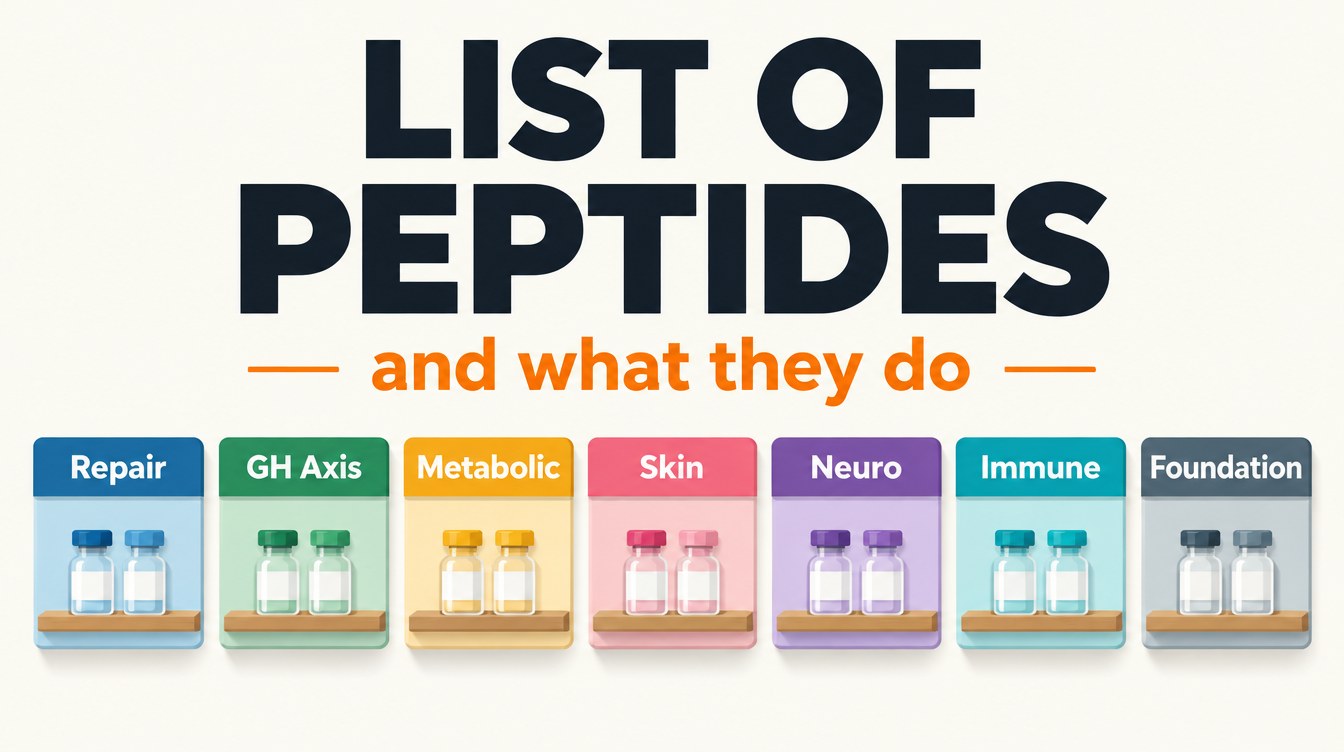
List of Peptides and What They Do: A Plain-English Guide by Goal
A plain-English list of peptides and what they do, grouped by goal: repair, GH, fat loss, skin, brain, immune and more, with the evidence level for each.

Peptide Insider Free email + the Peptide Playbook PDF.Get it free
Education only. Not medical advice. Unsubscribe anytime.
Research education, not medical advice. Talk with a licensed clinician before you act on anything here.
Lost in peptide names? You’re not alone. The internet makes this way harder than it needs to be.
Here’s one plain-English list, sorted by goal, with how strong the evidence really is.
No hype. Just what each one is and what it’s actually been studied for.
Key takeaways
- Verdict: A list of peptides and what they do is a shelf map of named tools. Not the mechanism deep-dive and not the use-case drawers alone.
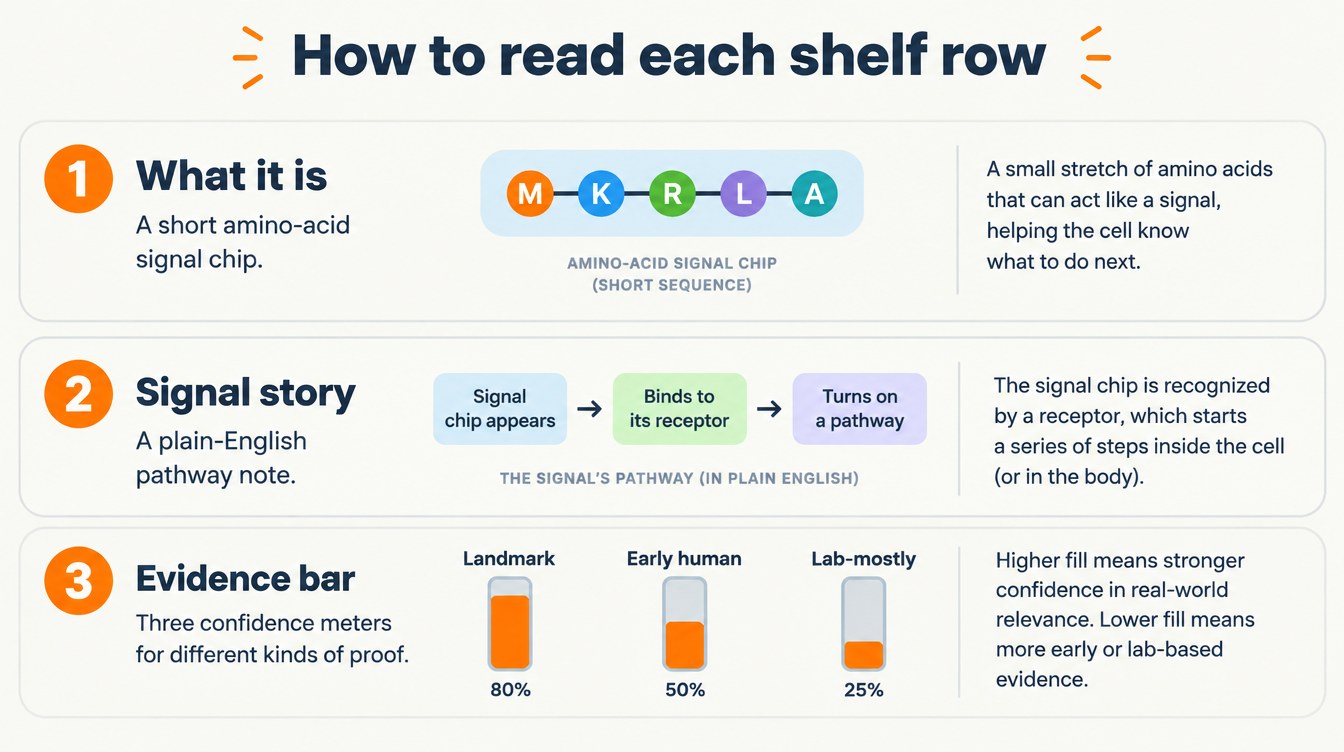
- Read each row three ways: what it is, what the signal story is, and how strong the evidence bar looks so far.
- Sister pages stay separate on purpose. What do peptides do teaches mechanism. What are peptides used for sorts use lanes. This page names the bottles on the shelf.
- Education only. Not medical advice. Not an FDA-approved treatment claim. No free-site dosing protocols.
What people ask when they land here
Paraphrased from the kinds of questions people bring to our community. These are anecdotes, not data.
- “Is there one list of what each peptide does?”
- “Which ones have real human evidence?”
- “Which goal do I even start with?”
Straight answers below. No bro-science, no hype. Every study is linked at the bottom so you can check me.
Verdict up front: If you searched list of peptides and what they do, you want a catalog you can scan. Named peptides. Plain jobs. Honest confidence bars. Not a miracle cart. Not a steroid cookbook.
This page is education and research framing only. It is not medical advice. It is not an FDA-approved treatment claim. It will not hand you a free dosing table.
Why this matters: search results smash “list,” “mechanism,” and “uses” into one caption. Those are three different maps. Keep them apart. You stop getting played.
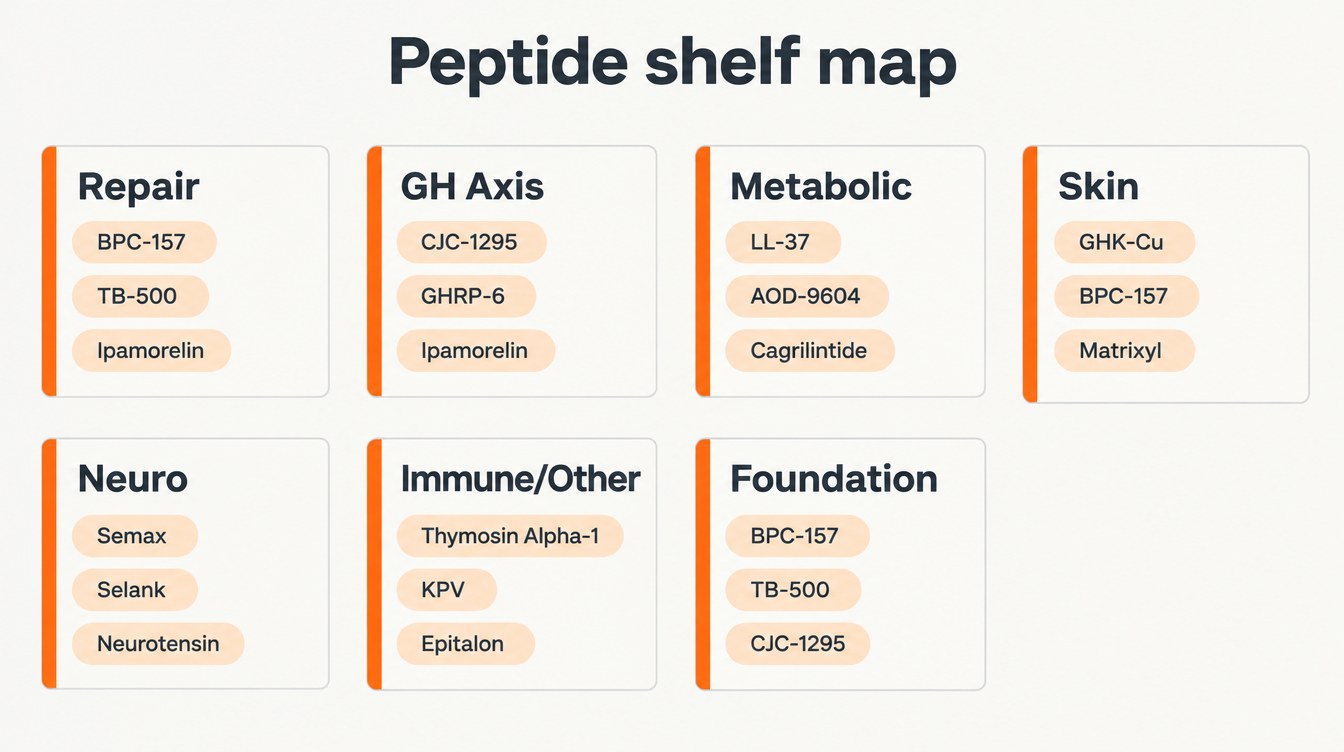
Keep reading if you want a shelf organized by lanes (repair, GH axis, metabolic, skin, neuro, immune/other, foundation), dense links into live peptide pages, an evidence-bar legend, myth checks, and partner research cards that stay InStock.
How to use this list (shelf map, not a protocol)
Think of a hardware aisle. Every bin has a tool name. Every tool has a job story. Every job story has a confidence bar. That is this page.
This is not the lock-and-key class. That lives on what do peptides do. This is not the use-case drawer board alone. That lives on what are peptides used for. New here? Start with what are peptides. Then skim best peptides.
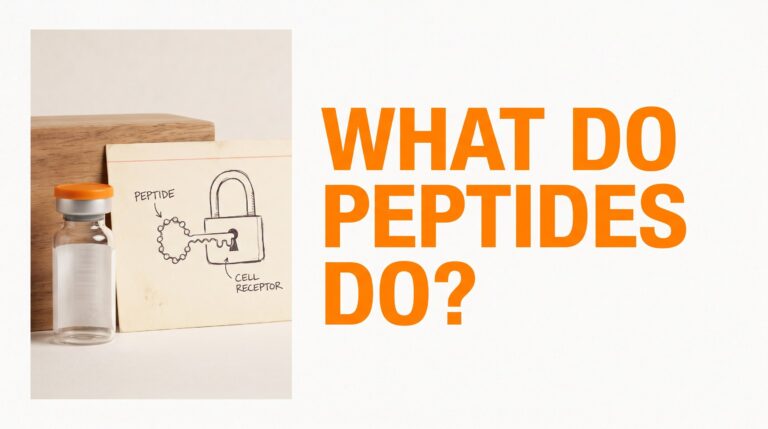
Write it out: a signaling peptide is a short amino-acid message cells can read. A long food protein is more like a brick delivery. Different jobs. Do not mash them.
How to read each shelf row
Every entry below follows the same three-line habit:
- What it is — the plain name and family.
- Signal story — what researchers usually point the tool at.
- Evidence bar — landmark labeled work, early human pharmacology, or mostly lab/animal so far.
So what for you: if a caption only gives the nickname and a miracle outcome, you are missing two of the three lines.
Evidence bar legend
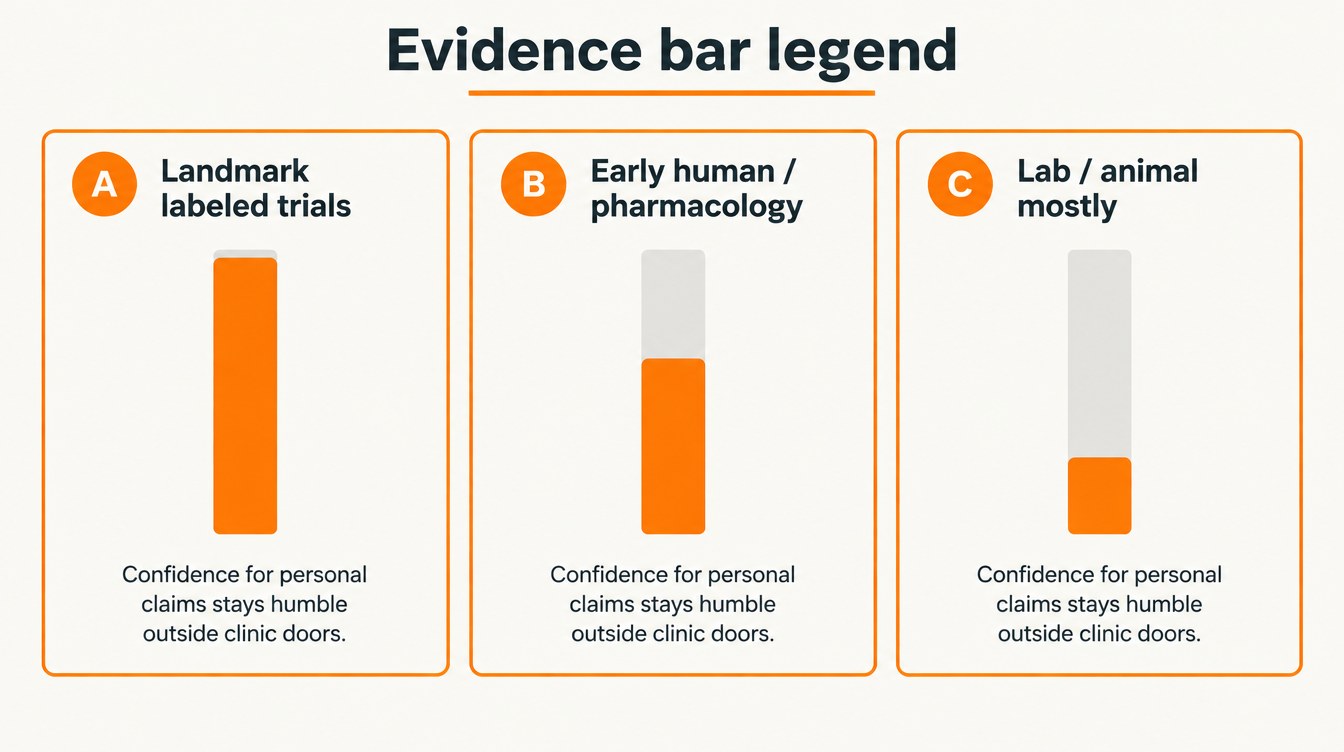
- Landmark / labeled — large controlled human work or an approved-medicine story with clear inclusion rules.
- Early human / pharmacology — real human data, often smaller, often mechanism-focused.
- Lab / animal mostly — interesting models. Confidence for personal human outcomes should stay humble.
Three doors still matter when you leave the shelf map. Clinic or Rx. Compounding with a clinician. Research-vial literacy. Same nickname does not mean same paperwork. See research peptides and counterfeit research peptides.
Why this matters: confidence is a feature, not a vibe. Landmark bars do not transfer to a research vial by nickname alone.
Stop-you number (labeled medicine, not vial hype)
Stop-you number from the approved-medicine side of body-comp research. Not from a research-vial cart. In a landmark NEJM trial of tesamorelin in people with HIV-related abdominal fat buildup, visceral fat fell about 15.2% on the medicine. It rose about 5.0% on placebo. Visceral fat is deep belly fat around organs.
That is labeled-medicine data with inclusion rules and a clinician. It is not a free pass. Full map: Tesamorelin.
How sure should you be? Landmark labeled trials raise confidence for that labeled use. Research-vial marketing does not inherit that confidence by nickname alone.
Repair lane
Soft-tissue and wound-healing lab stories live here. Deeper hub: peptides for healing. Compare tools here: BPC-157 vs TB-500.
- BPC-157 — What it is: a 15-amino-acid research peptide from gastric work. Signal story: soft-tissue and tendon repair models. Evidence bar: mostly lab and animal work. Keep human confidence humble outside a clinician lane.
- TB-500 — What it is: a research fragment story next to thymosin beta-4. Signal story: actin and cell-movement repair literacy. Actin is a cell-skeleton protein. Evidence bar: lab, animal, and specialized papers.
- Wolverine — What it is: a common nickname for BPC-157 plus TB-500 blends. Signal story: stacked repair curiosity. Not a magic cartoon claw. Evidence bar: it inherits the limits of each piece.
- KPV — What it is: a short tripeptide fragment from alpha-MSH research. Signal story: gut-barrier and inflammation-adjacent lab curiosity. Evidence bar: early and specialized. Keep claims small.
Keep vs skip: keep repair literacy. Skip miracle soft-tissue ads that skip diagnosis.
GH axis lane
These tools nudge growth-hormone release pathways. Clean gym education pages: peptides for bodybuilding, peptides for muscle growth, peptides for men, and HGH peptides. Do not mash this into steroid folklore. Read peptides vs steroids.
- Ipamorelin — What it is: a selective GH secretagogue from late-1990s lab work. Signal story: a tighter push on growth hormone release. Less side noise than older tools. Evidence bar: early human work plus classic lab papers.
- CJC-1295 / Ipamorelin — What it is: a common research pair. A GHRH analog story plus a secretagogue. Signal story: prolong and pulse GH and IGF-I signals. IGF-I is a growth signal related to GH. Evidence bar: human pharmacology on CJC-1295. Still not a free hypertrophy cookbook.
- Sermorelin — What it is: a GHRH(1-29) related map. Signal story: nudge the body’s own GH release pathway. Evidence bar: older human pharmacology and clinical discussion papers.
- Tesamorelin — What it is: a GHRH analog with a labeled medicine story in a specific clinical context. Signal story: deep-belly fat reduction under those rules. Evidence bar: landmark labeled trials.
So what for you: GH-axis names are related keys, not one interchangeable vial.
Metabolic / fat-loss lane
Weight-loss headlines are loud. Separate the shelves. Hub maps: peptides for fat loss, peptides for weight loss, tirzepatide vs semaglutide.
- Semaglutide / tirzepatide / retatrutide (literacy only) — What they are: incretin and multi-agonist medicine or trial stories. Signal story: appetite and metabolic pathway work in major journals. Evidence bar: landmark labeled or late-stage trial data for those uses. Not research-vial cosplay.
- AOD-9604 — What it is: a lab-made fragment inspired by a piece of human growth hormone. That piece ties to fat-breakdown research. Signal story: metabolic curiosity in early papers. Evidence bar: early and preclinical. Not “injectable Ozempic with a new sticker.”
- MOTS-c — What it is: a mitochondrial-derived peptide. Mitochondria are the cell’s energy factories. Signal story: metabolic balance in animal and mechanism work. Evidence bar: mostly lab and animal work.
Why this matters: naming the shelf stops you from treating every metabolic caption like the same tool.
Skin / matrix lane
Skin-matrix signals are a different desk from GH-axis tools. Maps: peptides for skin, copper peptides, GHK-Cu, Snap-8, GLOW, KLOW.
- GHK-Cu — What it is: a copper-binding tripeptide from human plasma work. Signal story: collagen signaling and tissue remodeling in cell culture and reviews. Evidence bar: a long lab trail. Topical curiosity is common. Keep outcome claims humble.
- Snap-8 — What it is: an octapeptide in topical expression-line research stories. Signal story: skin-cosmetic literacy next to neurotransmitter-release talk. Evidence bar: early cosmetic science. Not a clinic toxin substitute claim.
- GLOW / KLOW — What they are: blend nicknames. They often stack GHK-Cu with repair-adjacent pieces. Signal story: skin plus repair curiosity shelves. Evidence bar: each piece keeps its own limits.
Keep vs skip: keep skin-matrix literacy. Skip ads that promise surgery-grade certainty from a cream caption.
Neuro / cognitive lane
Focus and stress-adjacent names show up here. YMYL brain claims deserve extra care.
- Semax — What it is: an ACTH(4-10) analog studied in neurotrophin work. Neurotrophins help neurons grow and stay healthy. Signal story: focus and recovery curiosity in lab papers. Evidence bar: preclinical and specialized. Keep confidence humble.
- Selank — What it is: a tuftsin analog peptide in stress-adjacent research. Signal story: BDNF and related brain-signal stories in animal papers. Evidence bar: lab and specialized work.
How sure should you be? Much of this lane is not large Western Phase 3 lifestyle evidence. Curiosity is fine. Free-site brain-stack protocols are not.
Desire lane (brief shelf cross-link)
- PT-141 / bremelanotide — What it is: a melanocortin receptor agonist story. Signal story: desire-lane research plus a labeled medicine cousin in a clinical context. Evidence bar: human trial data exists for the labeled path. Research vials are a different door.
Gender hubs that stay education-clean: peptides for women and peptides for men.
Immune / mito / other lane
- Epitalon — What it is: a short tetrapeptide in longevity feeds. Signal story: telomere curiosity. Telomeres are protective caps on chromosomes. Evidence bar: specialized and lab work. Miracle aging claims are not a map.
- SS-31 — What it is: a mitochondria-targeted research peptide. The literature also names elamipretide. Signal story: mitochondrial membrane research. Evidence bar: specialized research. Not a free longevity protocol.
- NAD — What it is: a cofactor topic that sits next to peptide feeds. Signal story: cellular energy chemistry. Evidence bar: cofactor science is real. A random vial caption is not the same thing.
So what for you: longevity curiosity is fine. Miracle aging claims are not a shelf label.
Foundation lane (not peptides — still on the shelf map)
Most training goals still lean harder on habits than on vial cosplay. Put these on the same sorting board. Captions should not skip them.
- Creatine — What it is: one of the most studied training supplements. Signal story: lean mass and strength support under lifting. Evidence bar: a strong human evidence trail.
- Protein intake — What it is: daily amino-acid supply for repair and muscle work. Signal story: enough protein beats fancy nicknames for most people. Evidence bar: broad nutrition consensus.
- Zone-2 training — What it is: easy aerobic work you can talk through. Signal story: mitochondrial and metabolic fitness literacy. Evidence bar: mainstream exercise science.
- Bacteriostatic water — What it is: sterile water with a preservative used in reconstitution literacy. Signal story: research-lab handling basics. It is not a peptide. Evidence bar: pharmacy practice literacy.
Why this matters: a catalog that only sells vials is not a complete map.
Quick scan table (names → shelves)
- Repair — BPC-157, TB-500, Wolverine, KPV
- GH axis — Ipamorelin, CJC-1295 / Ipamorelin, Sermorelin, Tesamorelin
- Metabolic — incretin literacy, AOD-9604, MOTS-c
- Skin — GHK-Cu, Snap-8, GLOW / KLOW
- Neuro — Semax, Selank
- Desire — PT-141
- Other — Epitalon, SS-31, NAD literacy
- Foundation — creatine, protein, zone-2, bacteriostatic water
Want the mechanism picture after this catalog? Open what do peptides do. Want use drawers? Open what are peptides used for. Identity checks live here: are peptides natural, are peptides legal, are peptides safe, and are peptides steroids.
Myths the list page kills
- Myth: one list means one bottle. Truth: many shelves. Different doors.
- Myth: collagen powder equals signaling peptides. Truth: long food protein vs short messages.
- Myth: peptides are just milder steroids. Truth: chemistry classes differ. Read the steroids cluster linked above.
- Myth: a research label guarantees purity or human outcomes. Truth: label is not contents.
- Myth: every metabolic name shares Tesamorelin’s landmark bar. Truth: confidence does not transfer by nickname.
Keep vs skip: keep plain shelf maps. Skip miracle captions and disease-treat pitches.
What to do next
If you came in from a “list of peptides” reel, slow down. Pick one lane. Open the matching deep page. Name the door. Keep free-site reading as a map. Save protocols for a clinician. Or save them for Pro classroom depth.
New here? Start Here. Want mastery library access? /community/. Therapy framing literacy: peptide therapy.
Why this matters: the next smart step is literacy. Not a panic buy. Not a miracle claim.
So what for you: write one sentence before you trust any list caption: “Which shelf is this on. And which evidence bar am I actually looking at?”
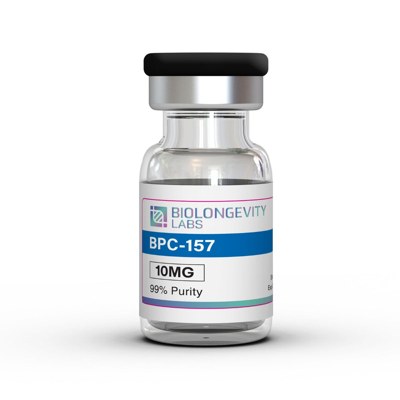 BioLongevity
BPC-157
LEE15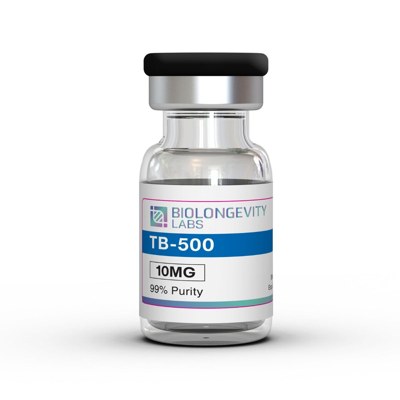 BioLongevity
TB-500
LEE15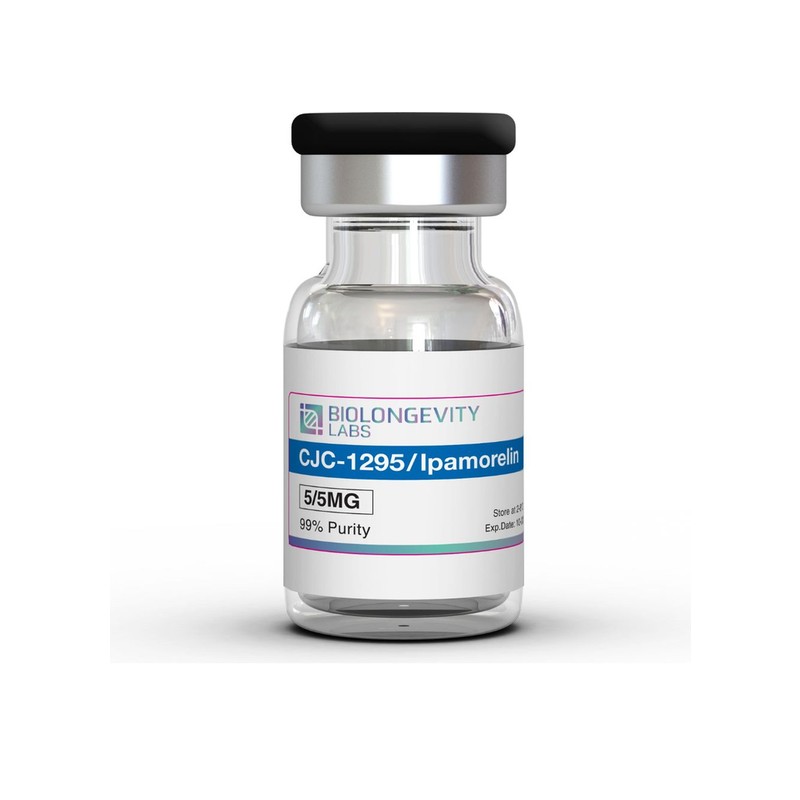 BioLongevity
Wolverine Blend
LEE15 BioLongevity
CJC / Ipamorelin
LEE15 BioLongevity
Ipamorelin
LEE15 Paramount
Wolverine Blend
My link Paramount
CJC / Ipamorelin
My link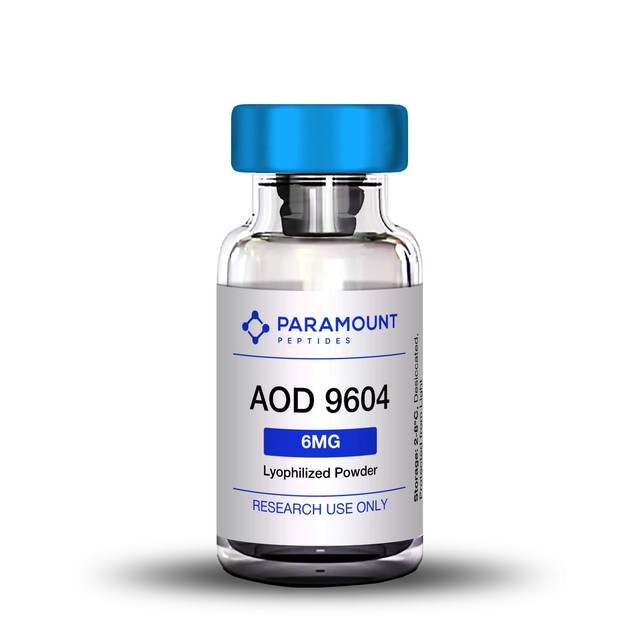 Paramount
AOD-9604
My link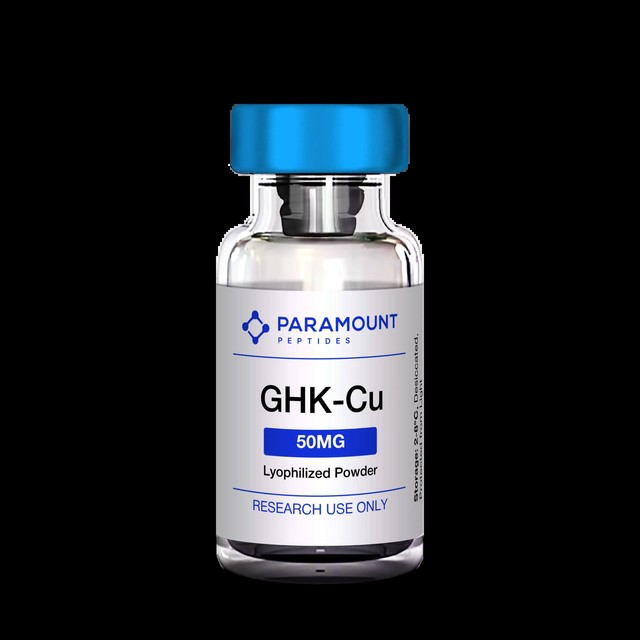 Paramount
GHK-Cu
My link Paramount
Recon Solution
My linkPartner homes
Peptira home · LEE Paramount home · my link BioLongevity home · LEE15 Limitless home · LEE20 Their catalog needs a quick research-access sign-up before prices show. Use code LEE20 at checkout.
Adjacent research maps only. Codes live in the links. Education framing — not a treat-disease pitch.
The short version, one more time
- A list of peptides and what they do is a shelf map: name, signal story, evidence bar.
- Catalog ≠ mechanism ≠ use-case. Cross-link what do peptides do and what are peptides used for.
- Education only. Not medical advice. Not an FDA-approved treatment claim.
Related reads: What do peptides do? · What are peptides used for? · What are peptides? · Best peptides · Peptides for men · Peptides for women
Primary sources
We link the original study or document, not a summary.
- PubMedChang CH, et al. The promoting effect of pentadecapeptide BPC 157 on tendon healing involves tendon outgrowth, cell survival, and ERK activation. J Appl Physiol. 2011. PMID 21030672
- PubMedGwyer D, et al. Gastric pentadecapeptide body protection compound BPC 157 and its role in accelerating musculoskeletal soft tissue healing. Cell Tissue Res. 2019. PMID 30915550
- PubMedSeiwerth S, et al. BPC 157 and standard angiogenic growth factors. Gastrointestinal tract healing, lessons from tendon, ligament, muscle and bone healing. Curr Pharm Des. 2018. PMID 29998800
- PubMedJózwiak M, et al. Multifunctionality and possible medical application of the BPC 157 peptide. Literature and patent review. Pharmaceuticals. 2025. PMID 40005999
- PubMedMalinda KM, et al. Thymosin beta4 accelerates wound healing. J Invest Dermatol. 1999. PMID 10469335
- PubMedGoldstein AL, et al. Thymosin beta4: actin-sequestering protein moonlights to repair injured tissues. Trends Mol Med. 2005. PMID 16099219
- PubMedGuarnera G, et al. The effect of thymosin treatment of venous ulcers. Ann N Y Acad Sci. 2010. PMID 20536470
- PubMedKleinman HK, et al. Thymosin β4 promotes dermal healing. Vitam Horm. 2016. PMID 27450738
- PubMedRaun K, et al. Ipamorelin, the first selective growth hormone secretagogue. Eur J Endocrinol. 1998. PMID 9849822
- PubMedTeichman SL, et al. Prolonged stimulation of growth hormone (GH) and insulin-like growth factor I secretion by CJC-1295, a long-acting analog of GH-releasing hormone, in healthy adults. J Clin Endocrinol Metab. 2006. PMID 16352683
- PubMedWalker RF. Sermorelin: a better approach to management of adult-onset growth hormone insufficiency? Clin Interv Aging. 2006. PMID 18046908
- PubMedVittone J, et al. Effects of single nightly injections of growth hormone-releasing hormone (GHRH 1-29) in healthy elderly men. Metabolism. 1997. PMID 9005976
- PubMedFalutz J, et al. Metabolic effects of a growth hormone-releasing factor in patients with HIV. N Engl J Med. 2007. PMID 18057338
- PubMedFalutz J, et al. Long-term safety and effects of tesamorelin, a growth hormone-releasing factor analogue, in HIV patients with abdominal fat accumulation. AIDS. 2008. PMID 18690162
- PubMedStanley TL, et al. Effect of tesamorelin on visceral fat and liver fat in HIV-infected patients with abdominal fat accumulation: a randomized clinical trial. JAMA. 2014. PMID 25038357
- PubMedNg FM, et al. Metabolic studies of a synthetic lipolytic domain (AOD9604) of human growth hormone. Horm Res. 2000. PMID 11146367
- PubMedHeffernan M, et al. The effects of human GH and its lipolytic fragment (AOD9604) on lipid metabolism following chronic treatment in obese mice and beta(3)-AR knock-out mice. Endocrinology. 2001. PMID 11713213
- PubMedWilding JPH, et al. Once-weekly semaglutide in adults with overweight or obesity. N Engl J Med. 2021. PMID 33567185
- PubMedJastreboff AM, et al. Tirzepatide once weekly for the treatment of obesity. N Engl J Med. 2022. PMID 35658024
- PubMedJastreboff AM, et al. Triple-hormone-receptor agonist retatrutide for obesity. A Phase 2 trial. N Engl J Med. 2023. PMID 37366315
- PubMedDiamond LE, et al. Double-blind, placebo-controlled evaluation of intranasal PT-141 in healthy males and men with mild to moderate erectile dysfunction. Int J Impot Res. 2004. PMID 14963471
- PubMedKingsberg SA, et al. Bremelanotide for the treatment of hypoactive sexual desire disorder: two randomized phase 3 trials. Obstet Gynecol. 2019. PMID 31599840
- PubMedMaquart FX, et al. Stimulation of collagen synthesis in fibroblast cultures by the tripeptide-copper complex glycyl-L-histidyl-L-lysine-Cu2+. FEBS Lett. 1988. PMID 3169264
- PubMedPickart L. The human tri-peptide GHK and tissue remodeling. J Biomater Sci Polym Ed. 2008. PMID 18644225
- PubMedPickart L, et al. GHK peptide as a natural modulator of multiple cellular pathways in skin regeneration. Biomed Res Int. 2015. PMID 26236730
- PubMedDolotov OV, et al. Comparison of the temporary dynamics of NGF and BDNF gene expression in rat hippocampus, frontal cortex, and retina under Semax action. J Mol Neurosci. 2010. PMID 19662538
- PubMedInozemtseva LS, et al. Selank, peptide analogue of tuftsin, protects against ethanol-induced memory impairment by regulating BDNF content. Bull Exp Biol Med. 2019. PMID 31625062
- PubMedLee C, et al. The mitochondrial-derived peptide MOTS-c promotes metabolic homeostasis and reduces obesity and insulin resistance. Cell Metab. 2015. PMID 25738459
- PubMedAydin S, et al. Targeting mitochondria in MASLD: comparative evaluation of MitoQ and SS-31 (elamipretide) in aged female mice under nutritional stress. Physiol Res. 2026. PMID 42708867
- PubMedAnisimov VN, et al. Epitalon increases telomere length in human cell lines through telomerase upregulation or ALT activity. Biogerontology. 2025. PMID 40908429
- PubMedForbes SC, et al. Meta-analysis examining the importance of creatine ingestion strategies on lean tissue mass and strength in older adults. Nutrients. 2021. PMID 34199420
- PubMedBurke R, et al. The effects of creatine supplementation combined with resistance training on regional measures of muscle hypertrophy. Nutrients. 2023. PMID 37432300
- PubMedKoroleva SV, et al. Antidepressant-like and antistress effects of the ACTH(4-10) synthetic analogs Semax and Melanotan II. Eur J Pharmacol. 2024. PMID 39442746
- PubMedSudakov KV, et al. Functional connectomic approach to studying Selank and Semax effects. Dokl Biol Sci. 2020. PMID 32342318
- PubMedDou Y, et al. Are we ready to measure skin permeation of modern antiaging GHK-Cu tripeptide encapsulated in liposomes? Molecules. 2025. PMID 39795193
- PubMedAsanin J, et al. Liposomes as carriers of GHK-Cu tripeptide for cosmetic application. Pharmaceutics. 2023. PMID 37896245
- PubMedDiamond LE, et al. Co-administration of low doses of intranasal PT-141, a melanocortin receptor agonist, and sildenafil to men with erectile dysfunction. Urology. 2005. PMID 15833522
Education only. Not medical advice. Not an FDA-approved treatment claim. Research framing for catalog literacy and quality literacy. Talk with a qualified clinician about personal health decisions. Partner links may earn a commission. Codes live in the links.
Partner labs
Which vendor for what
Four labs, in the order I check them. Tap through my link, then use the code at checkout.
USA lab · cGMP
Best for: US-made vials, plus oral capsules.
Code LEE15
Enter code LEE15 at checkout.
USA lab · cGMP
Best for: A second US lab to compare price and stock.
No code needed: use my link
Click my link first. If Paramount shows its own sale code, use that one. Codes do not stack.
USA lab · cGMP · Lee’s main shop
Best for: The lab I use most.
Code LEE20
Their catalog needs a quick research-access sign-up before prices show. Use code LEE20 at checkout.
Import · US tested
Best for: Competitive price and Auto-Ship.
Code LEE
Auto-Ship keeps code LEE on every shipment; skip or cancel anytime.
Affiliate links: I may earn a commission at no extra cost to you. Research products only. Education, not medical advice. Each lab sets its own catalog and checkout rules.
Peptide Insider · free email
Get the research before the hype.
Lee’s Peptide Insider: new studies, FDA moves, and protocols explained in plain English. Join free and get the Peptide Playbook PDF.
Education only. Not medical advice. Unsubscribe anytime.
Keep reading
 Intermittent Fasting: What the Trials Really Show (and How Not to Lose Muscle)
 Thymalin: The Russian Thymus Peptide and What the Research Really Shows
 Semax vs Selank: What 25 Years of Russian Research Actually Shows
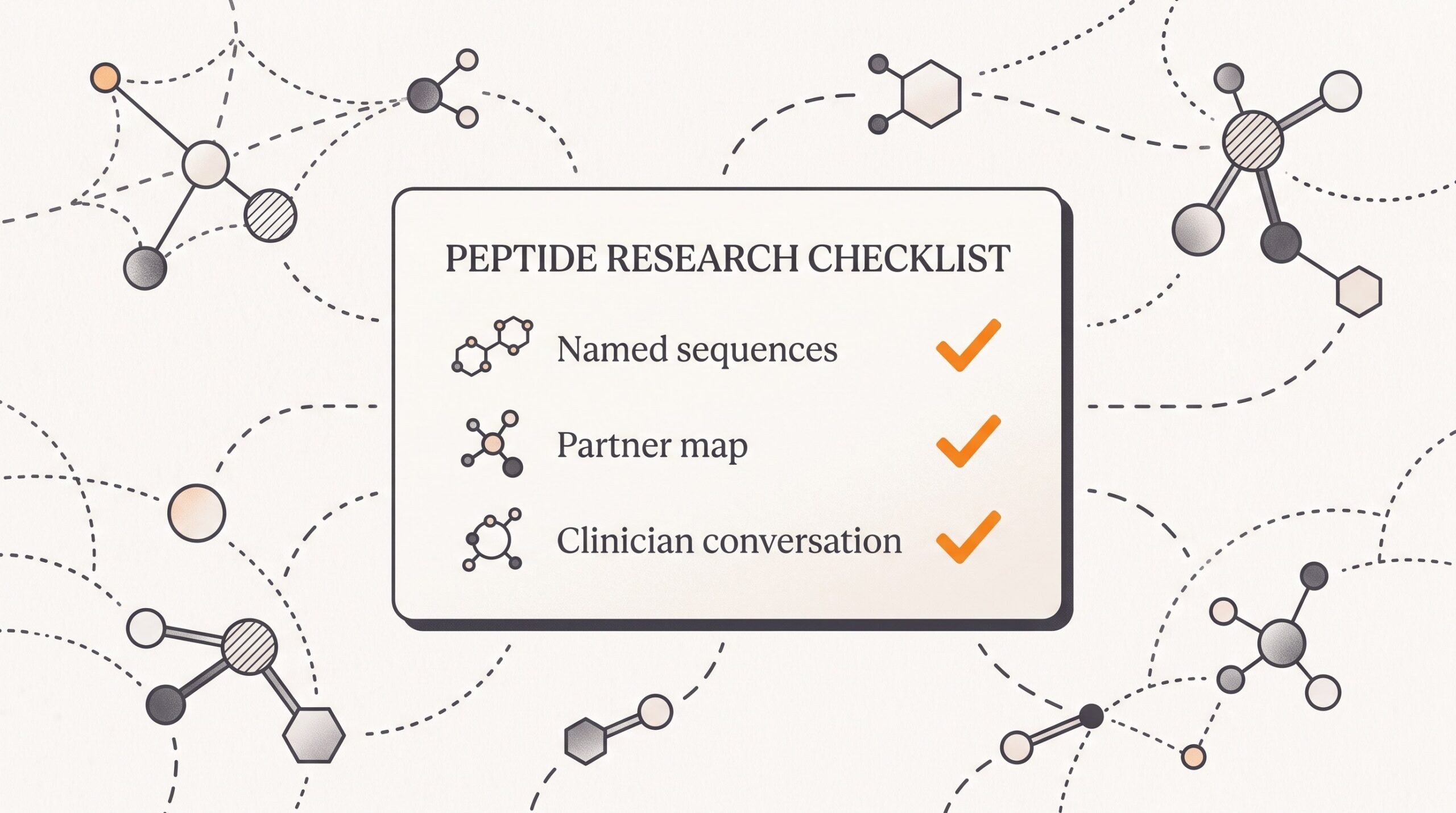
Free PDF
The Peptide Playbook
The research checklist Lee uses: named sequences, how to read a COA, and the questions to bring to your doctor. Free when you join Peptide Insider.

One Comment
Comments are closed.