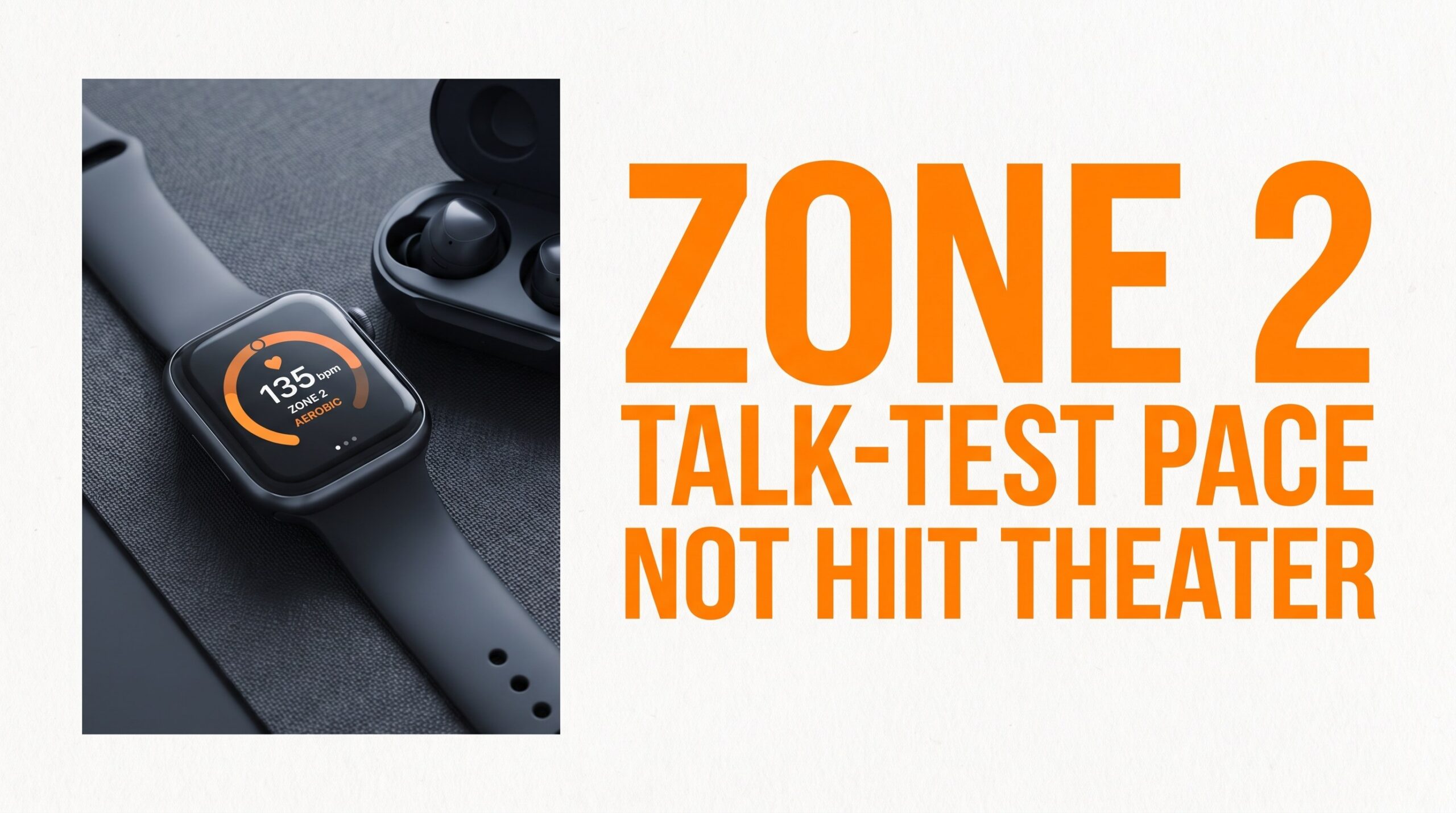
Zone 2 Training: Talk-Test Pace Without the Hype
Key takeaways
- Verdict: Zone 2 is conversational-pace aerobic work — useful base training for most healthy adults who train, not a miracle protocol and not a cardiac-rehab plan.
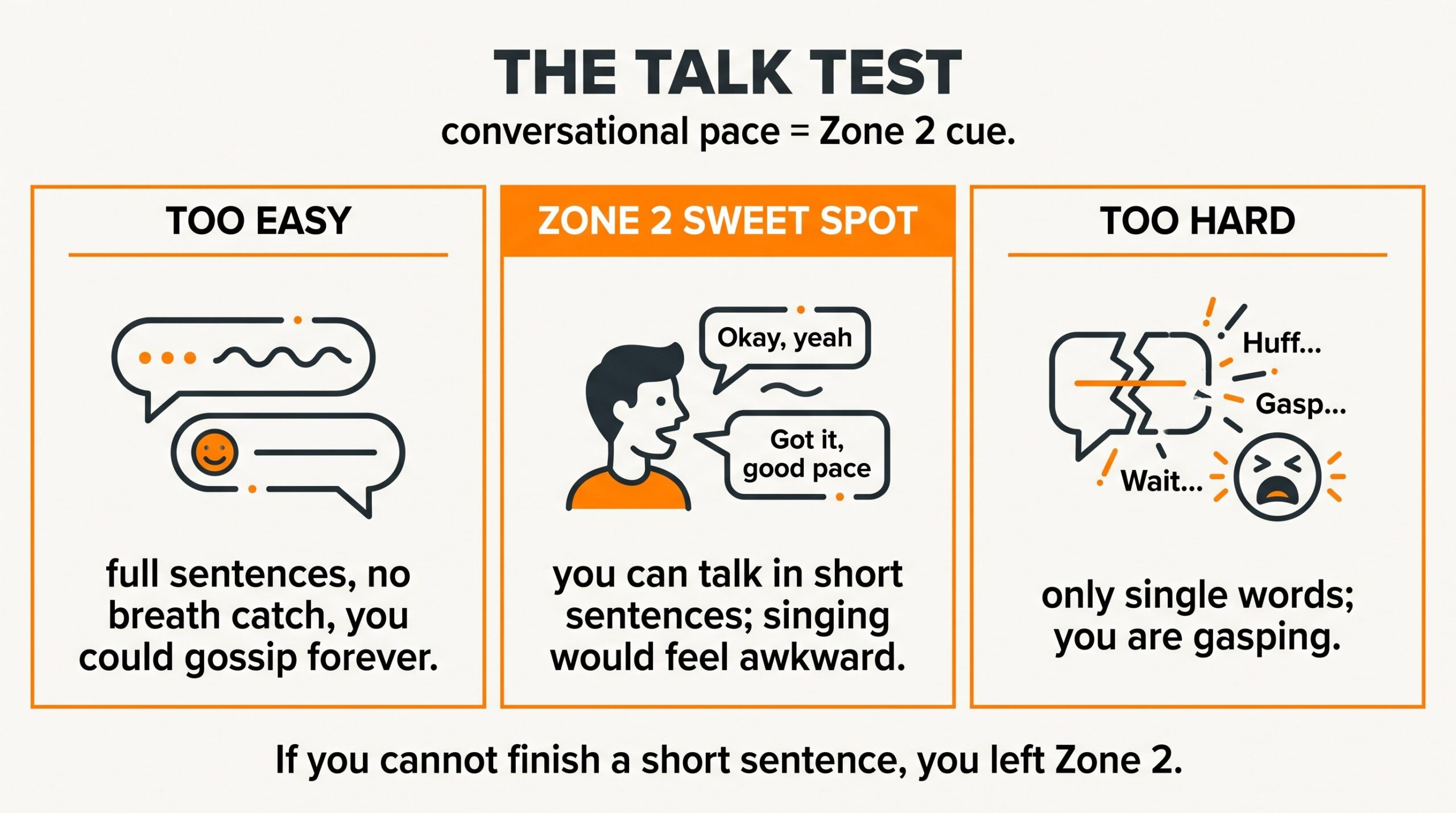
- Field tool: the talk test (last comfortable speech) is a researched intensity cue. If you cannot finish a short sentence, you left the zone.
- Your next step: accumulate easy minutes you can repeat, stack sleep/protein/creatine foundations, and keep peptides off this page as a Zone 2 prescription.
Verdict up front: Zone 2 training is worth doing. It is not worth turning into a religion, a lab-coat flex, or a reason to buy a vial.
Conversational pace. Sustainable minutes. An aerobic engine that does not need a redline every Tuesday.
Keep reading if you want the talk-test map, what Zone 2 actually means in exercise physiology, and how to think about it without influencer math. Skip if you want a cardiac-rehab prescription, a max heart-rate formula sold as destiny, or a peptide stack “for Zone 2.” Those asks do not belong on this free education page.
Day-one site basics live on Start Here. Adjacent foundations: creatine benefits, protein intake, and how to sleep better. Mitochondrial research curiosity can wait on MOTS-c — as literacy, never as a Zone 2 drug.
Education only. Not medical advice. Not a cardiac-rehab protocol. Not a treatment for heart disease, diabetes, or “fix my engine.” If you have chest pain, known heart disease, or a clinician already managing exercise limits, that conversation stays with them.
What Zone 2 actually is
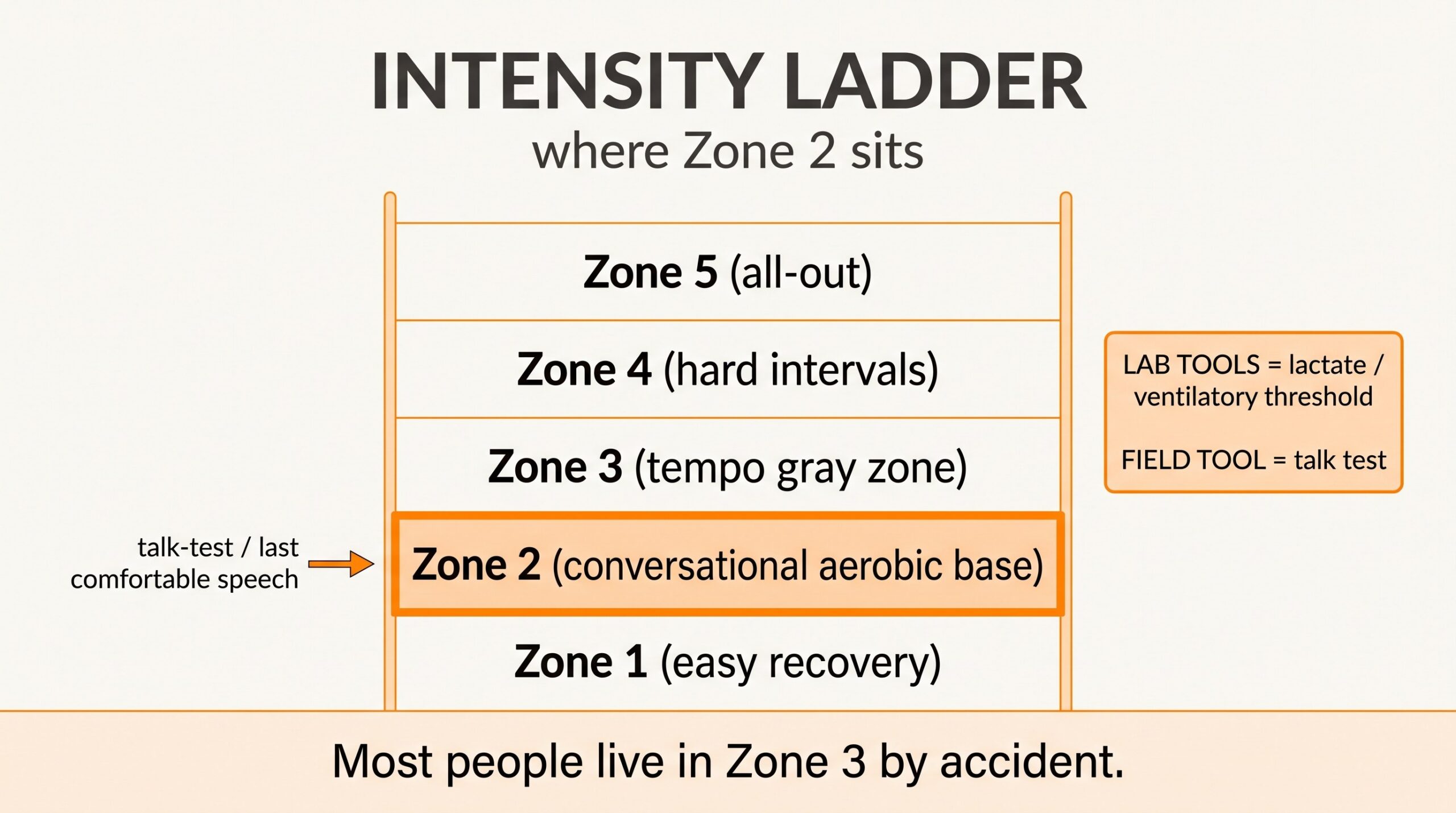
Zone 2 is a label for moderate aerobic intensity. In plain words: hard enough that you are clearly working. Easy enough that you can still hold a conversation in short sentences.
Exercise labs often pin related landmarks with blood lactate or breathing thresholds. Field athletes often use heart-rate bands or power. Recreational humans get a simpler tool first: the talk test.
Persinger and colleagues showed the talk test stays consistent as an exercise-prescription cue. Quinn and Coons later mapped talk-test speech stages against ventilatory and lactate thresholds. Reed and Pipe summarized it as a practical monitoring tool. Foster’s group keeps translating talk-test stages into steady training intensity.
How sure should you be? Fairly sure the talk test is a usable field cue for many healthy adults. Less sure that your podcast host’s exact “Zone 2 bpm” equals your physiology.
Why this matters: Zone 2 is a training intensity idea with real exercise-phys roots — not a supplement category.
So what for you: learn the speech cue before you buy another wearable band.
The talk test (your field tool)
Here is the only daily check I want stuck in your head.
If you can gossip in full paragraphs with zero breath catch, you are probably too easy for a Zone 2 session. If you can only spit single words between gasps, you are too hard. The sweet spot is short sentences. You can talk. Singing would feel awkward. That “last comfortable speech” lane is the talk-test home for conversational Zone 2.
Jeanes, Foster, and Porcari showed talk-test responses can translate from testing into prescription. Lyon and colleagues kept mapping incremental talk-test stages onto steady-state training intensity. Bok, Rakovac, and Foster later critiqued subjective tools honestly — useful, not magic.
Why this matters: you do not need a metabolic cart to know when you left conversational pace.
So what for you: on your next easy session, narrate one short sentence out loud. If it breaks, ease off.
The idle-engine analogy (one picture)
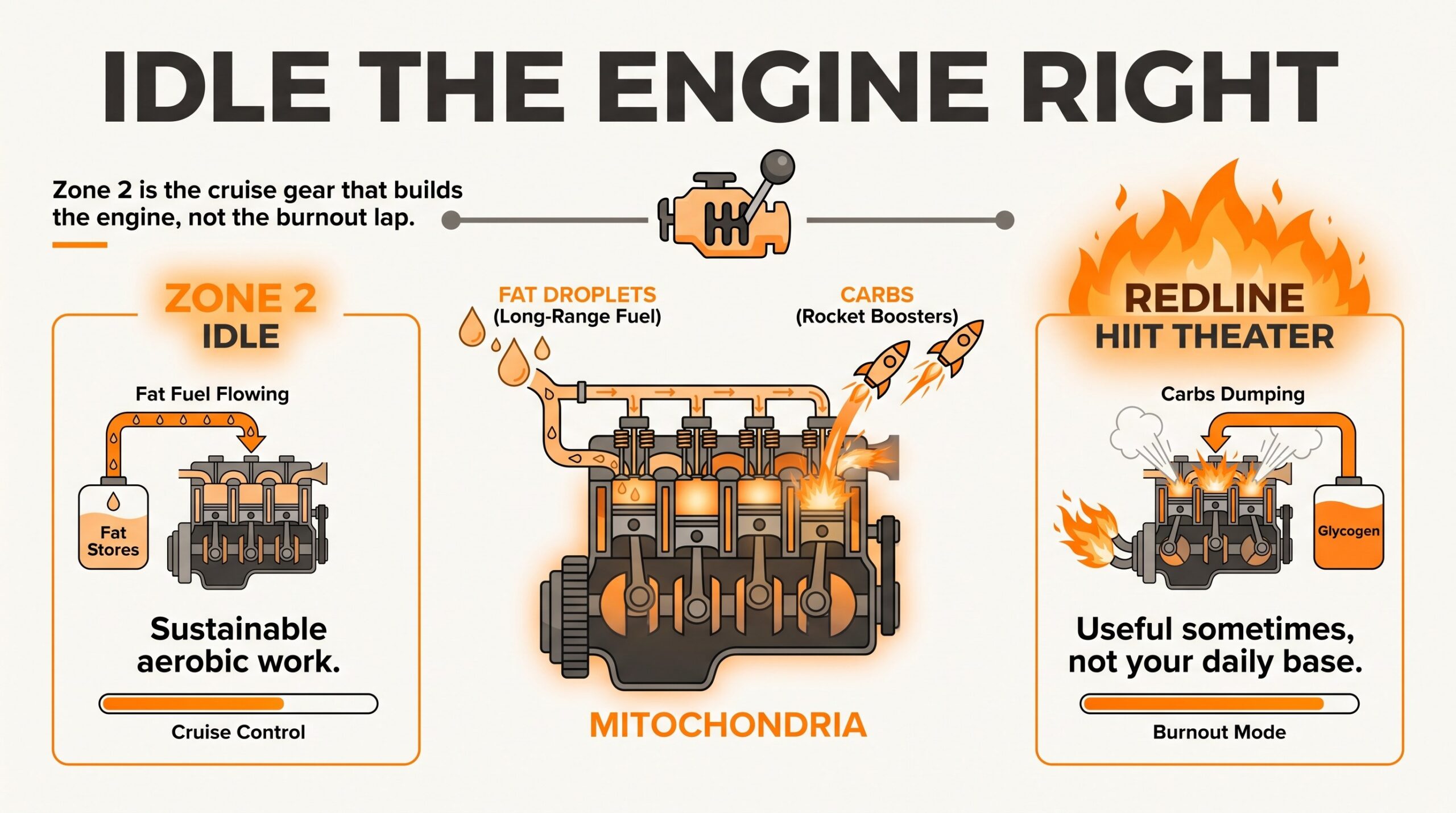
Think of your aerobic system like a car engine that needs cruise miles, not only burnout laps.
Mitochondria are the engine block. Fat is the long-range fuel tank. Carbohydrate is the rocket booster for hard efforts. Zone 2 is the cruise gear where you teach that engine to handle steady work without redlining every session.
San-Millán and Brooks mapped metabolic flexibility with lactate, fat oxidation, and carbohydrate responses across intensities in athletes. Achten and Jeukendrup tied fat-oxidation rates to intensity and lactate. Venables, Achten, and Jeukendrup showed fat oxidation during exercise varies a lot across healthy men and women.
That is the stop-you frame: fuel mix and intensity are linked. Your easy day is not “wasted” just because it feels conversational.
Confidence check: strong that intensity changes substrate use in humans. Weaker that every Instagram “Zone 2 protocol” matches a lab Fatmax test. Storoschuk, Moran-MacDonald, and Gibala’s 2025 narrative review in Sports Medicine is the adult in the room — Zone 2 hype needs evidence, not vibes.
Why this matters: conversational work is a tool for aerobic development, not a personality test.
So what for you: protect some weekly minutes that stay truly easy.
What Zone 2 is good for (and what it is not)
ACSM’s quantity-and-quality position stand still frames moderate aerobic work as a core public-health training lane for cardiorespiratory fitness in adults. Polarized and pyramidal endurance distributions from Seiler-influenced research keep showing that elites spend a huge share of time at lower intensities, then sprinkle true hard work.
For a busy adult who lifts and wants better conditioning without living in HIIT theater, Zone 2 usually means:
- More repeatable aerobic minutes
- A clearer separation between easy and hard days
- Less accidental Zone-3 sludge where every session feels “kinda hard”
- Not a replacement for strength training, protein, sleep, or medical care
Why this matters: the win is often better training distribution, not a mystical zone badge.
So what for you: if every cardio day is semi-miserable, you probably need a real easy day.
How to run a Zone 2 session without guru math
Education map. Not a prescription. Not rehab orders.
- Pick a mode you can sustain. Brisk walk, easy jog, bike, rower, elliptical — whatever your joints tolerate.
- Use the talk test first. Short sentences yes. Gasping no.
- Wearables second. Heart-rate bands help after you know what conversational feels like. They do not override speech when the band is wrong.
- Start with minutes you will repeat. Consistency beats a heroic 90-minute debut you dread.
- Keep hard days hard on purpose. Intervals still matter. They just should not eat your easy days.
San-Millán’s mitochondrial health writing is useful context for why aerobic capacity sits near longevity conversations. It is still not a license to medicalize your Tuesday spin class.
Why this matters: a boring session you can repeat beats a perfect spreadsheet you abandon.
So what for you: schedule easy on the calendar like it counts — because it does.
Myths that waste your week
- “If it is not miserable, it does not work.” Conversational work is the point for Zone 2. Misery is a different intensity.
- “220 minus age is my Zone 2.” Population formulas are rough. Your talk test and individual responses matter more than a napkin equation.
- “Zone 2 replaces lifting.” No. Strength and muscle still need progressive tension. See protein and recovery foundations.
- “I need a peptide for Zone 2.” Hard no on this page. Training is the lever. Research maps are adjacent literacy.
- “Zone 2 is cardiac rehab.” Clinical rehab is clinician-directed. This is general training education for healthy adults.
Why this matters: bad myths steal the easy minutes that actually build the base.
So what for you: drop the guilt when an easy day feels easy.
Foundations that sit beside Zone 2
Peptides & Pump is a peptide education site. Zone 2 is still foundation training.
Sleep, protein, creatine, and recovery habits do more for most people than any research-catalog curiosity. Soft links worth your time:
- How to sleep better — recovery is not optional
- Protein intake — muscle still needs building blocks
- Creatine benefits — grocery-aisle performance support
- MOTS-c — mitochondrial peptide research map only; never a Zone 2 prescription
Hard line: this page will never say “inject peptide X to unlock Zone 2.” Earn the miles. Read research maps later if you are curious.
Why this matters: foundation stacking beats vial cosplay for training outcomes.
So what for you: fix sleep and protein before you chase a mitochondrial SKU.
Evidence limits
Talk-test and ACSM moderate-intensity guidance are useful for healthy adults. Individual thresholds vary. Disease, medications, pregnancy, and clinical rehab change the rules.
Zone 2 branding online often outruns the lab definition in any one paper. Storoschuk and colleagues’ narrative review is a reminder: mitochondrial and cardiorespiratory claims need receipts, not slogans.
This page does not claim Zone 2 cures metabolic disease, replaces cardiac rehab, or justifies unsupervised hard training with a medical history you have not cleared.
Why this matters: confidence framing protects your week and your risk file.
So what for you: use the talk test, keep a clinician in the loop when your history is not simple, and treat influencer Zone-2 absolutism as entertainment.
Sources & Further Reading
- Persinger R, et al. Consistency of the talk test for exercise prescription. Med Sci Sports Exerc. 2004. PubMed 15354048
- Quinn TJ, Coons BA. The Talk Test and its relationship with the ventilatory and lactate thresholds. J Sports Sci. 2011. PubMed 21774751
- Reed JL, Pipe AL. The talk test: a useful tool for prescribing and monitoring exercise intensity. Curr Opin Cardiol. 2014. PubMed 25010379
- Jeanes EM, Foster C, Porcari JP. Translation of exercise testing to exercise prescription using the talk test. J Strength Cond Res. 2011. PubMed 21311346
- Lyon E, et al. Translation of incremental talk test responses to steady-state exercise training intensity. J Cardiopulm Rehabil Prev. 2014. PubMed 24911334
- Bok D, Rakovac M, Foster C. An examination and critique of subjective methods to determine exercise intensity: the Talk Test, Feeling Scale, and Rating of Perceived Exertion. Sports Med. 2022. PubMed 35507232
- San-Millán I, Brooks GA. Assessment of metabolic flexibility by means of measuring blood lactate, fat, and carbohydrate oxidation responses to exercise. Sports Med. 2018. PubMed 28623613
- San-Millán I. The key role of mitochondrial function in health and disease. Antioxidants. 2023. PubMed 37107158
- Achten J, Jeukendrup AE. Relation between plasma lactate concentration and fat oxidation rates over a wide range of exercise intensities. Int J Sports Med. 2004. PubMed 14750010
- Venables MC, Achten J, Jeukendrup AE. Determinants of fat oxidation during exercise in healthy men and women: a cross-sectional study. J Appl Physiol. 2005. PubMed 15333616
- Garber CE, et al. American College of Sports Medicine position stand. Quantity and quality of exercise for developing and maintaining cardiorespiratory, musculoskeletal, and neuromotor fitness in apparently healthy adults. Med Sci Sports Exerc. 2011. PubMed 21694556
- Muñoz I, Seiler S, et al. Does polarized training improve performance in recreational runners? Int J Sports Physiol Perform. 2014. PubMed 23752040
- Storoschuk KL, Moran-MacDonald A, Gibala MJ. Much ado about Zone 2: a narrative review assessing the efficacy of Zone 2 training for improving mitochondrial capacity and cardiorespiratory fitness. Sports Med. 2025. PubMed 40560504
The bottom line
Zone 2 is conversational aerobic work with a real talk-test field cue. Build minutes you can repeat. Keep hard days honest. Stack sleep, protein, and creatine before any research-catalog detour.
It is not a youth drug. It is not cardiac rehab. It is not a peptide indication.
Related research maps (after Zone 2 is handled)
Zone 2 first. Miles and talk-test honesty beat any catalog. When foundation is already moving — sleep, protein, creatine, easy aerobic minutes — some readers want adjacent research literacy on mitochondrial and recovery maps. That is curiosity after the work, not a shortcut around it.
Hard line: these are research-catalog options next to the training map. They are not “peptides that help Zone 2,” not a training drug stack, and not a reason to skip a clinician when your history is not simple.
Start with the maps: MOTS-c, SS-31, NAD+. Partner vials below are for readers who already earned the base and still want the research SKU conversation.
Research-catalog SKUs currently live on partner audits (not a treatment recommendation).
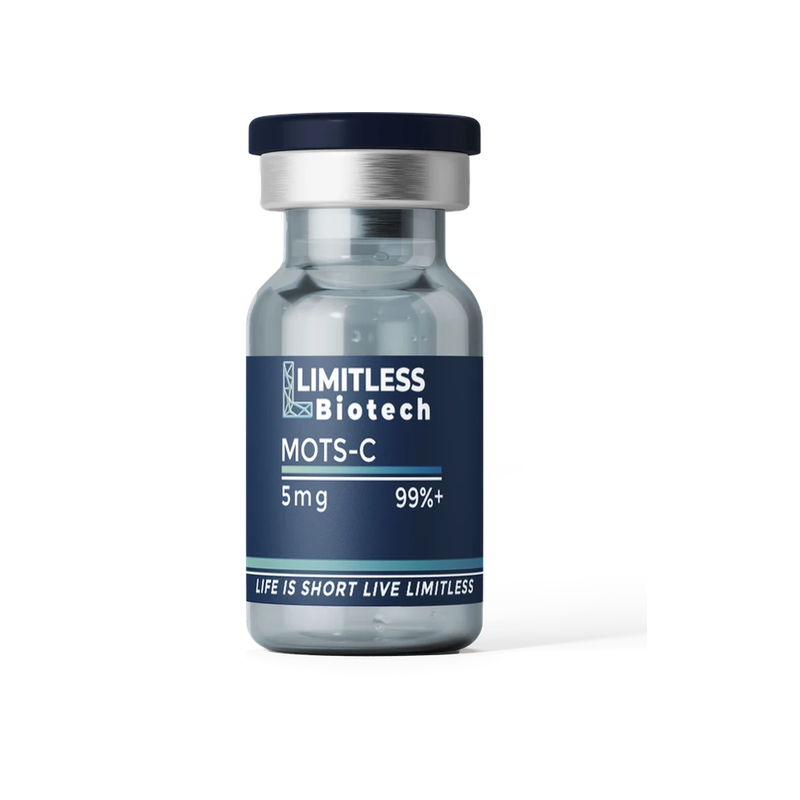 Limitless
MOTS-C
LEE20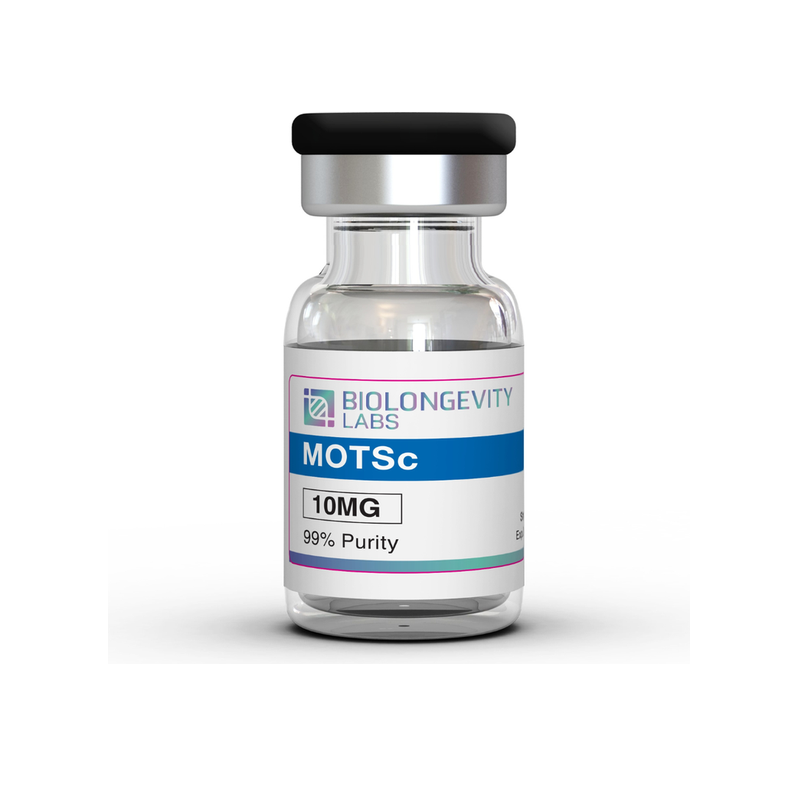 BioLongevity
MOTS-c 10 mg
LEE15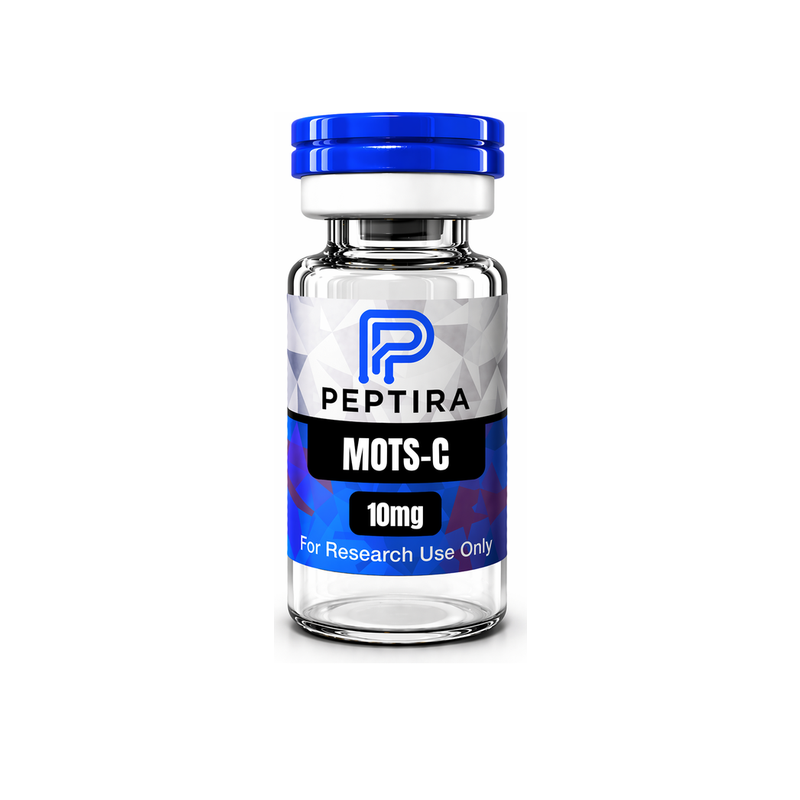 Peptira
MOTS-C 10 mg
LEE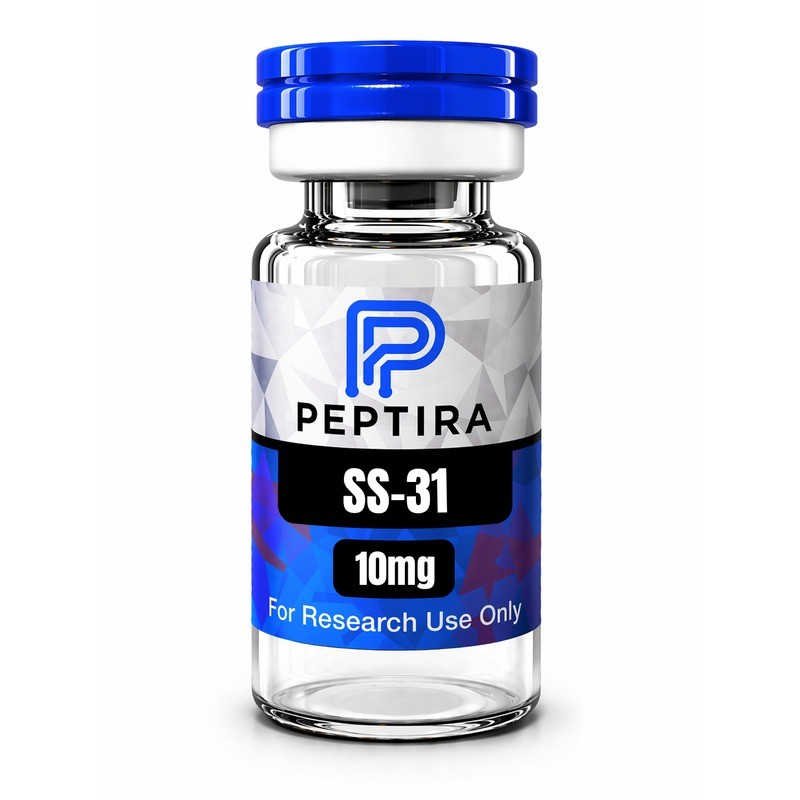 Peptira
SS-31 10 mg
LEE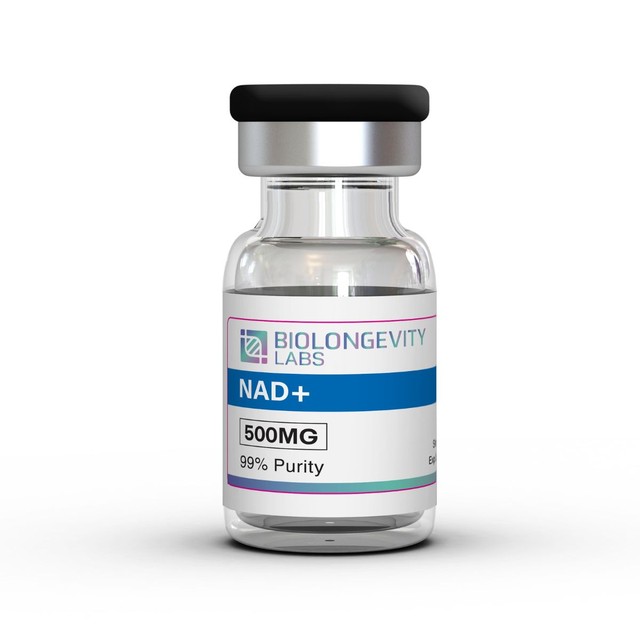 BioLongevity
NAD+ 500 mg
LEE15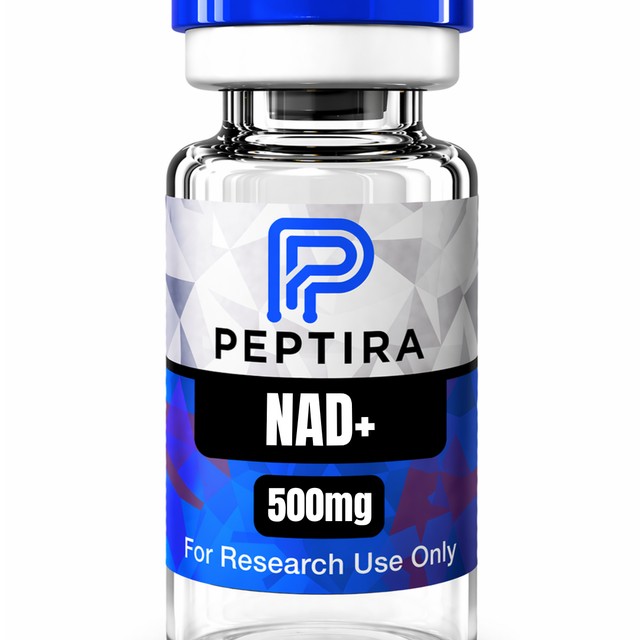 Peptira
NAD+ 500 mg
LEEMatch the map to the curiosity. Do not collect bottles to “unlock” Zone 2. Earn the easy minutes first.
Want deeper protocol libraries after foundations are handled? Pro is the paid door. Want the free research PDF? Grab the Playbook below.
Free guide
Get The Peptide PlaybookEnter your email and we’ll send the research PDF. Education only — not medical advice.
I built Peptides & Pump so you can get foundation education without a guru tax. Zone 2 is one of those foundations. Free Knowledge Base first if you are not ready to pay. Pro if you want the protocol library after the basics are handled.
 Keep going on Peptides & Pump
Free is the community. Pro is where you master the research maps. Zone 2 first — vials never as a training prescription.
Free
Knowledge Base
The peptide community · 2,500+
- 2,500+ member peptide community
- Sourcing questions before you buy anything random
- The basics, from people actually using peptides
Pro
Peptides & Pump Pro
$10/mo · 7-day trial
- Science-backed protocol library
- 1-on-1 support from Lee and Matt
- Step-by-step video, plus a monthly $500 drawing
Creatine benefits Protein intake Sleep better MOTS-c map Start Here What are peptides
Disclaimer. This article is for educational purposes only. It is not medical advice. It is not intended to diagnose, treat, cure, or prevent any disease. Zone 2 training education here is general fitness information for apparently healthy adults. It is not a cardiac-rehabilitation protocol, not a treatment plan for heart disease or metabolic disease, and not permission to ignore clinician guidance. Individual responses to exercise vary. Always consult a qualified healthcare provider before starting or changing an exercise program, especially if you have a medical condition, take prescription medication, are pregnant, or have been told to limit activity. Peptides & Pump does not sell peptides and does not prescribe peptides for Zone 2 training.
Affiliate disclosure. Some links on this page are affiliate links to research-catalog partners. I may earn a commission at no extra cost to you. Partner vials appear only as adjacent research-map options after Zone 2 foundations — never as a Zone 2 treatment claim. That commission is how I keep publishing free education.
2 Comments
Comments are closed.