How to Sleep Better: Sleep Hygiene & Circadian Basics
Key takeaways
- Sleep hygiene is the set of light, timing, stimulant, and bedroom habits that make sleep easier. It is not a cure for insomnia, apnea, or a wrecked schedule.
- Your brain runs a two-process system. Sleep pressure builds the longer you stay awake. Your body clock opens a nightly sleep window. Fight either one and “trying harder” stops working.
- Most healthy adults land near 7–9 hours. A steady bedtime and wake time often matter as much as raw hours.
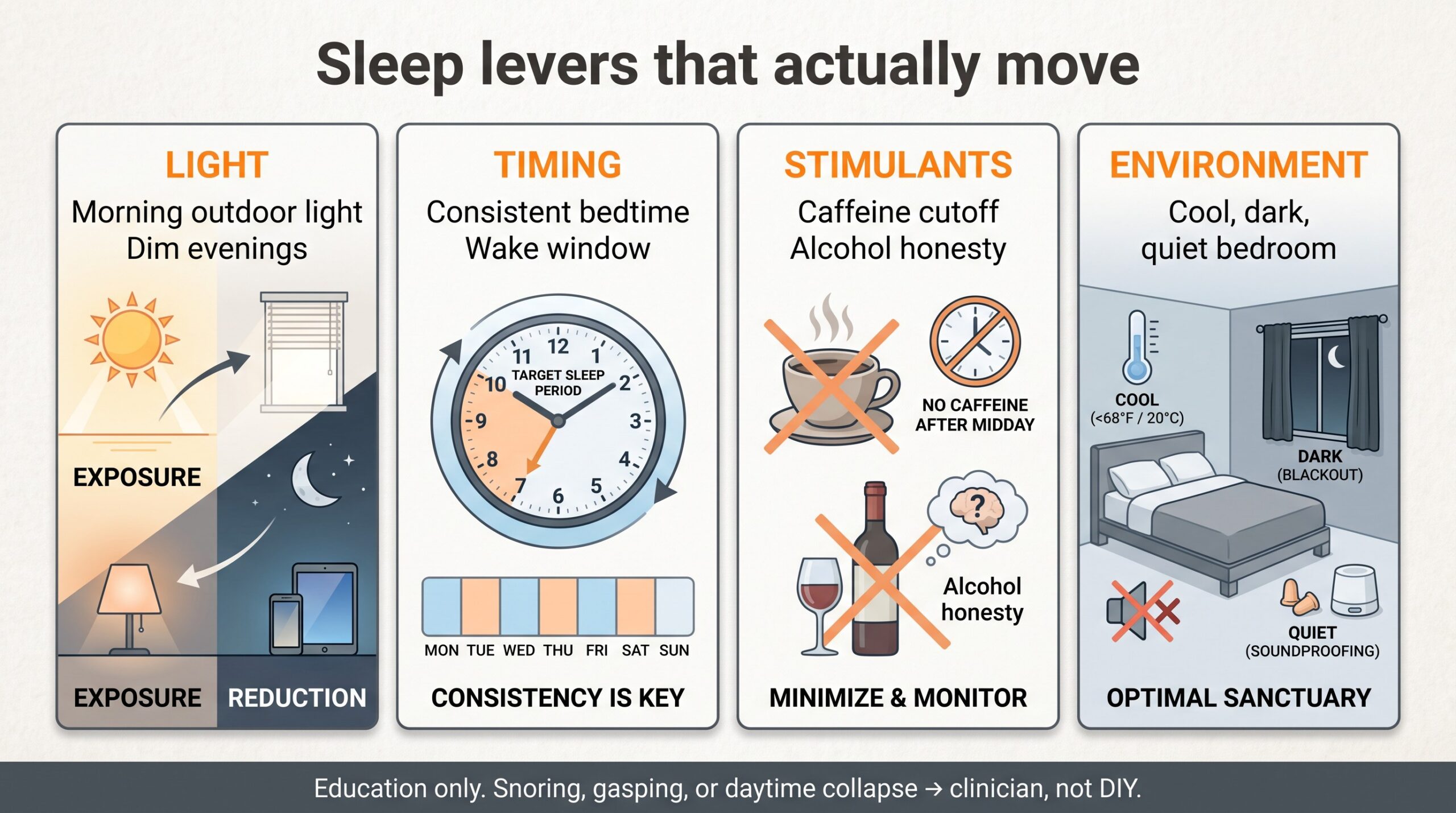
- Highest-leverage levers: morning outdoor light, dim evenings, a real caffeine cutoff, honest alcohol talk, and a cool dark quiet room.
- Stop DIY here: loud snoring, gasping, witnessed breathing pauses, or crushing daytime sleepiness belong with a clinician. Chronic insomnia often needs CBT-I, not another supplement stack.
- Peptide hubs on this site are adjacent research literacy — never a pitch to “use peptide X to sleep.”
People type how to sleep better like they need a secret molecule.
Most of the time they need a working light schedule. A caffeine cutoff they keep. And permission to stop treating sleep like a willpower contest.
This page is the sleep hygiene and body-clock basics map. Beginner clear. Citation backed. Start with Start Here if you are new to the site. Stay here if you want the levers that actually move sleep for most healthy adults.
This is education. It is not medical advice. It will not diagnose insomnia, apnea, restless legs, or body-clock disorders. Loud snoring, gasping, choking awakenings, or falling asleep at red lights belong with a clinician — not a blog checklist.
What “sleep better” actually means
Beginner version: you fall asleep without a two-hour doom-scroll. You stay asleep without three anxiety resets. You wake up functional enough that coffee is optional.
Sleep health is more than hours in bed. It covers how long you sleep, how steady the night is, when you sleep, how alert you feel, and how satisfied you are. The National Sleep Foundation mapped those quality pieces in 2017. Short and long sleep also show up next to worse heart and death-risk signals in big reviews. That is a link in data. It is not a promise that your next early bedtime erases risk.
Broken sleep has short- and long-term health costs. Short nights are not the only problem. Hygiene is the first talk because it is cheap and often skipped. It is not the last talk when a disorder is present.
Your body clock: the two-process model without the jargon tax
You do not need a chronobiology degree. You need two ideas.
Process S is sleep pressure. The longer you are awake, the more drive to sleep builds. Think of it like a battery that drains all day. Naps, lying in bed all morning, and chaotic “catch-up” change the curve.
Process C is your body clock. Scientists call that clock the circadian system. It opens a biological night about once a day. Light is the main time cue. Evening light can push melatonin later. Morning light can pull it earlier.
Borbély’s two-process framing is still the teaching backbone. A 2016 reappraisal showed how the homeostatic and clock pieces interact. Classic human work showed the clock is extremely sensitive to night light for melatonin suppression and phase resetting. Room light before bed can suppress melatonin onset and shorten melatonin duration.
Here is the punch: your phone at midnight is not “just a habit.” It is a lighting intervention aimed at the wrong end of the day.
How much sleep do you need?
Population targets. Not a personal lab result.
The National Sleep Foundation clusters most younger and middle-aged adults around 7–9 hours. The American Academy of Sleep Medicine and Sleep Research Society jointly recommend at least 7 hours regularly for healthy adults.
Athletes and heavy trainers: sleep loss hits performance, thinking, and recovery. The sports-medicine file is blunt about that. That still does not mean “buy a peptide.” It means protect the night before you optimize the vial shelf.
Stop-you stat: classic dose-response work showed progressive brain-performance deficits across nights of restricted sleep — even when people thought they were adapting. Your subjective “I’m fine on six” is a weak instrument.
Lever 1 — Light: morning bright, evening dim
Morning: get outdoor light soon after waking when you can. Skylight beats a phone flashlight. You are giving Process C a clear “day has started” signal.
Evening: dim the house. Cut bright overheads. Move screens down or off. A controlled PNAS study found evening light-emitting eReaders delayed body-clock timing, suppressed melatonin, and hurt next-morning alertness. Blue-enriched light is part of why “just one more episode” is biology, not moral failure.
Newer wearable work is not subtle either. Brighter nights and darker days predicted higher mortality risk in a 2024 PNAS analysis. That is not a bedside-lamp lawsuit. It is a nudge to stop living under midnight LEDs.
Practical, not precious:
- Morning walk or coffee on the porch
- Evening lamps low
- Phone in another room if you can stand it
Night-shift workers need a clinician-aware plan. This page is not that protocol.
Lever 2 — Timing: consistency beats weekend revenge sleep
A stable bedtime and wake window trains Process C. Irregular sleep and wake patterns show up next to delayed timing and worse real-world performance in student cohorts.
Beginner rule: pick a wake time you can keep most days. Keep weekends within about an hour. Protect the wake anchor first. Bedtime often follows once light and caffeine are cleaned up.
Weekday versus weekend drift is a body-clock mismatch story. Revenge bedtime procrastination feels like freedom. It spends next-week thinking power.
Lever 3 — Stimulants: caffeine cutoff and alcohol honesty
Caffeine: Drake and colleagues showed caffeine taken even 6 hours before bed still cut total sleep time. Zero- and three-hour doses were worse. If you sleep at 11 p.m., a 5 p.m. cold brew is not neutral. Sensitive people may need an earlier cutoff.
Alcohol: it can sedate you into bed and then fragment the night. A 2025 systematic review in healthy adults mapped how alcohol alters later sleep. “I sleep better with a drink” often means faster sleep onset with worse architecture afterward. Honesty beats folklore.
Nicotine and late heavy meals are the other common sabotage pair. This page will not invent a wine protocol.
Lever 4 — Environment: cool, dark, quiet
Bedroom as cave. Not entertainment center.
- Dark: blackout or eye mask. Charger LEDs count.
- Cool: most adults sleep better cool than stuffy. Chase comfort you can repeat.
- Quiet: earplugs, white noise, or the partner CPAP conversation beat another meditation app.
- Bed = sleep / sex: classic stimulus-control logic from the insomnia behavioral file. If you doom-scroll in bed for two hours, your brain learns that bed means alertness.
Irish and colleagues reviewed the public-health sleep-hygiene evidence. Useful. Sometimes oversold as a solo cure for chronic insomnia. Stepanski and Wyatt earlier mapped how hygiene is used and misused in insomnia care.
When hygiene is not enough
Chronic insomnia: if nights stay broken for months, the first-line talk in adults is cognitive behavioral therapy for insomnia. People call that CBT-I. It is not a random supplement carousel. A 2015 Annals review backed CBT-I for chronic insomnia. The 2021 American Academy of Sleep Medicine guideline covers talk-based treatments for chronic insomnia in adults.
Melatonin: supplemental melatonin is a timing tool. Efficacy depends on the disorder and dose timing. It is not a universal “sleep hormone shot.” This page will not invent milligram shopping lists.
Breathing and apnea red flags — stop DIY:
- Habitual loud snoring
- Witnessed breathing pauses
- Gasping arousals
- Morning headaches
- Irresistible daytime sleepiness
Those are reasons to talk to a clinician about possible sleep-disordered breathing. Do not build a kitchen-table apnea protocol from a ranking page.
Where peptide research maps sit
Peptides & Pump is a peptide education site. Sleep is still foundation.
If you later read cognitive or stress research maps, start with Semax and Selank as research literacy — not as sleep drugs. Recovery and mitochondrial adjacent reading lives on MOTS-c and SS-31. Growth-hormone secretagogue curiosity after sleep is protected lives on Ipamorelin and Sermorelin.
Hard line: this page will never say “use peptide X to sleep.” Foundations first. Research catalogs second. Clinicians for disorders.
New to the format? What are peptides and how to reconstitute peptides are the on-ramps. Healing timelines live on how long do healing peptides take.
A one-week sleep hygiene sprint
Education. Not a prescription.
- Day 1–2: fix wake time. Morning outdoor light within an hour of waking.
- Day 2–3: set a caffeine cutoff at least 6–8 hours before target bedtime.
- Day 3–4: dim evenings. Park the phone outside the bedroom.
- Day 4–5: cool, dark, quiet pass — blackout, earplugs, thermostat honesty.
- Day 5–7: no alcohol as a sleep aid. Protect the same wake anchor on the weekend.
- Still wrecked after weeks? Ask a clinician about insomnia care pathways or apnea evaluation. Do not escalate to random research chemicals because a podcast said so.
Sources & Further Reading
Verified starting points. Not a protocol. Not a drug label. Not permission to self-treat apnea.
- Two-process sleep model update, 2016 — PubMed 26762182
- Night light and the human clock, 2000 — PubMed 10922269
- Room light before bed and melatonin, 2011 — PubMed 21193540
- Evening eReaders and next-morning alertness, 2015 — PubMed 25535358
- Caffeine 0, 3, and 6 hours before bed, 2013 — PubMed 24235903
- Sleep hygiene and public health review, 2015 — PubMed 25454674
- Sleep hygiene inside insomnia care, 2003 — PubMed 12927121
- NSF sleep duration targets, 2015 — PubMed 29073412; PubMed 29073398
- AASM adult sleep amount consensus, 2015 — PubMed 26039963
- NSF sleep quality targets, 2017 — PubMed 28346153
- Cost of nights of short sleep, 2003 — PubMed 12683469
- Irregular sleep and school timing, 2017 — PubMed 28607474
- Sleep duration and death risk review, 2010 — PubMed 20469800
- Sleep duration and heart outcomes review, 2011 — PubMed 21300732
- Health costs of broken sleep, 2017 — PubMed 28579842
- CBT-I for chronic insomnia review, 2015 — PubMed 26054060
- AASM insomnia treatment guideline, 2021 — PubMed 33164742
- Melatonin for adult sleep disorders review, 2017 — PubMed 28648359
- Alcohol and later sleep review, 2025 — PubMed 39631226
- Blue light and the inner clock, 2019 — PubMed 31433569
- Personal light exposure and mortality, 2024 — PubMed 39405349
- Sleep and athletic performance review, 2015 — PubMed 25315456
Read primary sources. Do not treat a PubMed ID as a shopping list.
The bottom line
How to sleep better, for most people without a diagnosed sleep disorder, is boring on purpose. Morning light. Dim evenings. A real caffeine cutoff. Alcohol honesty. A consistent wake time. A cool dark quiet room.
The body-clock literature is older than the influencer stack. The hygiene evidence is real and incomplete. Chronic insomnia has a CBT-I lane. Snoring and gasping have a clinician lane.
Protect the night before you chase a research catalog. Soft-adjacent peptide reading stays linked as maps — never as sleep drugs.
If you need the beginner peptide on-ramp after this, use Start Here, what are peptides, then the cognitive maps on Semax / Selank or recovery on MOTS-c when curiosity is actually about those files.
Related research maps (after sleep is protected)
Sleep hygiene first. Light, timing, caffeine, alcohol honesty, and a cool dark quiet room beat any catalog. When the night is already moving — and curiosity is actually about cognitive or stress research files — some readers want adjacent research literacy on Semax, Selank, and DSIP. That is curiosity after the foundations, not a shortcut around them.
Hard line: these are research-catalog maps next to the sleep page. They are not “peptides for sleep,” not a DIY insomnia stack, not a melatonin swap, and not a reason to skip CBT-I or a clinician when snoring, gasping, or chronic insomnia shows up.
Start with the maps: Semax, Selank, DSIP. Partner vials below are for readers who already earned the base and still want the research SKU conversation.
Research-catalog SKUs currently live on partner audits (not a treatment recommendation).
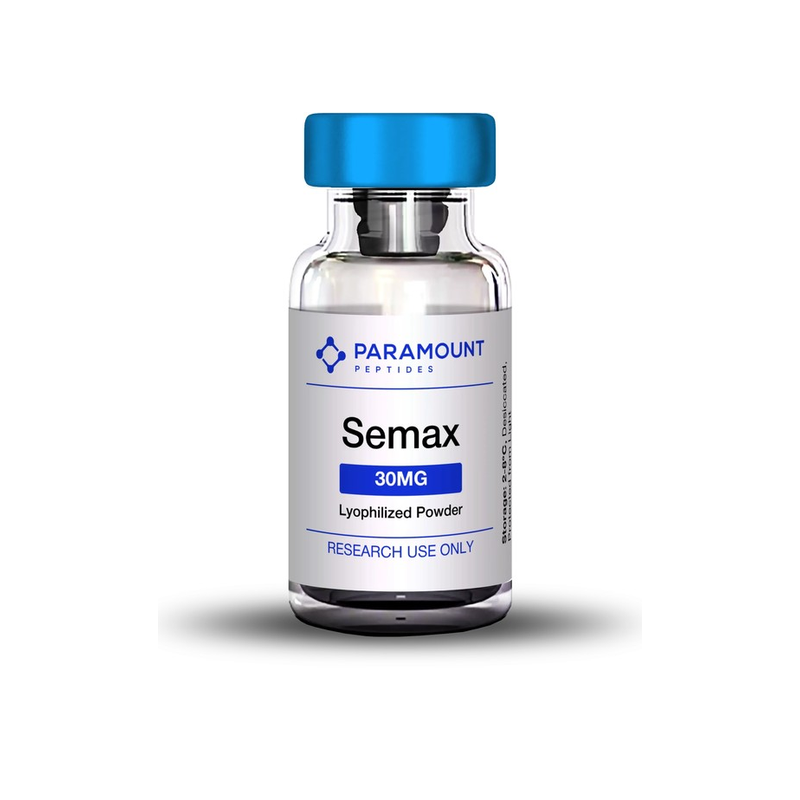 Paramount
Semax 30 mg
LEE10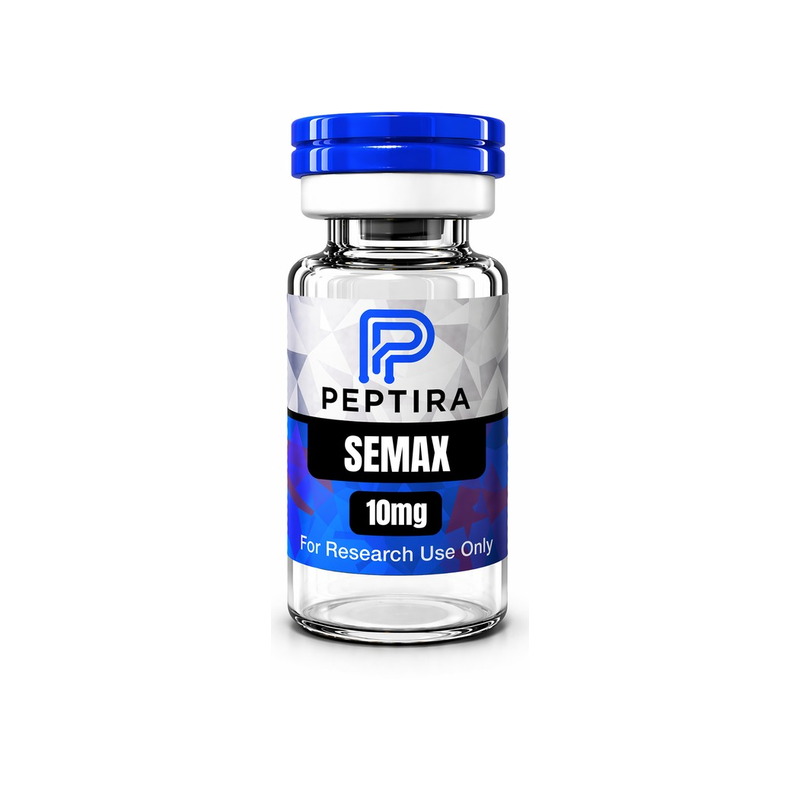 Peptira
Semax
LEE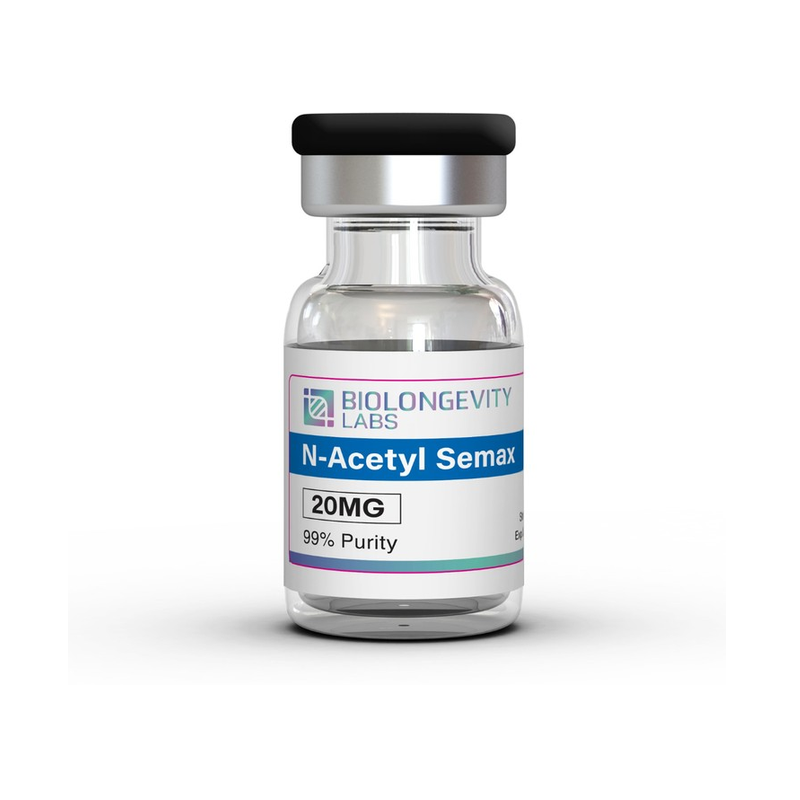 BioLongevity
N-Acetyl Semax Amidate 20 mg
LEE15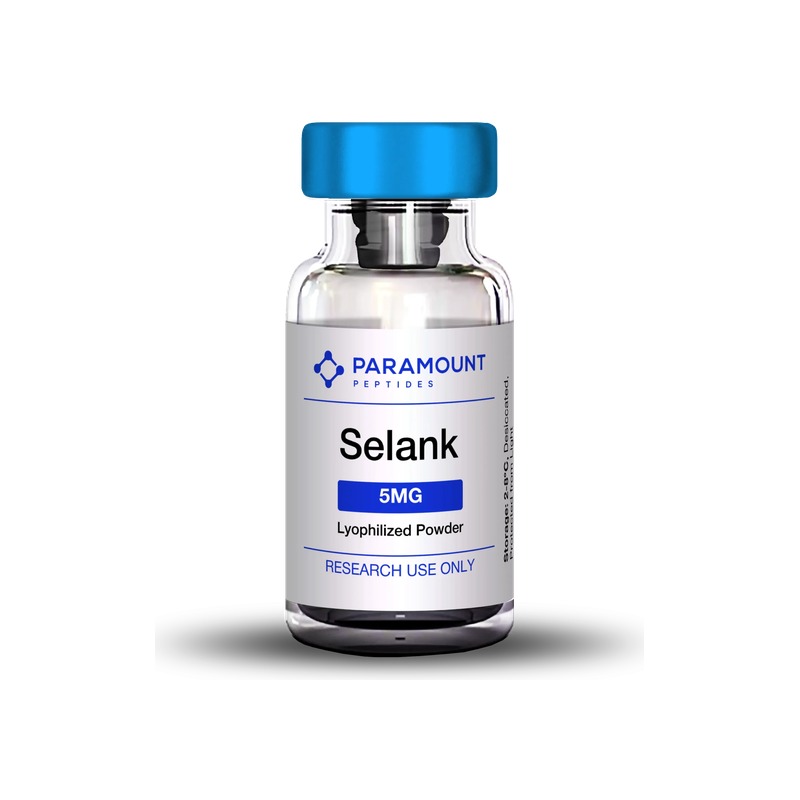 Paramount
Selank 5 mg
LEE10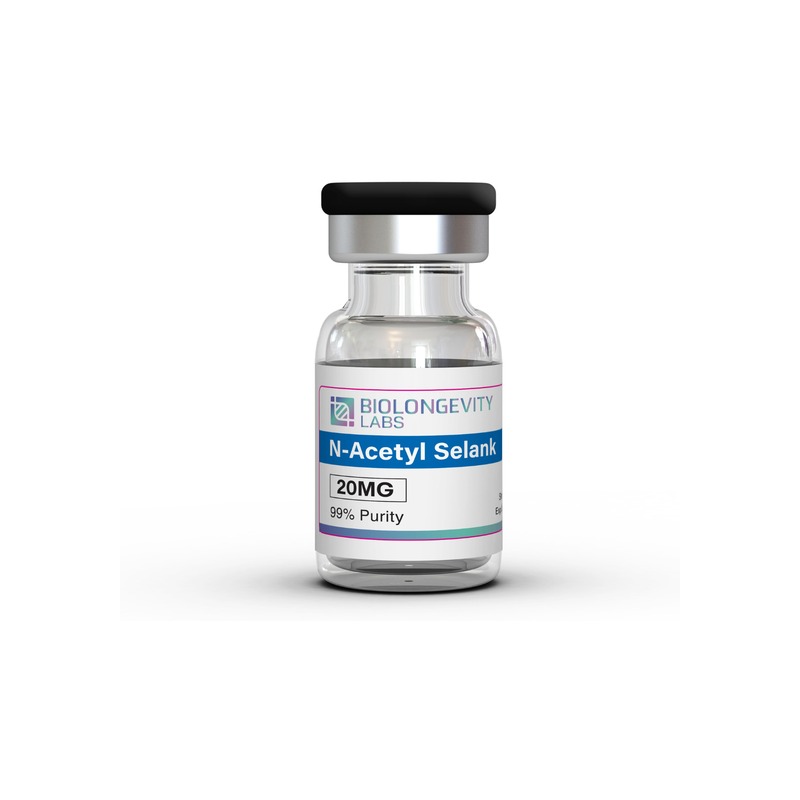 BioLongevity
N-Acetyl Selank Amidate 20 mg
LEE15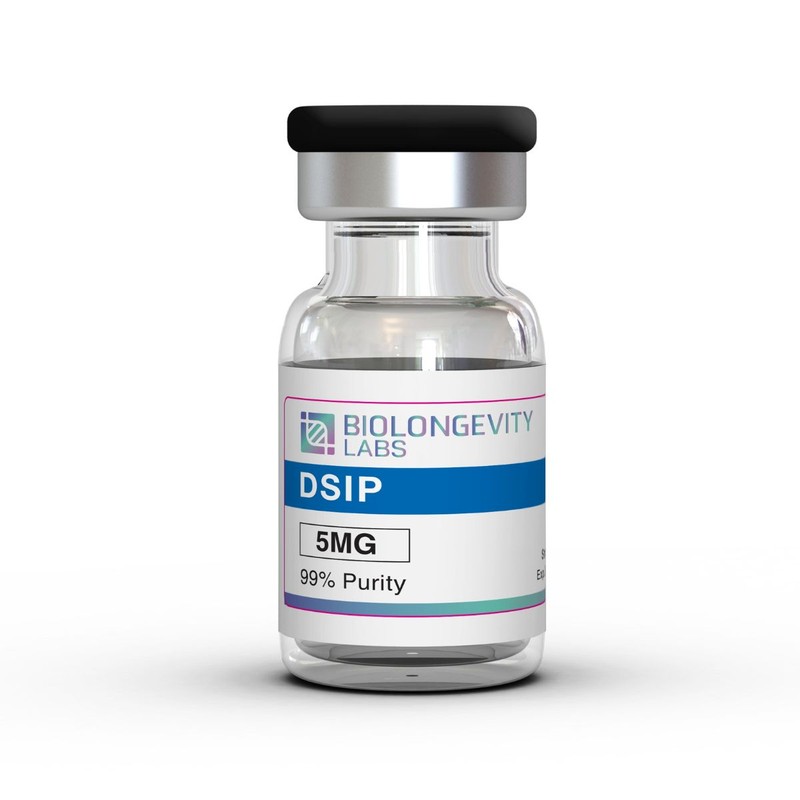 BioLongevity
DSIP 5 mg
LEE15Match the map to the curiosity. Do not collect bottles to “fix” sleep. Protect the night first.
Free guide
Get The Peptide PlaybookEnter your email and we’ll send the research PDF. Education only — not medical advice. No naked PDF chase.
I built Peptides & Pump so you can get foundation education without a guru tax. Sleep is one of those foundations. If you want the protocol library and member discussions after the basics are handled, that is Pro. If you are not ready to pay, use the free Knowledge Base first.
 Keep going on Peptides & Pump
Free is the community. Pro is where you master the research maps. Sleep first — then curiosity.
Free
Knowledge Base
The peptide community · 2,500+
- 2,500+ member peptide community
- Sourcing questions before you buy anything random
- The basics, from people actually using peptides
Pro
Peptides & Pump Pro
$10/mo · 7-day trial
- Science-backed protocol library
- 1-on-1 support from Lee and Matt
- Step-by-step video, plus a monthly $500 drawing
Semax map Selank map MOTS-c recovery Ipamorelin Sermorelin Peptide Playbook
Disclaimer. This article is for education only. It is not medical advice. It is not meant to diagnose, treat, cure, or prevent insomnia, sleep apnea, body-clock disorders, depression, or any other disease. Sleep-hygiene tips do not replace care from a qualified clinician. Do not use this page to self-treat breathing pauses, gasping, or severe daytime sleepiness. Talk with a qualified healthcare provider about ongoing sleep problems, especially if you have a medical condition or take prescription medicine. Peptides & Pump does not sell sleep drugs and does not run a sleep clinic.
2 Comments
Comments are closed.