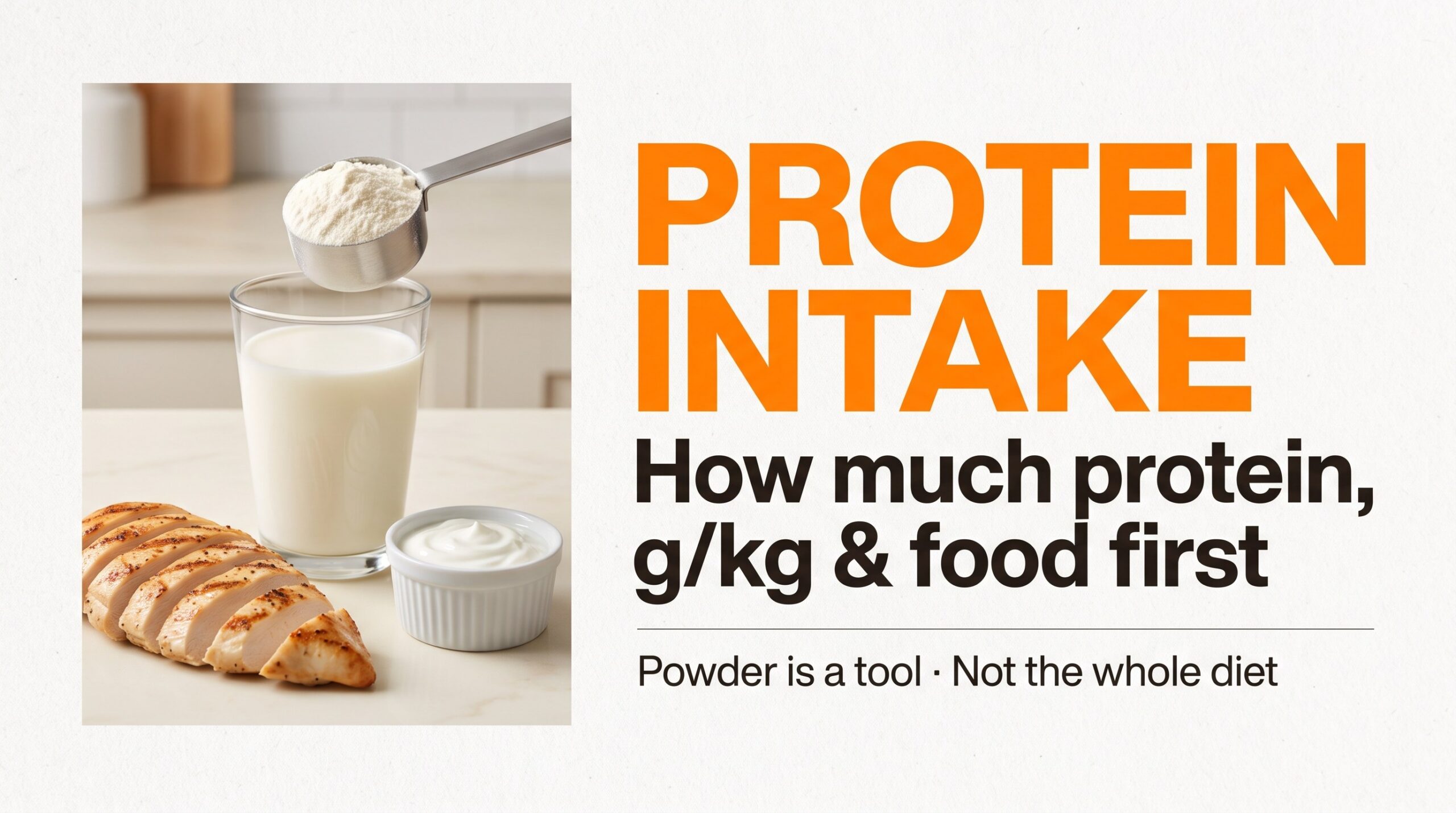
Protein Intake: How Much Protein, g/kg & Food First
Key takeaways
- Protein intake is a daily brick shipment for muscle repair, not a magic powder. Food first. A scoop is a tool when food falls short.
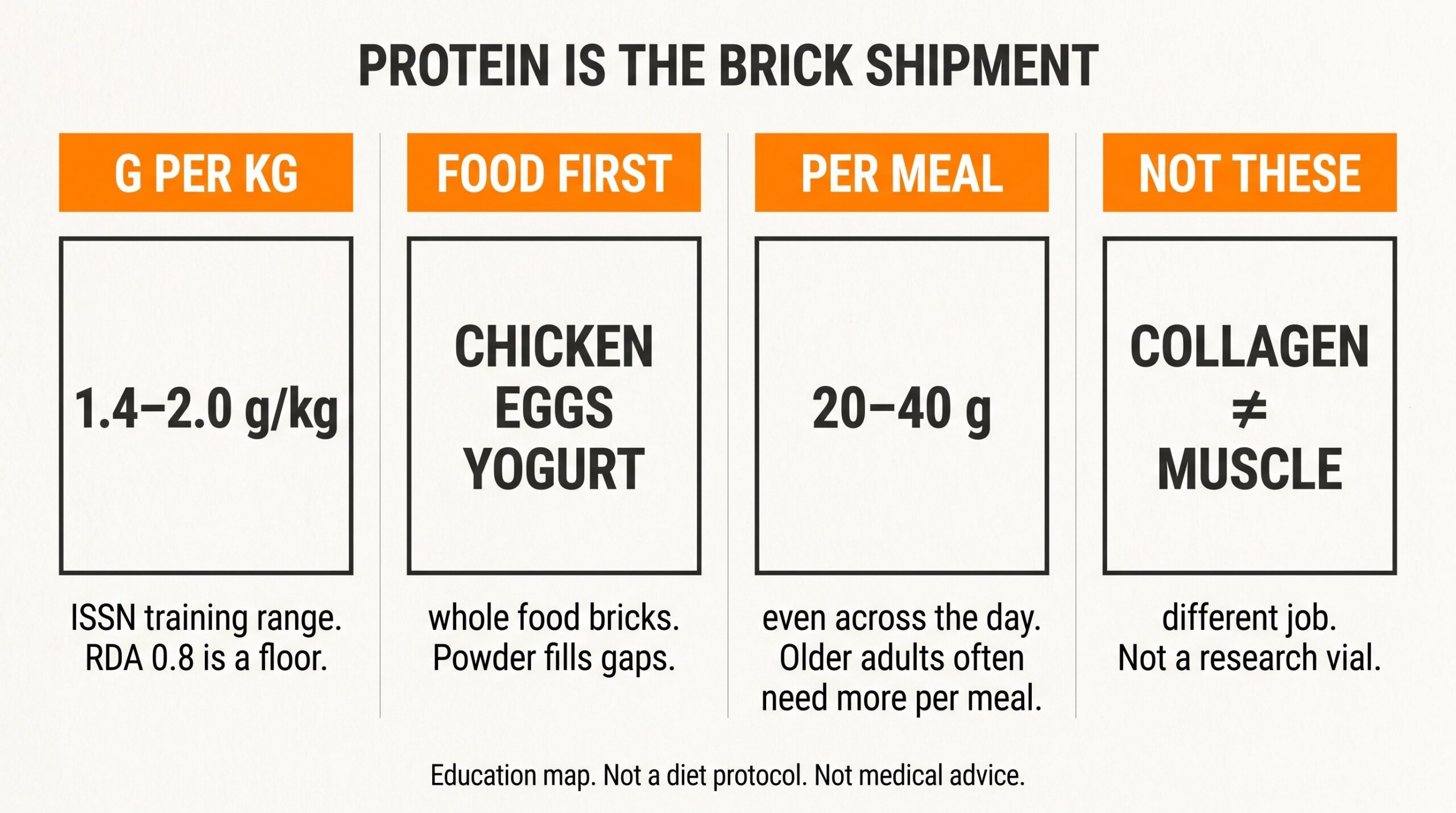
- The U.S. RDA of 0.8 g/kg is a deficiency floor for most adults, not a training target. The sports-nutrition file clusters around 1.4–2.0 g/kg for people who actually train.
- A big review of 49 trials found extra protein stopped helping fat-free mass gains around ~1.6 g/kg/day. That is a plateau, not a moral ceiling.
- Per meal, think 20–40 g of high-quality protein, spread through the day. Older adults often need a bigger relative dose per meal to get the same muscle-building signal.
- Collagen powder is a different job from whey or food protein for muscle. It is also not a research-catalog collagen-peptide vial. Keep those lanes separate.
- Foundation first. Soft peptide hubs on this site are adjacent research literacy — never “use peptide X instead of protein.”
People type protein intake like they need a secret stack.
Most of the time they need a number that matches their body size. Then they need a plate that can actually hit it. A tub of powder is optional. It is not the whole plan.
This page is the protein education map. How much protein. Grams per kilogram. Food first. Powder as a tool. Beginner clear. Citation backed. Start with Start Here if you are new to the site. Stay here if you want the grocery-aisle foundation before any research-catalog curiosity.
This is education. It is not medical advice. It will not diagnose kidney disease, treat a medical condition, or write a crash diet. If you have known kidney disease, take medicines that affect the kidneys, or have a clinician already watching your protein, talk with that clinician before you DIY a new intake plan.
What protein actually is
Beginner version: protein is food made of amino acids. Amino acids are the small building units your body uses to repair muscle, enzymes, and a lot of other tissue. You get them from meat, dairy, eggs, fish, soy, and other foods. You can also get them from a scoop.
Muscle is not a brick wall you finish once. It is a house under constant remodel. Training is the construction crew showing up. Protein intake is the brick shipment. If the crew shows up and the truck is empty, the remodel stalls. If the truck dumps bricks and nobody is working, you just have a pile in the yard.
That is the wow analogy. Not a miracle molecule. A daily delivery of bricks for a job that never really ends.
Stop-you stat: the official adult RDA is 0.8 grams of protein per kilogram of body weight per day. For an 180 lb person, that is about 65 grams. The International Society of Sports Nutrition’s 2017 protein position stand says 1.4–2.0 g/kg/day is enough for most exercising people who want to build or keep muscle. Same 180 lb person: about 115–164 grams. That is not a rounding error. That is a different meal plan.
Why this matters: a lot of “I eat enough protein” talk is the RDA floor wearing gym clothes. The floor keeps you from a deficiency. It is not the training target.
How much protein: the g/kg map
Search “how much protein” and you get two different jobs mixed together. One is “how much protein in an egg.” That is a food-label question. The other is “how much protein should I eat.” That is this page.
How sure are we? For healthy people who lift, confidence is high. Position stands. Meta-analyses. Decades of human work. This is not a one-lab rumor.
Three numbers to keep straight:
- 0.8 g/kg/day — the U.S. Recommended Dietary Allowance for most adults. Think deficiency floor, not performance target.
- 1.4–2.0 g/kg/day — ISSN’s range for most exercising people who want to build or keep muscle. That range also sits inside the Institute of Medicine’s broader acceptable protein band.
- ~1.6 g/kg/day — the plateau in a 2018 British Journal of Sports Medicine review of 49 randomized trials and 1,863 people. Extra protein above that did not keep adding fat-free mass from training in that pooled file. The confidence band around the breakpoint ran from about 1.0 to 2.2 g/kg. So some people may still benefit a bit higher. The average signal flattened near 1.6.
So what? If you train and you are sitting on 0.8 g/kg, you are probably leaving repair on the table. If you are already near 1.6–2.0 and chasing 3.0 because a reel said so, you are likely paying for expensive pee, not extra muscle. ISSN notes some novel work above 3.0 g/kg in trained people and body-composition angles. That is a thinner file. It is not the first lever for a regular trainee.
Convert pounds if you hate kilograms. Divide pounds by 2.2, then multiply by your g/kg target. An 150 lb person is about 68 kg. At 1.6 g/kg that is about 109 grams a day. An 200 lb person is about 91 kg. Same 1.6 target: about 146 grams.
These are population maps. They are not a lab result printed with your name on it.
Food first, powder as a tool
Why this matters: the protein-powder industry wants the scoop to be the hero. The research file does not. Total daily protein from food plus any supplement is what moves the needle. The powder is a convenient brick truck. It is not a better brick.
Rough teaching amounts. Labels vary. Check yours.
- About 3 ounces of cooked chicken breast: around 26 grams of protein
- Two large eggs: around 12 grams
- A typical 5–6 ounce cup of Greek yogurt: around 15–17 grams
- A cup of cottage cheese: often near 25 grams
- A standard whey scoop: often 20–25 grams. Read the tub. Do not trust the ad.
A day that hits 130 grams without a scoop is a chicken-and-dairy day, not a science experiment. A scoop earns its keep when you travel, train twice, or you simply will not eat another chicken breast. That is a tool. It is not a personality.
Plant eaters can hit the same g/kg map. You may need a bit more total food protein because some plant sources are lower in one or more essential amino acids. Soy is one of the stronger plant options in the acute muscle-protein file. Mix sources. Count the day. Do not panic about one meal of beans.
Per meal: the 20 to 40 gram band
Muscle protein synthesis is the repair-and-rebuild signal inside muscle. A meal of high-quality protein turns that signal up. It does not stay maxed all day from breakfast alone.
Classic lab work by Moore and colleagues gave young men 0, 5, 10, 20, or 40 grams of egg protein after a leg session. The rebuild signal rose with dose and flattened at 20 grams. Forty grams did not beat 20 grams in that setup. Extra amino acids got oxidized instead of stuffed into more muscle protein.
Witard’s group later fed whey after breakfast plus a leg session. Same story for young trained men around 80 kg. Twenty grams of whey maxed the myofibrillar rebuild signal. Forty grams raised amino-acid burn-off more than it raised extra muscle building.
Here is the Foolish caveat, because the 20-gram meme got too cocky. Those trials used leg-only work. After whole-body training, Macnaughton and colleagues saw 40 grams of whey beat 20 grams. Lean mass of the person did not explain the difference in that study. So what? Treat 20–40 grams per meal as a practical band. Smaller people and lighter sessions lean 20. Bigger people, older adults, and whole-body days can lean 30–40. It is not a law carved on a tub.
ISSN’s practical per-serving talk is about 0.25 g/kg of high-quality protein, or an absolute 20–40 grams, with a leucine content in the 700–3,000 mg neighborhood. Spread those meals every 3–4 hours if you can. The training “anabolic window” is not a 30-minute panic. The effect of a hard session lasts many hours. Total daily protein still wins the argument. Distribution is the polish.
Schoenfeld and Aragon later argued that spreading protein across at least four meals near 0.4 g/kg each is a clean way to hit a 1.6 g/kg day. That is a teaching heuristic. It is not a requirement to set an alarm for gram 27.
Older adults often need a bigger relative meal
Why this matters: a lot of mid-life and older searchers are told to “eat like a 22-year-old intern.” The muscle file says the opposite for the per-meal dose.
Moore’s 2015 pooled analysis found younger men maxed the rebuild signal around 0.24 g/kg per meal. Older men, around age 71, needed about 0.40 g/kg per meal to reach their plateau. Same job. Bigger relative shipment. Scientists call the blunted response anabolic resistance. Plain version: older muscle is harder to turn on with a small protein dose.
The PROT-AGE group recommended 1.0–1.2 g/kg/day for most adults over 65, and at least 1.2 g/kg if they are exercising. That is still a clinician conversation if kidney disease is in the chart. This page will not write a disease protocol. It will say the RDA 0.8 number is a weak target if your goal is keeping muscle with age.
How sure are we? Medium-high for the direction. The per-meal breakpoint study mixed datasets. PROT-AGE is a position paper, not a 50-trial mega-meta. The practical move is still simple. Do not make every meal a 10-gram yogurt and hope the day adds up. Put a real protein serving in each eating window.
When you are eating less
This is not a crash-diet page. It is not a contest-prep manual. If food feels like a fight, that is a clinician and a qualified nutrition professional, not a blog comment.
The honest sports-nutrition note is smaller than the influencer version. When calories drop, keeping lean tissue gets harder. Helms and colleagues reviewed lean, trained people in a calorie deficit and pointed toward higher protein, on the order of 2.3–3.1 g/kg of fat-free mass, scaled with how aggressive the deficit is. ISSN’s protein stand cites that same neighborhood for retaining lean mass when calories are low.
So what for a regular trainee who simply wants to lose some fat without wrecking gym progress? Hold protein near the top of the 1.6–2.2 g/kg band. Keep lifting. Do not slash food into a hero fast. Rate of loss matters more than a secret powder. This free page will not prescribe a cut.
Collagen is a different job
Collagen peptides are sold like muscle protein. They are not the same tool.
Oikawa and colleagues compared 30 grams of whey twice a day with 30 grams of collagen peptides twice a day in healthy older women. Whey raised muscle protein synthesis. Collagen did not match it, at rest or with training, over the acute window or the multi-day window. Collagen is low in leucine and incomplete as a muscle protein. Whey is not.
So what? If your goal is muscle repair, count collagen as a weak muscle protein. It may have a connective-tissue story. That story is a different page. Do not let a collagen tub pad your “protein intake” math the way chicken or whey would.
One more lane split, because this site also maps research peptides. Grocery-aisle collagen powder is not the same thing as a research-catalog collagen-peptide vial. Do not mix those shopping carts. This health page will not hero a vial.
Whey, casein, soy: quality without the brand war
Tang and colleagues compared whey, soy, and casein at matched essential amino-acid doses in young men. Whey won the acute muscle-protein signal, at rest and after lifting. Soy beat casein. Faster digestion plus leucine likely explain a chunk of that.
How sure are we? High confidence that protein quality and leucine matter for the next few hours. Lower confidence that you must buy a specific branded isolate to have a good year of training. Food still counts. A steak dinner is not “wasted” because it digests slower than a shake. The day still matters more than one kinetic curve.
Buy a powder that lists grams of protein you can verify, tests for what is on the label, and does not hide behind a proprietary blend. Whey isolate vs concentrate is mostly lactose and extra carbs/fat. It is not a new molecule. Casein is slower. It is a decent evening food protein. It is not magic anti-catabolic armor.
Common myths that waste your time
- “You can only absorb 30 grams per meal.” You absorb more than that. The muscle rebuild signal has a practical per-meal plateau. Extra amino acids still get used by the rest of the body. They are not flushed unabsorbed like a clogged drain.
- “The RDA is the training target.” No. 0.8 g/kg is a floor. ISSN’s training range is roughly double for many lifters.
- “More is always more.” Morton’s pooled file flattened near 1.6 g/kg for fat-free mass gains with training. Chasing 300 grams a day is usually a calorie and budget problem, not a hypertrophy hack.
- “A peptide vial replaces this.” No. Foundation first. Research maps later.
- “Collagen counts the same as whey for muscle.” The head-to-head older-women file says it does not.
- “If I miss the post-workout shake, the session dies.” The session lasts. Eat protein that day. Stop treating a 30-minute window like a shot clock.
Who should pause and talk to a clinician
Protein intake is low YMYL compared with disease pages. It is not zero risk for every person.
- Known kidney disease, or a clinician already setting a protein limit
- Medicines that change kidney handling or protein needs
- Unexplained swelling, big lab shifts, or other red-flag symptoms — get care, do not crowdsource
- Pregnancy and postpartum: needs change; this free page will not write that protocol
- If eating itself has become a fight, get qualified help. This page will not coach restriction.
Healthy adult trainees are the population most of the sports-nutrition file discusses. That is not a license to ignore your own medical context.
Where peptide research maps sit (foundation first)
Peptides & Pump is a peptide education site. Protein is still foundation.
If you later read muscle or recovery research maps, start with peptides for muscle growth, then Ipamorelin, CJC-1295 + Ipamorelin, and Sermorelin as research literacy — not as a swap for chicken, yogurt, or a whey scoop. The GH-secretagogue map is adjacent curiosity after the plate is handled.
Hard line: this page will never say “use peptide X instead of protein.” Grocery-aisle fundamentals first. Research catalogs second. Clinicians for disease.
New to the format? What are peptides and how to reconstitute peptides are the on-ramps. Creatine foundation lives on creatine benefits. Sleep foundation lives on how to sleep better.
A simple protein intake decision framework
Education. Not a prescription.
- Pick a g/kg band, not a random gram number from a reel. Most healthy trainees land near 1.4–2.0 g/kg. Many will be fine near 1.6.
- Hit it with food first. Count a few days of real meals before you buy a third tub.
- Use powder as a gap tool. 20–25 grams in a pinch. Not a personality.
- Spread 20–40 gram meals. Older adults, lean toward the higher end of that band per meal.
- Do not count collagen as muscle protein. Different job. Different cart from research vials.
- Still curious about research peptides later? Read the muscle hubs as maps. Do not treat a vial catalog as your first lever.
Selected references (research framing)
Verified starting points. Not a protocol. Not a drug label. Not permission to self-treat kidney disease or write a crash diet.
- ISSN protein and exercise position stand, 2017 — PubMed 28642676
- Morton protein-supplementation meta-analysis and ~1.6 g/kg plateau, 2018 — PubMed 28698222
- Moore egg-protein dose response after lifting, 2009 — PubMed 19056590
- Witard whey 20 g vs 40 g after a meal plus lifting, 2014 — PubMed 24257722
- Macnaughton 40 g vs 20 g after whole-body lifting, 2016 — PubMed 27511985
- Moore relative per-meal dose, older vs younger men, 2015 — PubMed 25056502
- PROT-AGE older-adult protein position paper, 2013 — PubMed 23867520
- Schoenfeld and Aragon per-meal distribution review, 2018 — PubMed 29497353
- Helms protein during calorie restriction in lean trained people, 2014 — PubMed 24092765
- Oikawa whey vs collagen peptides for muscle protein synthesis, 2020 — PubMed 31919527
- Tang whey vs soy vs casein acute muscle protein synthesis, 2009 — PubMed 19589961
- Institute of Medicine Dietary Reference Intakes, protein RDA 0.8 g/kg — National Academies DRI volume
Read primary sources. Do not treat a PubMed ID as a shopping list.
The bottom line
Protein intake, for most healthy people who train, is boring on purpose. Pick a g/kg band. Hit it with food. Use powder when the plate cannot. Spread decent meals. Do not let collagen or a peptide catalog fake the math.
The sports-nutrition file is older and deeper than the influencer stack. Peptide research maps stay linked as adjacent curiosity after foundation — never as a protein replacement pitch.
If you need the beginner peptide on-ramp after this, use Start Here, what are peptides, then the muscle map on peptides for muscle growth when curiosity is actually about those files.
Related research maps (after protein foundation)
Protein intake first. Food, a real g/kg band, and consistent training beat any catalog. When the plate is already handled — and curiosity is actually about growth-hormone secretagogue research files — some readers want adjacent research literacy on Ipamorelin, the CJC / ipa stack, and Tesamorelin. That is curiosity after the bricks, not a swap for chicken or whey.
Hard line: these are research-catalog maps next to the protein page. They are not “peptides instead of protein,” not a muscle drug stack, and not a reason to skip a clinician when kidney history or labs are not simple.
Start with the maps: Ipamorelin, CJC-1295 + Ipamorelin, Tesamorelin, plus the class hub on peptides for muscle growth. Partner vials below are for readers who already earned the base and still want the research SKU conversation.
Research-catalog SKUs currently live on partner audits (not a treatment recommendation).
 Limitless
Ipamorelin
LEE20 Limitless
Ipa + CJC no DAC
LEE20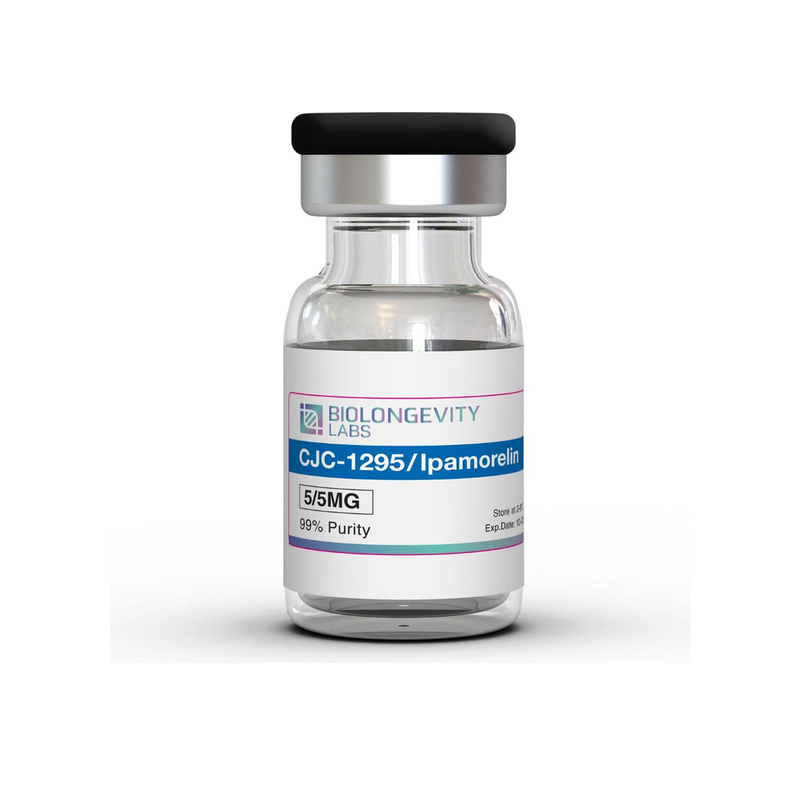 BioLongevity
CJC / Ipa blend 10 mg
LEE15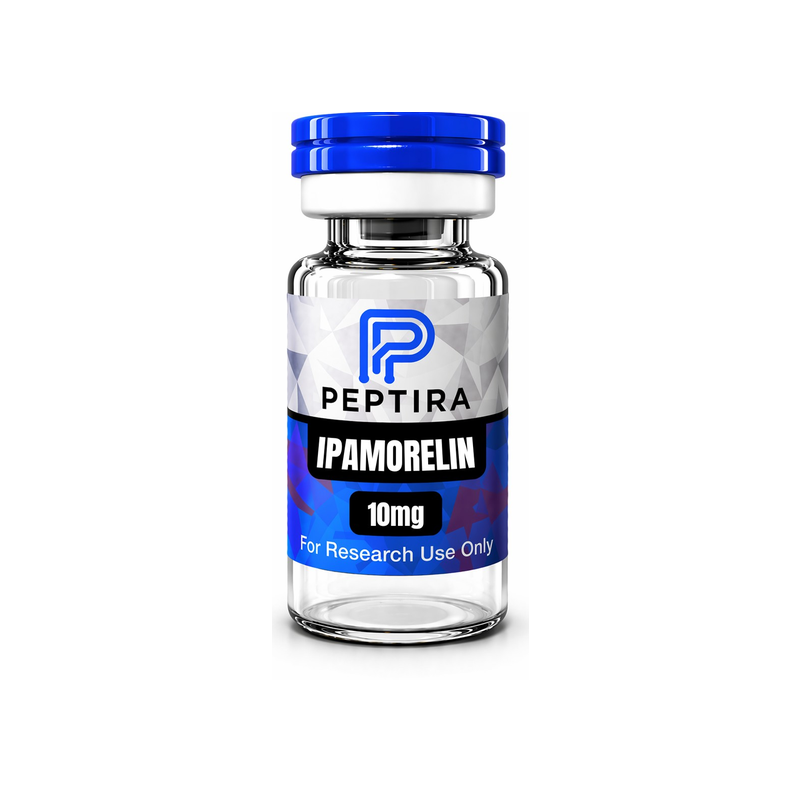 Peptira
Ipamorelin
LEE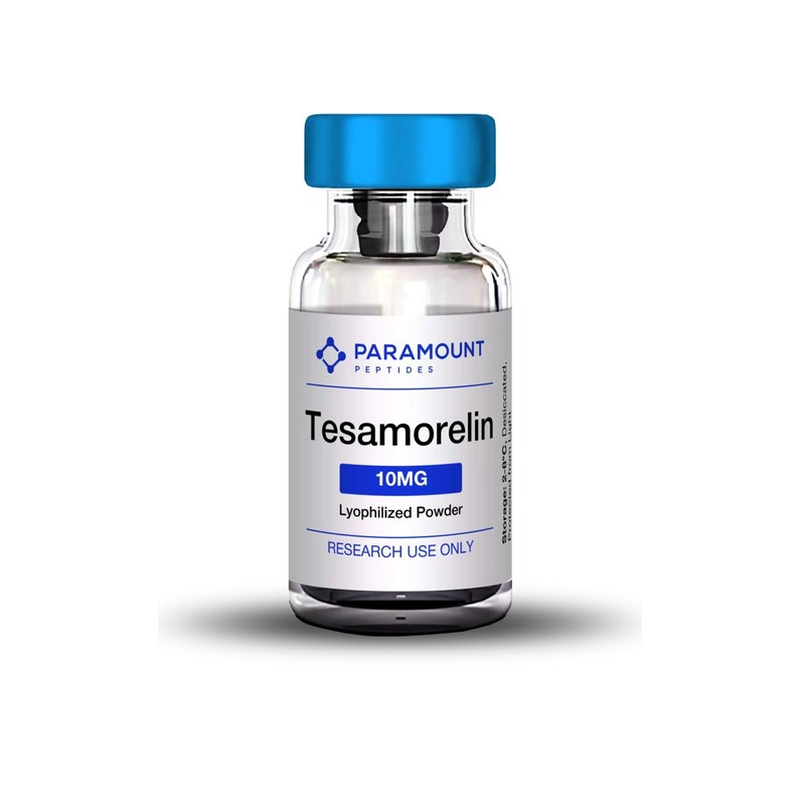 Paramount
Tesamorelin 10 mg
LEE10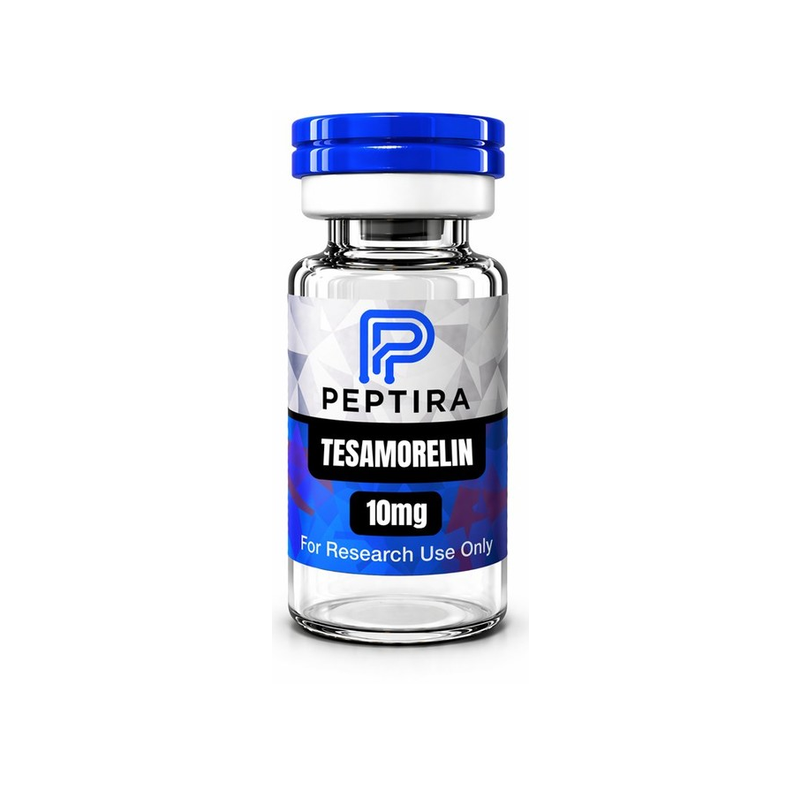 Peptira
Tesamorelin
LEEMatch the map to the curiosity. Do not collect bottles to fake the protein math. Hit the plate first.
Free guide
Get The Peptide PlaybookEnter your email and we’ll send the research PDF. Education only — not medical advice. No naked PDF chase.
I built Peptides & Pump so you can get foundation education without a guru tax. Protein intake is one of those foundations. If you want the protocol library and member discussions after the basics are handled, that is Pro. If you are not ready to pay, use the free Knowledge Base first.
 Keep going on Peptides & Pump
Free is the community. Pro is where you master the research maps. Protein first — then curiosity.
Free
Knowledge Base
The peptide community · 2,500+
- 2,500+ member peptide community
- Sourcing questions before you buy anything random
- The basics, from people actually using peptides
Pro
Peptides & Pump Pro
$10/mo · 7-day trial
- Science-backed protocol library
- 1-on-1 support from Lee and Matt
- Step-by-step video, plus a monthly $500 drawing
Muscle peptides map Ipamorelin CJC + Ipamorelin Sermorelin Creatine benefits Peptide Playbook
Disclaimer. This article is for education only. It is not medical advice. It is not meant to diagnose, treat, cure, or prevent kidney disease, sarcopenia, eating disorders, or any other disease. Protein education does not replace care from a qualified clinician. Do not use this page to self-treat abnormal labs or known kidney disease. Talk with a qualified healthcare provider about diet and supplement decisions if you have a medical condition, take prescription medicine, are pregnant, or are postpartum. Peptides & Pump does not sell protein powder and does not run a clinic.


One Comment
Comments are closed.