Tesofensine: Triple Reuptake Research Map (Not a Diet Drug)
Key takeaways
- Verdict: Tesofensine is a triple monoamine reuptake inhibitor research map. It sat in obesity drug trials. It is not a free-site DIY fat-loss protocol. It is not an FDA-approved weight-loss drug.
- How it works in one line: Think of appetite signals as cars on a highway. Tesofensine is studied as three traffic cops that slow how fast those cars leave the road.
- Your next step: learn the three doors (research shelf vs doctor care vs basics). Treat partner listings as research options with codes that fire. Never treat them as a back door to a labeled obesity drug.
Verdict up front: Tesofensine is worth understanding if you keep seeing “NS2330,” “triple reuptake,” or old Lancet obesity trial clips. It is not worth treating a research bottle or tablet blend like Wegovy or Zepbound. This free page will not hand you a public dose chart.
Real Phase 2 human data. Real monoamine pathway science. Real partner rows that put “tesofensine” on a tracked sheet. Zero honest path from “I bought a research listing” to “I just ran a Danish Phase 2 protocol from social media.”
Keep reading if you typed tesofensine, NS2330, triple monoamine, or “is this the old weight-loss pill people still talk about” and want the map without guru noise. Skip if you want a public dose chart. Skip if you want a claim that a research product treats obesity or type 2 diabetes. Skip if you want a reason to skip protein, sleep, Zone 2, and doctor care. Those asks belong in Pro or a real clinic — not a free ranking page.
Day-one basics still live on Start Here and what are peptides. Nearby maps when you finish here: cagrilintide, retatrutide, tirzepatide vs semaglutide, AOD-9604, peptides for weight loss, SLU-PP-332, 5-Amino-1MQ, Dihexa, protein intake, Zone 2 training, and how to sleep better.
Teaching only. Not medical advice. A research-shelf tesofensine product is not an FDA-approved drug for obesity, diabetes, or “appetite in a bottle.” It is not a green light to skip a doctor. When people oversell “the forgotten weight-loss pill.”
What is tesofensine?
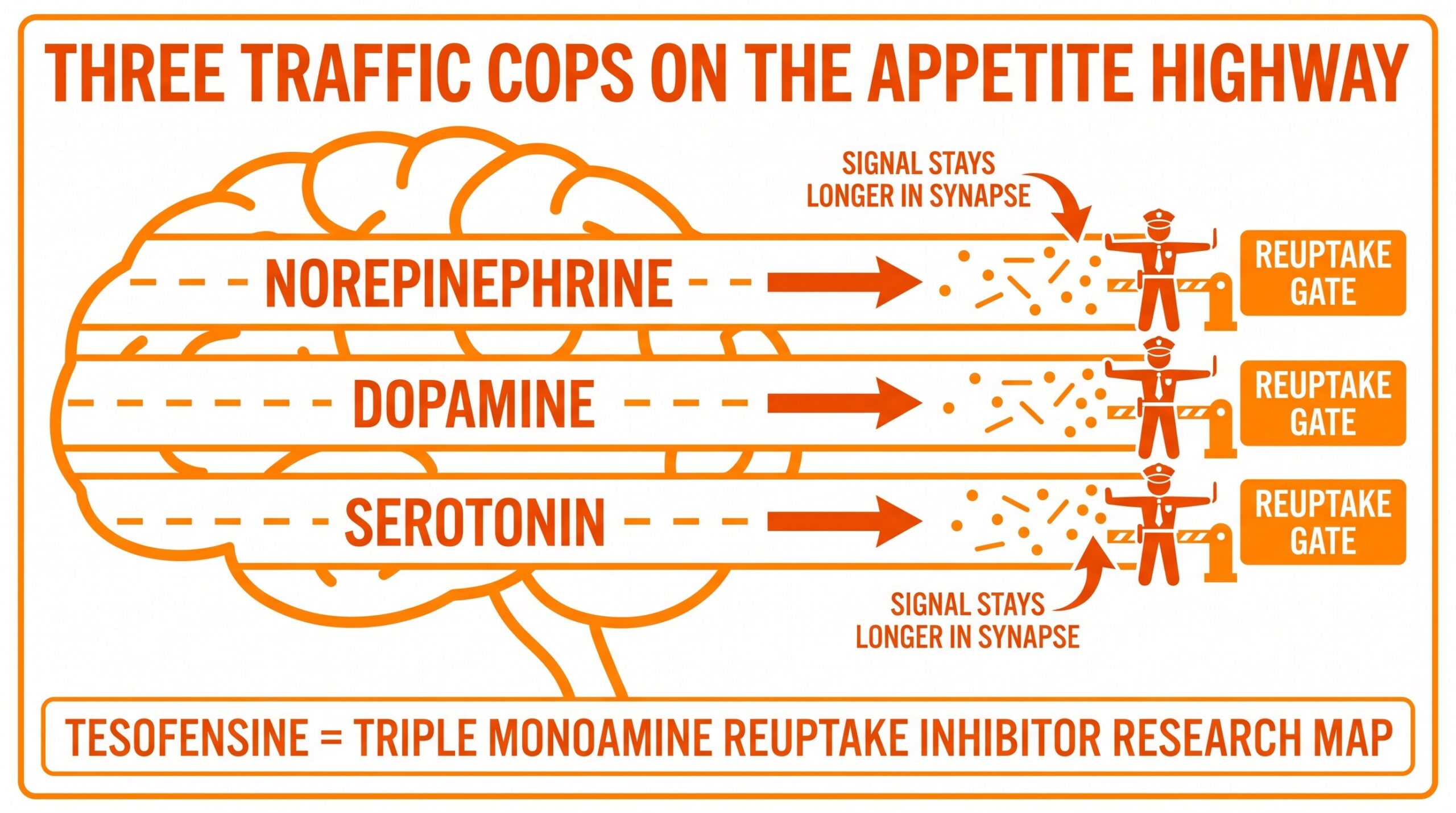
Start with the plain name. Tesofensine is a lab-made small molecule. Researchers built it to block the reuptake of three brain messengers at once. Those messengers are norepinephrine, dopamine, and serotonin.
Reuptake is the cleanup step. Nerve cells release a messenger. Then they scoop it back up. A reuptake inhibitor slows that scoop. The signal hangs around longer. That is the map. Not magic.
You will also see the code NS2330 in older papers. Same research neighborhood. Different naming eras. Early work chased Parkinson’s and Alzheimer’s angles. Weight change showed up as a side finding. Then obesity trials followed.
It is not a GLP-1. Semaglutide hits GLP-1 dock sites. Tirzepatide hits GIP and GLP-1. Cagrilintide is an amylin copy. Tesofensine sits in the monoamine reuptake lane. Shared Instagram “weight loss” aisle. Different target.
Why this matters: forums mash tesofensine into “just another GLP-1 cousin.” It is not. Wrong map. Wrong confidence story.
So what for you: if a sales page never says monoamine or reuptake out loud, it is selling vibes.
The traffic-cop analogy (one mechanism picture)
Here is the only picture I want stuck in your head.
Think of appetite and drive signals as cars on a highway. After a signal fires, cleanup crews pull those cars off the road. That cleanup is reuptake.
Tesofensine is studied as three traffic cops. One for norepinephrine. One for dopamine. One for serotonin. They slow how fast those cars leave. The signal lasts longer in the research story.
How sure are we? Pretty sure tesofensine is a real named triple monoamine reuptake inhibitor in human obesity trials. Pretty sure a 2008 Lancet Phase 2 paper reported large mean weight changes versus diet-plus-placebo. Less sure that every forum “teso” listing matches the trial tablets and trial rules. Not sure at all that a research catalog equals an FDA obesity label.
Why this matters: if you cannot explain “three cleanup gates vs GLP-1 dial vs shelf bottle” in one sentence, you are not ready to open a cart.
So what for you: ask for the reuptake story before you ask for a price.
The stop-you number (and what it is not)
The cleanest “this pathway is not a cartoon” line is not a forum screenshot. It is a Phase 2 number with a confidence label.
In a 2008 Lancet Phase 2 trial, adults with obesity got diet help plus placebo or tesofensine once a day for 24 weeks. Diet plus placebo showed about 2.0% mean weight change. Diet plus 0.5 mg tesofensine showed about 9.2% mean weight change. Higher doses moved more. Dry mouth, gut changes, sleep changes, and a heart-rate bump showed up in the safety talk.
Say that out loud. A named Phase 2 signal in a real human trial. Not a US drug label on a research listing you found online.
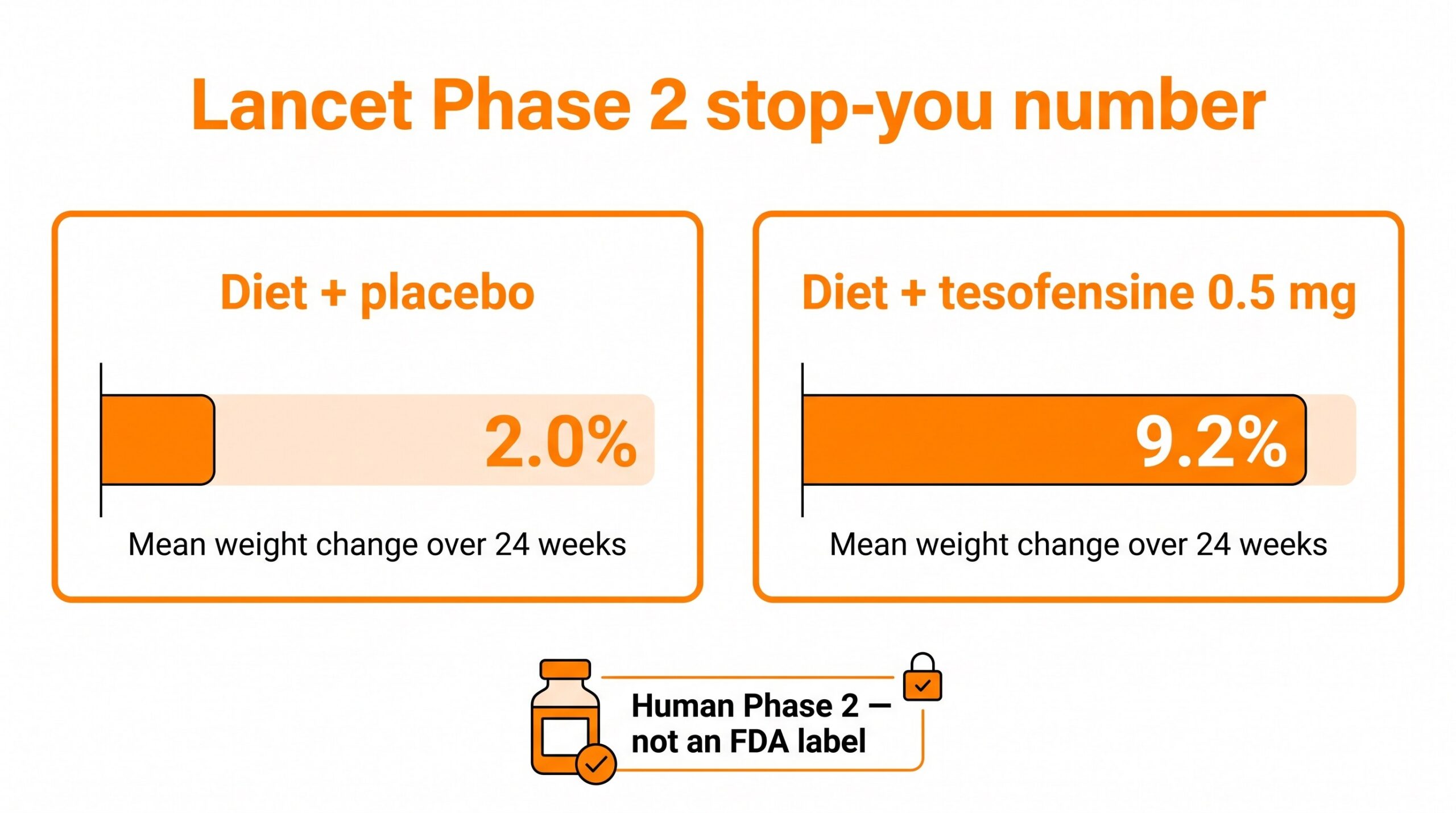
Why this matters: the stop-you detail is that tesofensine has a serious human Phase 2 stack. The confidence for “my research listing is just homemade Lancet protocol” is still zero.
So what for you: be impressed by the map. Do not confuse a chemical tool with a prescription pad.
Evidence limits (say this out loud)
Most honest teaching still rests on Phase 2 obesity work, earlier neuro trial weight findings, and animal mechanism papers. Phase 3 confirmation was the open ask in that Lancet write-up. There is no path on this free page that turns a research listing into an FDA-approved obesity sticker.
That does not make the science fake. It makes the confidence level clear. Human Phase 2 is useful. It is not your calorie plan. It is not your blood-pressure plan. It is not green light to skip a doctor. When heart rate, blood pressure, mood meds, or sleep issues are in the mix.
Also hold the shelf-vs-paper gap. Social media sells “the forgotten Ozempic.” PubMed studies a triple reuptake inhibitor under trial rules. Same molecule idea. Different sales story. Honesty needs both sentences.
Why this matters: health pages get punished when they blur “interesting research chemical” into “treat yourself.”
So what for you: if someone has uncontrolled blood pressure, heart rhythm questions, mood disease, pregnancy questions, or odd weight loss, this page is not the tool. Get human help.
Research SKU vs doctor care vs basics
Three doors. Same metabolic curiosity online. Different jobs.
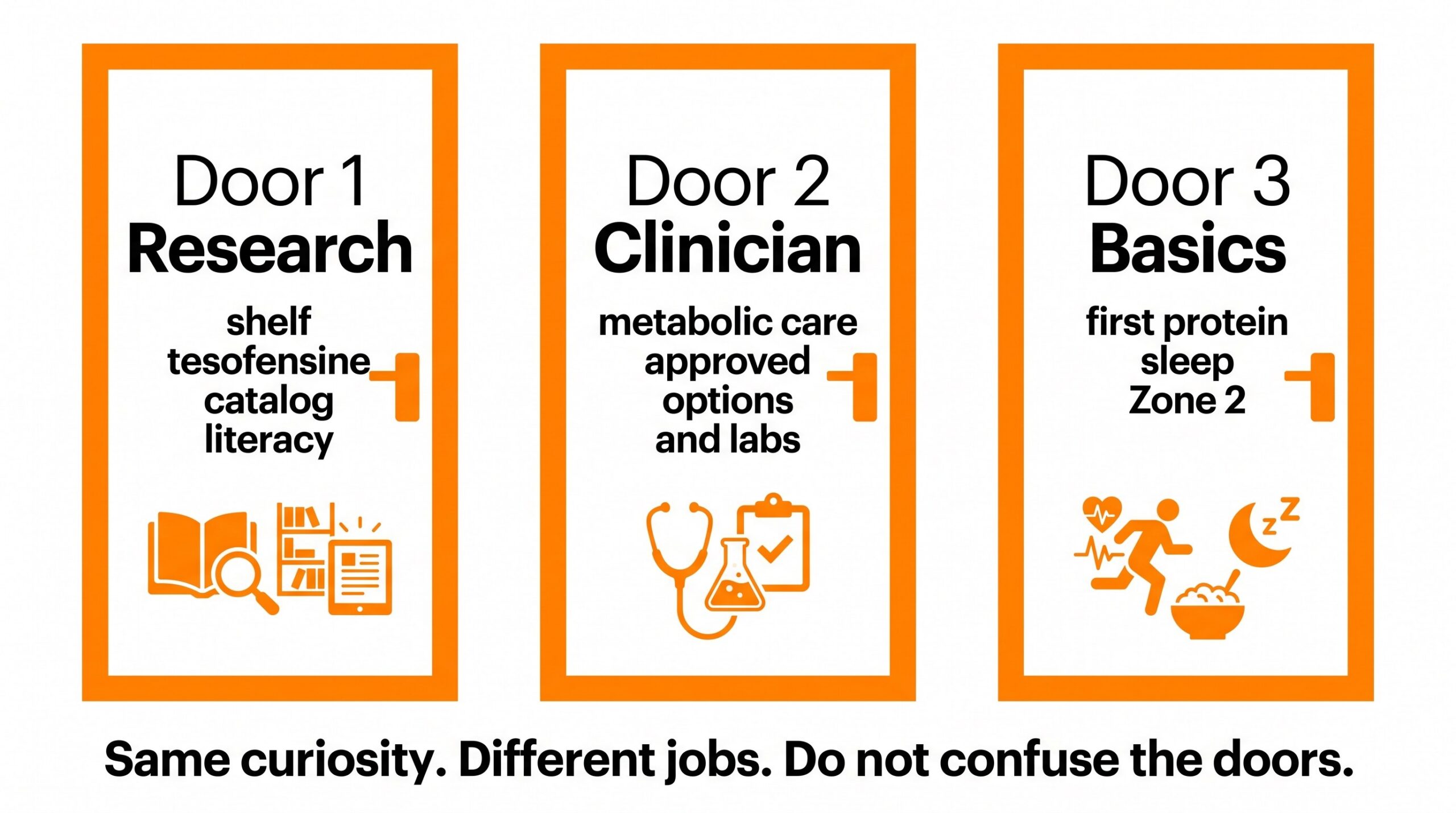
Door 1 — Research shelf tesofensine. Partner shelves can list a tesofensine research SKU or a blend that names tesofensine next to other research compounds. That is a convenience and a certificate story. It is not FDA-approved metabolic medicine. It is not a pharmacy-mixed Rx by default.
Door 2 — Doctor metabolic care. Real obesity, diabetes, blood-pressure, and med care belong with a doctor. That person can discuss approved options, labs, and side effects. A monoamine research map does not replace that door.
Door 3 — Basics. Protein that covers the basics. Sleep that recovers. Zone 2 you can actually sustain. Body-weight habits that matter long before a hype bottle. See protein intake, how to sleep better, and Zone 2 training.
Why this matters: most money gets wasted when people buy Door 1. While wanting Door 2 outcomes and skipping Door 3.
So what for you: pick the door that matches your actual question before you open a cart.
Tesofensine vs GLP-1s / cagrilintide / AOD-9604 / Dihexa blends
Same Instagram “weight loss” shelf. Different jobs.
- Tesofensine — triple monoamine reuptake inhibitor. Appetite and drive lane in older obesity trials.
- Semaglutide / tirzepatide — GLP-1 (and dual) drugs with approved branded products in clinic lanes. See tirzepatide vs semaglutide.
- Cagrilintide — long-acting amylin copy. Meal-brake lane. See cagrilintide.
- Retatrutide — triple on-switch research map. See retatrutide.
- AOD-9604 — HGH-fragment fat-loss research map. See AOD-9604.
- Dihexa blends — some partner tablets put tesofensine next to Dihexa. That is a catalog pairing, not proof the Lancet trial used that stack. See Dihexa.
Why this matters: stacking nicknames is how people buy five bottles for one unanswered question.
So what for you: pick the map that matches the mechanism you actually care about.
Myths that waste money
- “It is just a stronger GLP-1.” Different dock family. Different evidence stack.
- “A research blend is the Lancet tablet.” Trial drugs follow trial rules. A shelf blend is not that label.
- “Phase 2 means I can dose myself from a forum.” Trial protocols are supervised. Free pages are maps.
- “Heart rate bumps in papers are no big deal.” Heart-rate and blood-pressure talk is a doctor talk, not a caption.
- “More bottles beat better protein and sleep.” Basics still outrank meme chemistry for most readers.
Why this matters: myth stacks are how health pages get people hurt and domains get punished.
So what for you: keep the monoamine curiosity. Kill the Marvel script.
Partner research options (codes in the links)
Education first. You already got the map. Named partner tesofensine pages move in and out of clean public access. Below are InStock research options with codes that fire, plus adjacent weight-loss maps. Research-use catalog pages only. Not a treatment claim. Not a treatment pitch for obesity.
Tesofensine research listing + adjacent metabolic maps
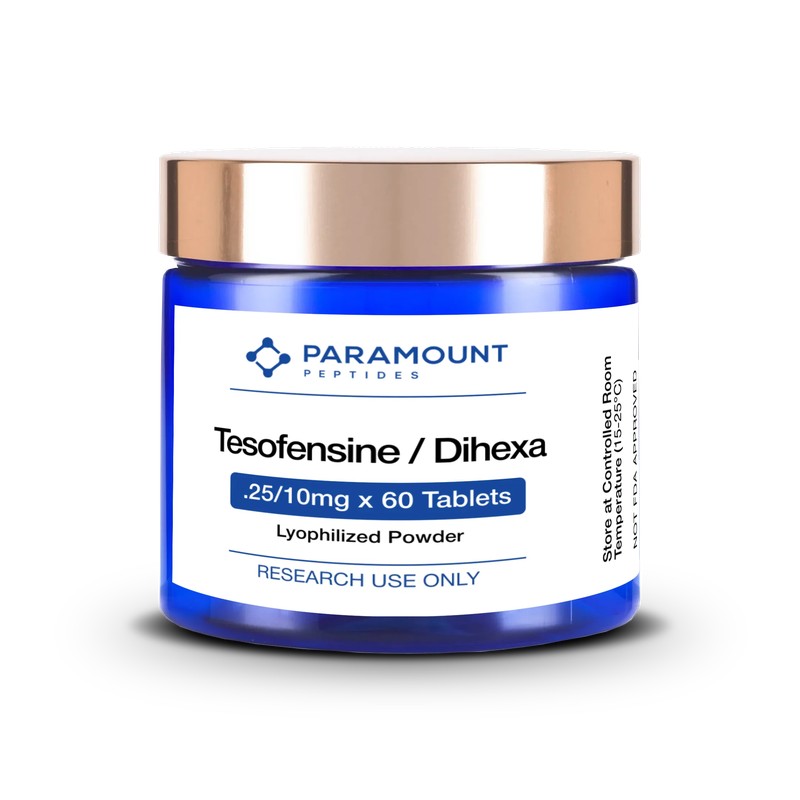 Paramount
Tesofensine / Dihexa tablets
LEE10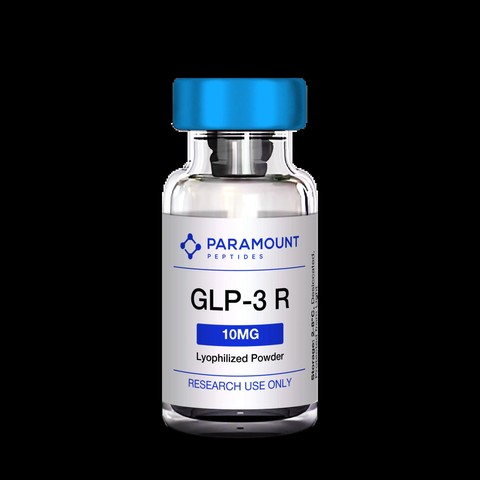 Paramount
Triple Regulator / GLP-3 R
LEE10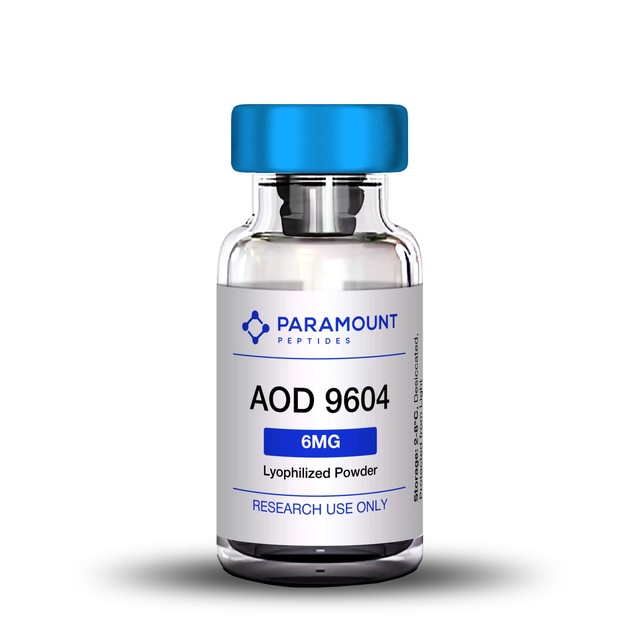 Paramount
AOD-9604
LEE10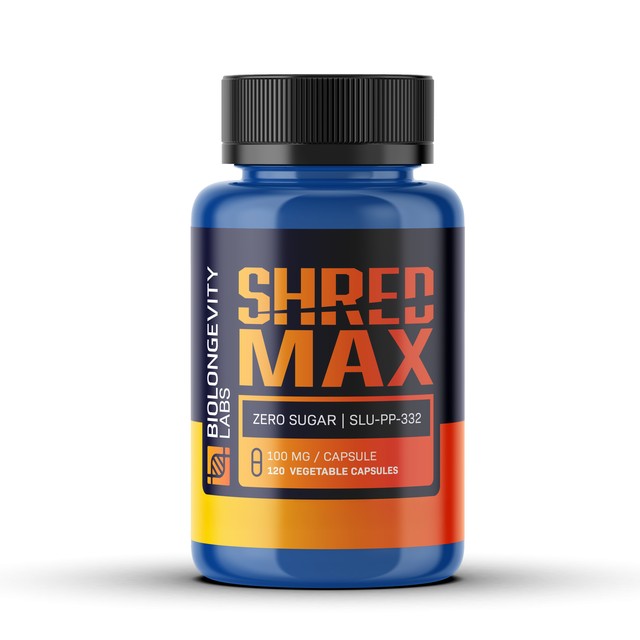 BioLongevity
ShredMAX (SLU-PP-332)
LEE15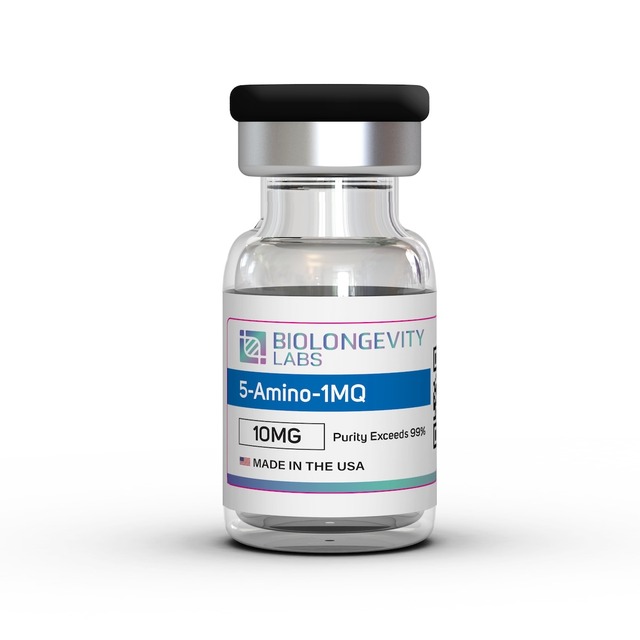 BioLongevity
5-Amino-1MQ 10 mg
LEE15Tesofensine / Dihexa · LEE10 Brain Blend (Dihexa / Teso / BPC) · LEE10 AOD-9604 · LEE10 ShredMAX · LEE15
Limitless lists a tesofensine capsules row on the tracked sheet, but the public product page was not cleanly reachable this pass — home chip only, not heroed as InStock. Keep tracked homes handy: Limitless LEE20, Paramount LEE10, Peptira LEE, S1 LEE10, and BioLongevity LEE15.
How to think about next steps
If your real goal is better body-comp habits, start with Door 3. Protein and sleep beat a bottle you cannot explain. If your real goal is metabolic disease care, start with Door 2. If your real goal is understanding why tesofensine still shows up in old trial clips and research catalogs, Door 1 literacy is fine — after the reuptake map makes sense.
Pro goes deeper on stacks, timing frameworks, and how to read a COA without getting conned. The free page’s job is the map.
Why this matters: next steps that match the door save money and cut health-page risk.
So what for you: write down your actual question in one sentence before you click a code.
Key takeaways (echo)
- Tesofensine is a triple monoamine reuptake inhibitor. It is not a GLP-1. It is not an pharmacy pen on this page.
- The best one-line picture is three traffic cops on the appetite highway. They slow cleanup of norepinephrine, dopamine, and serotonin signals.
- Evidence for the trial drug is serious Phase 2 human data. Basics and doctor care still outrank hype bottles for most readers.
Get the Peptide Playbook
Free email map for how to think about research peptides without the guru noise. No naked PDF dump — just the Playbook form.
Sources & Further Reading
- Astrup A, et al. Effect of tesofensine on bodyweight loss, body composition, and quality of life in obese patients: a randomised, double-blind, placebo-controlled trial. Lancet. 2008. PMID 18950853
- Astrup A, et al. Weight loss produced by tesofensine in patients with Parkinson’s or Alzheimer’s disease. Obesity. 2008. PMID 18356831
- Bello NT, Zahner MR. Tesofensine, a monoamine reuptake inhibitor for the treatment of obesity. Curr Opin Investig Drugs. 2009. PMID 19777399
- Hansen HH, et al. The novel triple monoamine reuptake inhibitor tesofensine induces sustained weight loss and improves glycemic control in the diet-induced obese rat. Eur J Pharmacol. 2010. PMID 20385125
- Perez CT, et al. Tesofensine, a novel antiobesity drug, silences GABAergic hypothalamic neurons. 2024. PMID 38656972
- Doggrell SA. Tesofensine—a novel potent weight loss medicine (Lancet 2008 evaluation). Expert Opin Investig Drugs. 2009. PMID 19548858
Educational research map only. Not medical advice. Not FDA-approved treatment claims. Partner links may earn a commission. Codes live in the links.