HRV Explained: What Heart Rate Variability Means and How to Use It
Key takeaways
- Verdict: HRV is the beat-to-beat flex in your heart timing — a recovery and stress signal, not a disease diagnosis and not a peptide target.
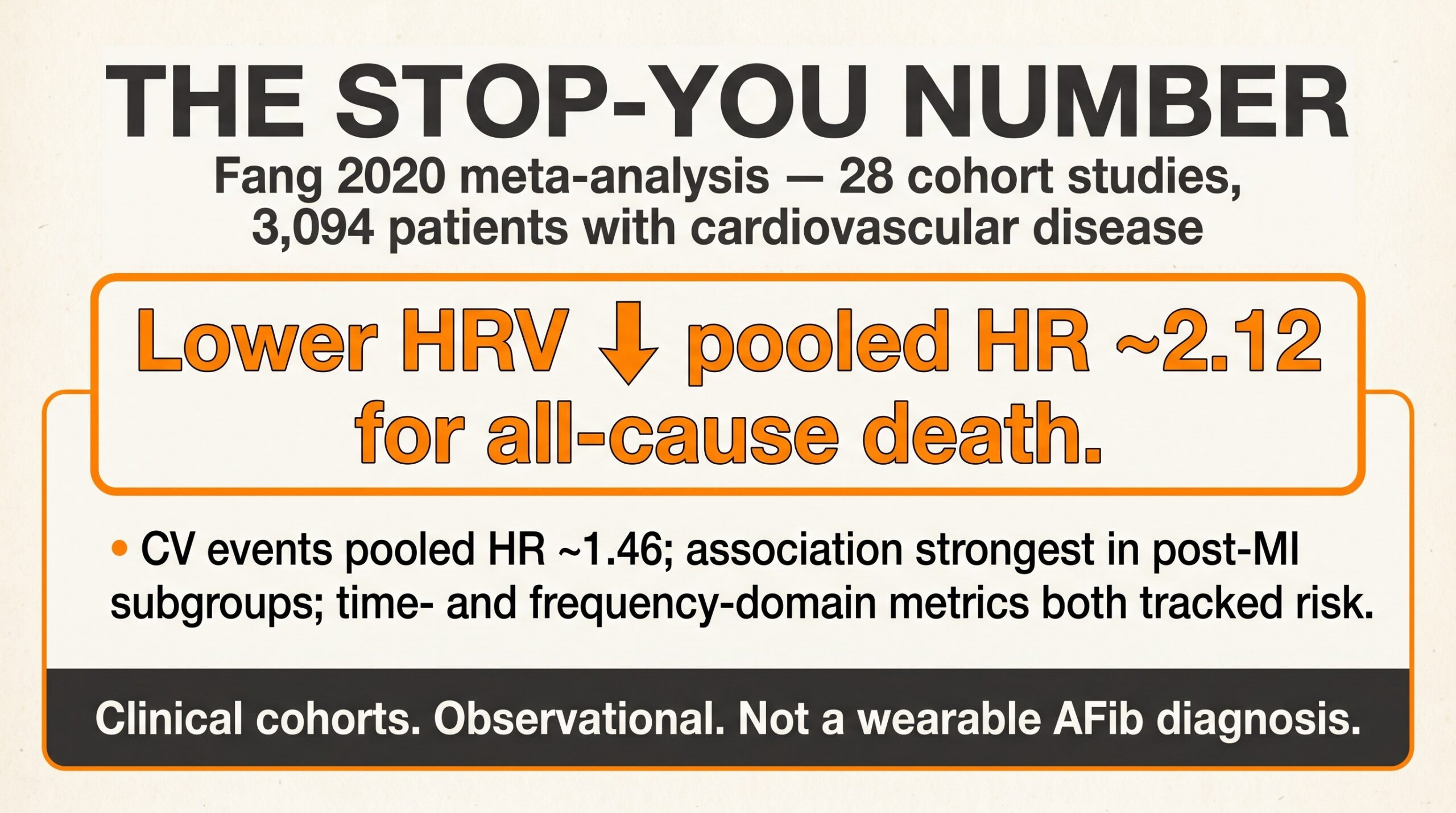
- Stop-you frame: across 28 cardiovascular cohorts (3,094 patients), lower HRV tracked roughly a doubled adjusted risk of all-cause death (pooled HR ~2.12; Fang 2020).
- Your next step: read multi-day trends under honest conditions, protect sleep and easy aerobic base, and keep vials off this page as an “HRV raiser.”
Verdict up front: HRV is worth watching if you train, travel, drink, or under-sleep. It is not worth turning into a panic score, an AFib self-triage tool, or a reason to buy a research vial.
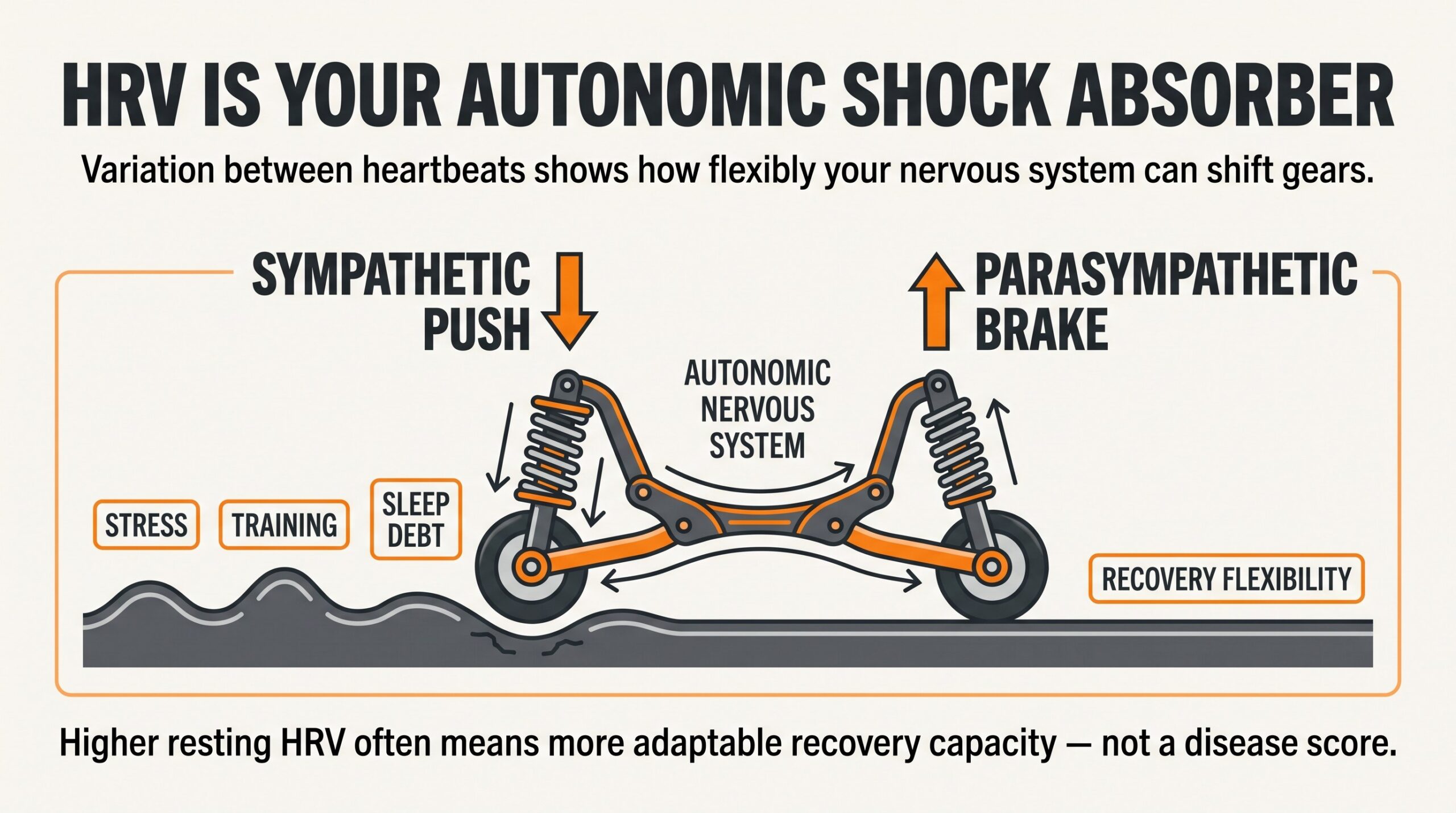
Think shock absorber, not scoreboard. A healthy nervous system can shift between push and brake. That flexibility shows up as small changes in the time between heartbeats. When the absorber stiffens, the same training load can feel heavier. Sleep debt, alcohol, illness, and hard blocks often show up before your ego admits it.
Keep reading if you want the plain-English map: what HRV actually measures, how labs and wearables differ, what the mortality papers can and cannot justify, and how to use the signal without becoming a dashboard hostage. Skip if you want a heart-rhythm diagnosis, a disease-cure claim, or a peptide stack “for HRV.” Those asks do not belong on this free education page.
Day-one site basics live on Start Here. Adjacent foundations: how to sleep better, Zone 2 training, sauna benefits, VO2 max, creatine benefits, and protein intake. Stress and cognitive research curiosity can wait on Semax and Selank — as literacy, never as an HRV drug.
Education only. Not medical advice. Not a treatment for anxiety, arrhythmia, heart failure, or “low readiness.” Palpitations, chest pain, fainting, or known heart disease stay with a clinician. A green ring on your wrist is not clearance to ignore symptoms.
What HRV actually is
Heart rate variability is the variation in time between successive heartbeats. Labs and research papers usually pull those intervals from an electrocardiogram, or ECG. Wearables often estimate intervals from optical pulse sensors. Same family of idea. Different precision.
Common time-domain metrics include SDNN, the standard deviation of normal intervals across a recording window, and RMSSD, which leans harder on short-term beat-to-beat changes tied to parasympathetic, or “brake,” influence. Frequency-domain splits talk about low- and high-frequency power. You do not need to memorize the alphabet soup to use the concept.
The 1996 Task Force standards still anchor how serious labs define and report HRV. Shaffer and Ginsberg later summarized norms and metric meanings for modern readers. How sure should you be on the definition? Extremely sure. This is autonomic physiology, not a podcast invention.
Why this matters: once you see HRV as interval flexibility, you stop treating a single overnight number like a moral grade.
So what for you: care about consistent measurement conditions and multi-day direction, not one flashy screenshot.
The stop-you number (and how sure to be)
Fang and colleagues pooled 28 cohort studies covering 3,094 patients with cardiovascular disease and at least one year of follow-up. Lower HRV associated with higher all-cause death risk at a pooled hazard ratio around 2.12, and with cardiovascular events around 1.46. Both time-domain and frequency-domain measures tracked risk. Post-myocardial infarction subgroups carried a lot of the signal.
That is the stop-you number. Not because your watch just diagnosed you. Because a clinical meta-analysis put a hard association on the table: when the autonomic shock absorber looks stiff in sick-heart cohorts, outcomes look worse.
Classic Framingham work from Tsuji and colleagues already linked reduced HRV with mortality risk in an elderly cohort. Dekker’s ARIC analysis showed that low HRV on a short rhythm strip predicted coronary disease and mortality across causes. Jarczok’s broader 2022 meta-analysis across healthy and patient samples still found lower HRV parameters predicting higher mortality, including a combined hazard around 1.56 when comparing the lowest RMSSD quartile with the rest.
How sure should you be? Fairly sure the inverse association between HRV and adverse outcomes is real in clinical epidemiology. Less sure that your consumer overnight estimate equals a research-grade ECG recording. Observational work can still hide confounding. HRV is a signal. It is not a crystal ball, and it is not permission to self-manage arrhythmia.
Why this matters: the evidence tier is cohort meta-analysis and classic population studies — not a randomized “raise HRV, erase death” drug trial, and not a wearable RCT proving your brand score.
So what for you: treat chronically stiff trends as a nudge to recover harder and talk to a clinician when symptoms exist — not as a midnight Google spiral.
ECG gold standard vs wearable estimate
Electrocardiogram-based HRV is the research and clinical reference. Chest straps and research-grade sensors sit closer to that world. Wrist optical sensors estimate pulse timing through the skin. Useful for trends when conditions stay honest. Not courtroom evidence.
Context wrecks comparisons. Alcohol, late training, illness, shift work, travel, caffeine timing, and even how you sit while measuring can move the number. Athletes sometimes see “low” morning HRV during productive overload that later pays off. Context first. Panic never.
Why this matters: confusing an optical estimate with a diagnostic ECG creates fake emergencies and fake victories.
So what for you: use the wearable for direction under repeatable conditions. Use a clinician and proper testing when rhythm questions are real.
The shock-absorber analogy (one picture)
Here is the mechanism picture I want stuck in your head.
Your autonomic nervous system runs a push pedal and a brake pedal. Sympathetic push raises readiness for threat and hard work. Parasympathetic brake supports recovery and fine control. HRV is one window into how smoothly those pedals can trade off.
Thayer and Lane’s neurovisceral integration model ties that flexibility to brain networks involved in self-regulation. Plain translation: a nervous system that can adapt looks different from one stuck on high idle. That does not turn HRV into an IQ test or an anxiety diagnosis. It is a systems clue.
Why this matters: if you understand the shock absorber, you stop hunting for a vial that “fixes HRV” and start fixing the load that is crushing the suspension.
So what for you: recover the system. Do not cosplay a breakthrough with a research catalog.
How to use HRV without becoming a dashboard hostage
Education map. Not a prescription. Not a cardiac order set.
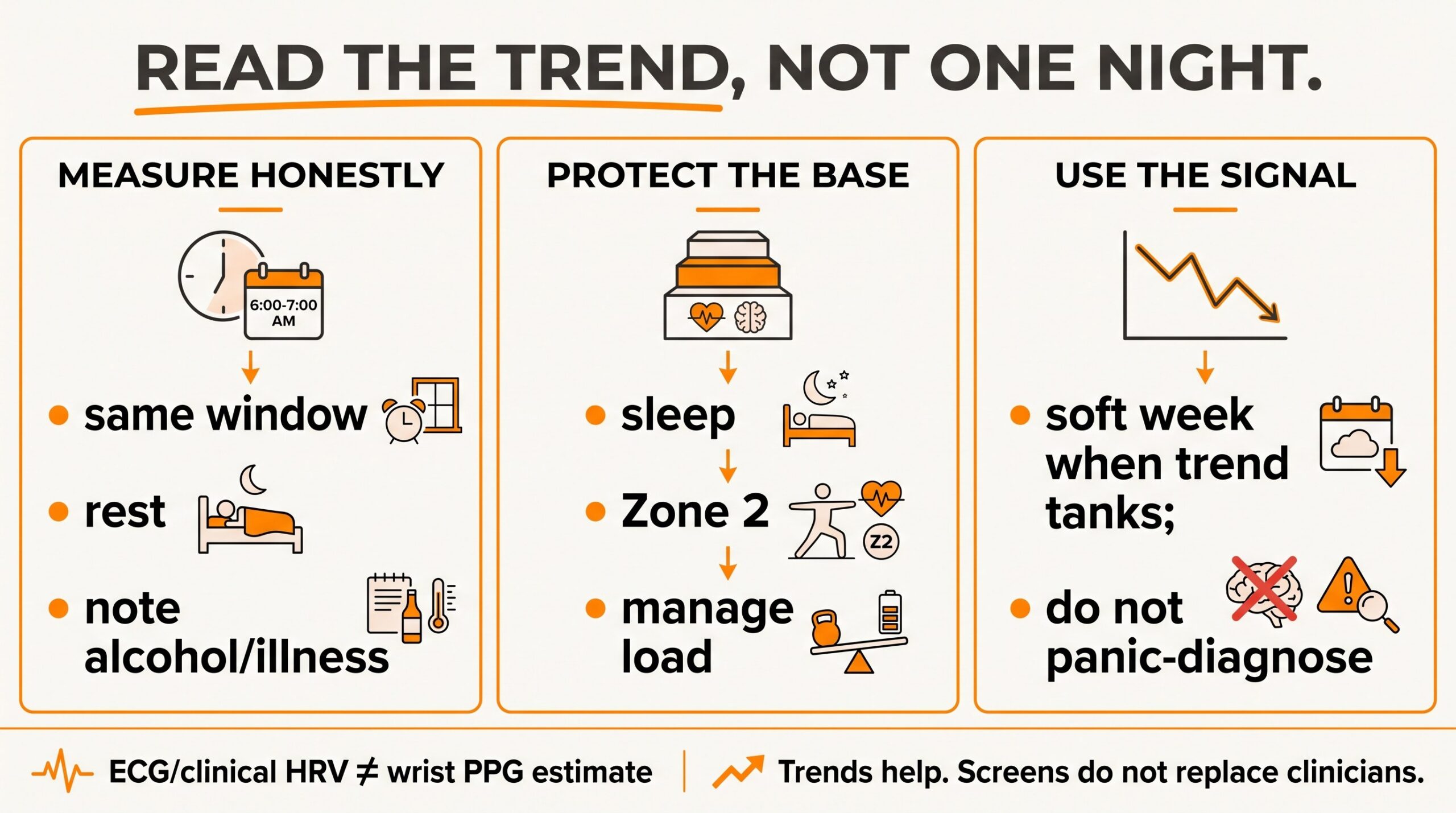
- Measure the same way most days. Same window, similar rest, note alcohol, illness, and travel. Garbage inputs make garbage stories.
- Read a rolling trend, not one night. A single red morning after a wedding is noise. A week-long slide while life load is climbing is information.
- Protect sleep like training. Adaptation and autonomic recovery need darkness and consistency. See how to sleep better.
- Keep easy aerobic minutes honest. Conversational base work supports the engine you redline later. See Zone 2 training and the sibling VO2 max map.
- Optional recovery heat. Sauna is an adjunct habit with Finnish cohort signal — not an HRV drug. See sauna benefits.
- Soft week when the trend tanks and life is loud. That can mean easier sessions, earlier bedtime, less alcohol. It does not mean you failed as an athlete.
Endurance coaches have used HRV as a monitoring aid for years. Plews and colleagues argued that valid athletic interpretation needs enough compliance and context, not a one-off screenshot. Boring consistency beats influencer readiness theater.
Why this matters: the process is the product. The ring color is a report card with noise.
So what for you: fix sleep and load first. Buy fewer gadgets second.
Myths that waste your week
- “My watch HRV diagnoses AFib.” Some devices flag irregular rhythms as a separate feature. That is not the same thing as an HRV recovery score, and it is not a substitute for clinical evaluation.
- “Higher is always better forever.” Context matters. Compare you to your baseline under similar conditions.
- “One bad night means overtraining syndrome.” One bad night means one bad night until a trend says otherwise.
- “I need a peptide for HRV.” Hard no on this page. Sleep, training distribution, alcohol, and illness explain most civilian swings. Research maps are adjacent literacy.
- “Low HRV means I am broken.” It means the shock absorber is telling you something. Start with recoverable inputs.
Why this matters: bad myths either scare people into medical Google holes or push them into vial cosplay.
So what for you: keep the habits. Drop the slogan.
Foundations that sit beside HRV
Peptides & Pump is a peptide education site. HRV is still a recovery-literacy foundation.
Soft links worth your time:
- How to sleep better — the biggest civilian HRV lever for most people
- Zone 2 training — conversational aerobic base
- VO2 max — aerobic engine ceiling sibling
- Sauna benefits — recovery heat adjunct
- Protein intake and creatine benefits — training support, not HRV drugs
- Semax / Selank — stress/cognitive research maps only; never an HRV prescription
Hard line: this page will never say “inject peptide X to raise HRV.” Earn the recovery. Read research maps later if you are curious.
Why this matters: foundation stacking beats catalog cosplay for recovery outcomes.
So what for you: protect sleep and easy base before you chase a cognitive SKU.
Evidence limits
Most mortality papers on HRV are observational. Clinical cohorts are not identical to healthy adults staring at a ring. Wearable estimates are noisier than ECG labs. Recording length, breathing, movement, and metric choice all change the number.
This page does not claim HRV tracking cures anxiety, replaces cardiac care, diagnoses atrial fibrillation, or justifies unsupervised hard intervals with a medical history you have not cleared.
Why this matters: confidence framing protects your week and your risk file.
So what for you: use trends you can recover from, keep a clinician in the loop when symptoms are not simple, and treat influencer HRV absolutism as entertainment.
Sources & Further Reading
- Fang SC, Wu YL, Tsai PS. Heart rate variability and risk of all-cause death and cardiovascular events in patients with cardiovascular disease: a meta-analysis of cohort studies. Biol Res Nurs. 2020. PubMed 31558032
- Jarczok MN, et al. Heart rate variability in the prediction of mortality: a systematic review and meta-analysis of healthy and patient populations. Neurosci Biobehav Rev. 2022. PubMed 36243195
- Tsuji H, et al. Reduced heart rate variability and mortality risk in an elderly cohort. The Framingham Heart Study. Circulation. 1994. PubMed 8044959
- Dekker JM, et al. Low heart rate variability in a 2-minute rhythm strip predicts risk of coronary heart disease and mortality from several causes: the ARIC study. Circulation. 2000. PubMed 10982537
- Thayer JF, Hansen AL, Saus-Rose E, Johnsen BH. Heart rate variability, prefrontal neural function, and cognitive performance: the neurovisceral integration perspective on self-regulation, adaptation, and health. Ann Behav Med. 2009. PubMed 19424767
- Task Force of the European Society of Cardiology and the North American Society of Pacing and Electrophysiology. Heart rate variability: standards of measurement, physiological interpretation and clinical use. Circulation. 1996. PubMed 8737210
- Shaffer F, Ginsberg JP. An overview of heart rate variability metrics and norms. Front Public Health. 2017. PubMed 29034226
- Plews DJ, Laursen PB, Stanley J, Kilding AE, Buchheit M. Training adaptation and heart rate variability in elite endurance athletes: opening the door to effective monitoring. Sports Med. 2013. PubMed 23852425
The bottom line
HRV is your autonomic shock absorber with real outcome associations in clinical epidemiology. Read multi-day trends under honest conditions. Protect sleep and easy aerobic base. Treat wearable scores as estimates.
It is not a youth drug. It is not an AFib DIY clinic. It is not a peptide indication.
Related research maps (after the recovery base is handled)
HRV first. Sleep, training distribution, and honest recovery beat any catalog. When foundation is already moving — sleep, Zone 2, load management — some readers want adjacent research literacy on stress and cognitive peptide maps. That is curiosity after the work, not a shortcut around it.
Hard line: these are research-catalog options next to the recovery map. They are not “peptides that raise HRV,” not a readiness drug stack, and not a reason to skip a clinician when symptoms are not simple.
Start with the maps: Semax, Selank, DSIP. Partner vials below are for readers who already earned the base and still want the research SKU conversation.
Research-catalog SKUs currently live on partner audits (not a treatment recommendation).
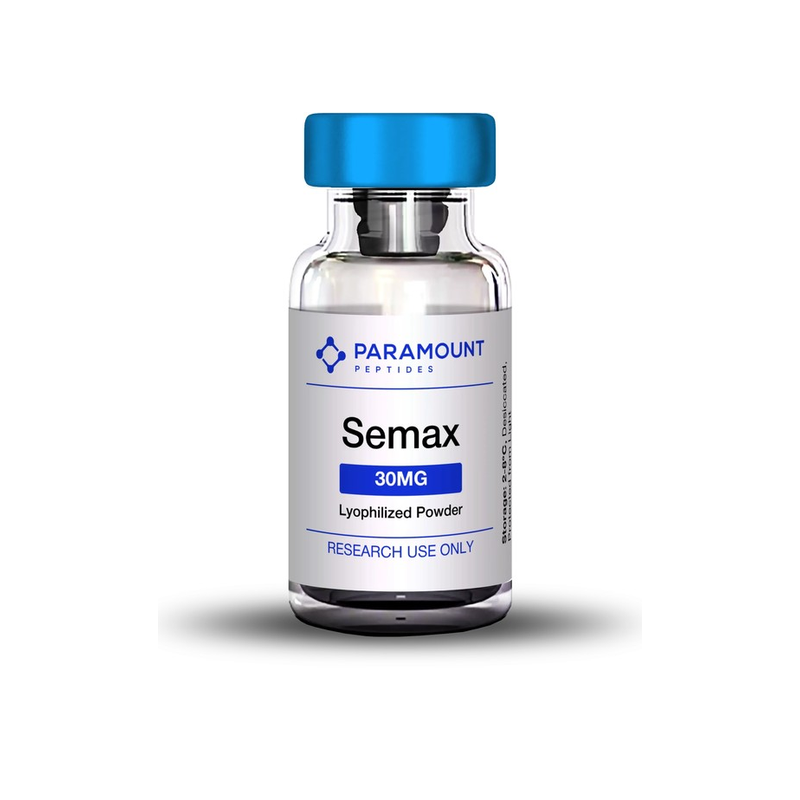 Paramount
Semax 30 mg
LEE10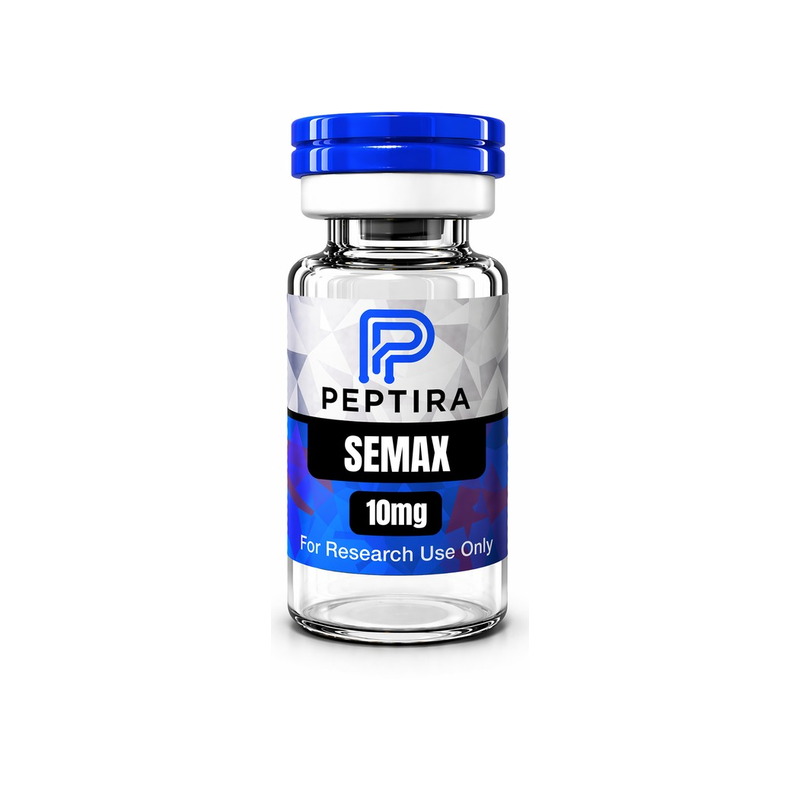 Peptira
Semax
LEE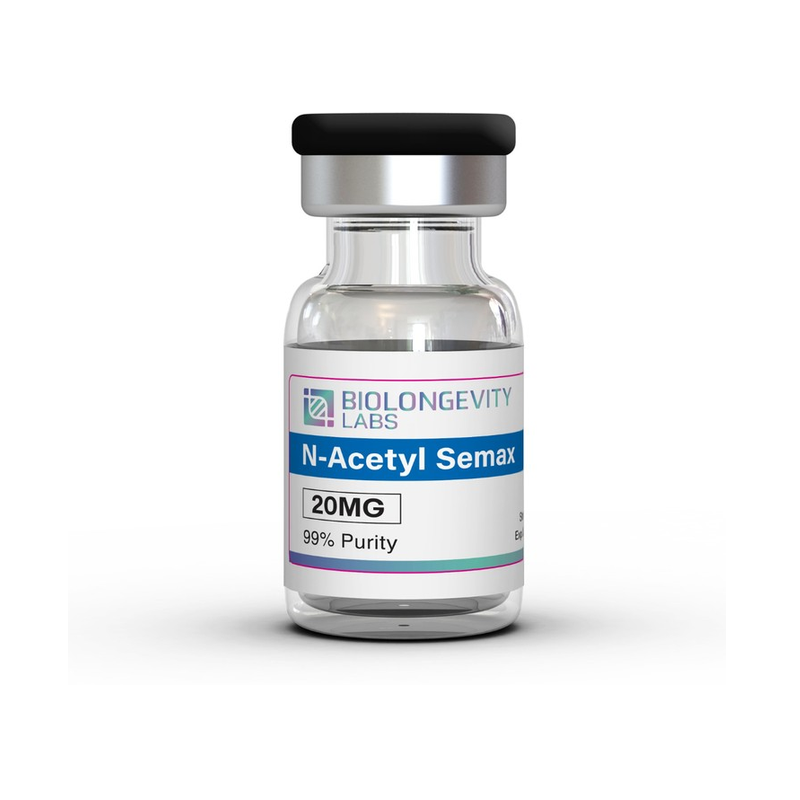 BioLongevity
N-Acetyl Semax Amidate 20 mg
LEE15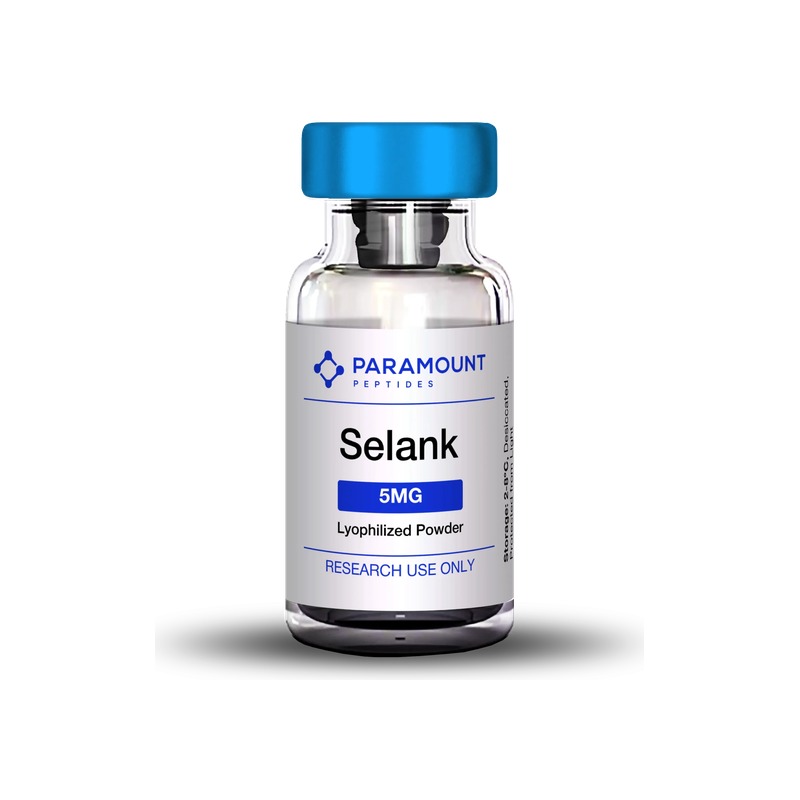 Paramount
Selank 5 mg
LEE10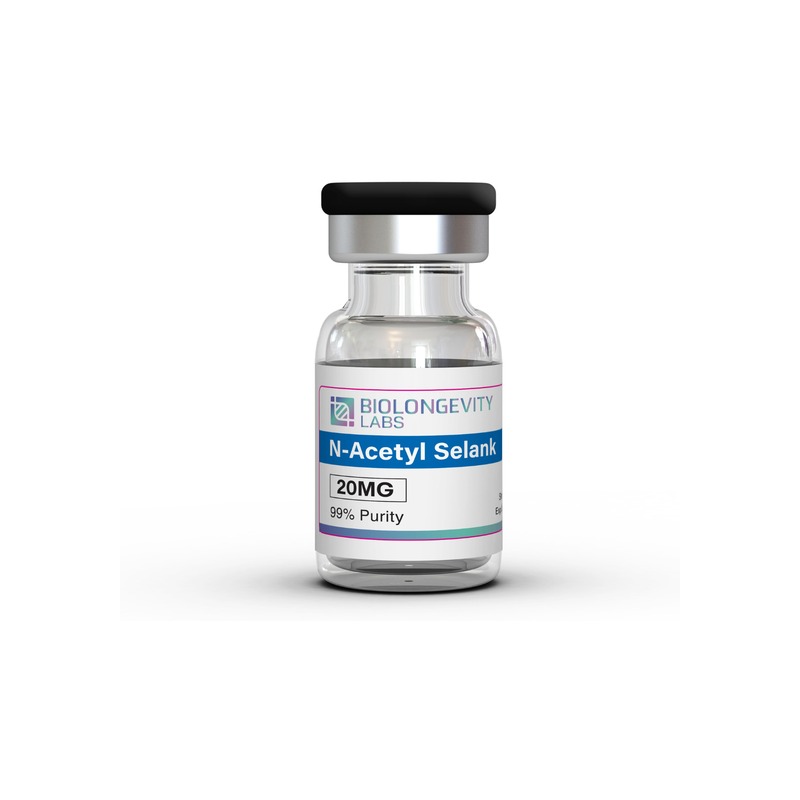 BioLongevity
N-Acetyl Selank Amidate 20 mg
LEE15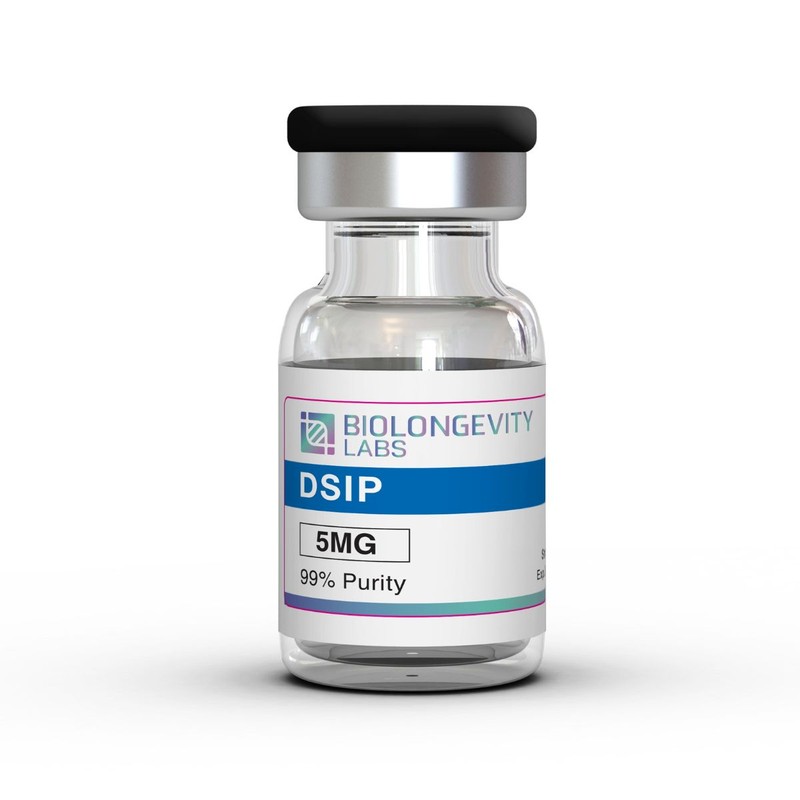 BioLongevity
DSIP 5 mg
LEE15Match the map to the curiosity. Do not collect bottles to “unlock” readiness. Earn the recovery first.
Want deeper protocol libraries after foundations are handled? Pro is the paid door. Want the free research PDF? Grab the Playbook below.
Free guide
Get The Peptide PlaybookEnter your email and we’ll send the research PDF. Education only — not medical advice.
I built Peptides & Pump so you can get foundation education without a guru tax. HRV is one of those foundations. Free Knowledge Base first if you are not ready to pay. Pro if you want the protocol library after the basics are handled.
Related reads: What are peptides · How to sleep better · Zone 2 training · VO2 max · Sauna benefits · Semax · Selank · DSIP