Bacteriostatic Water: BAC Water vs Sterile Water Map
Key takeaways
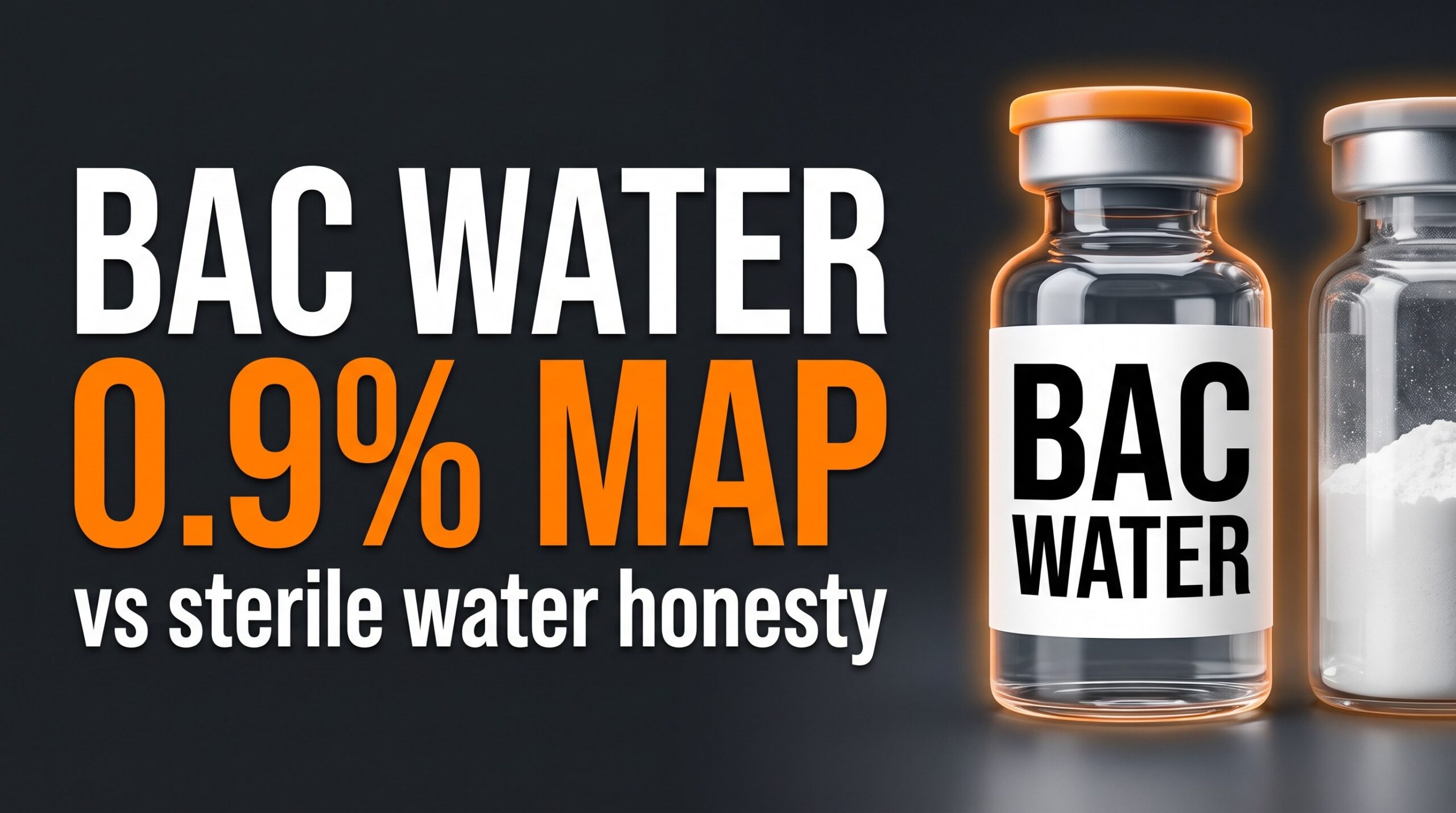
- Verdict: Bacteriostatic water is sterile water plus a preservative. That lets you draw from a multi-dose vial more than once. Most people call it BAC water.
- How it works in one line: Think of the preservative as a parking brake for bugs. Sterile water has no parking brake after you poke the stopper. Simple as that.
- Your next step: learn the map, then the mixing skill on the reconstitute page. No public dose chart here.
Verdict up front: bacteriostatic water is worth learning if you keep seeing BAC water next to freeze-dried research vials. It is not a peptide. It is the mixer fluid. People use it to wet a dry cake for lab work.
There is a real USP and FDA label file for Bacteriostatic Water for Injection. There is also a lot of forum noise. This free page will not hand you a public inject protocol.
Keep reading if you typed bacteriostatic water, BAC water, bac water for peptides, or bacteriostatic vs sterile water and want a clean hub. Skip if you want a public dose chart. Skip if you want a claim that BAC water treats anything. Skip if you want a reason to ignore a pharmacist, a clinician, or a newborn warning on a real drug label. Those asks belong in Pro. Or a real clinic visit.
Day-one basics live on Start Here and what are peptides. Nearby maps: how to reconstitute peptides, BPC-157, TB-500, peptides for healing, Wolverine blend map, CJC / Ipamorelin, and how to sleep better.
This page is teaching only, not medical advice. A research-shelf diluent is not an FDA-approved treatment claim here. Real Bacteriostatic Water for Injection labels belong to clinics. This map will not tell you to skip a doctor.
What bacteriostatic water actually is
Start with the plain search. Bacteriostatic water means sterile water for injection with a preservative added. People call it BAC water.
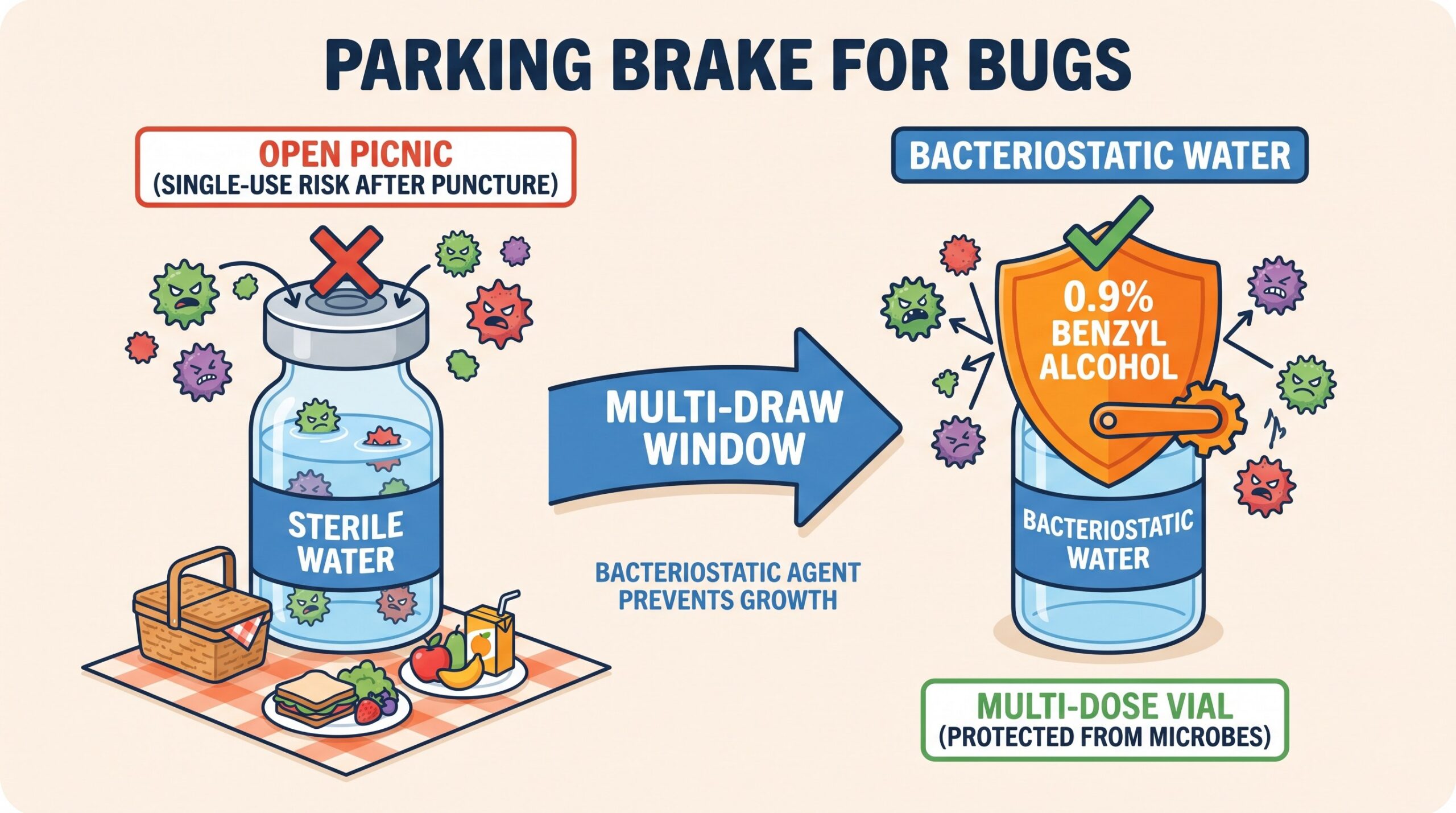
The usual preservative is benzyl alcohol at about 0.9%. That means almost one part in a hundred. The job is simple. It slows bug growth after you poke the stopper.
It is not the peptide. It is not saline by default. It is not drinking water. Food water and inject diluent water are not the same door.
Why this matters: if you buy the wrong diluent, you judge the wrong tool. Then you blame the peptide cake.
So what for you: name the diluent before you name the brand.
The parking-brake analogy (one mechanism picture)
Here is the only picture I want stuck in your head.
Think of a multi-dose vial like a fridge you open a lot. Every needle poke is another open and close. Bugs love open doors.
Sterile water is clean at the start. After the first poke, it has no parking brake. That is why clinics teach single-use sterile water rules.
Bacteriostatic water adds the parking brake. Benzyl alcohol is the brake fluid in plain talk. It does not make the vial magic forever. It buys a multi-draw window when the product is built for that use.
How sure are we? Pretty sure USP and DailyMed labels call 0.9% benzyl alcohol BAC water a multi-dose diluent. Pretty sure benzyl alcohol can bother some proteins in the lab. Pretty sure newborn labels warn hard against benzyl alcohol in some products. Not sure at all that a catalog bottle equals a hospital drug plan.
Why this matters: if you cannot explain parking brake vs sterile water in one line, wait on the cart.
So what for you: ask what form you are buying before you ask for a discount code.
The stop-you number (and what it is not)
The cleanest stop-you line is not a forum tip. It is a label number. Add a confidence tag next to it.
On Bacteriostatic Water for Injection labels, the preservative is often 0.9% benzyl alcohol. In plain words: about nine milligrams in each milliliter. The same label family carries a hard newborn warning door. That warning is about risk in newborns. It is not a free-site dose chart.
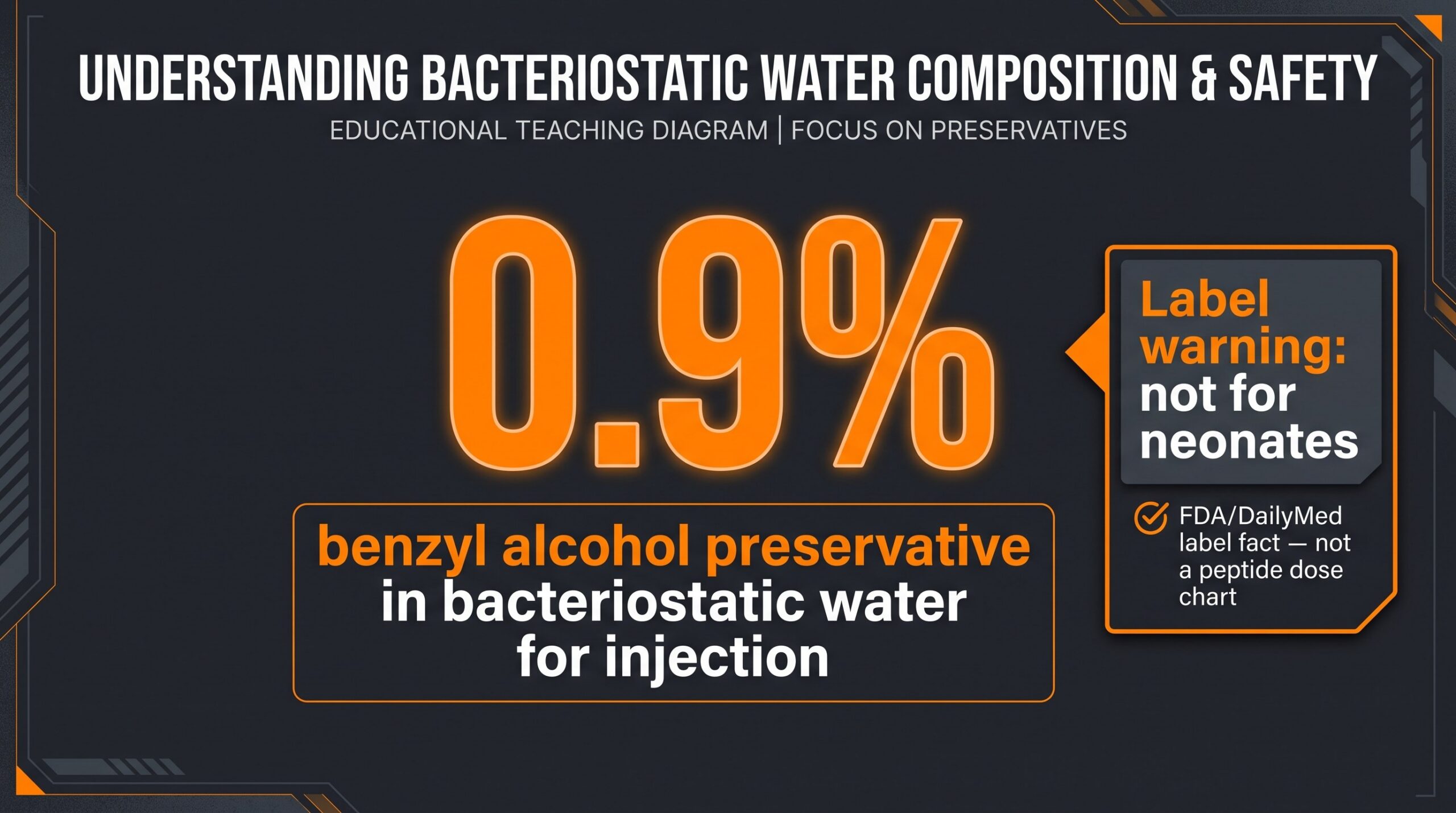
Hold the history next to that label. Classic NEJM work linked benzyl alcohol to gasping syndrome in newborns. That is why the warning door exists. Adult research diluent talk is not newborn care.
Why this matters: the stop-you detail is that BAC water has a real label floor. Confidence for “any clear vial is fine forever” is still zero here.
So what for you: be impressed by the label. Do not confuse a diluent with a prescription pad.
Evidence limits (say this out loud)
Honest teaching rests on USP specs, FDA DailyMed labels, preservative chemistry, and stability papers. Forum “always use BAC for everything” scripts are not that mountain.
Some peptides can get stressed by bug-fighting preservatives. Lab papers show benzyl alcohol can nudge some molecules into clumps. That is aggregation talk. That does not mean every peptide hates BAC water. Fit is a real question. Not a meme.
Also hold the shelf-vs-paper gap. Social media sells “same as the hospital vial in any dropper bottle.” Labeled Bacteriostatic Water for Injection is a regulated product. Research-shelf mix solutions are another door.
Why this matters: health pages get hurt if they blur “interesting research diluent” into “treat yourself from Instagram.”
So what for you: if someone is pregnant, newborn care is in play, infection signs show up, or a clinician gave a different diluent order, stop here. Get human help.
Three doors: basics vs clinic vs research map
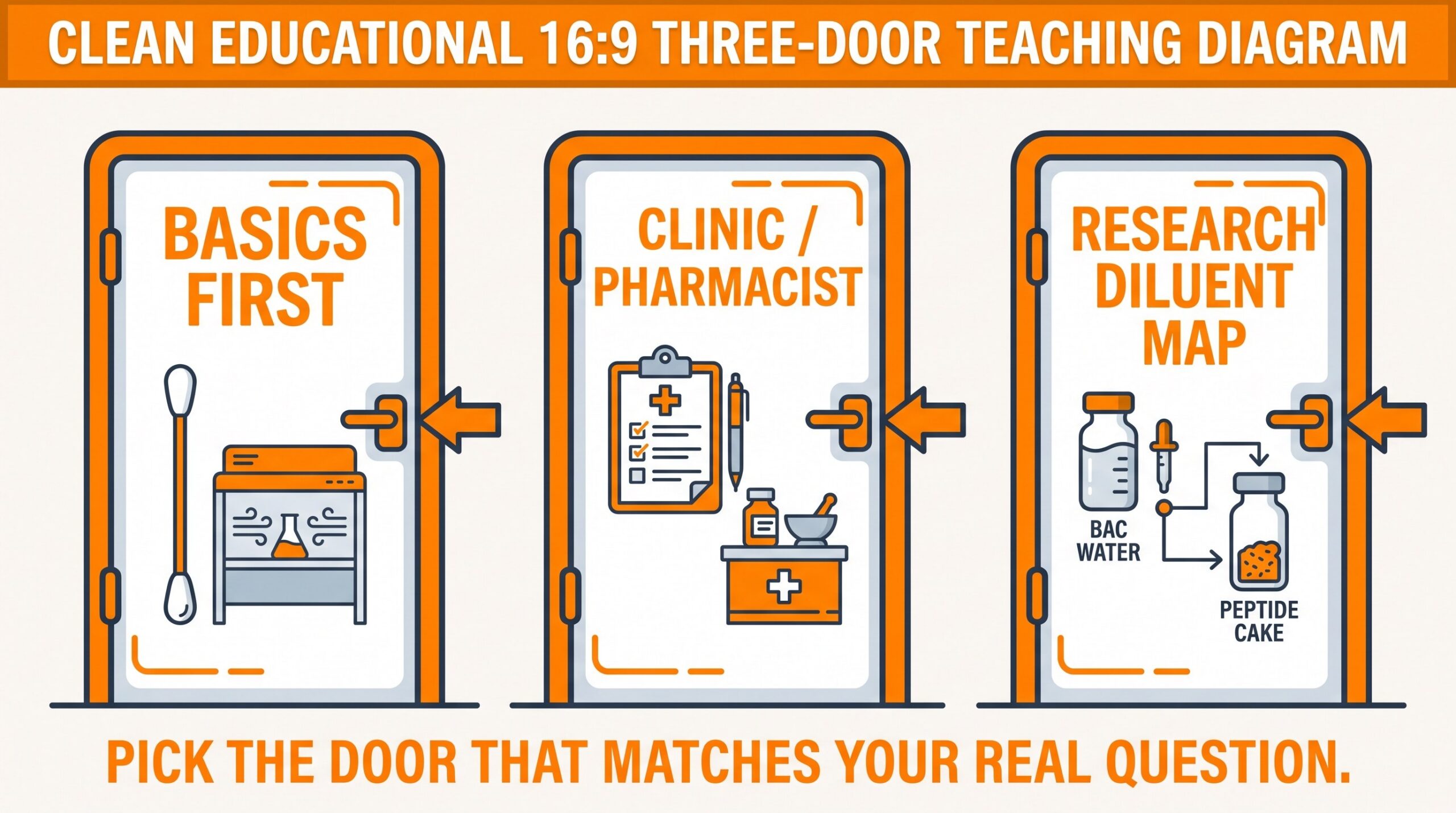
There are three doors for the same question online. Each door does a different job.
Door 1 is basics first. Clean bench. Fresh swabs. Labels. Dates. Storage. Boring habits win more vial battles than a mystery bottle.
Door 2 is clinic and pharmacist. Real drug labels. Newborn warnings. Compounding rules. Infection-control rules for multi-dose vials. Clinicians own this door.
Door 3 is research diluent map. BAC water. Sterile water. Acetic acid mix solutions for stubborn cakes. Nearby freeze-dried research vials. Education only on this free site. Not a public dose chart.
Why this matters: people lose money when they buy Door 3 while the real problem was Door 1 or Door 2.
So what for you: write your real goal in one sentence, then pick a door.
BAC water vs sterile water vs acetic acid (no mash-up)
Bacteriostatic water is the multi-draw diluent story. People reach for it when a map talks about many draws from one mixed vial.
Sterile water for injection is preservative-free water. Clean start. Different multi-draw rules. Clinics often teach single use after opening.
Acetic acid reconstitution solutions show up when a cake is stubborn. Stubborn means it will not wet and clear the usual way. That is a chemistry lane. Not a flex.
Saline is salt water. Some clinic products want it. It is not automatic BAC water. Ask before you swap.
The hands-on mix skill lives on how to reconstitute peptides. This hub is the diluent map next to that page.
Why this matters: one keyword should not erase four different bottles. Name the bottle.
So what for you: open the reconstitute page when you want the hands, not just the name.
Myths that waste money
- “BAC water is a peptide.” No. It is a diluent.
- “Any clear water is fine.” No. Tap water and fancy drinking water are the wrong door.
- “Sterile water and BAC water are twins.” No. Preservative changes the multi-draw story.
- “If it is for sale, it is FDA-approved for home peptide therapy.” No. Research-shelf listings are not therapy approvals here.
- “Preservative means forever.” No. Labels and clean habits still set the window.
Why this matters: myth stacks hurt people and can punish domains.
So what for you: keep the curiosity. Kill the Marvel script.
Partner research options (codes in the links)
Education first. You already have the map. Limitless mix SKUs that are out of stock are not the hero this pass. Below are InStock public options. Codes fire in the links. Diluent maps plus nearby freeze-dried vials people park next to BAC water. Research-use and education framing only. Not a treatment claim.
Public InStock diluent + nearby vial maps
 Peptira
BAC Water (Hospira)
LEE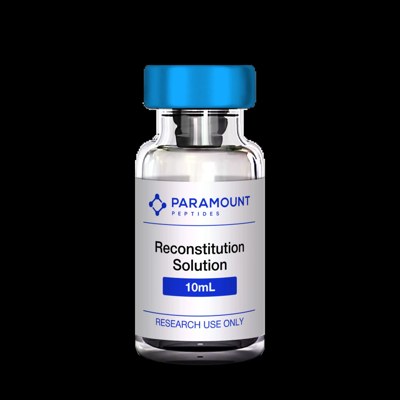 Paramount
Reconstitution Solution
LEE10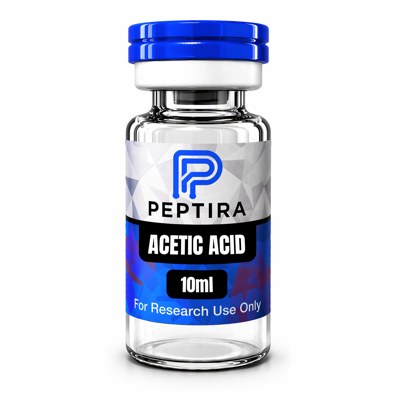 Peptira
Acetic Acid 10mL
LEE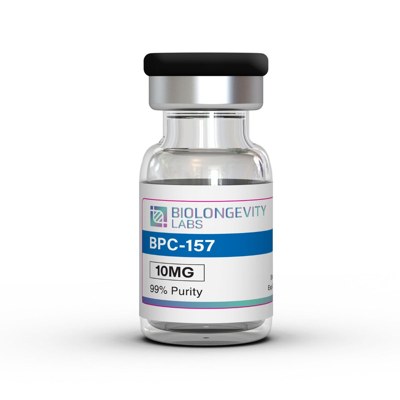 BioLongevity
BPC-157 (10mg)
LEE15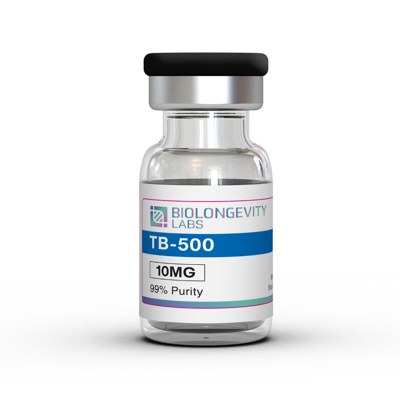 BioLongevity
TB-500 (10mg)
LEE15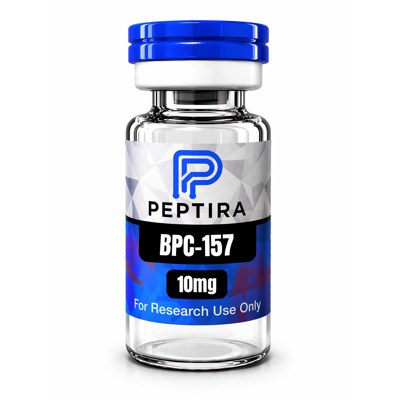 Peptira
BPC-157
LEEPeptira BAC Water · LEE Paramount Recon · LEE10 Peptira Acetic Acid · LEE BPC-157 · LEE15 TB-500 · LEE15 Limitless home · LEE20
No Limitless VIP mix SKU is heroed here while those listings stay out of stock. Keep tracked homes handy too: Limitless LEE20, Paramount LEE10, Peptira LEE, S1 LEE10, and BioLongevity LEE15.
How to think about next steps
If you do not want to waste a freeze-dried vial, start with Door 1 and the reconstitute page. Clean technique beats a fancy label every time. If you want the diluent map of BAC vs sterile vs acetic acid, learn Door 3 after the parking-brake story clicks.
Pro goes deeper on mix frameworks, storage windows, and how to read a COA. The free page’s job is still the map.
Why this matters: next steps that match the door save money. They also cut health-page risk.
So what for you: write your real question in one sentence before you click a code.
Key takeaways (echo)
- Bacteriostatic water is a diluent map. Not a peptide miracle.
- The best one-line picture is a parking brake for bugs. Benzyl alcohol buys the multi-draw window.
- Label and stability files can be real. Forever-safe Instagram rules are thinner than the ads. Basics and clinicians still beat hype bottles. Start there.
Get the Peptide Playbook
Free email map for how to think about research peptides without the guru noise. No naked PDF dump — just the Playbook form.
Sources & Further Reading
- Gershanik J, et al. The gasping syndrome and benzyl alcohol poisoning. N Engl J Med. 1982. PMID 7133084
- McCloskey SE, et al. Toxicity of benzyl alcohol in adult and neonatal mice. J Pharm Sci. 1986. PMID 3761172
- Gupta S, et al. Development of a multidose formulation for a humanized monoclonal antibody using experimental design techniques. AAPS PharmSci. 2003. PMID 12866935
- Arora J, et al. Molecular Mechanism of Antimicrobial Excipient-Induced Aggregation in Parenteral Formulations of Peptide Therapeutics. Mol Pharm. 2022. PMID 35917158
- Roy S, et al. Effects of benzyl alcohol on aggregation of recombinant human interleukin-1-receptor antagonist in reconstituted liquid formulations. J Pharm Sci. 2005. PMID 15614819
- Manchikanti L, et al. Assessment of infection control practices for interventional techniques: a best evidence synthesis of safe injection practices and use of multi-dose vials. Pain Physician. 2012. PMID 22996856
- U.S. National Library of Medicine DailyMed. Bacteriostatic Water for Injection labeling (benzyl alcohol preservative; multi-dose diluent framing). DailyMed label
Educational research map only. Not medical advice. Not FDA-approved treatment claims. Partner links may earn a commission. Codes live in the links.