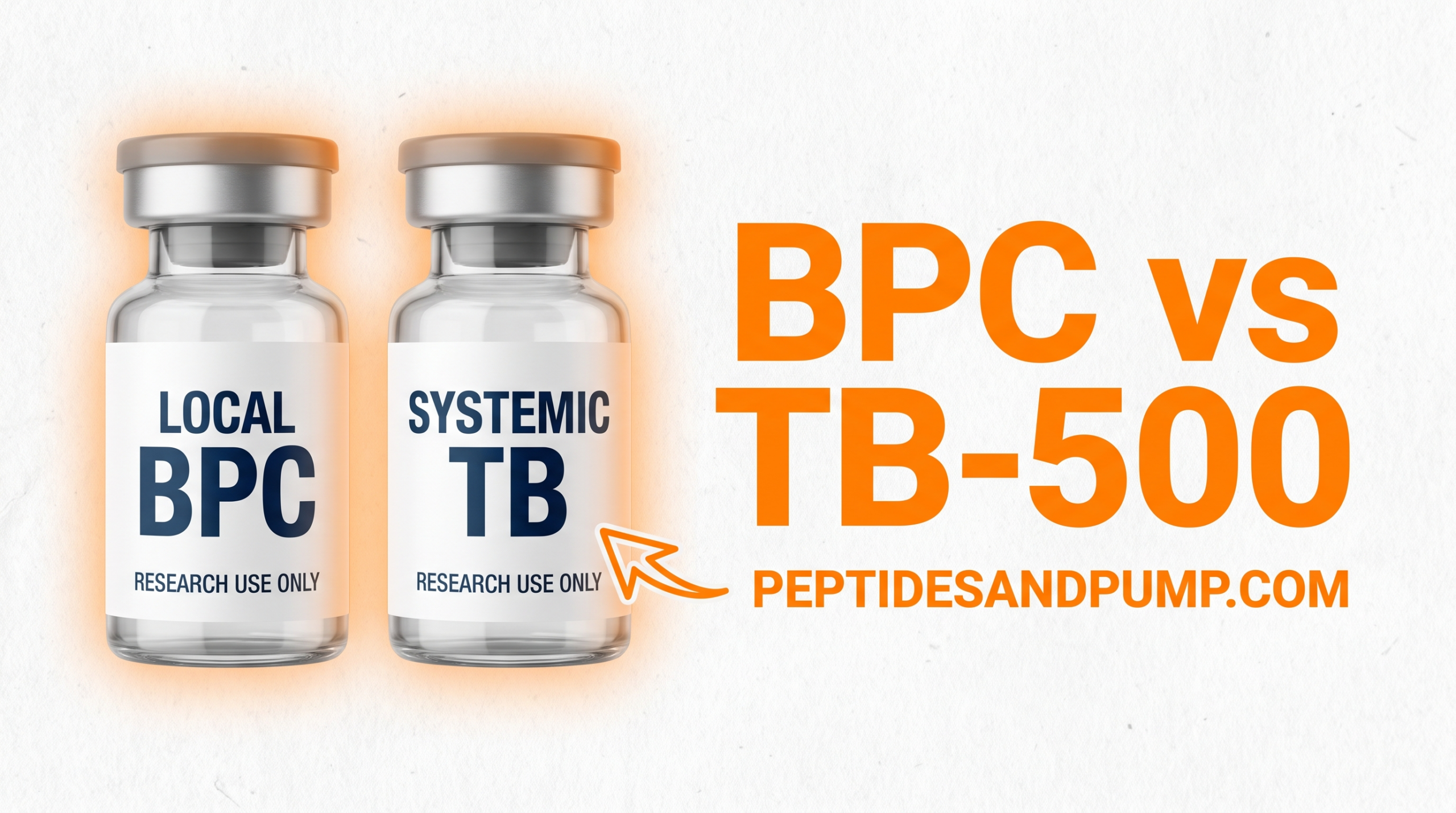
BPC-157 vs TB-500: Localized vs Systemic Research Map (Not a Protocol)
Key takeaways
- Verdict: BPC-157 and TB-500 are different tools. BPC sits in a more localized angiogenesis / gut-adjacent research lane. TB-500 sits in a systemic actin / thymosin-β4 research lane. Not the same vial story.
- Wolverine is a blend nickname. Link out to /wolverine/ for that map. This page is the mechanism comparison, not a second Wolverine H1.
- Evidence for both lanes is mostly early lab (cells and animals). Human files are thin. Education and research framing only — not a treatment claim and not medical advice.
- Teach the map here. Full stacks, cycles, and dosing tables stay in Pro / Classroom.
- If you only remember one line: local repair signals vs systemic cell-migration signals. Same “healing peptide” search family. Different job.
Verdict up front: People type bpc-157 vs tb-500 (and the flip tb-500 vs bpc-157) like there is a champion. There isn’t. These are two research tools. They do different jobs. BPC-157 started in stomach-peptide research. Later papers keep showing it in local tissue and vessel-growth models. TB-500 is the research-shelf nickname for the thymosin-β4 / actin lane. That lane is more about whole-body cell movement. Stack nicknames belong on the Wolverine blend page. This page stays a clean comparison map.
Not FDA-approved as a disease treatment on this page. Not a skip-the-doctor pitch. Education only.
Why this matters: confusing the two tools is how people buy the wrong map, then blame “peptides.” Mechanism first. Cart second.
Keep reading if you want the local-vs-systemic picture, the evidence doors, the honest limits, and the related pages without a protocol dump.
What people mean by BPC-157 vs TB-500
People usually search this like a shopping fight with a healing label stuck on top. Fair. The label is still lazy.
BPC-157 is a short lab-made peptide. Early work looked at stomach protection. Later work looked at tendon, muscle, and vessel models. Think of a local repair crew that likes blood-vessel signaling.
TB-500 is how shops often label products in the thymosin-β4 talk. Thymosin-β4 is a natural peptide that binds actin. Actin is the cell’s scaffolding. It helps cells move and reshape. So the TB lane is less “spot treatment” and more “body-wide move and remodel signals.”
So what for you: if your question is “which one is better,” rewrite it as “which mechanism lane am I even asking about?”
Why this matters: better questions stop expensive wrong turns.
Localized vs systemic: the mechanism map
Here is the gym-buddy version.
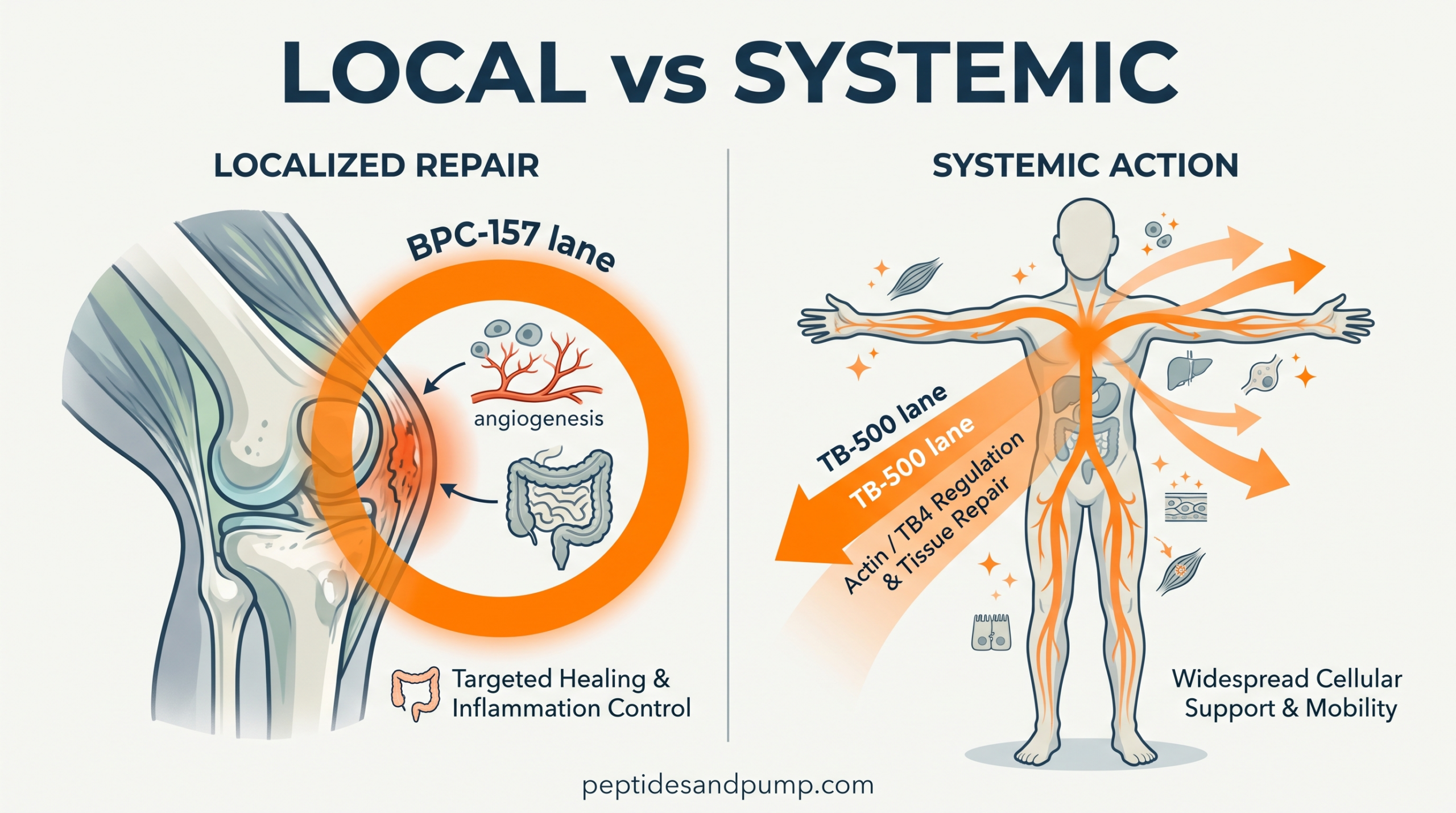
- BPC-157 lane: often framed as more local. Papers track new vessel growth, tendon cell behavior, and gut-adjacent protection stories. A 2009 muscle and tendon study tied BPC-157’s healing picture to VEGF signaling in living animals. A 2017 paper linked vessel-growth effects to VEGFR2 pathways in vessel models.
- TB-500 / TB4 lane: framed as more whole-body. Classic thymosin-β4 work shows actin binding, vessel-cell movement, and faster wound repair in animals — including diabetic and aged mice. A short seven-amino-acid actin-binding piece (LKKTETQ) even helped repair in aged animals in one study. That is the science people point to when they say TB-500.
Simple picture: BPC is closer to a local crew fixing one job site and turning the water lines back on. TB4/TB-500 is closer to city-wide traffic control that helps crews move where they are needed. Both can matter after damage. They are not the same tool.
Why this matters: local vs systemic is the whole point of the comparison keyword. If a page skips that, it is just affiliate filler.
Want the solo deep dives? Start with BPC-157, TB-500, and the oral angle on oral BPC-157. The broader healing hub is peptides for healing.
TB-500 vs BPC-157: flip the search, same map
Google also sees tb-500 vs bpc-157. Same fight. Same answer.
If someone crowns TB-500 as “more systemic so always better,” they are guessing. If someone crowns BPC as “local so always better,” same problem. The useful move is matching the research question to the lane — then checking which evidence door that lane has actually opened.
So what for you: confidence should track evidence quality, not Instagram certainty.
Evidence honesty: what the papers actually support
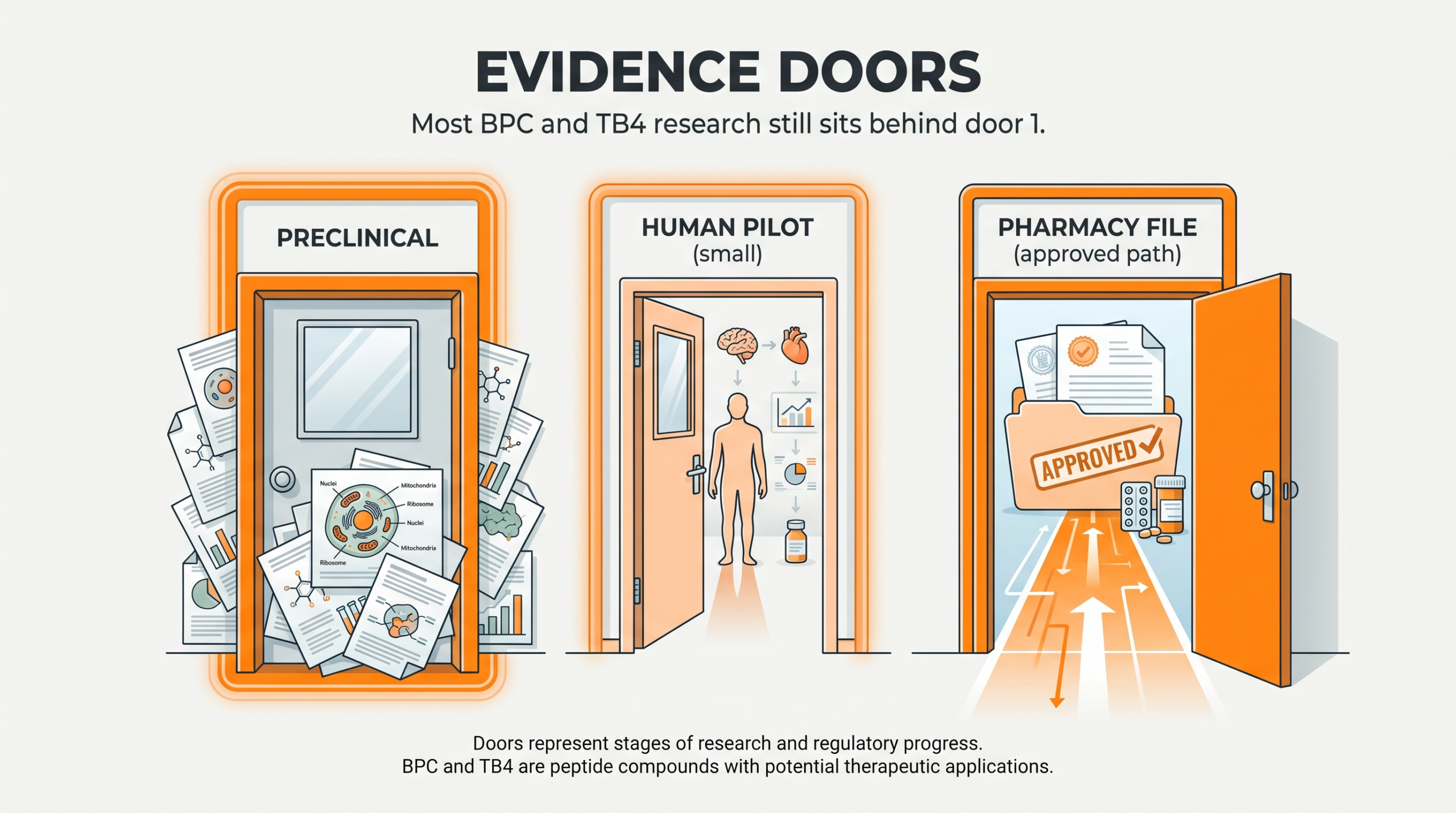
Stop-you stat: a lot of the loudest healing-peptide talk still lives behind Door 1 — early lab work (cells and animals). That does not make the science fake. It means your confidence should stay honest.
BPC-157 receipts (examples, not a protocol):
- Vessel-growth changes with VEGF signals in crushed or cut muscle and tendon models (PMID 20388964).
- VEGFR2-linked vessel-growth pathway work in vessel and ischemic-muscle models (PMID 27847966).
- Tendon outgrowth, fibroblast survival, and move signaling including FAK-paxillin pathways (PMID 21030672).
- Newer orthopaedic / sports-medicine reviews are starting to map the clinical-interest gap — interest is rising faster than large human trials (PMID 40756949; primer PMID 41476424).
TB4 / TB-500-adjacent receipts (examples, not a protocol):
- Thymosin-β4 accelerates dermal wound healing in classic animal work (PMID 10469335).
- TB4 and the LKKTETQ actin-binding fragment promote repair in diabetic and aged mouse models (PMID 12581423).
- TB4 promotes angiogenesis, wound healing, and related remodeling themes in foundational reviews/studies (PMID 15037013).
- Directional vessel-cell migration is part of the TB4 story (PMID 9194528). Actin-shape work explains why “actin lane” is not marketing slang (PMID 10777749).
Evidence honesty: TB-500 on a research label is not automatically the same as every thymosin-β4 clinical mix studied in papers. Read labels and methods. Do not blur product nicknames into drug approvals.
Why this matters: mixing early lab signals with pharmacy-file certainty is how YMYL pages get people hurt — or get domains trusted less by Google.
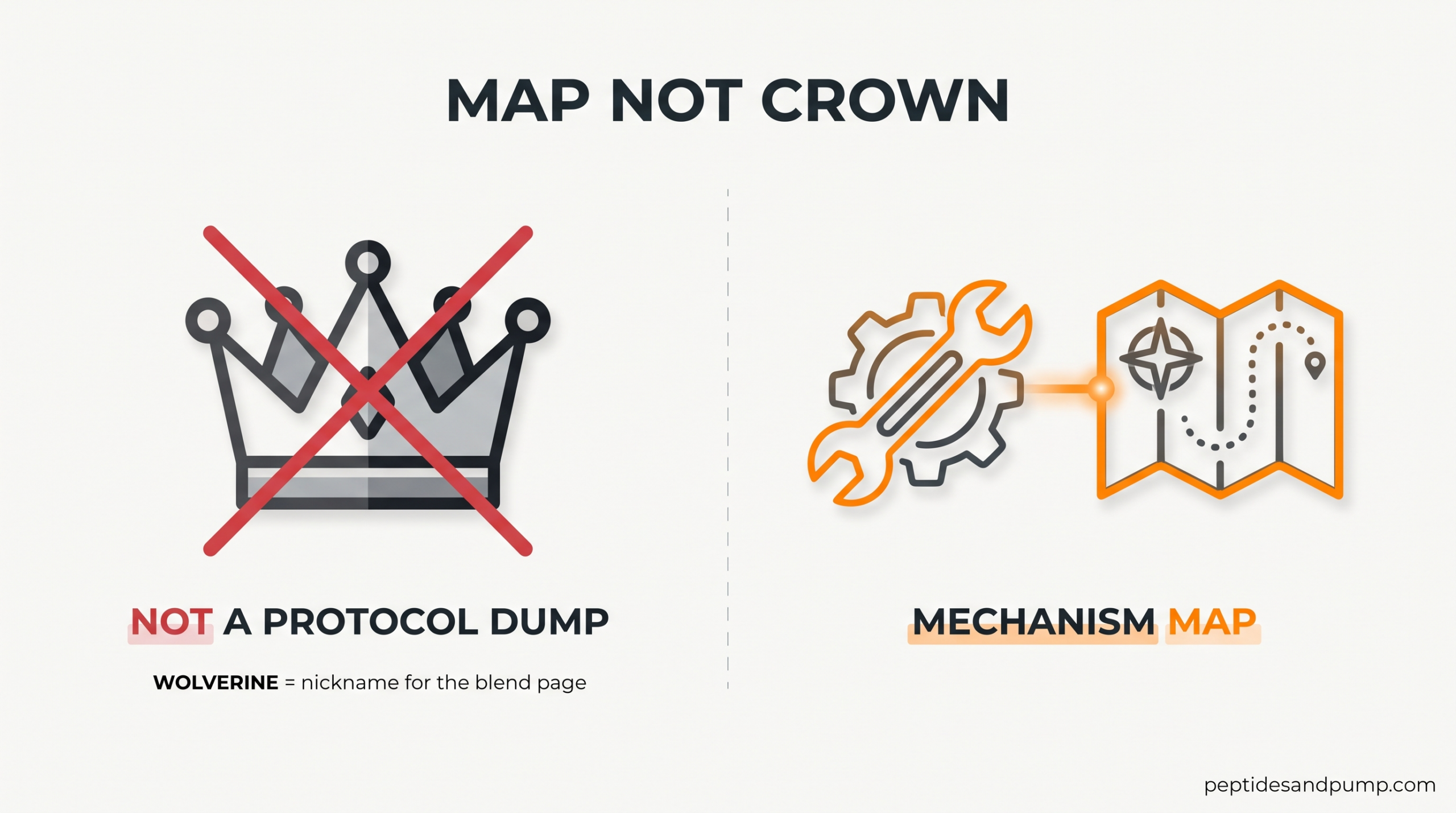
Wolverine is a nickname map — not this page’s H1
People say “Wolverine stack” when they mean a BPC + TB blend nickname. Fine for community slang. Bad as a second ranking H1 that cannibalizes the blend page.
This page compares mechanisms. The blend nickname story lives at /wolverine/. Link there. Do not crown a free-site protocol here.
So what for you: if you came for the blend nickname, open Wolverine. If you came for local vs systemic, stay here.
Access lanes: research vs compounding vs labeled drugs (education)
Peptide conversations mix three doors that are not the same building:
- Research-shelf education — lab materials discussed as chemistry and mechanisms.
- Compounding / clinic pathways — clinician-supervised contexts with different rules.
- Labeled pharmacy drugs — the approved file path (GLP-1s and other marketed peptides live here; most healing favorites do not).
Peptide drugs as a class are real — dozens have reached markets over decades. That class success does not auto-transfer to every research vial with a healing nickname. For safety framing, see are peptides safe and peptide side effects.
Why this matters: access-lane confusion is how people invent illegal or unsafe shortcuts in their head. This site will not coach that.
Basics that matter more than a crown
Before anyone argues BPC vs TB on a forum, the boring map usually pays better:
- How to reconstitute peptides
- Bacteriostatic water
- Peptide dosage (education map — not a free dosing protocol dump)
- Peptide calculator for math literacy
- Best peptides catalog map and Start Here
Training, sleep, protein, and load management still do the heavy lifting for most healing timelines. Peptides are not a substitute for that foundation.
FAQ: quick comparison answers
Is BPC-157 better than TB-500?
Wrong question. Different mechanism lanes. Pick the research question first.
Is TB-500 the same as thymosin beta-4?
People use TB-500 as a research-shelf nickname in the TB4 / actin conversation. Methods and labels still matter. Do not assume identity with every clinical TB4 preparation.
Can you stack them?
Community slang says yes via Wolverine-style blends. This free page teaches the map and links the nickname page. Full stack protocols stay in Pro.
Is there strong human proof?
Most cited healing signals are still early lab. Reviews are catching clinical interest. That is not the same as large outcome trials for every claim you see online.
How BPC-157 shows up in the literature (plain English)
BPC-157 started in stomach research. That origin story matters. It explains why people also talk about gut-adjacent protection with BPC. Later work moved into soft-tissue models: crushed muscle, cut tendon, vessel growth, and fibroblast behavior.
In plain words: researchers watched whether the local repair scene looked better organized — vessels, cell survival, move cues. A tendon paper (PMID 21030672) is a good example. It is careful lab work. It is not a free pass to treat a human injury from a blog.
Newer sports-medicine reviews (PMID 40756949) basically say this: clinics and athletes are interested. The early lab pile is real. Large high-quality human outcome trials still lag the hype. Interest is not finished human proof.
Why this matters: if you only read marketing, BPC sounds like a finished drug. If you read the doors, it still mostly lives in Door 1 with growing Door 2 curiosity.
How TB-500 / TB4 shows up in the literature (plain English)
Thymosin-β4 is not a new meme peptide from a forum. It is a well-studied actin-binding peptide. Cells keep spare actin ready so they can rebuild their skeleton and move. TB4 is a big player in that pool.
Wound papers from the late 1990s and early 2000s showed faster skin repair and better remodel signals. That held even in hard models (diabetic and aged mice). Vessel-cell movement work helps explain the “whole-body remodel” reputation. That is why the TB lane feels less like a pin-point cream and more like a field-wide signal.
When shops say TB-500, buyers often hear “TB4 in a vial.” Stay sharper than that. Fragment length, purity claims, and study setups can differ. Education means reading the method, not worshipping the nickname.
So what for you: systemic does not automatically mean stronger. It means a different job description.
Common myths that waste money
- Myth: One is always the healing peptide. Fix: Name the lane — local angiogenesis/gut-adjacent vs systemic actin/TB4.
- Myth: Stack nickname = studied protocol on this free page. Fix: Nickname pages and Pro classroom are different layers. Use Wolverine for the blend nickname map.
- Myth: Animal tendon papers prove your personal timeline. Fix: Timelines in rats are not your rehab calendar.
- Myth: More vials beat basics. Fix: Reconstitution literacy, sterile habits, and training load still decide most outcomes people care about.
Why this matters: myths are expensive. Maps are cheap.
Partner research options (codes in the links)
Education first. You already have the local-vs-systemic map. Below are public options people park next to basics reading: reconstitution tools and common research vials from tracked partners. Codes fire in the links. Research-use and education framing only. Not a treatment claim. Not a claim these SKUs are your personal healing protocol.
Public basics + research maps
 Peptira
BAC Water
LEE Paramount
Recon Solution
LEE10 Peptira
Acetic Acid
LEE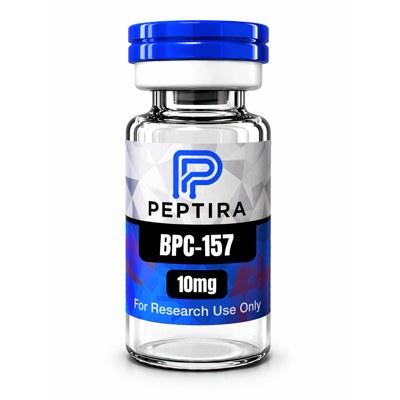 Peptira
BPC-157
LEE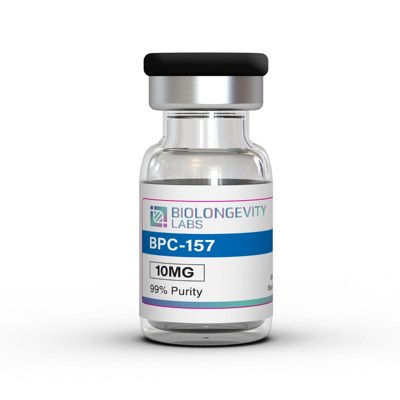 BioLongevity
BPC-157
LEE15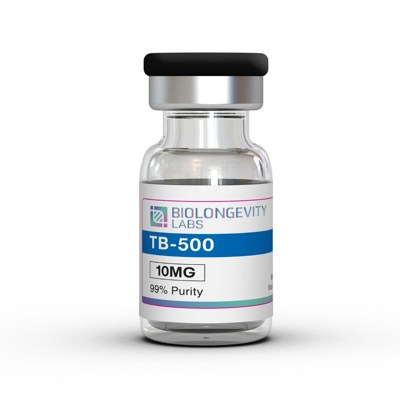 BioLongevity
TB-500
LEE15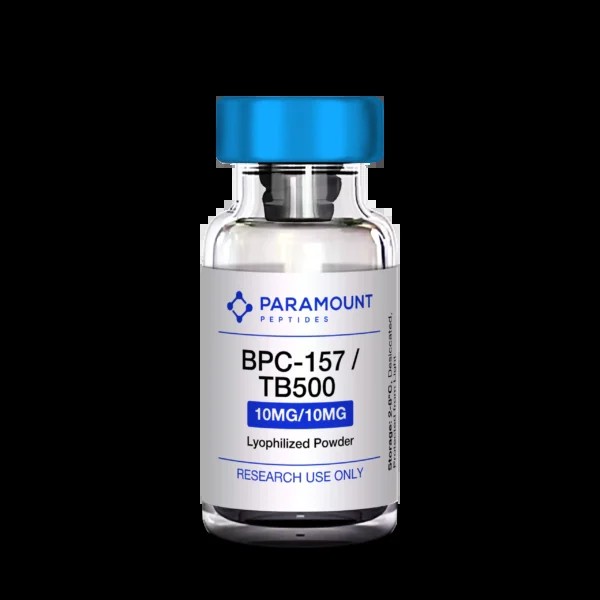 Paramount
Wolverine Blend
LEE10Peptira BAC · LEE Paramount Recon · LEE10 Peptira Acetic · LEE Peptira BPC-157 · LEE BLL BPC-157 · LEE15 BLL TB-500 · LEE15 Paramount Wolverine · LEE10 Limitless home · LEE20
No Limitless VIP-login SKU is heroed here. Keep tracked homes handy too: Limitless LEE20, Paramount LEE10, Peptira LEE, S1 LEE10, and BioLongevity LEE15.
How to think about next steps
If you do not want to waste money on a fake healing crown, start with the local-vs-systemic map and the evidence doors. Class clarity beats a random cart. Soft close to Pro for mastery frameworks. The free page’s job is still the map.
Why this matters: next steps that match the mechanism lane save money. They also cut YMYL risk on a healing page.
So what for you: write your real BPC-157 vs TB-500 question in one sentence before you click a code.
Key takeaways (echo)
- BPC-157 vs TB-500 is a mechanism map: local angiogenesis / gut-adjacent BPC lane vs systemic actin / TB4-lane TB-500. Not one winner crown.
- Wolverine is a blend nickname. Read the blend page for that story. Do not treat this comparison as a free-site stack protocol.
- Evidence is mostly early lab. Education only. Talk with a clinician for personal medical questions. Full protocols stay in Pro.
Get the Peptide Playbook
Free email map for how to think about peptides without the guru noise. No naked PDF dump — just the Playbook form.
Sources & Further Reading
- Brcic L, et al. Modulatory effect of gastric pentadecapeptide BPC 157 on angiogenesis in muscle and tendon healing. J Physiol Pharmacol. 2009. PMID 20388964
- Hsieh MJ, et al. Therapeutic potential of vessel-growth BPC157 is associated with VEGFR2 activation and up-regulation. J Mol Med. 2017. PMID 27847966
- Chang CH, et al. The promoting effect of pentadecapeptide BPC 157 on tendon healing involves tendon outgrowth, cell survival, and cell migration. J Appl Physiol. 2011. PMID 21030672
- DeFoor MT, et al. Emerging Use of BPC-157 in Orthopaedic Sports Medicine: A Systematic Review. HSS J. 2025. PMID 40756949
- Injectable Peptide Therapy: A Primer for Orthopaedic and Sports Medicine Physicians. Am J Sports Med. 2026. PMID 41476424
- Malinda KM, et al. Thymosin beta4 accelerates wound healing. J Invest Dermatol. 1999. PMID 10469335
- Philp D, et al. Thymosin beta 4 and a synthetic peptide containing its actin-binding domain promote dermal wound repair in db/db diabetic mice and in aged mice. Wound Repair Regen. 2003. PMID 12581423
- Philp D, et al. Thymosin beta4 promotes angiogenesis, wound healing, and hair follicle development. Mech Ageing Dev. 2004. PMID 15037013
- Malinda KM, et al. Thymosin beta 4 stimulates directional migration of human umbilical vein vessel-cell cells. FASEB J. 1997. PMID 9194528
- De La Cruz EM, et al. Thymosin-beta(4) changes the conformation and dynamics of actin monomers. Biophys J. 2000. PMID 10777749
- Fosgerau K, Hoffmann T. Peptide therapeutics: current status and future directions. Drug Discov Today. 2015. PMID 25450771
Education only. Not medical advice. Not an FDA-approved treatment claim. Research framing for mechanism literacy. Talk with a qualified clinician about personal health decisions.