Are Peptides Legal? FDA, Compounding, and Research Map
Key takeaways
- Verdict: “Are peptides legal?” is the wrong one-box question. Legality depends on which peptide, which door, and what claim.
- FDA-approved peptide medicines (Door A) are legal medicines when used as labeled through a clinician pathway.
- Compounding (Door B) has its own federal and state rules. Not every research nickname is compoundable.
- Research-use catalog framing (Door C) is not a free pass to market unapproved drugs for people.
- Education only. Not legal advice. Not medical advice. Not an FDA-approved treatment claim.
Verdict up front: If you searched are peptides legal, the honest answer is: it depends. Peptides are not one legal bucket. An FDA-approved GLP-1 medicine is not the same paperwork story as a freeze-dried research vial. A compounding pharmacy path is not the same as either. This page is a map of those doors in plain English.
This page is education and research framing only. It is not legal advice. It is not medical advice. It is not an FDA-approved treatment claim. Laws and guidance change. State rules matter. Talk with a licensed clinician and, when needed, a lawyer who works this beat.
Why this matters: one viral caption that says “peptides are legal” or “peptides are banned” skips the map. Wrong map talk turns into bad shopping talk.
Keep reading if you want a clean split of FDA-approved peptide drugs vs compounding vs research-use framing, how “are peptides FDA approved” differs from legality slang, US vs sport bans, quality and counterfeit risk, and InStock partner research cards. Dense links to are peptides steroids, research peptides, FDA unapproved GLP-1 weight loss, and counterfeit research peptides. No disease hustle. No skip-the-doctor pitch.
What people mean by “are peptides legal”
Search lumps four different questions into one phrase.
- Is this an FDA-approved medicine? That is a Door A question.
- Can a compounding pharmacy make a version under medical rules? That is a Door B question.
- Can a catalog sell a research powder under research-use framing? That is a Door C paperwork and marketing question.
- Is it banned in tested sport? That is a WADA / federation question. Sport bans are not the same as civilian criminal law.
Write it out. Legal status is not one sticker. It is a stack of rules: federal food-and-drug law, pharmacy compounding rules, state pharmacy and medical boards, customs and import rules, and anti-doping lists. Mixing those drawers is how myths spread.
So what for you: when someone says peptides are legal in the US, ask which door they mean.
Door A — FDA-approved peptide medicines
A peptide is a short chain of amino acids. Amino acids are the building blocks of proteins. Many real medicines are peptides. Insulin is a peptide medicine story. So are some cancer drugs and hormone analogues.
Modern obesity-medicine trials put peptide drugs in the spotlight. A major New England Journal of Medicine trial of once-weekly semaglutide in adults with overweight or obesity is Door A evidence in a top journal. That is labeled medicine literacy. It is not proof that every vial online is the same thing.
Tesamorelin has an FDA-approved medicine story for reducing deep belly fat in specific HIV-related fat disorders. Clinical trials tracked metabolic and visceral-fat effects. That labeled path is precise. It does not turn every catalog nickname into a free fat-loss coupon.
When a product is FDA-approved for a labeled use, the usual civilian path is a clinician, a pharmacy, and the labeled risks. That is the cleanest “legal medicine” door on this map.
Why this matters: “Are peptides FDA approved?” is not the same question as “are peptides legal.” Some peptides are approved medicines. Many names people type into Google are not.
Keep vs skip: keep Door A for labeled medicines. Skip any caption that treats a research catalog like an FDA bottle.
Door B — Compounding and clinician pathways
Compounding means a licensed pharmacist or physician prepares a medicine for a patient under special rules. In the US, Section 503A of the Federal Food, Drug, and Cosmetic Act is the main patient-specific compounding lane. Write it out. 503A is the federal statute lane for traditional pharmacy compounding.
In plain English, bulk ingredients used in 503A compounding generally need a lawful basis. Common teaching checks include: is it a component of an FDA-approved drug, does it have a USP or NF monograph, or does FDA list it for compounding use. Details live in statute, FDA guidance, and state boards. This free page will not pretend to be a compounding counsel memo.
GLP-1 copies made during shortage windows are a special chapter. FDA has published public concerns about unapproved GLP-1 drugs used for weight loss. Side-effect counts, salt forms, dosing errors, and “research only” consumer sales show up in that literacy lane. Read our deep page: FDA unapproved GLP-1 weight loss.
State boards can add floors above the federal floor. Compounding rules move. Shortage pathways open and close. An influencer post from last year can be stale today.
So what for you: Door B is clinician + pharmacy rules. It is not TikTok protocol theater.
Door C — Research vial literacy
Many online catalogs sell freeze-dried powders under research-use framing. Labels may say research use only. That language is about intended marketing claims and paperwork. It is not a magic shield.
FDA and private enforcement have treated some “research use only” sales as unapproved new drug problems when marketing points at people, doses, or disease outcomes. A disclaimer on a cart page does not rewrite the whole claim stack. This page will not teach you how to dodge that. It teaches you to spot the mismatch.
Door C also carries quality literacy. Label is not contents. Counterfeit and mislabel problems are real. Read counterfeit research peptides and research peptides before you trust a pretty vial photo.
Basics that help Door C literacy without turning this into a free protocol dump: how to reconstitute peptides as education, bacteriostatic water, and Start Here.
Keep vs skip: keep Door C as research literacy. Skip any pitch that says research chemicals are fine for human use.
Are peptides FDA approved?
Search volume for are peptides FDA approved is real. The clean answer is: some peptide medicines are. Many popular research names are not FDA-approved drugs for the uses people hope for.
Peptide drug discovery reviews describe a growing medicine class. That science story is exciting. It still does not approve every bottle on the internet.
Use this sorting line:
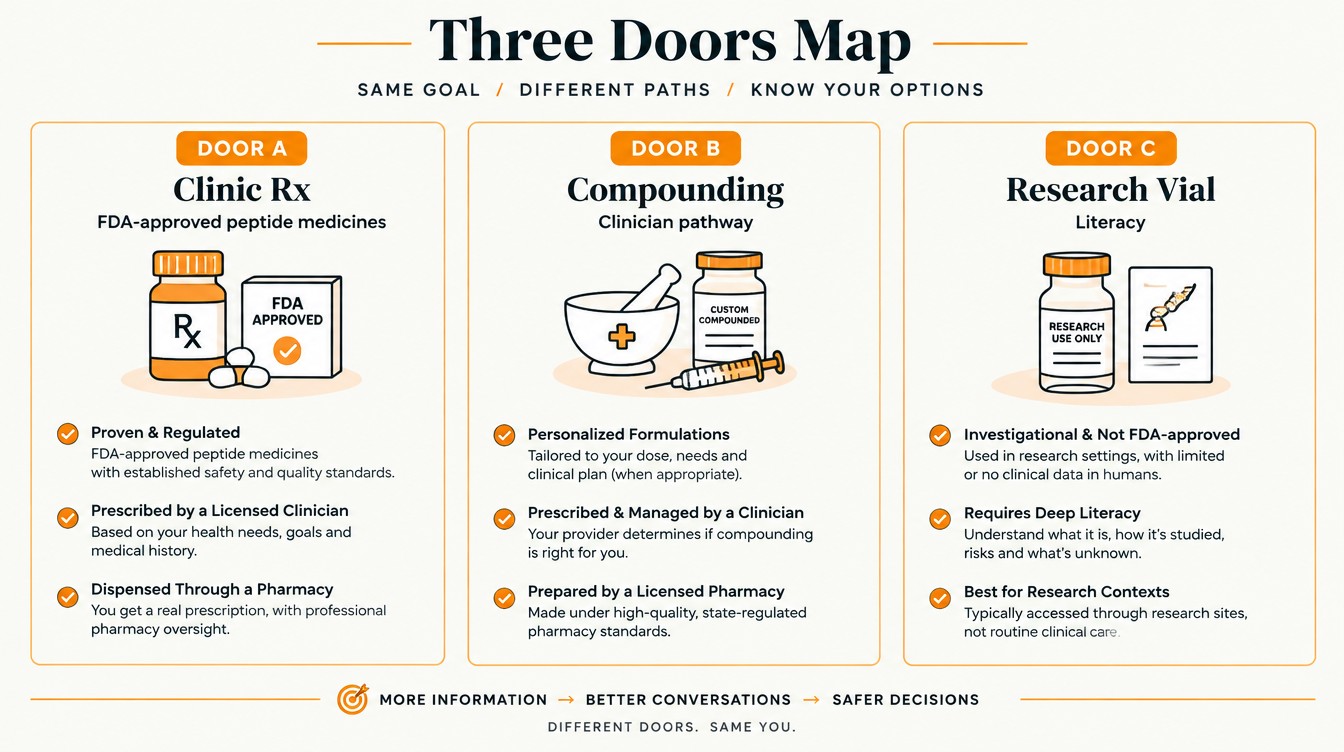
- Approved medicine with a label and a clinician path? Door A.
- Clinician discussing compounded options under pharmacy rules? Door B.
- Catalog powder with research-use framing? Door C.
How sure should you be? High that peptide medicines exist as a real FDA-approved class. High that approval does not travel with a nickname alone. Lower on any social-media claim that “all peptides are approved now.”
Why this matters: approval slang is how Door C products borrow Door A trust.
Are peptides legal in the US?
Are peptides legal in the US still needs door labels. Selling or marketing an unapproved new drug can violate federal food-and-drug law depending on claims and facts. Possessing a research chemical for personal experiments is not automatically the same case as trafficking an unapproved drug with disease claims. This page will not invent a home-use loophole chart.
Import rules, customs holds, and state clinic rules can also bite. If your question is about a specific SKU, state, and use case, you need professional advice. A magazine map is not a retainer.
So what for you: US legality talk without a door label is incomplete on purpose.
Are peptides banned?
Are peptides banned often means sport. Anti-doping agencies publish prohibited lists. Anabolic agents have long been restricted. Growth-hormone related substances and many releasing-hormone analogues show up in detection and policy literature. Reviews of WADA-prohibited substances discuss limited performance evidence for some listed agents. Sport bans protect fair play and athlete health frameworks. They are not a shopping guide for civilians.
If you compete under tested rules, use your federation’s current list and a qualified advisor. This free page will not invent a clean list of loopholes.
Chemistry confusion still matters. Peptides are not anabolic-androgenic steroids. Different chemistry. Different typical cell door. See are peptides steroids for that split. Sport status can still restrict agents in either lane.
Why this matters: banned-in-sport is not the same sentence as illegal-for-civilians.
Peptide legality myths that waste your time
- “Natural means legal.” Your body makes peptide signals. Your body also makes steroid hormones. Natural origin is not a statute.
- “Research use only means safe to inject.” Research framing is paperwork language. Safety is a different drawer. See are peptides safe and peptide side effects.
- “If it ships, it must be fine.” Shipping happens in gray markets all the time. Quality and claims still matter.
- “Peptides are just legal steroids.” No. Read the steroids chemistry page. Do not glue classes together.
- “One FDA peptide approval legalizes the whole catalog.” Approval is product-and-label specific.
Keep vs skip: keep the myth list. Skip any seller who needs you confused to close.
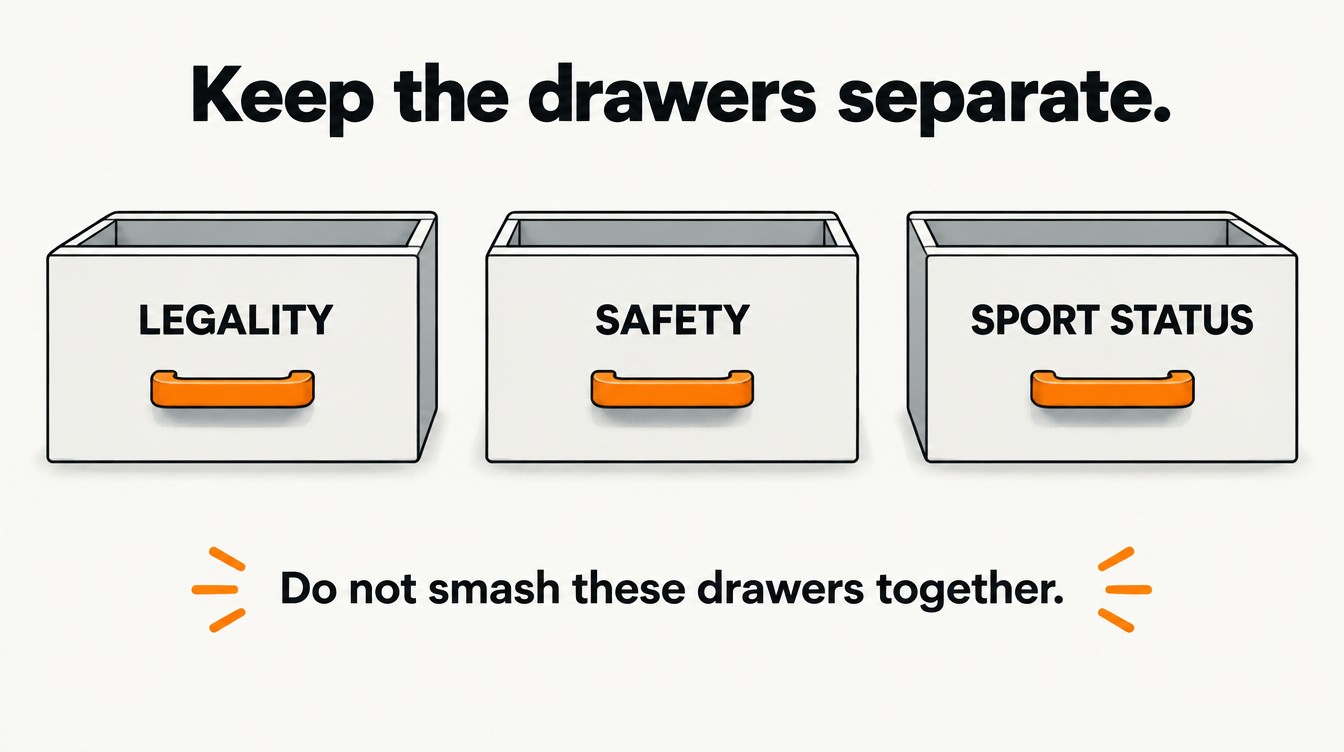
How legality, safety, and quality pull apart
Three drawers. Do not smash them.
- Legality / regulatory status: which door, which claims, which jurisdiction.
- Safety / evidence: labeled risks, trial data, thin animal work, unknown powder quality.
- Identity / quality: is the label what is in the vial? Counterfeit literacy lives here.
A product can sit in a gray marketing zone and still be low quality. A Door A medicine can be legal and still carry real labeled risks. A sport-banned agent can be a medicine in clinic. The drawers do not move together.
Why this matters: one word answers hide three different risks.
A simple sorting board you can reuse
- Name the molecule. Not “peptides.” The actual name.
- Name the door. Clinic Rx? Compounding? Research vial literacy?
- Name the claim. Labeled indication? Research curiosity? Disease hustle?
- Name the evidence shelf. Big human trials? Thin preclinical work? Forum story?
- Name the next read. Open one deep page. Do not panic-buy.
Write it out. A sorting board is a thinking tool. It is not a protocol. It will not tell you what to inject. It will tell you when a caption is lying by blending doors.
So what for you: keep the board on your phone notes. Use it before you trust a cart.
How to think about next steps
If you arrived from a “peptides are totally legal” reel, slow down. Say the door out loud. Open the matching deep page. Keep free-site reading as a map. Save personal medical decisions for a qualified clinician.
Useful next reads on this magazine:
- What are peptides
- Are peptides steroids
- Research peptides
- FDA unapproved GLP-1 weight loss
- Counterfeit research peptides
- Are peptides safe
- Best peptides
- Peptides for weight loss
- Tesamorelin
- CJC-1295 + Ipamorelin
Why this matters: the next smart step is literacy. Not a miracle claim. Not a DIY lawyer cosplay.
FAQs
Are peptides legal?
It depends on the exact product, claims, pathway, and jurisdiction. Keep Door A, Door B, and Door C separate. This page is not legal advice.
Are peptides FDA approved?
Some peptide medicines are FDA-approved for labeled uses. Many research catalog names are not approved drugs for the uses people discuss online.
Are peptides legal in the US?
US rules still need door labels. Approved medicines, compounding, and research-use marketing follow different frameworks.
Are peptides banned?
Often this means sport. Check current anti-doping lists if you compete. Sport bans are not a full civilian legality answer.
Is research use only a free pass?
No. Research framing does not erase unapproved-drug and marketing rules when claims point at people.
Are peptides steroids?
No. Different chemistry. See are peptides steroids.
Where should a beginner start?
What are peptides, then research peptides, then this legality map.
Key takeaways (echo)
- “Are peptides legal?” needs a door label.
- Door A = approved medicines. Door B = compounding rules. Door C = research vial literacy.
- FDA approval, legality slang, safety, and sport bans are different drawers.
- Education only. Not legal advice. Not medical advice. Not an FDA-approved treatment claim.
Adjacent research maps — InStock partner cards
These are education-adjacent research cards next to the legality map. Not legal advice. Not a buy-for-human-use pitch. Codes live in the links.
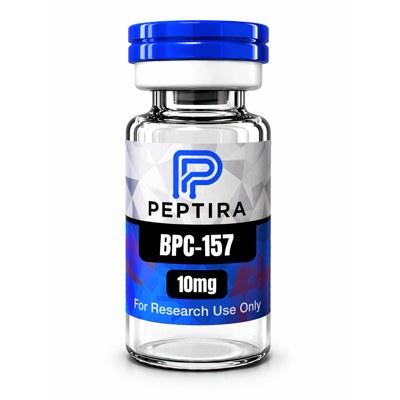 Peptira
BPC-157
LEE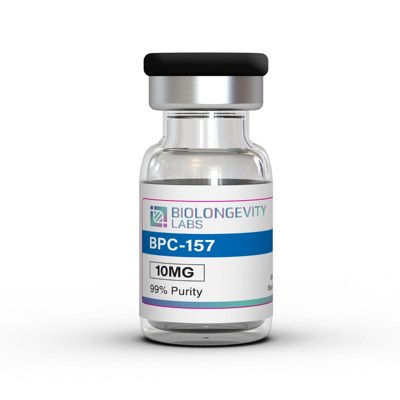 BioLongevity
BPC-157
LEE15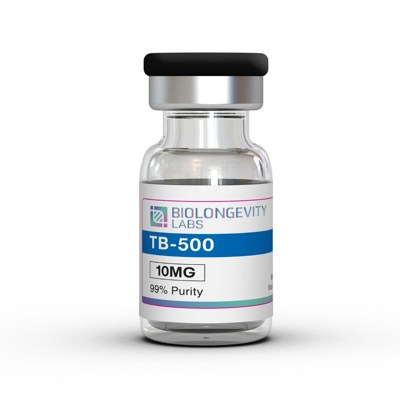 BioLongevity
TB-500
LEE15 Paramount
Wolverine Blend
LEE10 Peptira
GHK-Cu
LEE BioLongevity
GHK-Cu
LEE15 Peptira
KLOW
LEE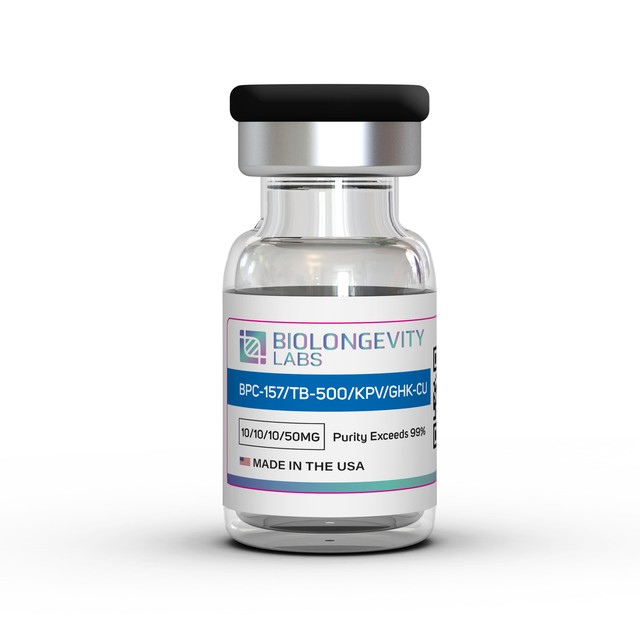 BioLongevity
KLOW
LEE15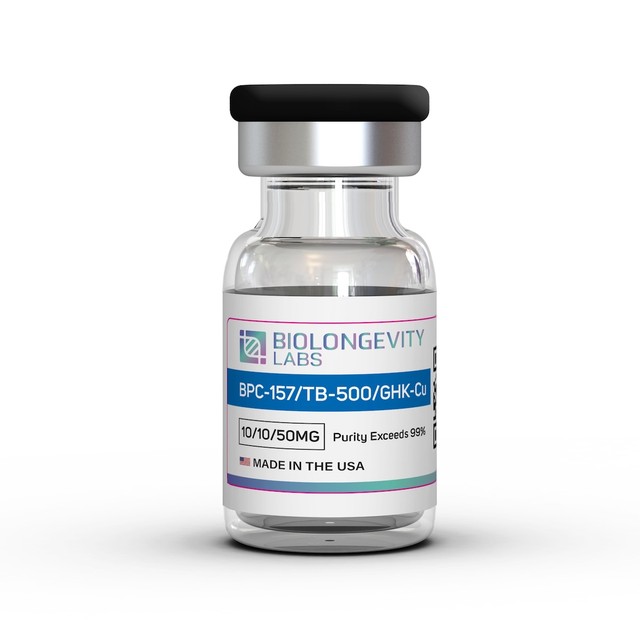 BioLongevity
GLOW
LEE15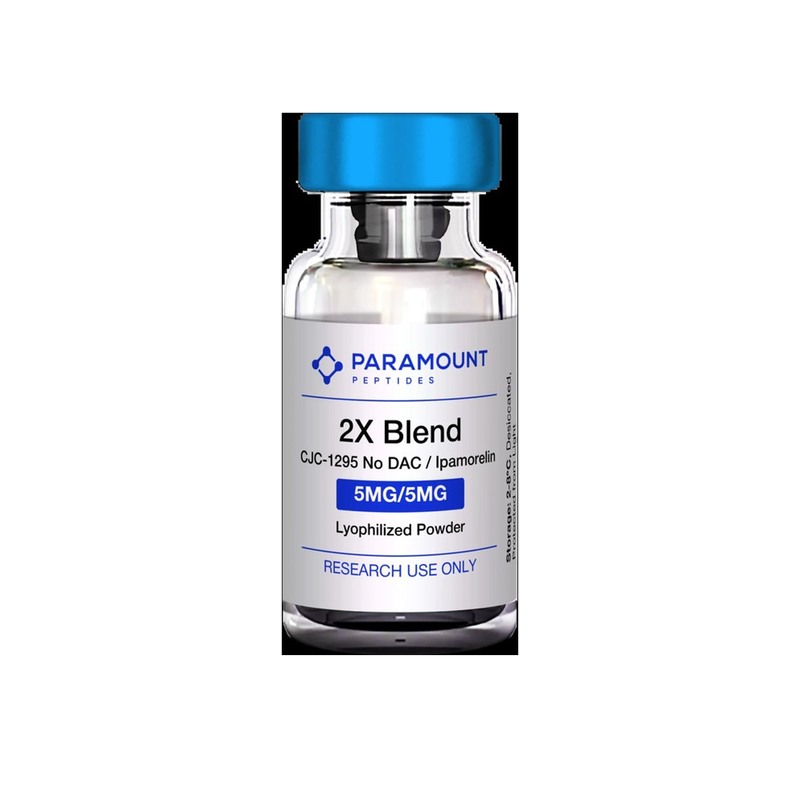 Paramount
CJC / Ipamorelin
LEE10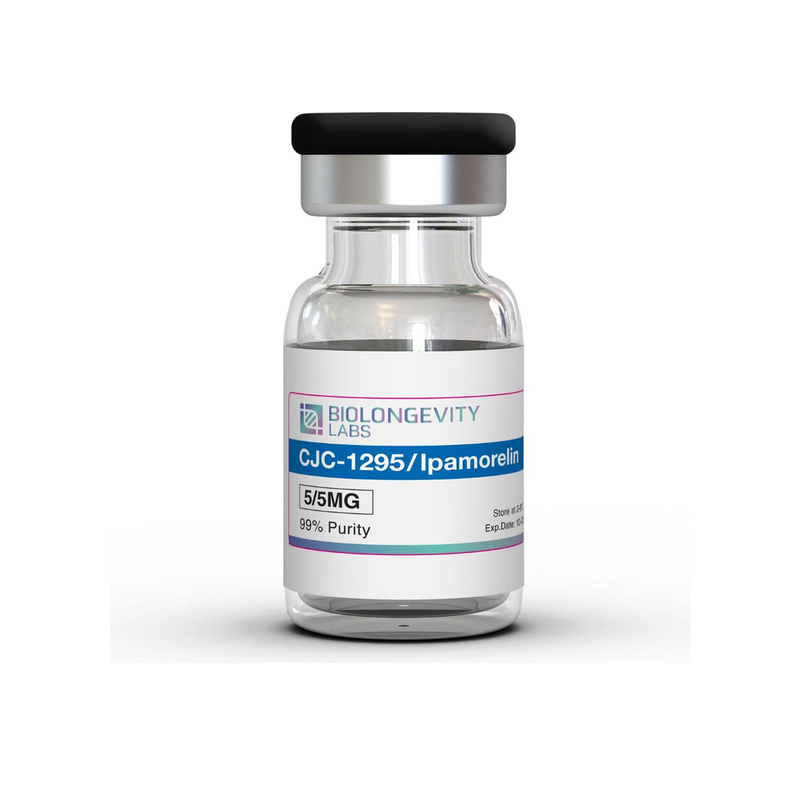 BioLongevity
CJC / Ipamorelin
LEE15 Peptira
Tesamorelin
LEE Peptira
AOD-9604
LEE Paramount
AOD-9604
LEE10 Peptira
PT-141
LEE Peptira
BAC Water
LEE Paramount
Recon Solution
LEE10 Peptira
Acetic Acid
LEEPartner homes
Limitless home · LEE20 S1 home · LEE10
Tracked homes: Limitless LEE20, Paramount LEE10, Peptira LEE, S1 LEE10, and BioLongevity LEE15.
Pro mastery: full classroom protocols stay in Peptides & Pump Pro. Free map first: community.
Get the Peptide Playbook
Free email map for how to think about peptides without the guru noise. No naked PDF dump — just the Playbook form.
Sources & Further Reading
- U.S. Food and Drug Administration. FDA’s Concerns with Unapproved GLP-1 Drugs Used for Weight Loss. Agency alert page (content marked current into 2026 on the live site).
- U.S. Food and Drug Administration. FDA Intends to Take Action Against Non-FDA-Approved GLP-1 Drugs.
- U.S. Food and Drug Administration. Human Drug Compounding hub (503A / compounding literacy entry point).
- Federal Food, Drug, and Cosmetic Act §503A (pharmacy compounding). Statute text via 21 U.S.C. §353a.
- FDA. BeSafeRx online pharmacy safety resources.
- Wilding JPH, et al. Once-weekly semaglutide in adults with overweight or obesity. N Engl J Med. 2021. PMID 33567185
- Wang L, et al. Peptide-based drug discovery: current status and recent advances. Expert Opin Drug Discov. 2023. PMID 36481586
- Falutz J, et al. Metabolic effects of a growth hormone-releasing factor in patients with HIV. N Engl J Med. 2007. PMID 18057338
- Stanley TL, et al. Effect of tesamorelin on visceral fat and liver fat in HIV-infected patients with abdominal fat accumulation. JAMA. 2014. PMID 25038357
- Heuberger JAAC, Cohen AF. Review of WADA prohibited substances: limited evidence for performance-enhancing effects. Sports Med. 2019. PMID 30411235
- Raun K, et al. Ipamorelin, the first selective growth hormone secretagogue. Eur J Endocrinol. 1998. PMID 9849822
- Chang CH, et al. The promoting effect of pentadecapeptide BPC 157 on tendon healing. J Appl Physiol. 2011. PMID 21030672
- Gwyer D, et al. Gastric pentadecapeptide BPC 157 and musculoskeletal soft tissue healing. Cell Tissue Res. 2019. PMID 30915550
- Malinda KM, et al. Thymosin beta4 accelerates wound healing. J Invest Dermatol. 1999. PMID 10469335
- Pickart L. The human tri-peptide GHK and tissue remodeling. J Biomater Sci Polym Ed. 2008. PMID 18644225
- Pickart L, et al. GHK peptide as a natural modulator of multiple cellular pathways in skin regeneration. Biomed Res Int. 2015. PMID 26236730
- Diamond LE, et al. Double-blind, placebo-controlled evaluation of intranasal PT-141. Int J Impot Res. 2004. PMID 14963471
- Bond P, et al. Anabolic-androgenic steroids: How do they work and what are the risks? Front Endocrinol. 2022. PMID 36644692 (chemistry-class contrast only; see also are peptides steroids).
Education only. Not legal advice. Not medical advice. Not an FDA-approved treatment claim. Research framing for regulatory literacy and quality literacy. Laws and guidance change. Partner links may earn a commission; codes live in the links.