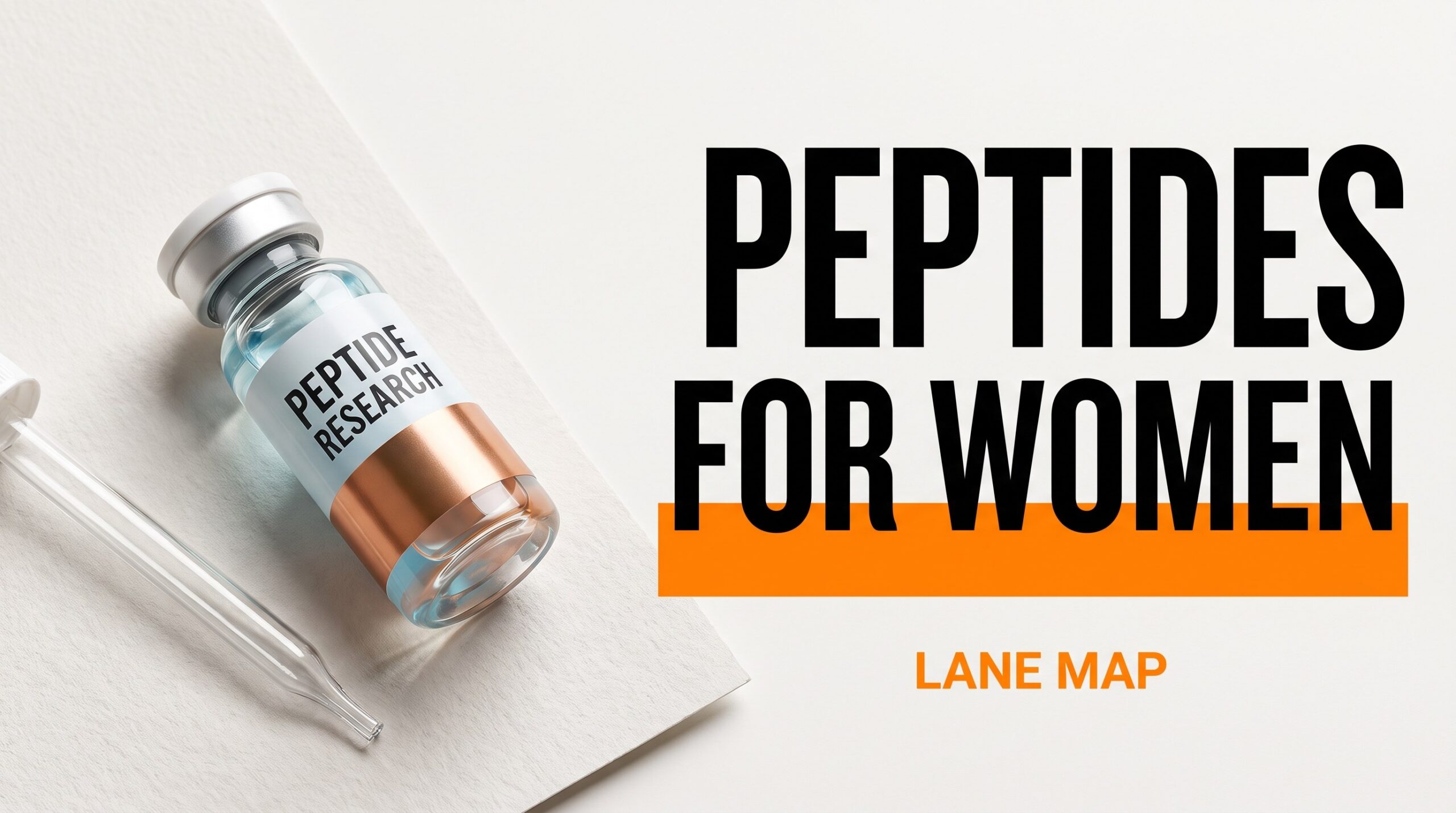
Peptides for Women: Lane Map (Recovery, Skin, GH, Desire)
Key takeaways
- Verdict: “Peptides for women” is a lane map, not one magic vial. Recovery, body-comp education, skin, GH signals, and desire literacy are different doors.
- Do not crown a single winner. Match the question to the map. Steroid / female-bodybuilding clones are the wrong template here.
- Clinic / Rx, compounding with a clinician, and research-vial literacy follow different rules. Same nickname does not mean same paperwork.
- Education only. Not medical advice. Not an FDA-approved treatment claim. No free-site dosing protocols.
Verdict up front: If you searched peptides for women, you want a clear map. Not a stack challenge. Not a “best peptide for menopause” hustle. Women ask about recovery after training, skin and copper stacks, body-comp noise next to GLP-1 headlines, GH secretagogue names, and careful desire education. Those are different lanes. This page teaches how to sort them.
This page is education and research framing only. It is not medical advice. It is not an FDA-approved treatment claim. It will not hand you a free dosing table.
Why this matters: search results mash five topics into one bottle. You deserve the split in plain English before you trust a shopping cart.
Keep reading if you want the women’s peptide lane map, keep/skip honesty, honest GH routing away from Sermorelin-as-crown, skin and recovery spokes, and partner research cards that stay InStock. No disease hustle. No skip-the-doctor pitch.
What “peptides for women” actually means
A peptide is a short chain of amino acids. Amino acids are the building blocks of proteins. Think of peptides as short text messages cells can read. That is the whole idea in one picture. Some messages get studied for repair stories. Some show up in skin science. Some sit next to growth-hormone signal research. Some have an FDA-approved medicine cousin. That cousin lives in a different paperwork lane.
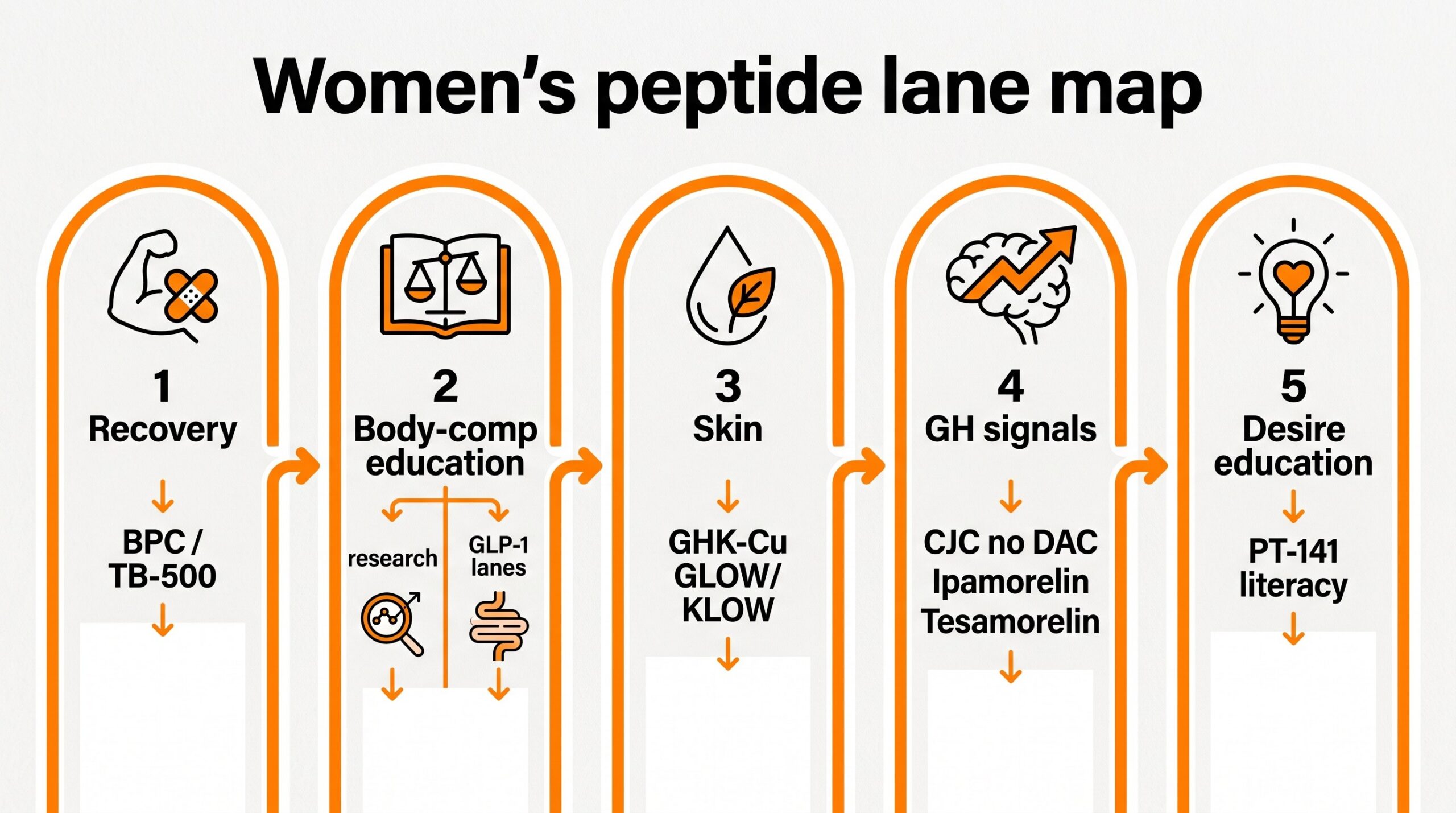
When people type best peptides for women or peptides for women over 40, they are rarely asking one chemistry question. They are asking a life question. It usually has five drawers:
- Recovery / healing curiosity — names like BPC-157 and TB-500
- Body-comp education — research fragments like AOD-9604 vs prescription GLP-1 maps on peptides for weight loss
- Skin / copper stacks — GHK-Cu, GLOW, Klow, wider peptides for skin
- GH signal literacy — Sermorelin search volume vs preferred maps on CJC-1295 + Ipamorelin, Ipamorelin, and Tesamorelin
- Desire education — careful map for PT-141 / bremelanotide literacy
Stop-you number from the approved-medicine side of desire research. Not from a research-vial shopping cart. In the two Phase 3 RECONNECT trials of bremelanotide for hypoactive sexual desire disorder, researchers tracked satisfying sexual events. Placebo-adjusted increases were about 0.69 and 0.75 events in those trial windows. That is FDA-path medicine data. It comes with inclusion rules, risk talk, and a clinician. It is not a free pass to treat a research vial like a prescription.
So what for you: name the drawer first. Then open the matching map.
Why this matters (the mash-up problem)
Social feeds love one flat claim: “peptides for women.” Real life is messier. Training recovery is not skin copper. Skin copper is not a GLP-1. A GLP-1 headline is not a research fragment named AOD-9604. A GH secretagogue search is not a desire medicine trial. Keep the drawers apart.
Mechanism analogy time. Picture a hardware store with five aisles. Someone tapes a giant sign over the whole store. The sign says “TOOLS FOR WOMEN.” Helpful? Sort of. Accurate? No. You still need the right aisle for the job.
New to the whole category? Start with what are peptides, then the overview on best peptides, then come back here for the women-focused sorting board.
Why this matters: aisle confusion is how people buy the wrong confidence.
Three doors (do not smash them)
Before any molecule name, learn the doors:
- Door A — Clinic / Rx lane — FDA-approved medicines when they exist for a labeled use. Doctor visit. Pharmacy rules. Insurance or cash-pay talk.
- Door B — Compounding / clinician — a licensed clinician may discuss compounded options under medical rules. Still not a TikTok protocol.
- Door C — Research vial literacy — freeze-dried powders sold under research-use framing. Different intent language. Different quality questions. Label is not contents. See counterfeit research peptides.
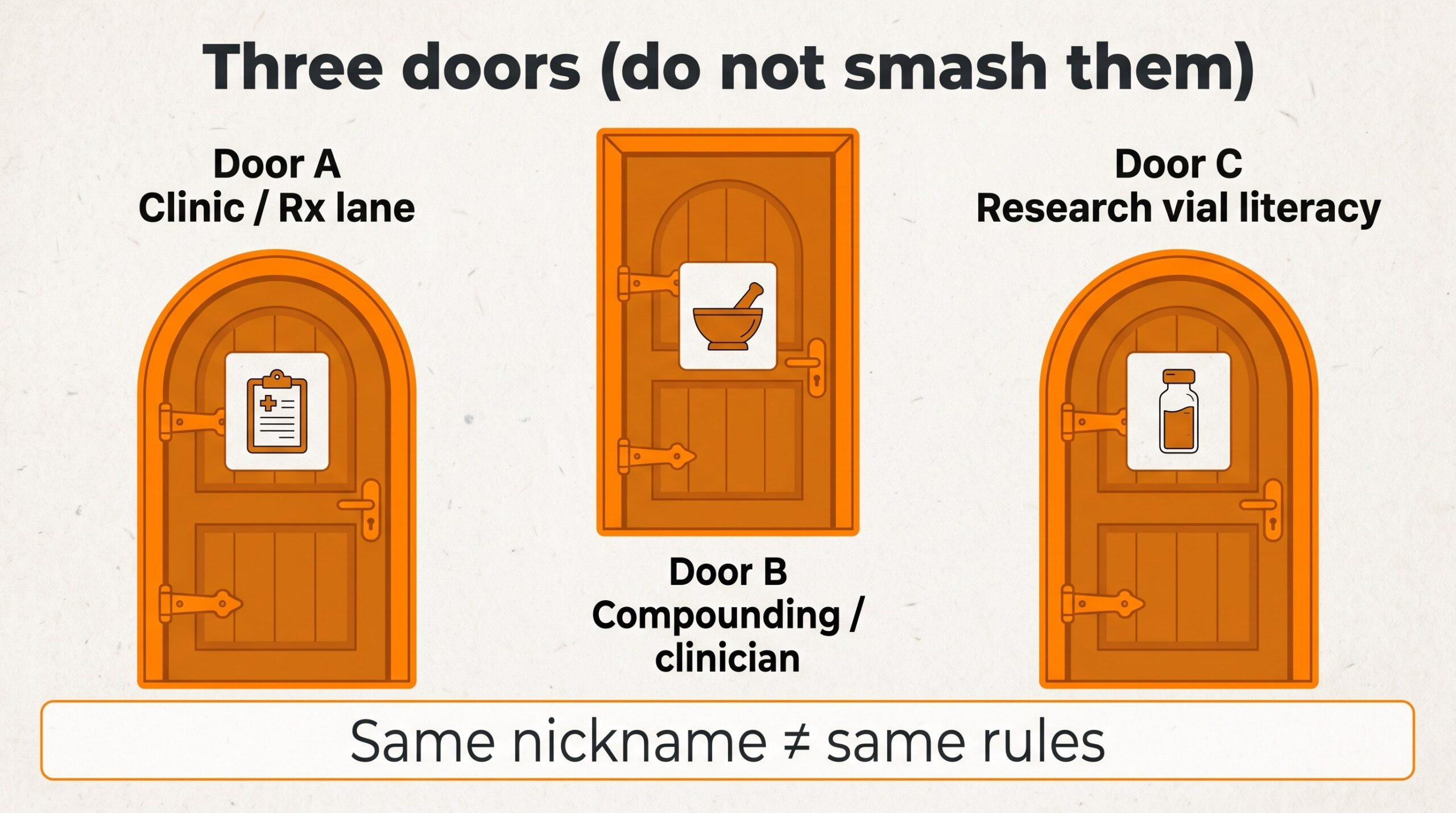
Write it out: same nickname on a bottle can sit behind different doors. Rules, quality checks, and evidence bars do not travel with the nickname alone.
Basics that still help on Door C literacy: how to reconstitute peptides as education, bacteriostatic water, and safety framing on are peptides safe.
So what for you: say the door out loud before you trust a claim.
Lane 1: Recovery and healing curiosity
Many women land here after stubborn training niggles, soft-tissue curiosity, or “Wolverine stack” social posts. The two names that dominate are BPC-157 and TB-500.
BPC-157 is a short gut-derived peptide. Labs have studied it a lot in animal tendon and soft-tissue models. One classic rat tendon outgrowth paper is in Sources. Human trial stacks are still thin next to the marketing volume. Oral vs injectable curiosity has its own map on oral BPC-157.
TB-500 is the research nickname people use around thymosin beta-4 fragment stories. Thymosin beta-4 has a long research trail in actin binding and wound healing. Actin is a cell-skeleton protein. The story is about cell movement and repair signals in lab work. That is not the same as a finished, woman-specific FDA treatment claim on a research vial.
Blends get sold as “Wolverine.” Teach the parts first. Then decide if a blend label even helps your literacy.
How sure should you be? Preclinical and mechanistic papers can be fascinating. Confidence for personal human outcomes should stay humble unless you are in a real clinical lane with a clinician.
Why this matters: recovery curiosity is real. Miracle soft-tissue ads are not a substitute for diagnosis.
Lane 2: Body-comp education without the hustle
Weight-loss headlines are loud right now. Semaglutide, tirzepatide, and newer multi-agonist research sit in major journals. Those are mostly prescription or trial lanes. The medical framing is clear. Our magazine map for that cluster lives on peptides for weight loss.
Separate drawer: research fragments like AOD-9604. AOD-9604 is a lab-made fragment. It was inspired by a piece of human growth hormone that relates to fat breakdown. Early metabolic papers exist. It is not “injectable Ozempic with a new sticker.” Do not glue research-fragment marketing onto GLP-1 Phase 3 confidence.
Online menopause body-comp talk often skips the boring truth. Sleep still matters. Protein still matters. Lifting still matters. Clinician-guided hormone talks still matter. Peptides are not a free pass around that foundation.
Keep vs skip: keep education that separates Rx GLP maps from research fragments. Skip “peptides for women over 40 melt belly fat” disease-style pitches.
So what for you: if the ad sounds like a before/after commercial, you are not reading a map. You are reading a funnel.
Lane 3: Skin, copper, GLOW, and Klow
Skin is where a lot of women first hear “peptides.” Copper peptide is the usual entry. GHK-Cu is a three-amino-acid chain bound to copper. Classic cell-culture work from the late 1980s showed it can spur collagen making in fibroblasts. Fibroblasts are the skin cells that build scaffolding. Later reviews map gene and tissue-remodeling stories. That is real literature. It is still not a promise that a random vial erases aging.
GLOW and Klow are stack names people search next to copper. Teach them as adjacent maps, not as GHK under a costume. Broader skin cluster: peptides for skin. Expression-line cousins like SNAP-8 live in a different cosmetic story.
Why this matters: skin marketing loves glow words. Your job is molecule names and evidence limits.
Lane 4: GH signal map (honest routing)
Search volume loves Sermorelin. That does not mean this magazine crowns it. The lock on this site is honest routing. Teach Sermorelin for the search question. Then point literacy toward CJC-1295 no DAC + Ipamorelin, Ipamorelin, and Tesamorelin maps. Muscle-oriented GH talk also sits on peptides for muscle growth and peptides for bodybuilding. That is a different intent than this women’s hub.
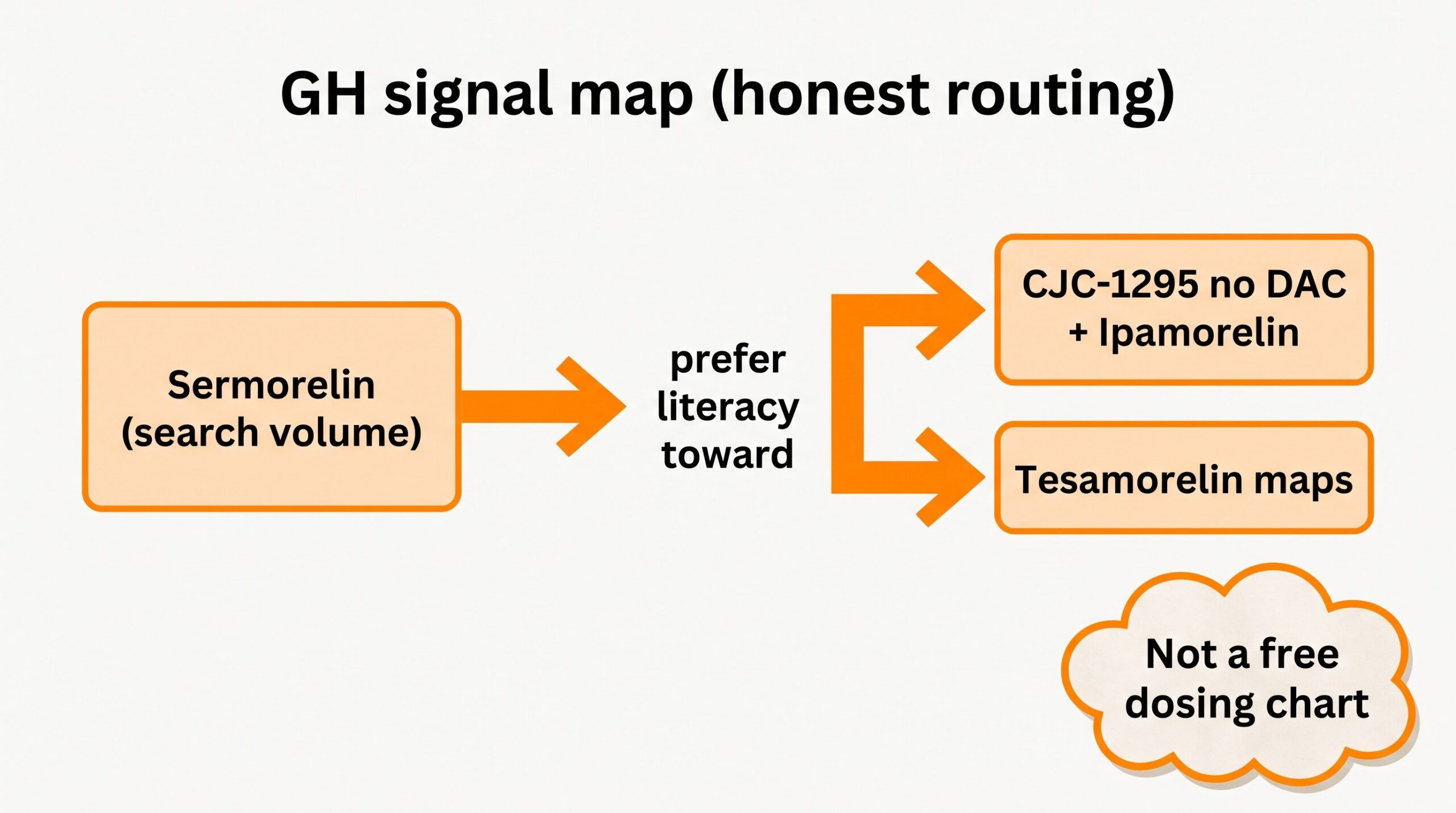
Write it out: a secretagogue is a signal. It asks the body to release more of a hormone. It is not the same thing as injecting the hormone itself. Ipamorelin was described as a selective growth hormone secretagogue in late-1990s lab work. Tesamorelin has an FDA-approved medicine story. That story is about reducing deep belly fat in specific HIV-related fat disorders. That approved-medicine story is not a free-site “fat loss for everyone” coupon.
How sure should you be? High on “these are different tools.” Lower on any influencer claiming one GH peptide is the universal women’s fix.
Why this matters: Sermorelin volume is a search fact. Preference routing is literacy.
Lane 5: Desire education (PT-141 / bremelanotide), carefully
PT-141 is the research nickname people use next to bremelanotide. Bremelanotide is an FDA-approved injectable medicine (Vyleesi). It is labeled for acquired, generalized hypoactive sexual desire disorder in premenopausal women. It has labeled risks and a clinician pathway. Phase 3 RECONNECT data and brain-pathway reviews sit in Sources.
That approved lane is Door A. A lyophilized research vial sold online is Door C. Do not mash them. This free page will not hand dosing, stacking, or “use this instead of talking to your doctor” scripts.
Keep vs skip: keep literacy about melanocortin pathways and trial endpoints. Skip shame-based ads and skip-the-doctor pressure.
So what for you: desire questions deserve clinical dignity. Maps help. Hustle does not.
Keep vs skip (education checklist)
Keep thinking when you see:
- Clear lane labels: recovery vs skin vs body-comp vs GH vs desire.
- Door honesty: Rx / clinician / research vial called out.
- Evidence limits said out loud — animal vs human, approved vs research.
- Internal links to deep pages instead of one mega-protocol dump.
- Quality talk for vials: lots, matching tests, identity methods.
Skip the hype when you see:
- “Best peptide for women” as a single crown with no lane split.
- Free-site dosing tables for research chemicals as personal treatment.
- Disease-treatment pitches, menopause cures, or skip-the-doctor pressure.
- Steroid / SARM stacks dressed up as “peptides for women.”
- Borrowed GLP-1 Phase 3 confidence glued onto AOD-9604 marketing.
Why this matters: keep/skip protects your attention. It is not a shopping dare.
Evidence limits (say them out loud)
- BPC-157 and thymosin beta-4 stories are rich in preclinical and mechanistic work. Broad, high-quality women-specific RCTs for research vials are not the same as the ad volume.
- GHK-Cu has decades of skin and remodeling literature. Culture and review data are not a guarantee for every finished product.
- Tesamorelin’s strongest labeled clinical story is specific, not a universal body-comp coupon.
- Bremelanotide Phase 3 data is for a defined HSDD indication under medical rules — not a research-vial shopping guide.
- AOD-9604 early metabolic papers are not GLP-1 Phase 3 equivalents.
If a seller talks like the science is finished forever, that is a literacy red flag.
FAQ: peptides for women questions people actually type
What are the best peptides for women?
Wrong question shape. Ask which lane you mean. Recovery, skin, body-comp education, GH signals, or desire literacy. Then open that map.
Are peptides for women over 40 different?
Age changes priorities and medical context. It does not invent a secret purple vial. Foundation habits and clinician conversations still matter. Education only.
Is this medical advice?
No. Education and research framing only. Talk with a qualified clinician for personal decisions.
Where should a beginner start?
Start Here, what are peptides, then this lane map. Classroom depth lives in Peptides & Pump Pro ($10/mo, 7-day trial) without free-site protocol dumps.
Do you recommend Sermorelin first?
We teach it because people search it. Prefer literacy toward CJC no DAC / Ipamorelin and Tesamorelin maps rather than crowning Sermorelin.
How women’s search intent actually splits
Search demand around peptides for women is not one intent. It is a bundle. Some people want recovery literacy after hard training. Some want skin and copper stack maps. Some heard a podcast about GH peptides. Some stare at GLP-1 ads and wonder what “research peptides” even means. Some quietly look up desire medicine names. They do not want shame in the search bar.
That is why this hub refuses a single winner. Crowning one vial is lazy SEO. Teaching the split is the real job.
Related deep pages already live on this magazine. Use them. Dense internal links are how long sessions happen:
- Foundations: what are peptides, research peptides, peptide dosage education map, are peptides safe
- Recovery: BPC-157, TB-500, oral BPC-157
- Skin: peptides for skin, GHK-Cu, glow peptide, klow peptide, SNAP-8
- Body-comp education: peptides for weight loss, AOD-9604
- GH signals: sermorelin, CJC-1295 ipamorelin, ipamorelin, tesamorelin, peptides for muscle growth
- Desire literacy: PT-141
- Ops literacy: how to reconstitute peptides, bacteriostatic water, counterfeit research peptides, start here, best peptides
Why this matters: a hub that does not send you deeper is a bounce page. A hub that maps lanes earns dwell.
Plain English: what a “lane” is
A lane is a question shape. It is not a brand. It is not a vibe. If your question is “why is my tendon still angry after training,” you are in recovery curiosity. If your question is “what is this copper peptide on my serum label,” you are in skin. If your question is “what did that GH peptide podcast mean,” you are in GH signals. Mix the lanes and you buy the wrong story.
Short sentences help here on purpose. Complex peptide talk gets cloudy fast. We keep the science. We put it after the plain line.
So what for you: write your real question in one sentence. Then pick the lane that matches that sentence.
Recovery lane deep dive (without protocol dump)
BPC-157 shows up in animal tendon and soft-tissue papers. One well-cited rat study looked at tendon outgrowth, cell survival, and ERK pathway signaling. ERK is a cell-message pathway. Think of it as a relay team inside the cell. It passes a “grow / move / survive” note. That kind of paper helps you see why researchers care. It does not hand you a human dosing chart on a free magazine page.
TB-500 talk usually points at thymosin beta-4 biology. Thymosin beta-4 binds actin. Actin is part of the cell’s internal scaffolding. When cells need to move into a repair zone, that scaffolding story matters. Older wound-healing papers describe faster repair signals in lab and animal settings. Newer dry-eye clinical work on thymosin beta-4 exists in a medical context. Again: context is the point.
Women train. Women lift. Women get soft-tissue problems. Curiosity is fair. What is not fair is a caption that says a research blend replaces diagnosis. Or imaging. Or a clinician.
Keep reading the molecule pages. Keep the free site as a map. Keep full stacks in Pro or with a clinician.
Body-comp lane: two stories that get glued together
Story one is prescription incretin medicines. Semaglutide and tirzepatide have large human trials in obesity. Retatrutide has Phase 2 data as a triple agonist. Those papers are in Sources. They belong in a medical conversation with a clinician.
Story two is research fragments and catalog names. They ride the same search wave. AOD-9604 is a fragment inspired by a growth-hormone region tied to fat breakdown. Early metabolic papers in mice exist. Small human exploratory work exists too. That is a thinner evidence shelf. It is still useful literacy. It is not “the same as Wegovy with a cooler label.”
Women over 40 get hit with fat-loss ads all the time. Some ads are honest education. Many are not. If the copy treats menopause like a coupon code for a vial, skip it.
How sure should you be? High that GLP-1 / dual / triple agonist trial data is a different confidence class than early AOD fragment papers. High that food, sleep, protein, and lifting still matter.
Skin lane: copper first, stacks second
GHK is a tripeptide. That means three amino acids. Copper can bind it. In 1988 cell-culture work, the copper complex spurred collagen making. Collagen is the scaffolding protein in skin and connective tissue. Later reviews describe wide gene and tissue-remodeling themes. That trail is why copper peptide earned a serious reputation in skin science.
GLOW and Klow are search names for multi-peptide stacks. They often include copper plus other research names. Teach the parts. Do not pretend a stack sticker is a new element on the periodic table.
Cosmetic expression-line peptides like SNAP-8 sit nearby in curiosity. They are not in the same mechanism drawer as GHK. Keep them sorted.
Why this matters: skin is emotional. Marketing knows that. Your map should stay calm.
GH lane: search volume vs preference routing
Sermorelin gets typed a lot. That is a search fact. On this site we still route literacy toward CJC-1295 without DAC paired with Ipamorelin. We also point to Tesamorelin maps. We do not crown Sermorelin as the default “women’s GH peptide.”
Ipamorelin was described as a selective growth hormone secretagogue. Selective means it was built to push growth hormone release with less side noise than some older research tools. Tesamorelin has an FDA-approved analogue story. That story is about reducing visceral fat in specific HIV-related fat disorders. Visceral fat is deep belly fat around organs. That labeled clinical story is precise. It is not a free invite to treat every midsection photo as a Tesamorelin ad.
Muscle and bodybuilding GH pages exist for gym-intent traffic. This women’s hub stays wider and less “stack chart.”
So what for you: if a page only pushes Sermorelin because the keyword is easy, you are seeing SEO, not routing.
Desire lane: dignity, doors, and data
Hypoactive sexual desire disorder is a clinical term. It is not a joke keyword. Bremelanotide (Vyleesi) is an FDA-approved on-demand injectable for acquired, generalized HSDD in premenopausal women. It has labeled warnings and a clinician pathway. RECONNECT Phase 3 trials tested satisfying sexual events and desire scores against placebo. Safety reviews came next. Subgroup analyses came next too.
PT-141 is the name floating around research catalogs and older melanocortin papers. Melanocortin receptors are signal docks in the brain and body. They can touch desire pathways. Early nose-spray PT-141 work explored safety and how the drug acts in the body. That history helps literacy. It does not turn a research vial into a prescription.
Talk with a clinician if desire changes worry you. This page will not coach a DIY workaround.
Why this matters: desire literacy without dignity is just another funnel.
Quality literacy that applies to every lane
If you are reading about research vials at all, quality talk matters. Lot numbers should match test sheets. Identity methods should make sense. Pretty labels are not proof. Counterfeit and mislabel problems are real. This magazine keeps a dedicated page on them.
Reconstitution literacy is education. It is about how freeze-dried powders get discussed in research settings. It is not a green light. Bacteriostatic water is a tool name people search next to vials. Learn the words. Keep the medical decisions with a professional.
Keep vs skip: keep vendors who show clear paperwork culture. Skip mystery powder cosplay.
What this page will not do
- It will not publish a free-site women’s dosing table.
- It will not tell you to skip your doctor.
- It will not claim research peptides are FDA-approved treatments for menopause, injury, obesity, or desire problems.
- It will not clone a male bodybuilding stack article and swap the pronouns.
- It will not crown Sermorelin, BPC, GHK, or PT-141 as the one answer.
What it will do is stay Google-clean, teacher-clear, and receipt-heavy.
Partner research options (codes in the links)
Education first. Below is the public InStock convert set for this hub — recovery, skin, GH-adjacent, body-comp education, desire literacy, and recon basics. Codes live in the links. Research-use and education framing only. Not a treatment claim. Not a “buy this to fix menopause” pitch.
Women’s hub maps — InStock research cards
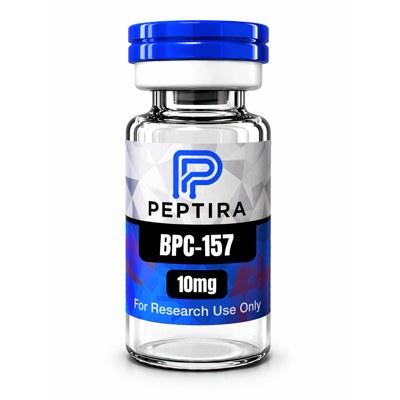 Peptira
BPC-157
LEE BioLongevity
BPC-157
LEE15 BioLongevity
TB-500
LEE15 Paramount
Wolverine Blend
LEE10 Peptira
GHK-Cu
LEE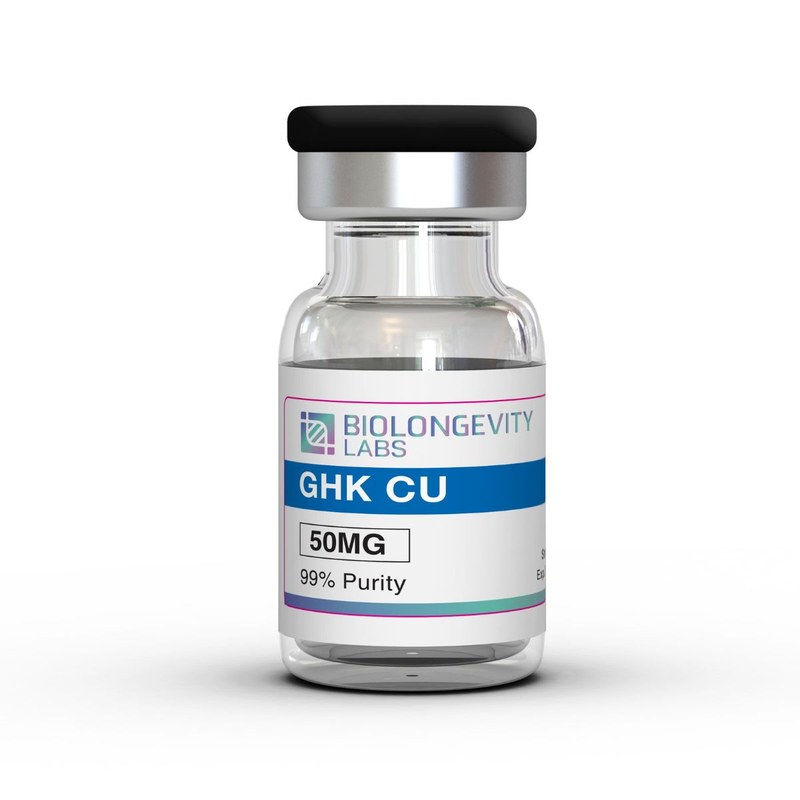 BioLongevity
GHK-Cu
LEE15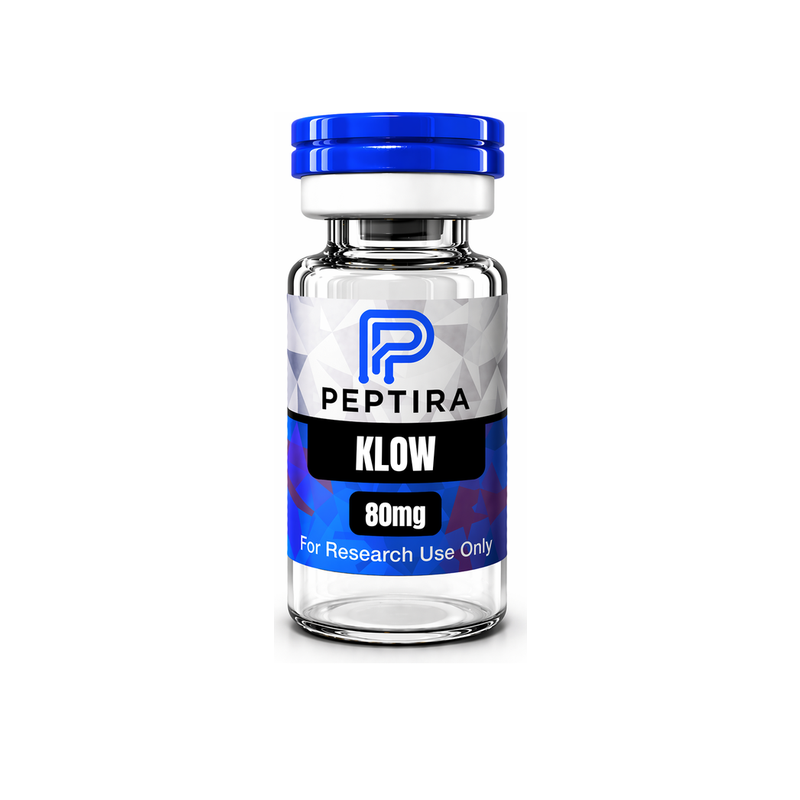 Peptira
KLOW
LEE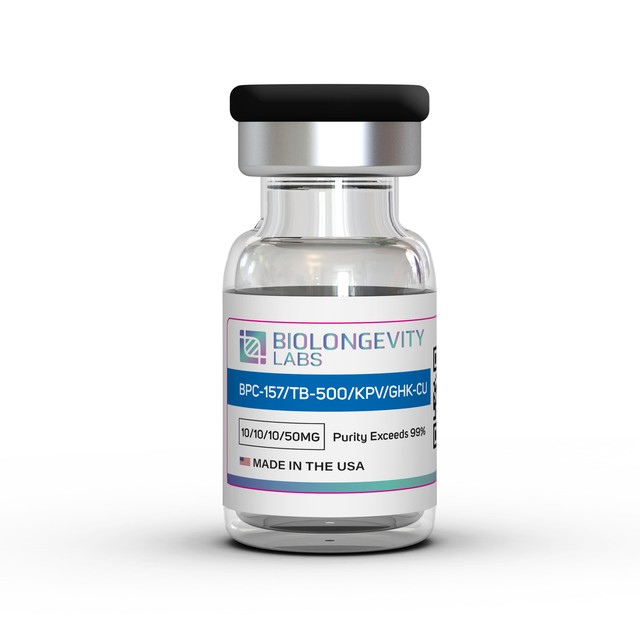 BioLongevity
KLOW
LEE15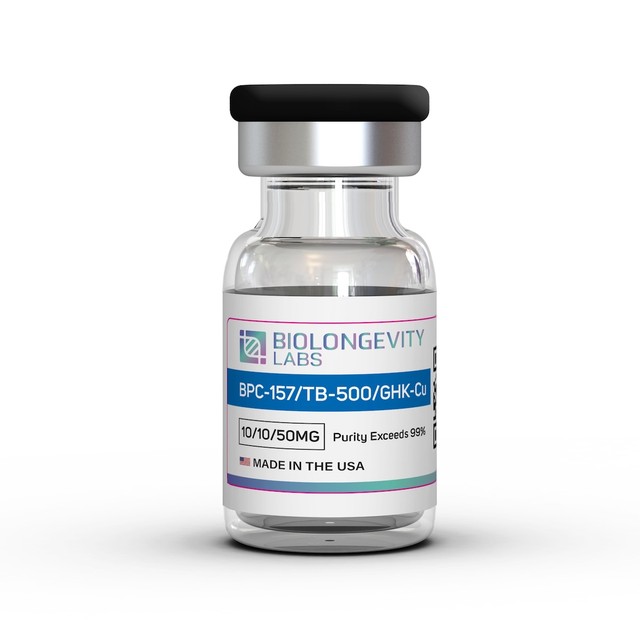 BioLongevity
GLOW
LEE15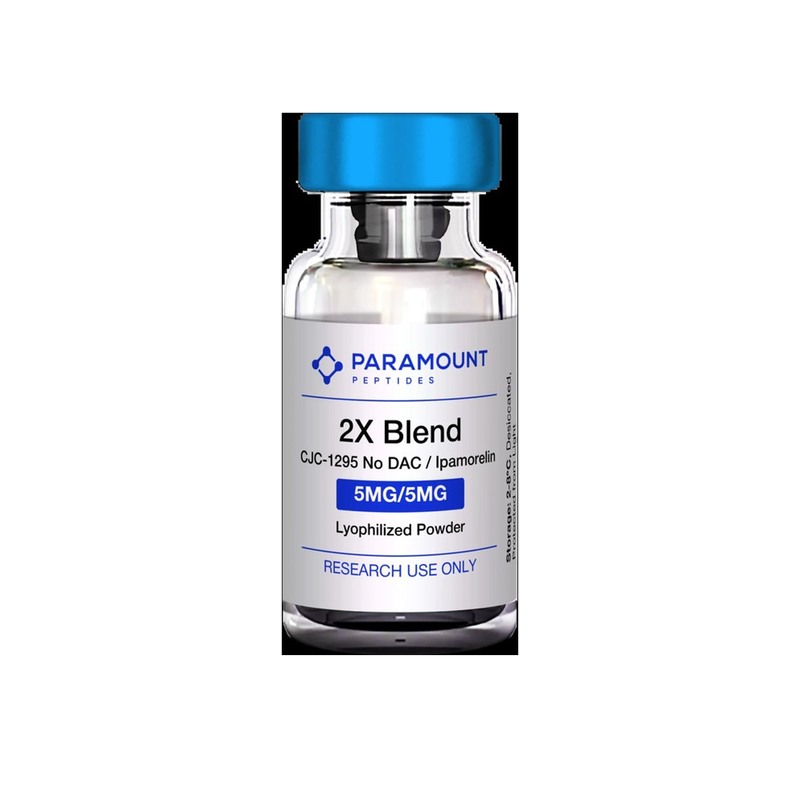 Paramount
CJC / Ipamorelin
LEE10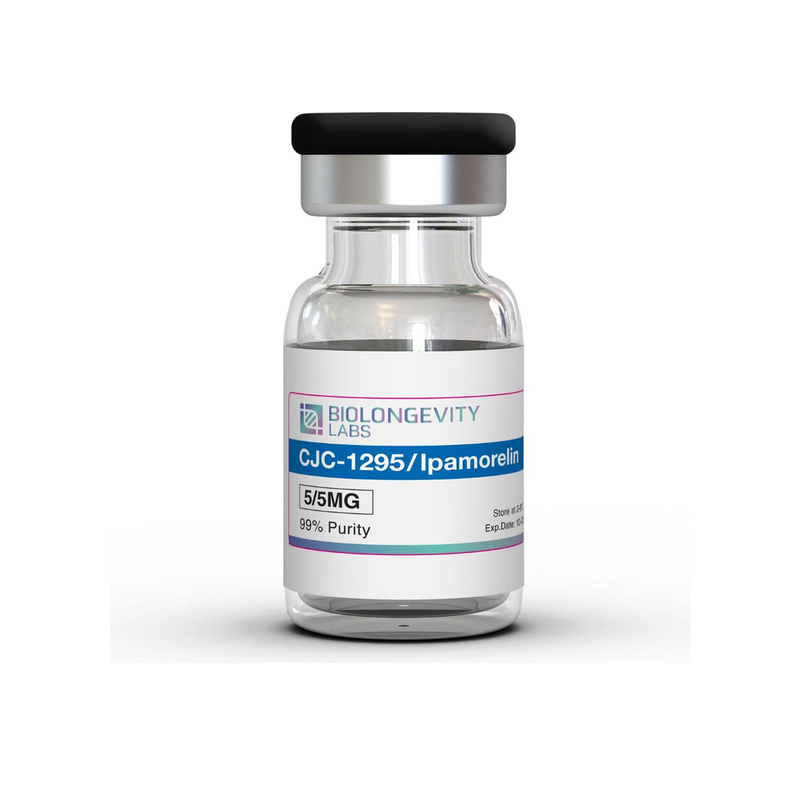 BioLongevity
CJC / Ipamorelin
LEE15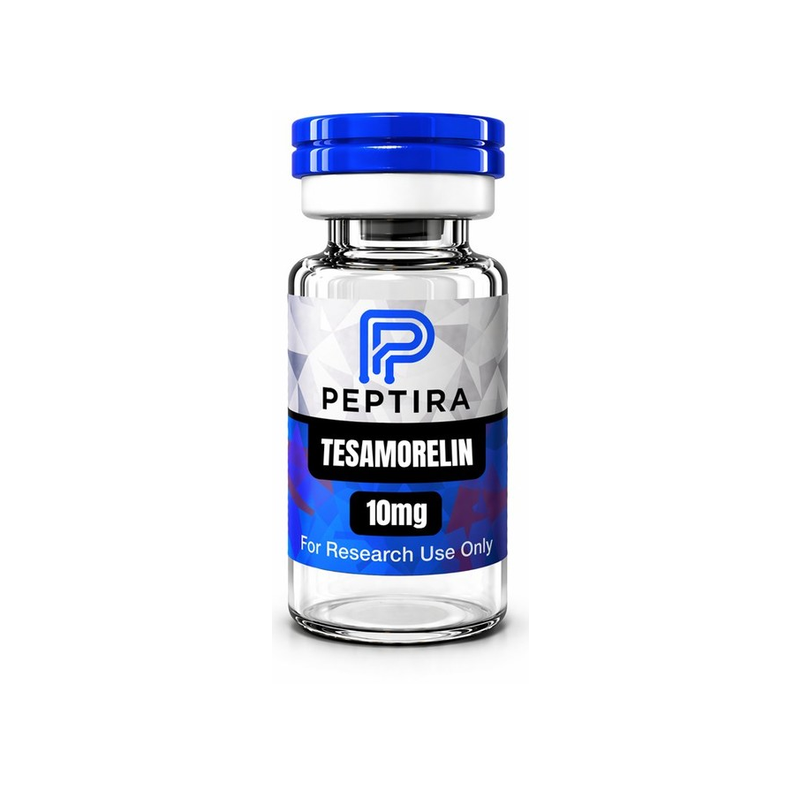 Peptira
Tesamorelin
LEE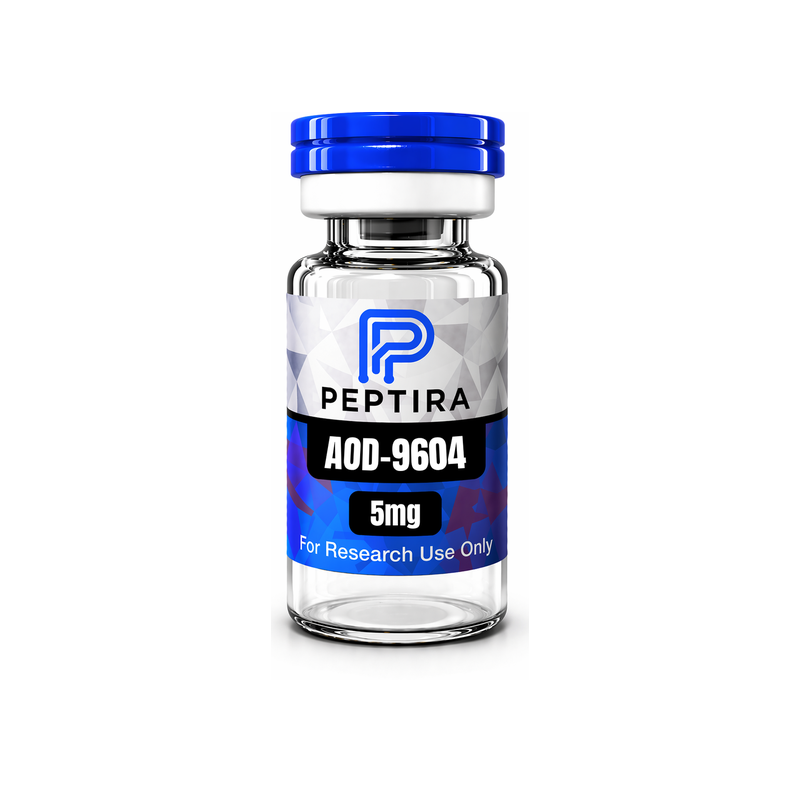 Peptira
AOD-9604
LEE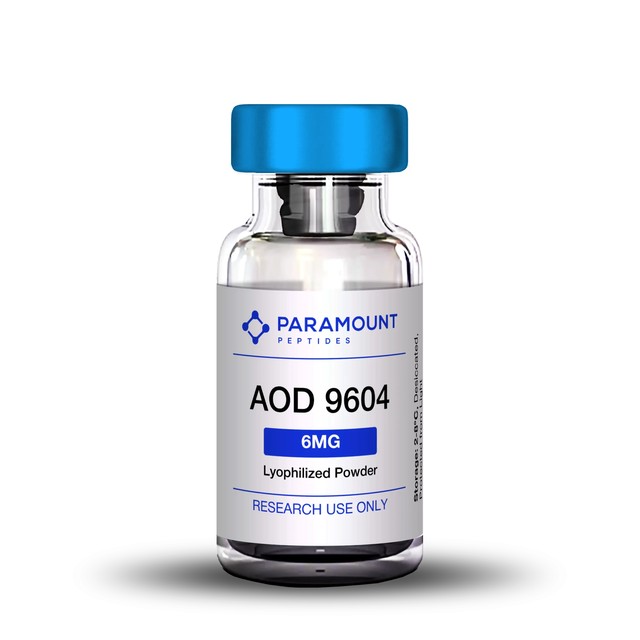 Paramount
AOD-9604
LEE10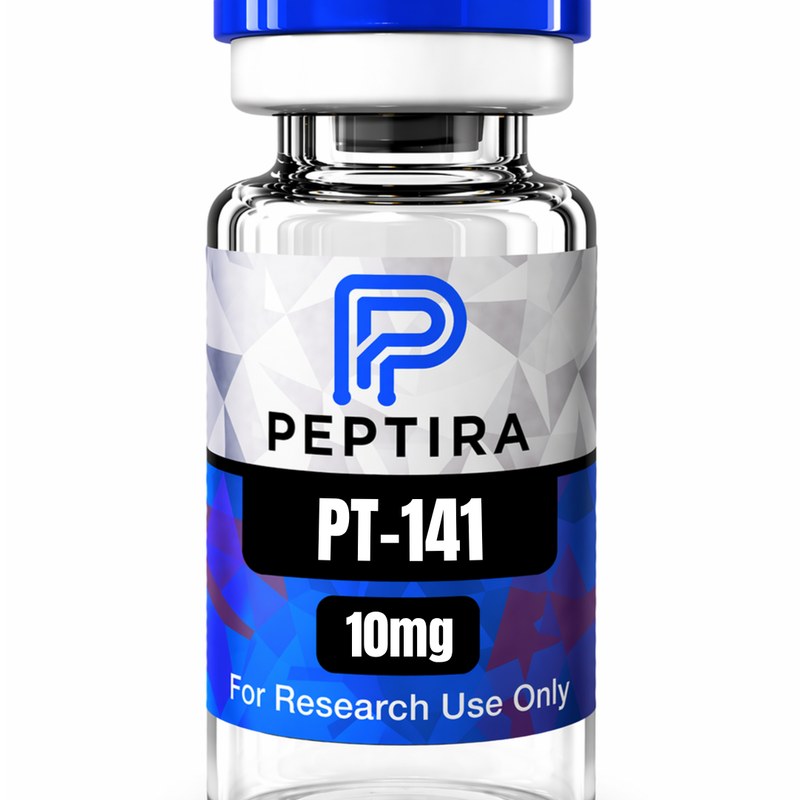 Peptira
PT-141
LEE Peptira
BAC Water
LEE Paramount
Recon Solution
LEE10 Peptira
Acetic Acid
LEEPeptira BPC-157 · LEE BLL TB-500 · LEE15 Peptira GHK-Cu · LEE BLL GLOW · LEE15 Paramount CJC/Ipa · LEE10 Peptira Tesamorelin · LEE Peptira AOD-9604 · LEE Peptira PT-141 · LEE Limitless home · LEE20 S1 shop · LEE10
No Limitless VIP-login SKU is heroed here. Keep tracked homes handy: Limitless LEE20, Paramount LEE10, Peptira LEE, S1 LEE10, and BioLongevity LEE15.
How to think about next steps
If you came in from a “peptides for women” reel, slow down. Name the lane. Name the door. Open the matching deep page. Keep free-site reading as a map. Save protocols for a clinician or for Pro classroom depth.
New here? Visit Start Here. Want the magazine path without protocol dumps? Stay in the spokes linked above. Want mastery library access? /community/.
Why this matters: the next smart step is literacy. Not a panic buy. Not a miracle claim.
So what for you: write one sentence before you trust any “peptides for women” pitch: “Which lane is this — and which door am I actually looking at?”
Key takeaways (echo)
- “Peptides for women” is a multi-lane map: recovery, body-comp education, skin, GH signals, desire literacy.
- Do not crown one winner. Do not smash Rx, compounding, and research vials into one story.
- Education only. Not medical advice. Not an FDA-approved treatment claim.
Get the Peptide Playbook
Free email map for how to think about peptides without the guru noise. No naked PDF dump — just the Playbook form.
Sources & Further Reading
- Chang CH, et al. The promoting effect of pentadecapeptide BPC 157 on tendon healing involves tendon outgrowth, cell survival, and ERK activation. J Appl Physiol. 2011. PMID 21030672
- Gwyer D, et al. Gastric pentadecapeptide body protection compound BPC 157 and its role in accelerating musculoskeletal soft tissue healing. Cell Tissue Res. 2019. PMID 30915550
- Seiwerth S, et al. BPC 157 and standard angiogenic growth factors. Gastrointestinal tract healing, lessons from tendon, ligament, muscle and bone healing. Curr Pharm Des. 2018. PMID 29998800
- Józwiak M, et al. Multifunctionality and possible medical application of the BPC 157 peptide — literature and patent review. Pharmaceuticals. 2025. PMID 40005999
- Malinda KM, et al. Thymosin beta4 accelerates wound healing. J Invest Dermatol. 1999. PMID 10469335
- Goldstein AL, et al. Thymosin beta4: actin-sequestering protein moonlights to repair injured tissues. Trends Mol Med. 2005. PMID 16099219
- Maquart FX, et al. Stimulation of collagen synthesis in fibroblast cultures by the tripeptide-copper complex glycyl-L-histidyl-L-lysine-Cu2+. FEBS Lett. 1988. PMID 3169264
- Pickart L. The human tri-peptide GHK and tissue remodeling. J Biomater Sci Polym Ed. 2008. PMID 18644225
- Pickart L, et al. GHK peptide as a natural modulator of multiple cellular pathways in skin regeneration. Biomed Res Int. 2015. PMID 26236730
- Pickart L, et al. Regenerative and protective actions of the GHK-Cu peptide in the light of the new gene data. Int J Mol Sci. 2018. PMID 29986520
- Dou Y, et al. The potential of GHK as an anti-aging peptide. Trends Pharmacol Sci. 2020. PMID 35083444
- Raun K, et al. Ipamorelin, the first selective growth hormone secretagogue. Eur J Endocrinol. 1998. PMID 9849822
- Falutz J, et al. Metabolic effects of a growth hormone-releasing factor in patients with HIV. N Engl J Med. 2007. PMID 18057338
- Falutz J, et al. Long-term safety and effects of tesamorelin, a growth hormone-releasing factor analogue, in HIV patients with abdominal fat accumulation. AIDS. 2008. PMID 18690162
- Stanley TL, et al. Effect of tesamorelin on visceral fat and liver fat in HIV-infected patients with abdominal fat accumulation: a randomized clinical trial. JAMA. 2014. PMID 25038357
- Ng FM, et al. Metabolic studies of a synthetic lipolytic domain (AOD9604) of human growth hormone. Horm Res. 2000. PMID 11146367
- Heffernan M, et al. The effects of human GH and its lipolytic fragment (AOD9604) on lipid metabolism following chronic treatment in obese mice and beta(3)-AR knock-out mice. Endocrinology. 2001. PMID 11713213
- Wilding JPH, et al. Once-weekly semaglutide in adults with overweight or obesity. N Engl J Med. 2021. PMID 33567185
- Jastreboff AM, et al. Tirzepatide once weekly for the treatment of obesity. N Engl J Med. 2022. PMID 35658024
- Jastreboff AM, et al. Triple-hormone-receptor agonist retatrutide for obesity — a Phase 2 trial. N Engl J Med. 2023. PMID 37366315
- Diamond LE, et al. Double-blind, placebo-controlled evaluation of the safety, pharmacokinetic properties and pharmacodynamic effects of intranasal PT-141, a melanocortin receptor agonist, in healthy males and patients with mild to moderate erectile dysfunction. Int J Impot Res. 2004. PMID 14963471
- Kingsberg SA, et al. Bremelanotide for the treatment of hypoactive sexual desire disorder: two randomized phase 3 trials. Obstet Gynecol. 2019. PMID 31599840
- Kingsberg SA, et al. Bremelanotide for treatment of female hypoactive sexual desire. Sex Med Rev. 2022. PMID 35076581
- Pfaus JG, et al. The neurobiology of bremelanotide for the treatment of hypoactive sexual desire disorder in premenopausal women. CNS Spectr. 2022. PMID 33455598
- Simon JA, et al. Safety profile of bremelanotide across the clinical development program. J Womens Health. 2022. PMID 35147466
- Clayton AH, et al. Prespecified and integrated subgroup analyses from the RECONNECT Phase 3 studies of bremelanotide in women with hypoactive sexual desire disorder. J Womens Health. 2022. PMID 35230162
Education only. Not medical advice. Not an FDA-approved treatment claim. Research framing for mechanism and quality literacy. Talk with a qualified clinician about personal health decisions. Partner links may earn a commission; codes live in the links.