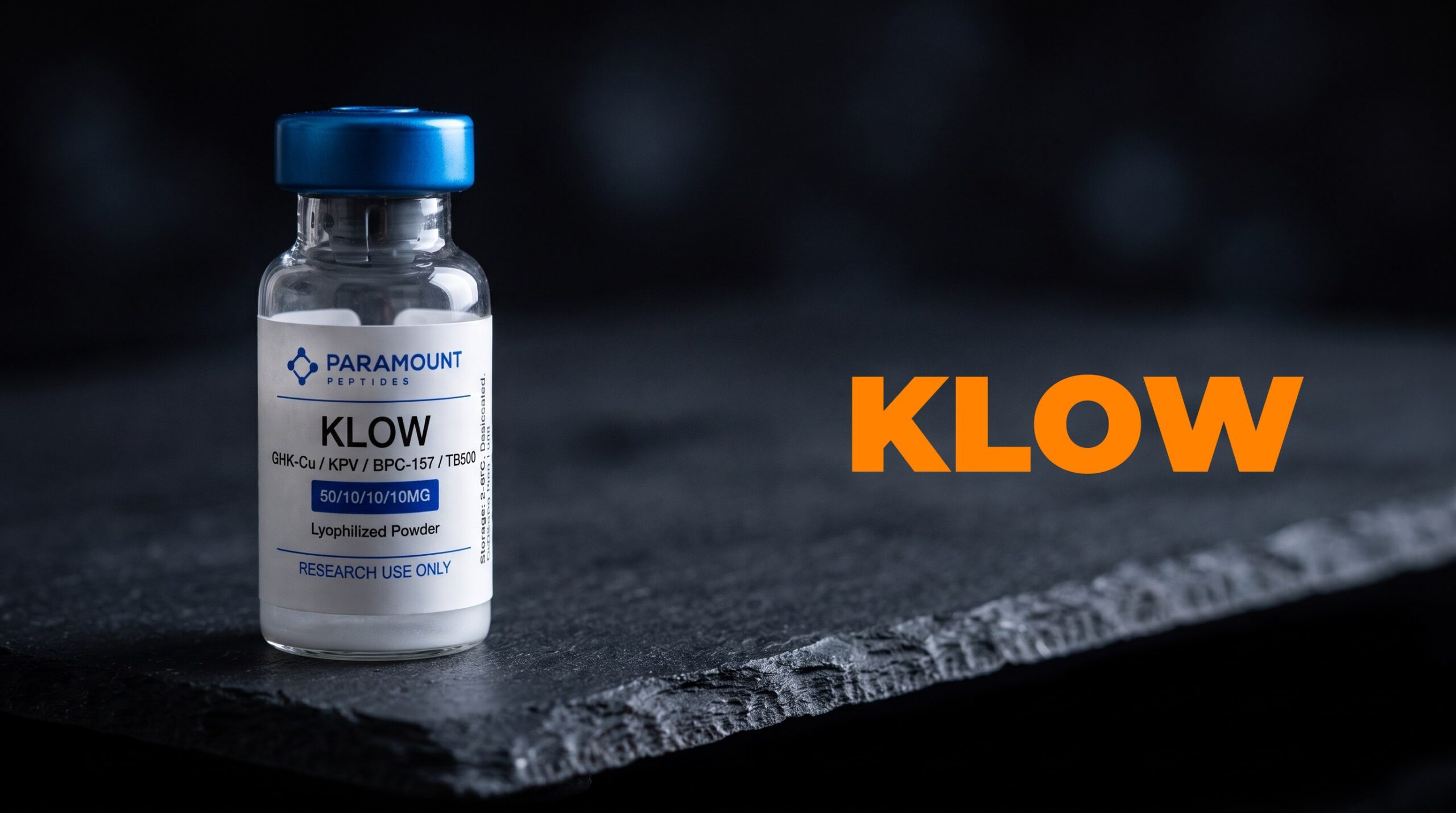
Klow Peptide: What’s in the Blend vs GLOW
Key Takeaways
- A klow peptide search is a four-peptide research blend: GHK-Cu + BPC-157 + TB-500 + KPV. Not a miracle skin drug. Not one new molecule.
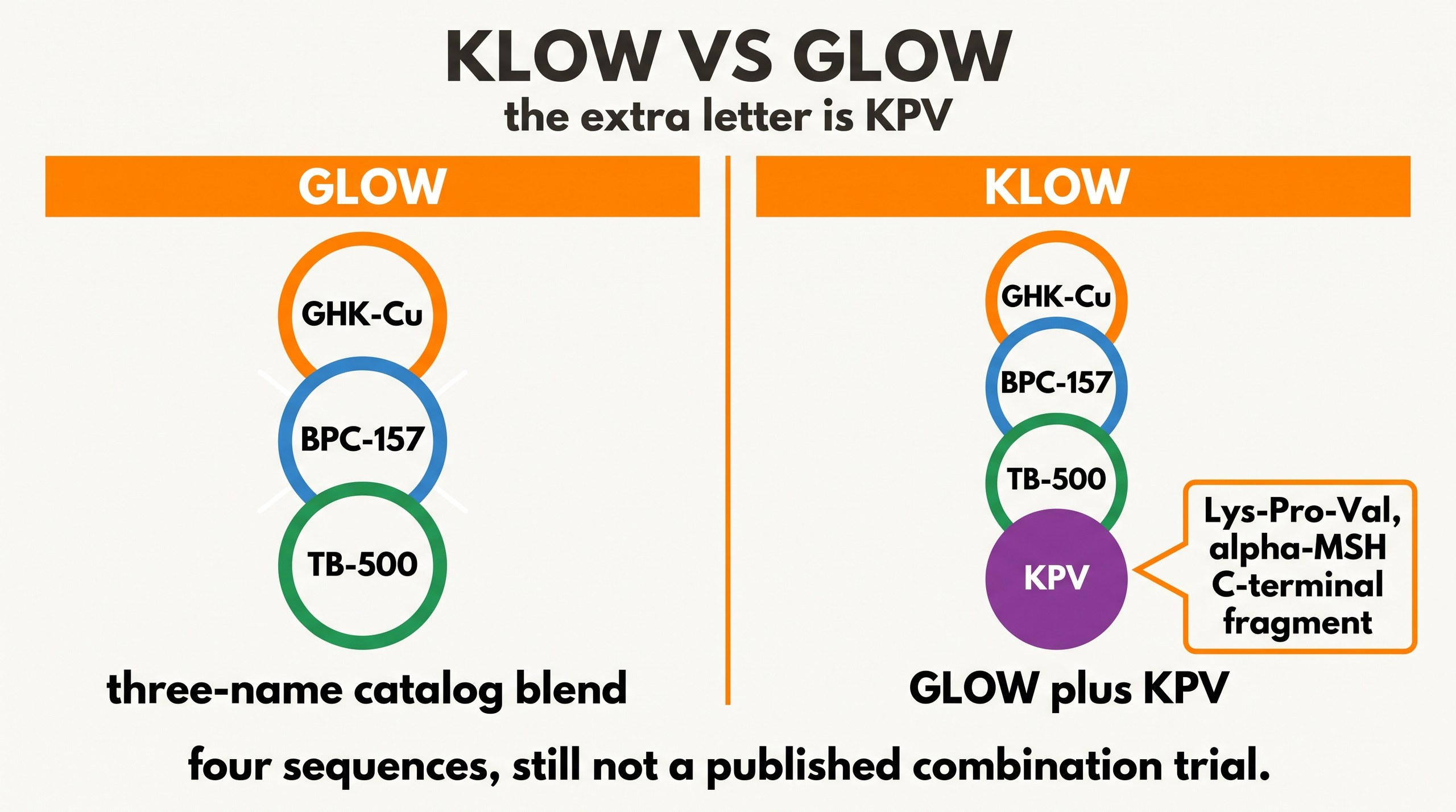
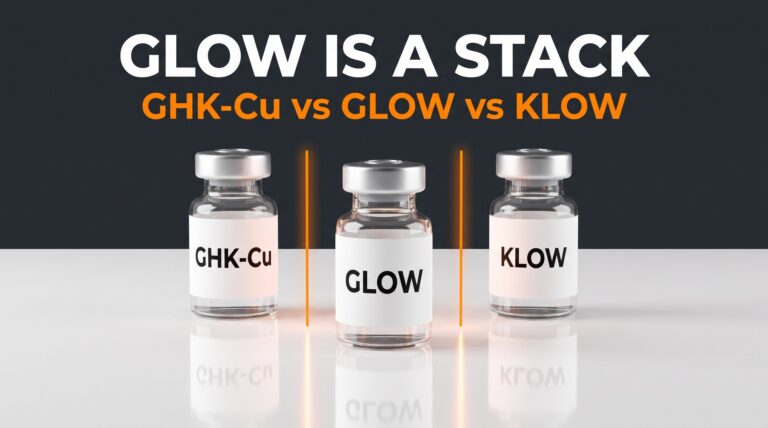
- GLOW is the three-name catalog stack. Klow is that stack plus KPV (Lys-Pro-Val, the C-terminal fragment of α-MSH). The extra letter is the whole difference.
- Each name has its own evidence file. There is no published combination trial of this quartet as “Klow.” Blend marketing is not copper-peptide literature.
- Limitless does not sell Klow. Paramount, Peptira, and S1 list it. If you wanted GHK-Cu or GLOW, that map lives on the Glow article.
- This page maps the blend. Full protocols stay in Peptides & Pump Pro ($10/mo, 7-day trial). Education first. Not a treatment. Not a cure.
A klow peptide is GLOW plus KPV: GHK-Cu, BPC-157, TB-500, and the α-MSH tail, four sequences in one lyophilized cake. GLOW is three names. Klow is four. The extra letter is lysine-proline-valine, not a glow upgrade.
Still a catalog object. Still not a published combo trial of that quartet as a unit. If the cap says KLOW, you are holding a blend map, not a better GLOW.
If the three-lane map is what you actually needed — GHK-Cu solo versus the GLOW stack versus Klow — that already lives on the Glow peptide page. This page is the Klow lane only. Stay here if the cap says KLOW and you want to know what you are holding. Start on Start Here if you are brand new and a four-name cake is not day one.
What is a klow peptide?
A klow peptide, on a research catalog, is almost always four sequences in one lyophilized cake.
GHK-Cu. Glycyl-L-histidyl-L-lysine bound to copper(II). The copper tripeptide with a Pickart / Maquart literature file. That is the “glow” word doing marketing work inside a different acronym.
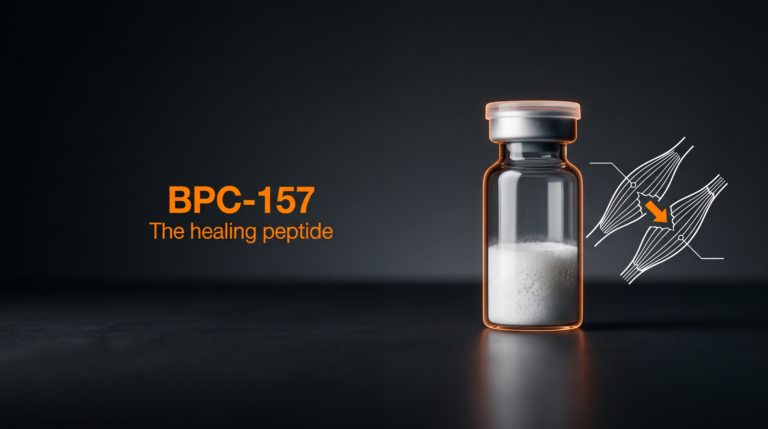
BPC-157. A 15-amino-acid partial sequence derived from body protection compound, a gastric protein. Animal file is large. GI mucosa, tendon, ligament. Not an FDA-approved healing drug. Not a face cream with a fourth cousin.
TB-500. Catalog shorthand that may mean thymosin β4, or it may mean the actin-binding fragment people write as Ac-LKKTETQ. Read the COA. A seven-residue fragment is not automatically the 43-residue protein.
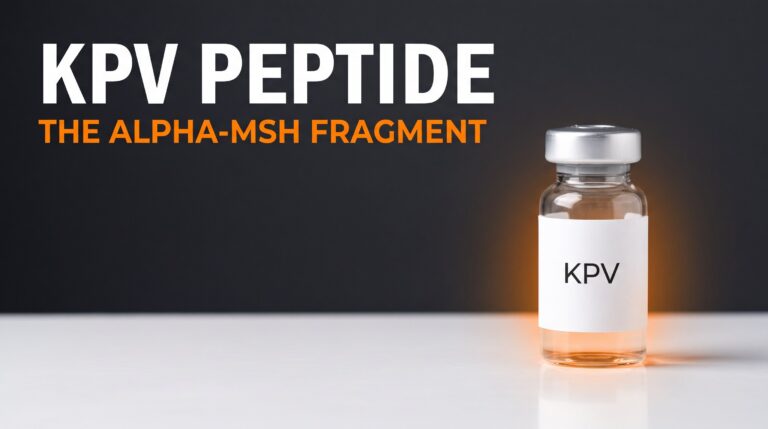
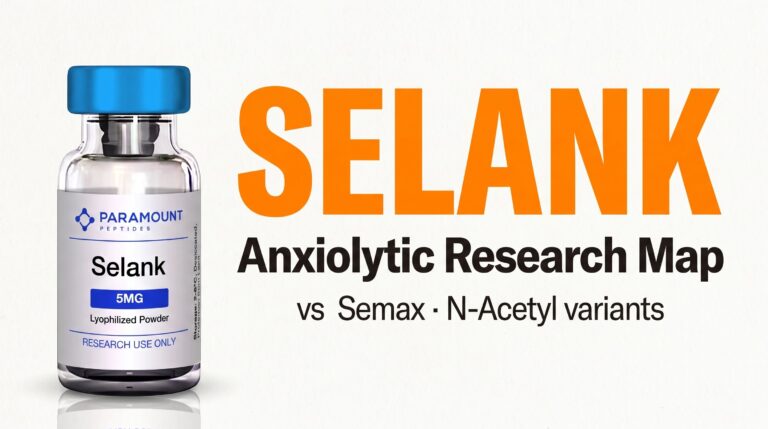
KPV. Lysine-proline-valine. The C-terminal tripeptide of α-melanocyte-stimulating hormone. That is the letter GLOW does not have. That is the only reason this page exists as its own URL.
Four files. Still no combination RCT. Still a shopping-cart name.
A peptide is a short chain of amino acids. Insulin is a peptide. Klow is four of them wearing one label. If you cannot name the four, you are not holding a protocol. You are holding a vibe.
| Lane | What it actually is | What the evidence is | What it is not |
|---|---|---|---|
| GLOW stack | GHK-Cu + BPC-157 + TB-500 in one catalog SKU | Each name has its own file. There is no published combination trial of this trio as “GLOW.” | Not one molecule. Not Klow. Not a shortcut around reading three sequences. |
| Klow peptide | GLOW + KPV (Lys-Pro-Val) | KPV is an α-MSH C-terminal tripeptide with anti-inflammatory animal data. Still not a combo RCT of the quartet. | Not Limitless, which does not list KLOW. Not “GLOW that works better.” Not an FDA-approved skin drug. |
You can be interested in both. You cannot mash them into one Reddit protocol and call the extra letter a clinical result.
What is KPV, and why is it in the bottle?
KPV is three amino acids. Lysine. Proline. Valine. It is the tail of α-MSH, the melanocortin peptide people usually talk about for pigmentation. The interesting animal work is not a tanning bed. It is anti-inflammatory, including gut models.
Dalmasso and colleagues in Gastroenterology in 2008 described PepT1-mediated KPV uptake reducing intestinal inflammation in those models. That is a mucosal-inflammation story. Read it as “this tripeptide talks to an uptake transporter in inflamed gut.” Do not read it as “Klow makes you glow harder.”
That is the entire extra claim surface.
GLOW already asked you to believe three evidence files travel well in one stopper. Klow asks you to believe a fourth. If you cannot explain why KPV is in the bottle — not the Instagram caption, the mechanism in one sentence — you are not ready to buy Klow. You are ready to read.
KPV is not GHK-Cu. It does not bind copper. It is not BPC-157. It is not TB-500. Stacking it on the same cake does not merge those files. It gives the catalog a new SKU and a new acronym. That is allowed. Pretending the Dalmasso gut paper is a Klow-stack skin trial is not.
Standalone KPV as its own research SKU — not the four-name blend — is mapped on the KPV peptide page.
GLOW vs Klow: do not mash the copper-peptide file into the blend
GHK-Cu is a real copper tripeptide conversation. Loren Pickart isolated GHK from human plasma in the 1970s. Maquart, Pickart, and colleagues reported in FEBS Letters in 1988 that the tripeptide-copper complex stimulated collagen synthesis in fibroblast cultures. Cell culture. Collagen. Not a 12-week jawline trial, and not a four-name blend.
That literature belongs to GHK-Cu. The Glow peptide article is where I walk GHK-Cu versus GLOW versus Klow as three lanes. I am not going to reprint that map so this URL can steal a keyword it does not own.
BPC-157 is a gastric pentadecapeptide conversation. Seiwerth, Sikiric, and colleagues have been publishing that fragment for decades. Mostly preclinical. A research vial is not a gut protocol, and it is not a reason to drag a stomach peptide into a “face stack” because the blend needed a third letter.
TB-500 is a label-reading conversation. Full-length thymosin β4 is 43 residues with a wound-repair literature in animals. The fragment on some COAs is not automatically that protein. If the Klow label says TB-500, ask which sequence you are holding. Same question GLOW already owed you. Klow does not answer it for you.
Two more filters, because the sales page will not give them to you.
First: a cosmetic with GHK-Cu on the INCI list and a lyophilized research cake labeled KLOW are not the same object. Different manufacturing. Different claims you are allowed to make. Different thing in your hand.
Second: none of these sequences is an FDA-approved drug to treat wrinkles, scars, injuries, or aging skin. The literature can be real. The drug label can still be missing. Those can both be true at the same time. That is how grown-ups read papers.
How should a beginner think about a klow peptide?
Start with the question, not the vial.
Are you trying to understand a copper tripeptide because a cream already has GHK-Cu on the list? That is a GHK-Cu conversation. You do not need BPC-157, TB-500, and KPV in the same stopper to read Pickart.
Are you trying to understand the three-name GLOW stack? That is the Glow article. Klow is a different SKU.
Are you trying to copy a klow peptide protocol from a forum? You are copying a shopping cart.
Here is the order I give beginners.
1. Read first. The Start Here page exists so you do not run four compounds on day one because the acronym was cute.
2. Name the four. GHK-Cu. BPC-157. TB-500. KPV. If you cannot say what KPV is in one sentence, close the tab.
3. Separate the lanes. GHK-Cu in the copper-peptide bucket. GLOW in the three-name blend bucket. Klow in the four-name blend, KPV on top. Cosmetic copper peptide in the finished-product bucket.
4. Match the job. If the job is learning GHK-Cu or GLOW, you do not need this cake. If the job is understanding KPV, read the Dalmasso paper before you buy a quartet that pretends one COA is four mechanisms.
5. If you do buy a lyophilized cake, learn the reconstitution math. How to reconstitute peptides is the public page for BAC water, U-100 ticks, and not wasting 10% of the vial. I will not dump a Klow protocol next to that math.
A clinician belongs in the loop for anything that sounds like a drug, because some of these molecules are drugs in another bottle, and none of this page is a substitute for that visit. I am not going to tell you to skip a doctor. I am going to tell you to read.
I am also not going to drop a units-and-days protocol on a public page. That is what Peptides & Pump Pro is for. Ten dollars a month. Seven-day trial. This page is here so you understand the blend before you spend money.
Labs for Klow
Education first. You already got the map. This block is the labs I will put my name on, with the codes that fire. Research-use catalog pages. Not a treatment claim. Not a “take this for your skin.”
Limitless is my primary partner on the Glow page. Limitless does not carry Klow. If the job is GHK-Cu solo or the GLOW stack, go back to the Glow peptide article. There is no Limitless Klow product card on this page — use the Glow article if you want that blend family.
Labs for KLOW.
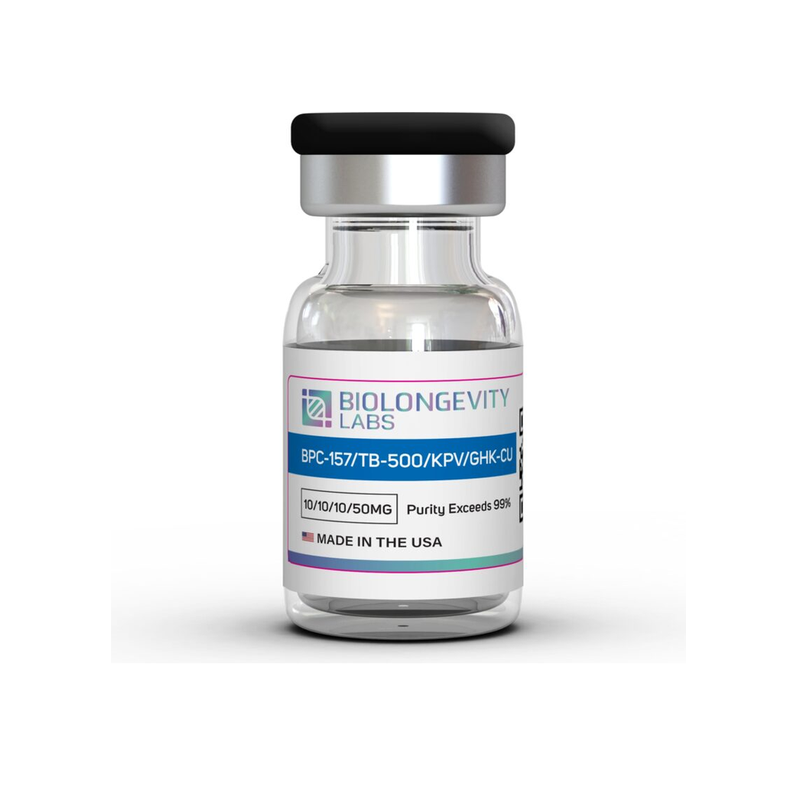
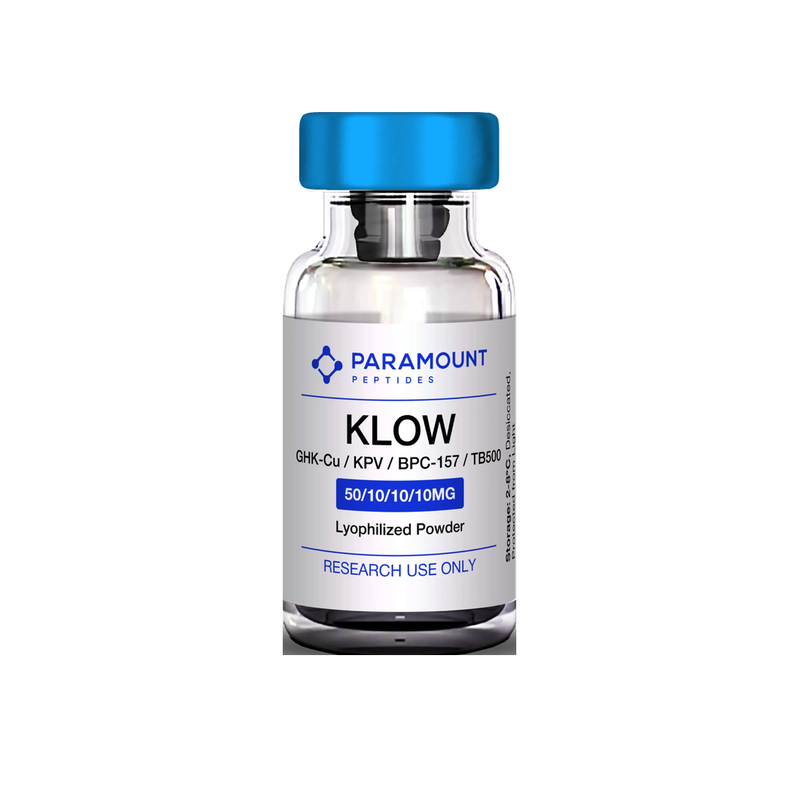
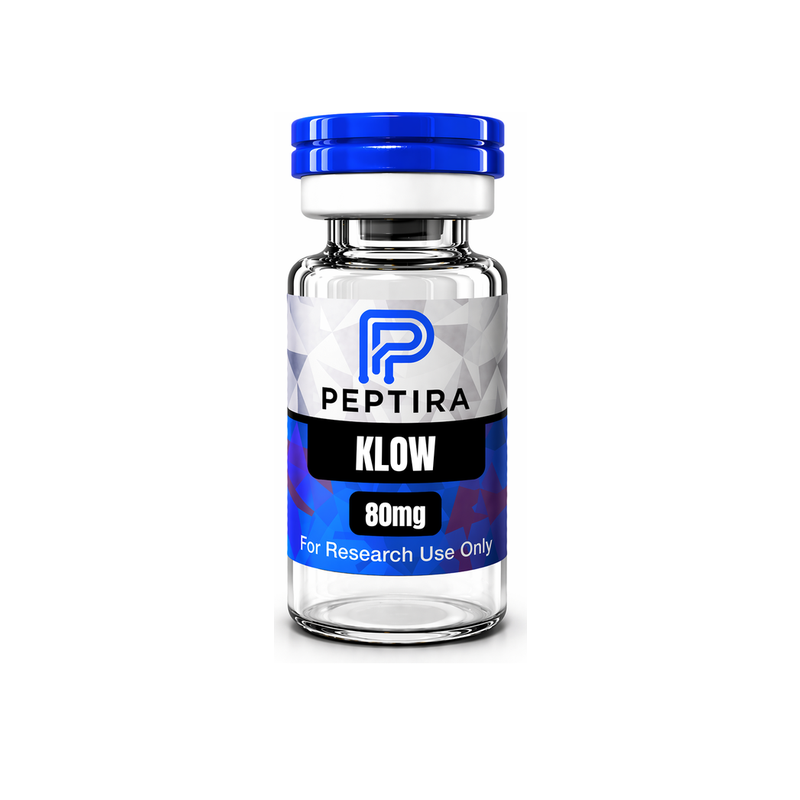
If you wanted GHK-Cu or GLOW instead, do not buy this cake by accident. That conversation, and the Limitless SKUs that actually exist, are on the Glow page.
Frequently asked questions about the klow peptide
Is a klow peptide the same thing as GLOW?
No. GLOW is GHK-Cu + BPC-157 + TB-500. A klow peptide adds KPV on top of that trio. Same three, plus one. If the cap says GLOW, you are holding three names. If the cap says KLOW, you are holding four.
Is Klow FDA-approved for skin?
No. GHK-Cu is not an FDA-approved drug for wrinkles, scars, or aging skin. BPC-157 is not an FDA-approved healing drug. TB-500 / thymosin β4 research material is not a labeled skin drug. KPV is not an approved anti-inflammatory drug. A catalog blend does not inherit an approval the parts do not have.
Does Limitless sell Klow?
No. Limitless does not list a KLOW SKU. Paramount, Peptira, and S1 do. If you are shopping Limitless, you are in the GHK-Cu / GLOW conversation, which I already mapped.
Do I need Klow if I already understand GLOW?
Only if you can explain why KPV is in the bottle. KPV is an α-MSH C-terminal tripeptide with anti-inflammatory animal data. It is not a free upgrade sticker.
Can I just run a klow peptide stack from a forum?
You can do a lot of unwise things. I would not. Name the four sequences. Name whether TB-500 on that COA is Tβ4 or a fragment. Protocol depth lives in Pro on purpose. This public page is the map, not the marching orders.
The bottom line
Klow peptide is a catalog blend, not a miracle skin drug.
GLOW is GHK-Cu, BPC-157, and TB-500. Klow adds KPV. Four sequences. Still no combination trial. Copper-peptide research is not blend marketing, and a Dalmasso gut paper is not a Klow skin protocol.
Keep the lanes. Read the papers. Do not buy a four-name cake because a caption told you the extra letter was the secret.
Read next: solo copper on GHK-Cu, the three-name stack on Glow peptide, and KPV if the fourth letter is the whole reason you are here.
I built Peptides & Pump so you can get this without a guru tax. If you want the protocol library, member discussions, and a place to think out loud before you spend money, that is Pro. If you are not ready to pay, use the free Knowledge Base first. Then come back and argue with me when you have read more than a caption.
Free guide
Get The Peptide PlaybookEnter your email and we’ll send the research PDF. Education only — not medical advice.
 Keep going on Peptides & Pump
Free is the peptide community. Pro is where you master it.
Free
Knowledge Base
The peptide community · 2,500+
- 2,500+ member peptide community
- Sourcing questions before you buy anything random
- The basics, from people actually using peptides
Pro
Peptides & Pump Pro
$10/mo · 7-day trial
- Science-backed protocol library
- 1-on-1 support from Lee and Matt
- Step-by-step video, plus a monthly $500 drawing
LEE20 Limitless LEE15 BioLongevity Paramount LEE Peptira LEE10 S1
Next reads
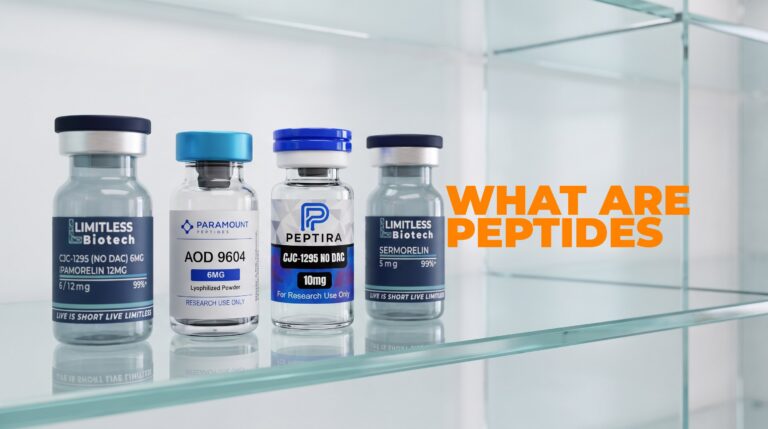
Supplier footnote: Research suppliers I mention when people ask about a klow peptide: Paramount KLOW 80, Peptira KLOW 80 mg (code LEE), and S1 KLOW (code LEE10). BioLongevity home: LEE15. Limitless has no KLOW SKU. Match the product to the job. Do not collect bottles.
Disclaimer. This article is for educational and research purposes only. It is not medical advice. It is not intended to diagnose, treat, cure, or prevent any disease. GHK-Cu, BPC-157, TB-500 / thymosin β4 analogs, KPV, GLOW blends, and Klow blends are not FDA-approved drugs for skin, wrinkles, scars, injuries, or aging. Cosmetic copper-peptide products are a different regulatory lane from a research-catalog vial. Most of the published evidence discussed here is preclinical, cell-culture, or animal work; gene-expression papers are not a substitute for a clinician. Individual results vary. Always consult a qualified healthcare provider before starting any peptide, supplement, or protocol, especially if you have a medical condition or take prescription medication. Peptides & Pump does not sell peptides.
Affiliate disclosure. Some links on this page are affiliate links. If you buy through them, I may earn a commission at no extra cost to you. Codes LEE15, LEE20, LEE10, and LEE are the ones I actually use. That commission is how I keep publishing free education. I only link suppliers I am willing to put my name on.
One Comment
Comments are closed.