Peptide Stacks Explained: Best-Known Combos, Synergy vs Overlap & Real Evidence
Key takeaways
- Verdict: A peptide stack is two or more peptides used in the same stretch of time. Some pairs make sense on paper. Almost none have been tested together in people.
- The best case for stacking is in the growth hormone lane. Two different signals released more growth hormone together than either did alone in small human studies.
- The worst stacks pile copies of the same signal on top of each other. That adds side effects, not results.
- More vials means more unknowns: purity, dose, and how the pieces mix. Education only. Not medical advice.
Verdict up front: If you typed peptide stacks into Google, here is the short answer. Stacking means using more than one peptide at a time. The internet makes it sound like a cheat code. The science says it is mostly untested.
There is one real exception. In the growth hormone lane, two signals that use different doors can team up. Small human studies from the 1990s showed that clearly. Most other stacks you see online are a guess with a nickname.
Why this matters: stacks cost more, carry more risk, and are harder to judge. If you know how to read a stack, you save money and skip the dumb ones.
Keep reading if you want the plain-English map: what a stack is, why people build them, which pairs make sense, which ones just crowd the same lane, and how to judge any stack you see. New here? Start with what peptides are and how peptides work. You can skip this page if a doctor already manages your treatment plan. Your chart beats any blog.
Quick note. This page is education. It is not medical advice. It does not diagnose or treat anything. And it is not a how-to or a dosing guide.
What is a peptide stack?
A peptide is a short chain of amino acids. Amino acids are the small building blocks of protein. Your body makes thousands of peptides. Many of them work like text messages between cells.
A peptide stack is when someone uses two or more peptides during the same window of time. Sometimes they come as separate vials. Sometimes a maker blends them into one vial and gives it a catchy name.
You have probably seen a few:
- Wolverine. BPC-157 plus TB-500. Sold as a repair stack.
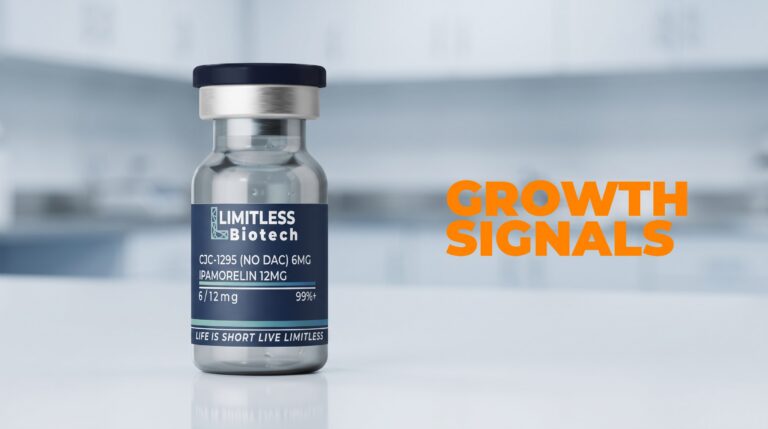
- CJC + Ipa. CJC-1295 plus ipamorelin. Sold as a growth hormone stack.
- GLOW and KLOW. Three or four repair-type peptides in one vial. See GLOW and KLOW.
Here is the key word people skip: research. In medicine, a combo is a new thing. It has to be tested as a combo. Two safe drugs do not automatically make one safe pair. Online, a stack is often just two popular vials in the same cart.
Why this matters: when you see “stack,” ask one question first. Was this combo ever tested together, or did someone just add two products?
Why people stack in the first place
The logic is simple. Your body runs many systems at once. One peptide usually pushes on one system. So people think, “Why not push on two or three?”
Most online stacks fall into three lanes:
- The repair lane. Peptides studied for tendons, muscle, gut, and skin. Think BPC-157, TB-500, and GHK-Cu.
- The growth hormone lane. Peptides that tell your brain to release more growth hormone. Think CJC-1295, ipamorelin, and hexarelin.
- The energy lane. Peptides studied for how the body uses fuel. Think MOTS-c and the GLP-1 family, like tirzepatide and semaglutide.
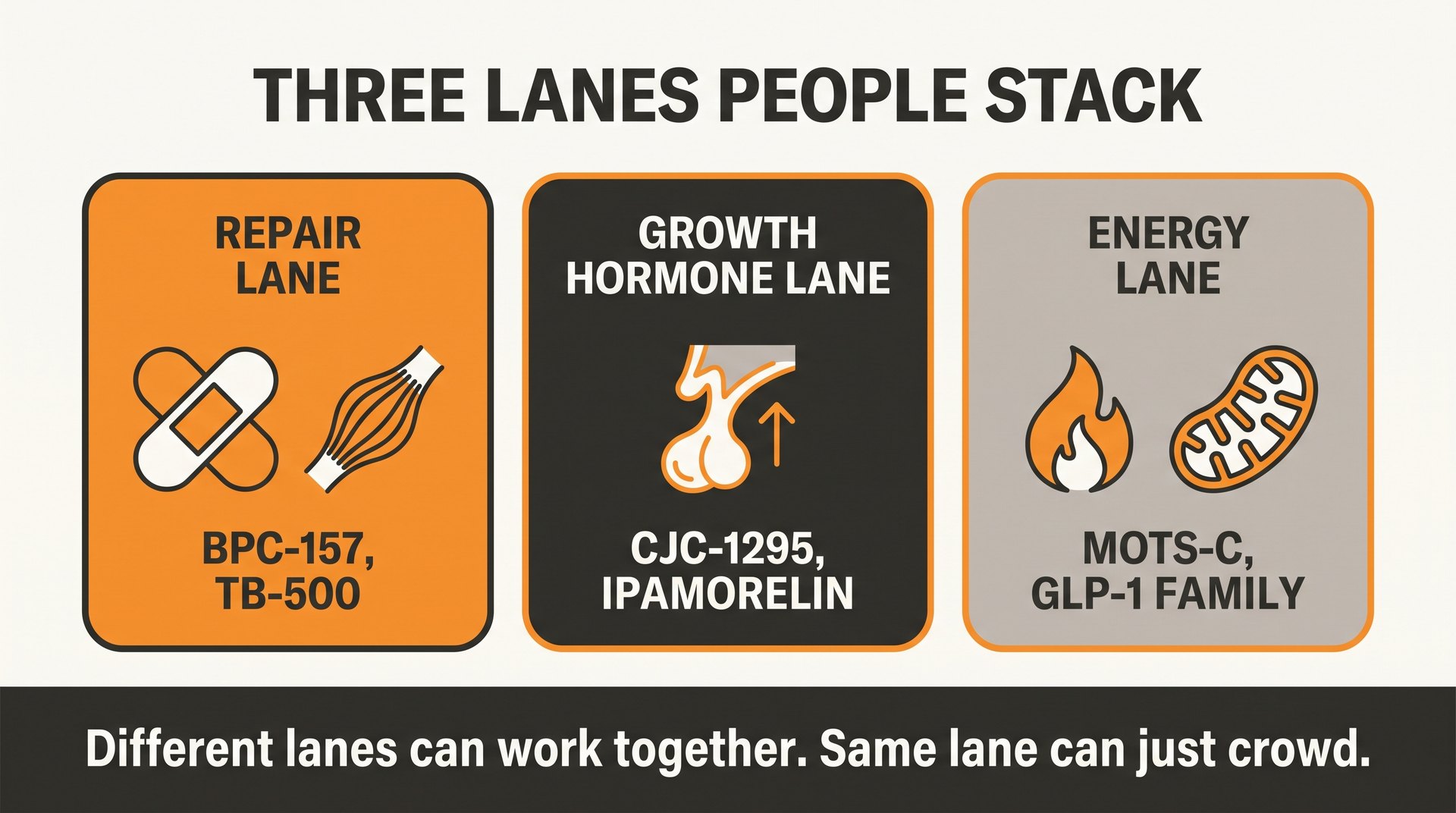
People stack inside one lane, like BPC-157 plus TB-500. They also stack across lanes, like a repair peptide plus a growth hormone peptide.
The idea is not crazy. Real medicine uses combos all the time. Blood pressure pills, cancer drugs, and infection drugs are often paired. A drug expert named Ronald Tallarida spent years on the math of this. His point was simple. A combo only counts as synergy when the two together beat what you would expect from each one alone. And you have to measure it to know.
Why this matters: “these two work on different things” is a good start. It is not proof. Proof is a test of the pair.
Team or traffic jam: the one picture you need
Here is the only picture I want you to keep.
Picture a room full of something your body wants to release. Growth hormone, for example. That room has a few doors. Each door has its own lock. A peptide is a key.
- Team: two different keys open two different doors into the same room at the same time. More comes out than either door alone. That is synergy.
- Traffic jam: two copies of the same key fight over the same lock. The door can only open so wide. You do not get double the result. You often get more of the side effects tied to that door.
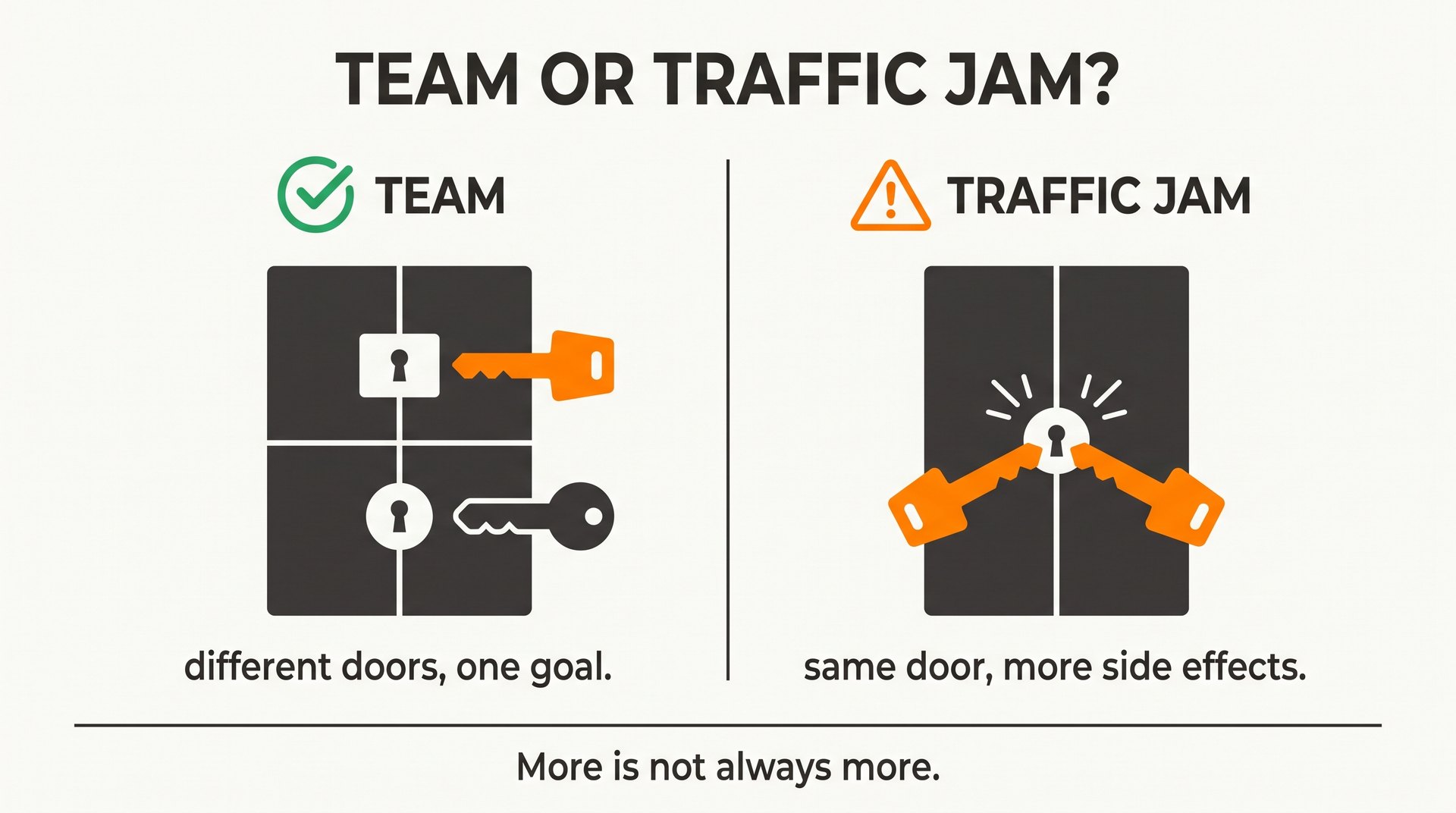
This is why some stacks make sense and some are just a pile of vials. The question is not “how many peptides?” It is “how many different doors?”
Why this matters: when you look at a stack, sort each peptide by the door it uses. If two use the same door, one of them is probably dead weight.
The stack science actually backs: the growth hormone lane
Let us use the door picture on real data. Your pituitary is a pea-sized gland under your brain. It is the room full of growth hormone.
That room has two main “go” doors:
- The GHRH door. GHRH stands for growth hormone-releasing hormone. It is your brain’s main “release” signal. CJC-1295 and sermorelin are lab-made copies of that key.
- The ghrelin door. Ghrelin is often called the hunger hormone. It also pushes growth hormone out. Ipamorelin, GHRP-2, GHRP-6, hexarelin, and MK-677 are all keys for this one door.
In 1990, a team led by Cyril Bowers tested this in 18 healthy men. They gave a ghrelin-door peptide, GHRP-6, alone and with GHRH. Small doses of the two together released growth hormone in a synergistic way. That means more than you would get by adding the two results.
A 1996 London study in six healthy men found the same thing with hexarelin plus GHRH. The peak burst from the pair was bigger than the sum of each alone.
So that part is real. Two different doors, one room, more output.
Now the fine print. Doctors will like this part.
- The boost faded fast. In that same 1996 study, a second dose two hours later lost the synergy. The pair acted like a plain sum again.
- It shrinks with age and belly fat. A 2009 Mayo Clinic study of 47 men found the GHRH-plus-ghrelin-door boost was weaker in older men and in men with more deep belly fat.
- These were one-time IV doses in a lab. They measured a hormone spike. They did not measure muscle, fat loss, healing, or how people felt.
Why this matters: the CJC-plus-ipamorelin idea has a real science base. But the base is short lab tests of the doors, not long trials of the blend you see for sale.
CJC-1295 + ipamorelin: what each half brings
This is the most famous stack online. Here is why people pair these two in particular.
CJC-1295 is a long-acting copy of the GHRH key. In a 2006 trial in healthy adults, one shot raised growth hormone 2 to 10 times for six days or more. IGF-1, a growth signal made mostly in the liver, rose 1.5 to 3 times for over a week.
One catch most sellers skip. The 2006 trial tested the long-acting version, called “with DAC.” DAC is a chemical add-on that makes it last for days. Most blend vials sold today are “no DAC.” That is a shorter-acting cousin. Same door, very different timer. Our CJC-1295 + ipamorelin guide walks through the difference.
Ipamorelin is a ghrelin-door key. A 1998 Novo Nordisk paper called it the first selective one. In rats and pigs, it released growth hormone without the jump in cortisol, the stress hormone, that GHRP-2 and GHRP-6 caused. That held even at doses more than 200 times higher than needed.
So the logic of the pair is: one key for each door, and pick the ghrelin-door key with the fewest extras.
What we do not have: a published human trial of the CJC-no-DAC plus ipamorelin blend itself. The pair is built on door logic plus the 1990s lab studies. That is better than most stacks. It is still not proof.
Why this matters: if someone sells you a “GH stack” with ipamorelin and GHRP-6 and MK-677, that is three keys for one door. That is a traffic jam, not a team.
The traffic jam: stacking the same door
This is the most common stacking mistake I see.
Ipamorelin, GHRP-2, GHRP-6, hexarelin, and MK-677 all work the ghrelin door. Stacking two or three of them does not open a new door. It just leans harder on one.
And that door comes with baggage. Here is what a long, careful trial showed for just one of these keys. In 2008, MK-677 was tested in 65 healthy older adults for up to two years. Lean mass went up about 1.1 kg. But fasting blood sugar rose about 5 mg/dL. Insulin sensitivity dropped. People also had more hunger, mild leg swelling, and muscle aches.
Now picture stacking three keys for that same door. You are not adding three benefits. You may be piling up the hunger, the water, and the blood sugar push.
Hexarelin has its own twist. It is one of the strongest ghrelin-door keys. Our hexarelin guide covers why repeated use may dull the response.
Why this matters: before you add a peptide, ask what door it uses. If you already have a key for that door, the new one is mostly more risk.
Wolverine: BPC-157 + TB-500
This is the most popular repair stack online. We have a full Wolverine guide and a BPC-157 vs TB-500 comparison. Here is the stack-thinking version.
BPC-157 is a lab-made piece of a protein first found in stomach juice. In animal studies, it seems to help grow new blood vessels and calm swelling. A 2025 review in the HSS Journal found 36 studies on BPC-157 for muscles, tendons, and bones. Thirty-five were in animals or cells. One was in people. The authors found no clinical safety data.
TB-500 is tied to thymosin beta-4, a repair protein your body releases after an injury. The FDA describes TB-500 as a short fragment of it. Thymosin beta-4 grabs a cell’s internal scaffolding and helps cells crawl into a wound. In a 1999 rat study, it sped up new skin growth over a wound by 42% at day four.
So on paper, they look like different doors. One works more on blood vessels. One works more on cell movement. That is the case for the pair.
Here is the human evidence for the pair. A 2021 chart review from one Florida clinic phoned 16 knee pain patients. Four had gotten BPC-157 plus thymosin beta-4 in the knee. Three of the four said it helped. No control group. No scans. Just a phone survey.
That is it. Four people. That is the whole human file on the famous combo that I could find.
One more catch. The human thymosin beta-4 trials, like eye-drop trials for dry eye, used the full natural protein, tested as a drug. They did not test the TB-500 fragment sold online.
Why this matters: Wolverine has a reasonable “different doors” story. It has almost no human proof as a pair. Treat it as an idea, not a result.
GLOW and KLOW: stacks in a single vial
Some makers skip the second vial. They blend three or four peptides into one.
- GLOW is usually GHK-Cu plus BPC-157 plus TB-500.
- KLOW adds KPV, a tiny peptide studied for calming inflammation in lab and animal work.
GHK-Cu is a copper peptide found in your own blood. A 2018 review linked it to skin repair and to switching many repair genes on or off in lab work. Most of that data is in skin, cells, and animals.
A pre-mixed vial feels official. It is not. Nobody has published a trial on the GLOW or KLOW blend as sold. You also lose the ability to change one piece without changing all of them.
Why this matters: one vial with four names does not mean four times the science. It means four unknowns in one bottle.
The stop-you number: what a tested stack really looks like
Want to see what it takes to prove a stack? Look at drug companies.
Novo Nordisk wanted to pair two peptides: cagrilintide and semaglutide. They called it CagriSema. To prove it, they ran a trial with 3,417 people for 68 weeks. They even had groups on each drug alone, so they could see if the pair beat its parts.
The result, published in the New England Journal of Medicine in 2025: about 20% average weight loss on the pair, versus 3% on placebo. Stomach side effects hit about 80% of people on the pair, versus 40% on placebo.
Read that again. It took more than three thousand people and over a year to prove one two-peptide stack. And it still had a side effect bill.
Most stacks sold online have been tested together in zero published human trials.
Tirzepatide is another real-world example. It is two signals built into one molecule. It was tested in thousands of people before approval. Over 72 weeks, people on the top dose lost about 21% of their body weight.
Why this matters: real stacks exist. They come with huge trials and drug labels. If a stack has neither, you are the experiment.
How to judge any stack: five questions
You will see new stacks every week. Here is a filter you can run in under a minute.
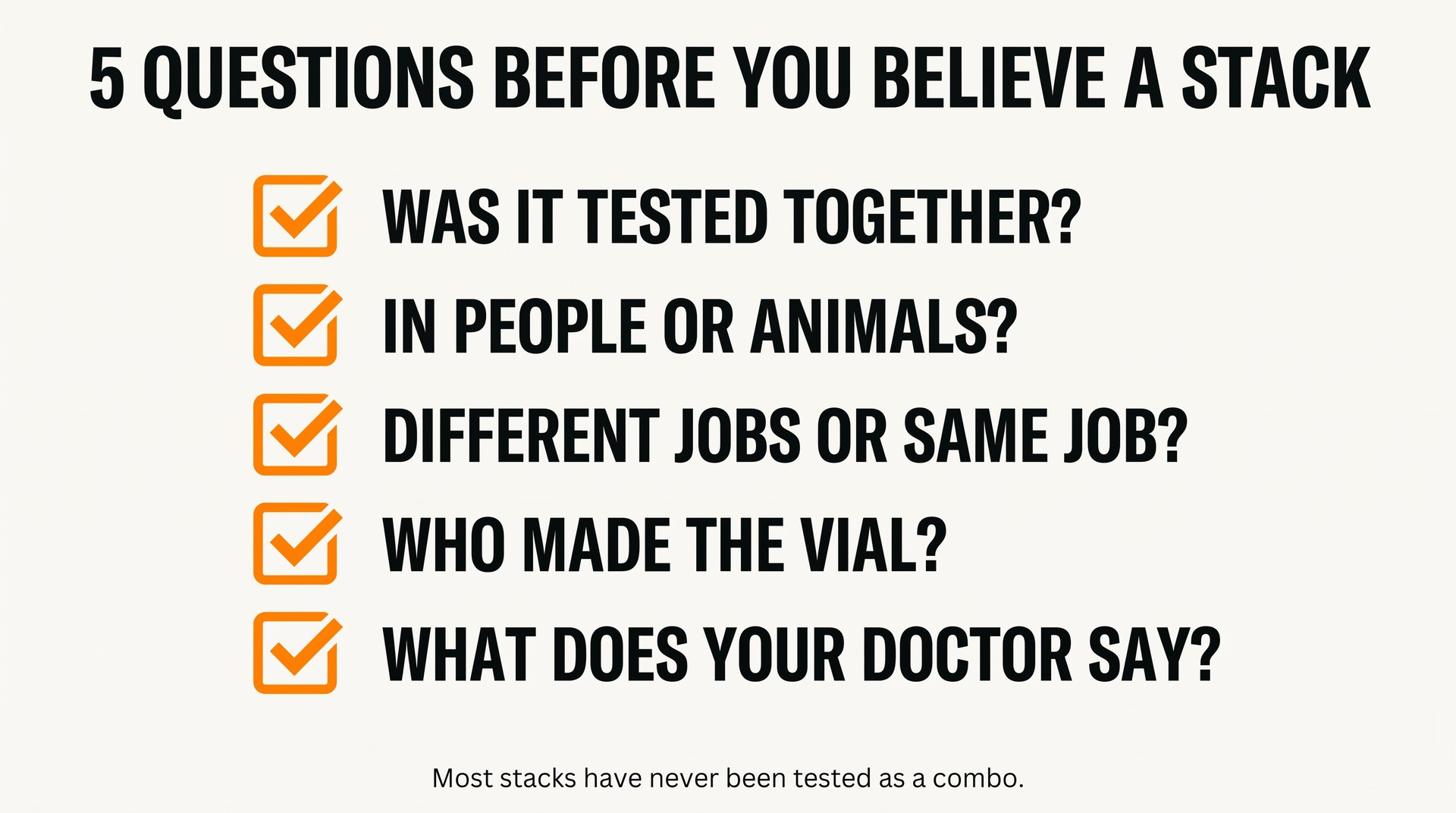
- Was it tested together? Not each piece. The pair. If nobody tested the combo, the claim is a guess.
- In people or in animals? Rats heal fast and live short lives. A rat result is a reason to study, not a reason to believe. See how long peptides take to work for why timelines in rats fool people.
- Different jobs or the same job? Sort each peptide by its door. Two keys for the same door is a traffic jam.
- Who made the vial? Every extra peptide is another chance for a dosing or purity problem. More on that next.
- What does your doctor say? A clinician who knows your labs, meds, and history can spot a bad mix fast. That beats a forum thread.
Why this matters: most stacks fail question one. That alone tells you how sure to be, which is: not very.
More vials, more unknowns: safety and the legal lanes
Stacking does not just add benefits. It adds risks too, and they stack faster than the benefits do.
Purity risk multiplies. A 2020 study from the University of Illinois and the U.S. Pharmacopeia tested two lab peptides bought from a commercial supplier. The powder was 20% and 43% mannitol, a sugar alcohol filler. Nobody had listed it. The authors’ point was blunt: test, don’t trust. With three vials, you have three chances for that kind of surprise. Our guide to counterfeit research peptides covers red flags.
Dose risk is real. In a 2025 study, official medicine-testing labs in 13 countries checked 324 suspect products bought to boost sport performance. Most came from illegal sellers. The top growth hormone booster they found was MK-677. About a quarter of the products were sold as “dietary supplements.” Some were overdosed.
Side effects overlap. Growth hormone lane peptides can raise hunger, water weight, and blood sugar. Stacking two of them can push all three. Our peptide side effects guide and are peptides safe page break this down.
Regulators have flagged many stack favorites. The FDA keeps a list of bulk ingredients it says may pose big safety risks in compounded drugs. Compounded drugs are custom mixes made by pharmacies. That list includes BPC-157, TB-500, CJC-1295, ipamorelin, and GHRP-2. The FDA’s main worries are immune reactions and impurities.
Sports bans apply. If you compete in a tested sport, most of these peptides are banned by the World Anti-Doping Agency. BPC-157 is one of them.
And the legal lanes matter. In plain terms:
- Prescription drugs like tirzepatide are tested, approved, and labeled for set uses.
- Research peptides are sold for lab research. They are not approved for human use, and they are labeled that way.
See are peptides legal and what research peptides are for the full map.
Why this matters: one unknown is a risk. Three unknowns at once make it very hard to tell what caused a problem.
Myths that burn money
Myth 1: More peptides means more results. Not if they share a door. Past a point, more keys for one lock just add side effects.
Myth 2: If it is sold as a blend, it was tested as a blend. No. A maker can mix any three powders and give them a cool name. Nobody has to test the mix first.
Myth 3: If each one is “safe,” the pair is safe. Medicine learned this the hard way. That is why real combo drugs get their own trials, like CagriSema did.
Myth 4: Everyone on the forum runs it, so it works. Forums are full of people who also changed their sleep, food, and training at the same time. You cannot tell what did what.
Myth 5: A stack can make up for weak basics. It cannot. No peptide out-repairs bad sleep, low protein, and zero training.
Why this matters: most wasted money in this space is not on bad peptides. It is on stacks built on myths.
How to think about next steps
Here is how I would think about it if a friend at the gym asked me.
Step one is the boring stuff. Sleep, protein, lifting, and walking do most of the heavy work for repair, body comp, and growth hormone. Your body releases its biggest burst of growth hormone in deep sleep. Start with better sleep and Zone 2 training.
Step two is one clear question. “I want to understand repair research” is a question. “I want everything” is not. One question means one lane.
Step three is a clinician and labs. If growth hormone signals are on your mind, a doctor can check things like IGF-1 and blood sugar. If an injury is on your mind, get it looked at first. A torn tendon needs imaging, not a stack.
Step four is reading the science well. Use the five questions above. Researchers change one thing at a time for a reason. It is the only way to know what did what.
If you want deeper research maps after that, our Pro community goes further than a free page should. Start with best peptides, what peptides do, and peptide dosage basics for the bigger picture.
Why this matters: the smartest stack is often no stack. The second smartest is one well-understood piece after the basics are locked in.
Peptide stacks FAQ
What is a peptide stack?
It is two or more peptides used during the same period. They can be in separate vials or blended into one. Most stacks have not been tested together in people.
What are the best peptide stacks?
There is no proven “best” stack. The pair with the strongest science base is a GHRH-door peptide plus a ghrelin-door peptide, like CJC-1295 plus ipamorelin. That base comes from short lab studies of the two signals, not long trials of the blend. Repair stacks like BPC-157 plus TB-500 are popular but have almost no human data as a pair.
Is stacking peptides safe?
Nobody can say for most stacks, because they have not been studied. What we do know: side effects can overlap, purity problems multiply with each vial, and many stack favorites are on the FDA’s safety-risk list for compounding. Talk to a clinician who knows your health.
Do stacks work better than single peptides?
Sometimes the signals add up, like in the growth hormone lane studies. Often they just overlap. And in at least one study, the growth hormone boost faded on the second dose. Better is a claim that needs a test.
Can you mix peptides together?
Some makers sell pre-mixed blends. Whether two peptides stay stable and pure together is a lab question, and most blends have never been checked in published work. This page does not give mixing or dosing steps. A pharmacist or clinician is the right person to ask.
Are peptide stacks legal?
The stack itself is not a legal category. Each peptide has its own status. Prescription drugs need a prescription. Research peptides are sold for lab use only, not for people. Most are banned in tested sports. See are peptides legal.
How long does a peptide stack take to work?
There is no stack-specific timeline in human research. Single-peptide timelines are covered in how long peptides take to work.
Stack research maps from partners
Foundation first: sleep, protein, lifting, and walking carry most of the load. If you are researching the repair or growth hormone lanes after that, these are in-stock partner listings for the single peptides and blends covered on this page. They are research-catalog products sold for lab use. They are not treatments, and no blend here has been tested as a combo in people.
Repair lane — Wolverine, solo pieces, GLOW and KLOW — in stock
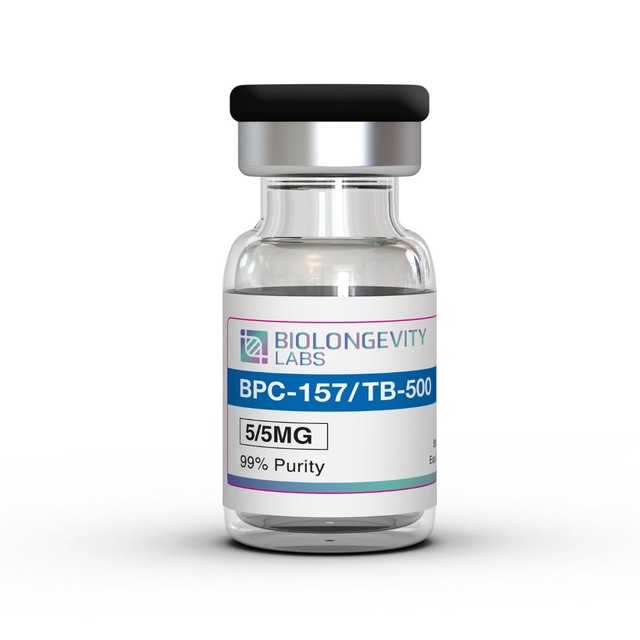 BioLongevity
BPC-157 / TB-500 Blend
LEE15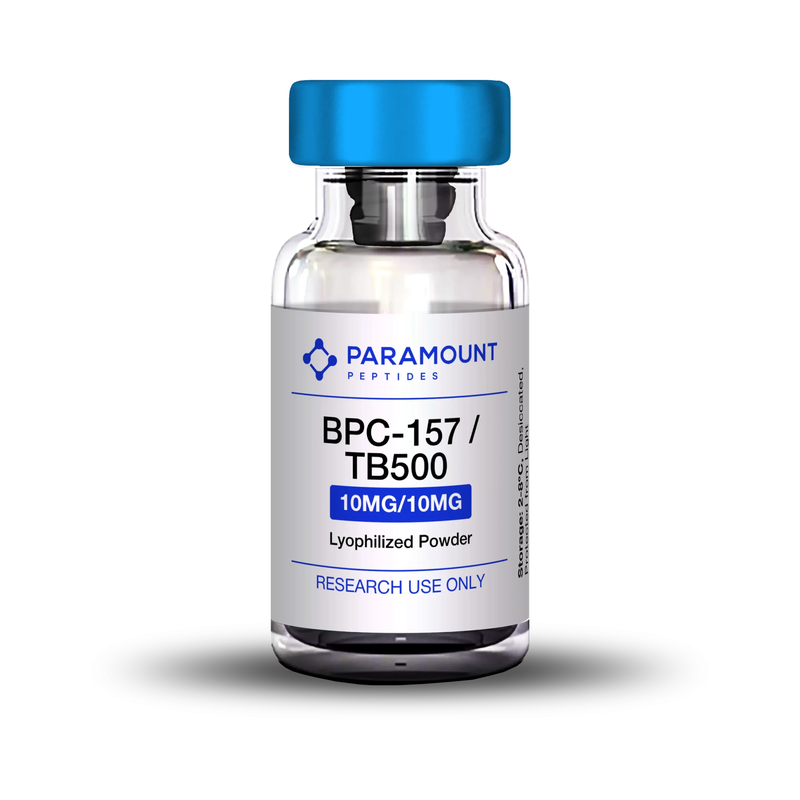 Paramount
Wolverine Blend
LEE10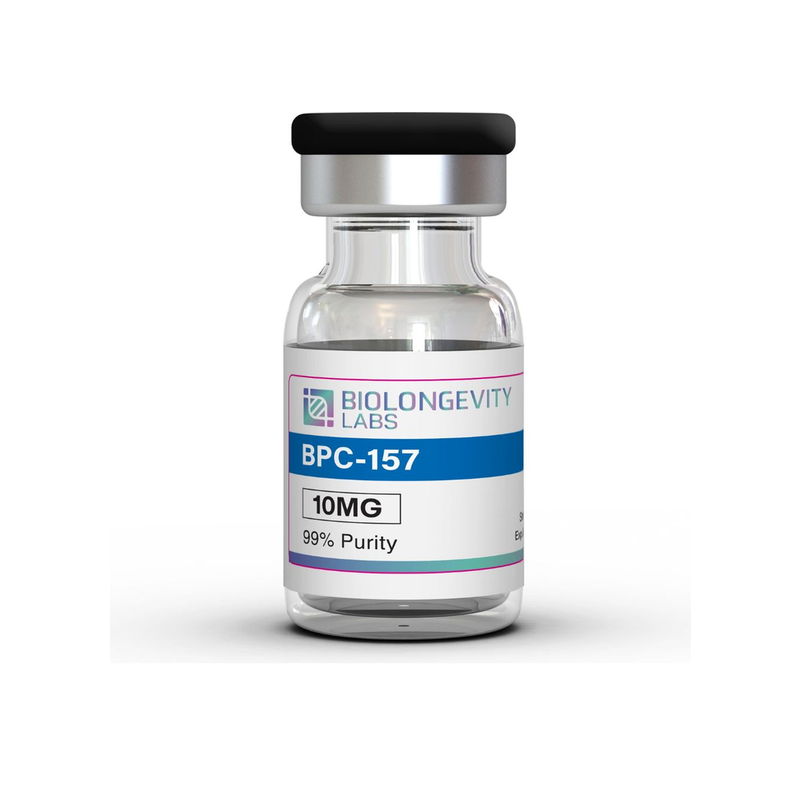 BioLongevity
BPC-157 10 mg
LEE15 BioLongevity
TB-500 10 mg
LEE15 BioLongevity
GLOW Blend
LEE15 BioLongevity
KLOW Blend
LEE15Growth hormone lane, copper peptide, and lab supplies — in stock
 Paramount
CJC-1295 / Ipamorelin
LEE10 BioLongevity
CJC-1295 / Ipamorelin
LEE15 BioLongevity
Ipamorelin 10 mg
LEE15 Paramount
Hexarelin 5 mg
LEE10 Paramount
GHK-Cu 50 mg
LEE10 Paramount
Recon Solution
LEE10Partner homes
S1 shop · LEE10 Peptira home · LEE Paramount home · LEE10 BioLongevity home · LEE15 Limitless home · LEE20 Their catalog needs a quick research-access sign-up before prices show. Use code LEE20 at checkout.
Research maps only. Codes live in the links. Education framing — not a treat-disease pitch.
Key takeaways (echo)
- A peptide stack is two or more peptides used in the same window. Most have never been tested together in people.
- Sort every peptide by its door. Different doors can team up. The same door just crowds and adds side effects.
- The best science for stacking is GHRH-door plus ghrelin-door signals, from short human lab studies. The boost faded on repeat dosing and was weaker with age and belly fat.
- Wolverine has a fair “different doors” story, but only four people in a phone survey as human data for the pair.
- Real tested stacks, like CagriSema, needed thousands of people. Build the base first, and bring a clinician into any decision.
Get the Peptide Playbook
Free email map for building the foundation first, then thinking clearly about peptides without the guru noise.
Related reads: Wolverine blend · BPC-157 vs TB-500 · BPC-157 · TB-500 · Oral BPC-157 · CJC-1295 + ipamorelin · Ipamorelin · Sermorelin · Tesamorelin · Hexarelin · GHRP-2 · GHRP-6 · MK-677 · HGH peptides · GLOW · KLOW · GHK-Cu · Peptides for healing · Peptides for bodybuilding · Survodutide · How to reconstitute peptides · Bacteriostatic water · List of peptides · Start here · Community
Sources & Further Reading
- Bowers CY, et al. Growth hormone (GH)-releasing peptide stimulates GH release in normal men and acts synergistically with GH-releasing hormone. J Clin Endocrinol Metab. 1990. PMID 2108187
- Massoud AF, et al. The effect of repeated administration of hexarelin, a growth hormone releasing peptide, and growth hormone releasing hormone on growth hormone responsivity. Clin Endocrinol (Oxf). 1996. PMID 8762732
- Veldhuis JD, et al. Determinants of GH-releasing hormone and GH-releasing peptide synergy in men. Am J Physiol Endocrinol Metab. 2009. PMID 19240251
- Teichman SL, et al. Prolonged stimulation of growth hormone (GH) and insulin-like growth factor I secretion by CJC-1295, a long-acting analog of GH-releasing hormone, in healthy adults. J Clin Endocrinol Metab. 2006. PMID 16352683
- Raun K, et al. Ipamorelin, the first selective growth hormone secretagogue. Eur J Endocrinol. 1998. PMID 9849822
- Nass R, et al. Effects of an oral ghrelin mimetic on body composition and clinical outcomes in healthy older adults: a randomized trial. Ann Intern Med. 2008. PMID 18981485
- Gwyer D, et al. Gastric pentadecapeptide body protection compound BPC 157 and its role in accelerating musculoskeletal soft tissue healing. Cell Tissue Res. 2019. PMID 30915550
- Vasireddi N, et al. Emerging Use of BPC-157 in Orthopaedic Sports Medicine: A Systematic Review. HSS J. 2025. PMID 40756949
- McGuire FP, et al. Regeneration or Risk? A Narrative Review of BPC-157 for Musculoskeletal Healing. Curr Rev Musculoskelet Med. 2025. PMID 40789979
- Lee E, et al. Intra-Articular Injection of BPC 157 for Multiple Types of Knee Pain. Altern Ther Health Med. 2021. PMID 34324435
- Lee E, et al. Safety of Intravenous Infusion of BPC157 in Humans: A Pilot Study. Altern Ther Health Med. 2025. PMID 40131143
- Goldstein AL, et al. Thymosin β4: a multi-functional regenerative peptide. Basic properties and clinical applications. Expert Opin Biol Ther. 2012. PMID 22074294
- Malinda KM, et al. Thymosin beta4 accelerates wound healing. J Invest Dermatol. 1999. PMID 10469335
- Sosne G, et al. Thymosin β4 significantly improves signs and symptoms of severe dry eye in a phase 2 randomized trial. Cornea. 2015. PMID 25826322
- Pickart L, et al. Regenerative and Protective Actions of the GHK-Cu Peptide in the Light of the New Gene Data. Int J Mol Sci. 2018. PMID 29986520
- Tallarida RJ. Quantitative methods for assessing drug synergism. Genes Cancer. 2011. PMID 22737266
- Garvey WT, et al. Coadministered Cagrilintide and Semaglutide in Adults with Overweight or Obesity. N Engl J Med. 2025. PMID 40544433
- Jastreboff AM, et al. Tirzepatide Once Weekly for the Treatment of Obesity. N Engl J Med. 2022. PMID 35658024
- Choules MP, et al. NMR reveals an undeclared constituent in custom synthetic peptides. J Pharm Biomed Anal. 2020. PMID 31671336
- Barrios MM, et al. SARMs, Metabolic Modulators and Growth Hormone Secretagogues in Suspected Illegal Medicines, Bought as Sport Performance Enhancers: A Retro- and Prospective Study Within the GEON. Drug Test Anal. 2025. PMID 40551438
- Lee C, et al. The mitochondrial-derived peptide MOTS-c promotes metabolic homeostasis and reduces obesity and insulin resistance. Cell Metab. 2015. PMID 25738459
- Van Cauter E, et al. Age-related changes in slow wave sleep and REM sleep and relationship with growth hormone and cortisol levels in healthy men. JAMA. 2000. PMID 10938176
- U.S. Food and Drug Administration. Certain bulk drug substances for use in compounding that may present significant safety risks (includes BPC-157, TB-500, CJC-1295, ipamorelin acetate, GHRP-2). Content current as of April 2026. FDA.gov
- World Anti-Doping Agency. The Prohibited List. WADA