What Are Peptides Used For? (The Real Map, Not the Hype)
Key takeaways
- Verdict: “What are peptides used for” is a use-case map, not one magic vial. Healing, muscle education, fat-loss literacy, skin, cognitive curiosity, longevity maps, desire literacy, and safety identity are different drawers.
- Short signaling peptides are not the same job as food collagen powder. Do not mash them.
- Clinic / Rx, compounding with a clinician, and research-vial literacy follow different doors. Same nickname does not mean same paperwork.
- Education only. Not medical advice. Not an FDA-approved treatment claim. No free-site dosing protocols.
Verdict up front: If you searched what are peptides used for, you want a clear map. Not a hype reel. Not a one-bottle miracle. People also type what do peptides do, how do peptides work, and list of peptides and what they do. Those queries want the same thing: a sorting board. This page is that board.
This page is education and research framing only. It is not medical advice. It is not an FDA-approved treatment claim. It will not hand you a free dosing table.
Why this matters: search results smash ten topics into one caption. You deserve the split in plain English before you trust a shopping cart.
Keep reading if you want the real use map, the three doors, dense links into live money pages, myths that keep mixing collagen with signaling peptides, and partner research cards that stay InStock. No steroid cookbook. No skip-the-doctor pitch.
What peptides actually are (plain English)
A peptide is a short chain of amino acids. Amino acids are the building blocks of proteins. Think of peptides as short text messages cells can read. That is the whole idea in one picture. Some messages get studied for repair stories. Some sit next to growth-hormone signal research. Some ride fat-loss headlines. Some have an FDA-approved medicine cousin. That cousin lives in a different paperwork lane.
New to the category? Start with what are peptides, then the overview on best peptides. Come back here when you want the use-case sorting board.
What do peptides do, in one sentence? They act as short signals cells can read. What are peptides used for, in one sentence? Many different jobs across medicine, research, and consumer curiosity — which is why a single bottle answer is usually a bad answer.
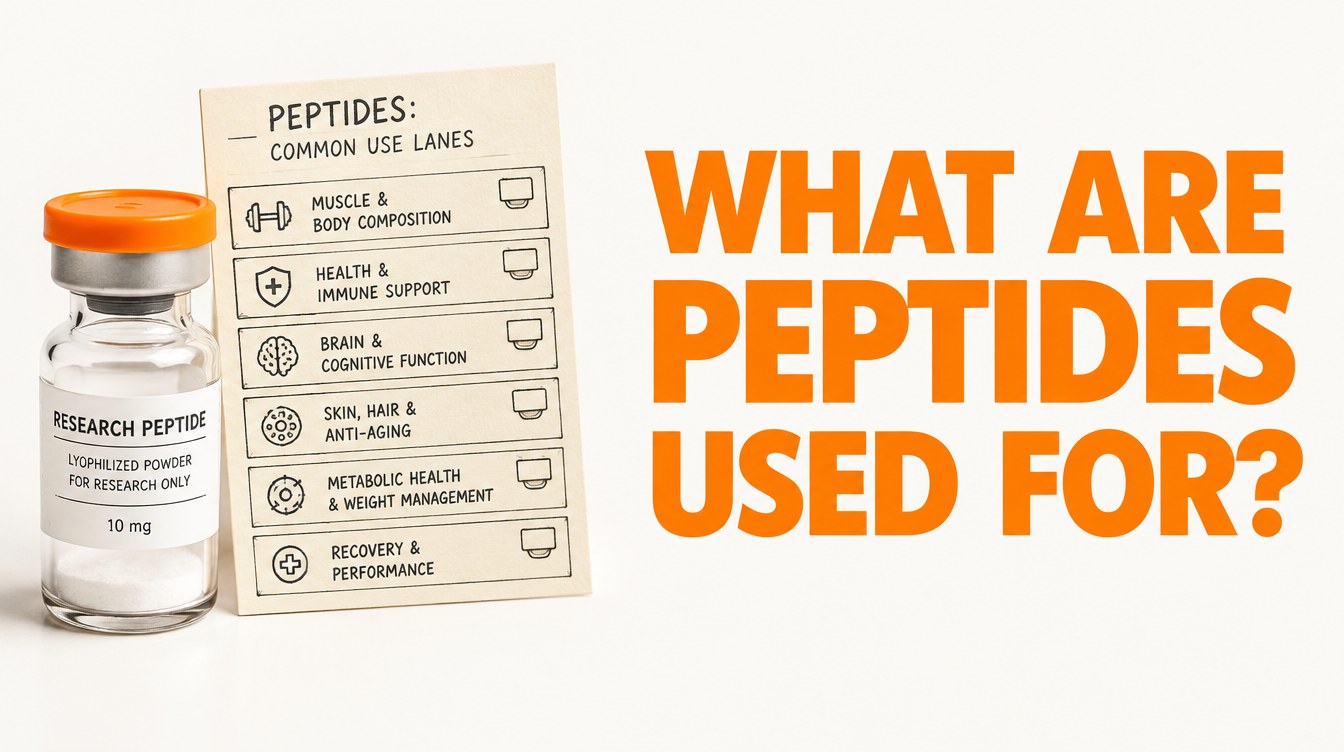
This page covers the common use lanes people actually search. Healing. Muscle education. Fat-loss literacy. Skin. Cognitive curiosity. Longevity maps. Desire literacy. Safety and identity. Each lane already has deeper pages on this site. Dense links keep you inside the magazine instead of bouncing to a random cart.
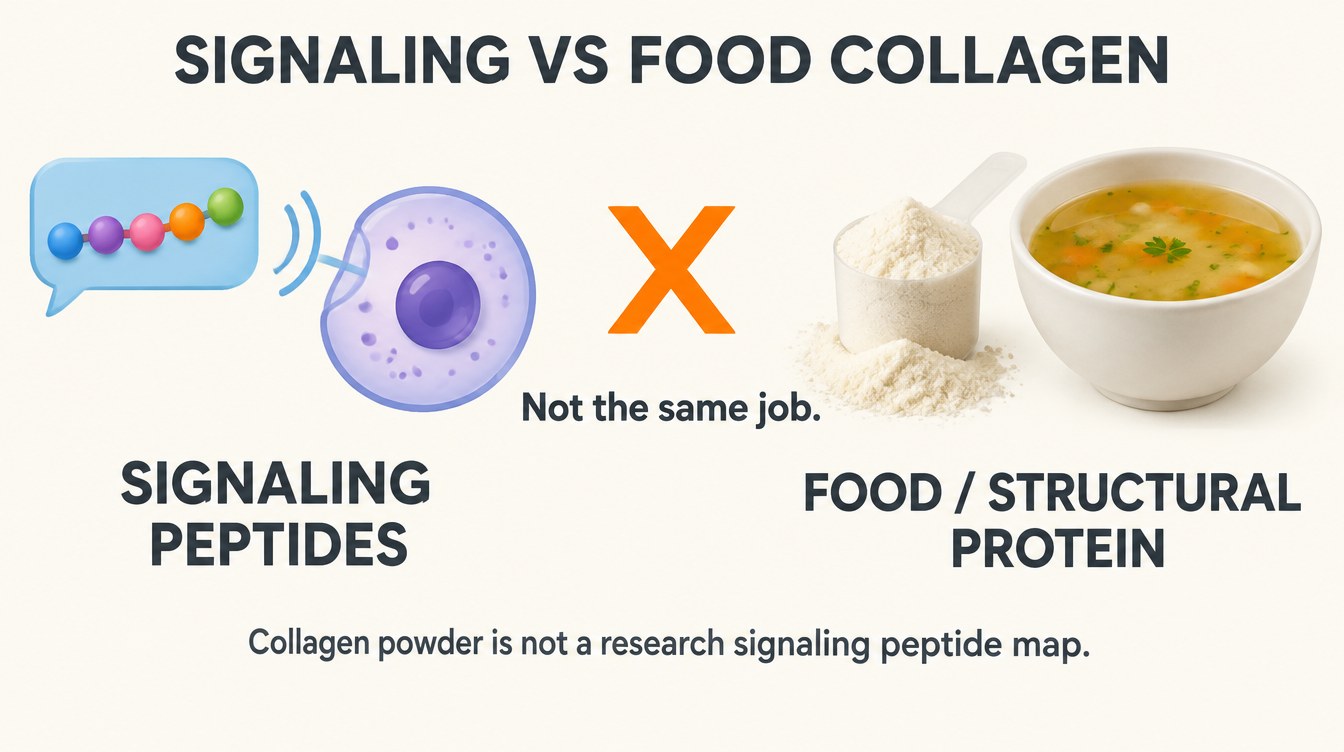
Write it out: a signaling peptide is a short message. A long food protein is more like a brick delivery. Different jobs.
How do peptides work? (mechanism without the fog)
Cells talk with receptors. A receptor is a lock on the cell surface. Some peptides fit like a key. When the key turns, the cell changes what it does for a while. That can mean a repair signal story in a lab. It can mean a hormone-release signal. It can mean a skin-matrix signal in a dish. Context decides the story.
Mechanism analogy time. Picture a big office building with many departments. Peptides are not the whole payroll. They are short sticky notes left on specific desks. One note says “call repair.” Another says “nudge this hormone release pathway.” Another sits next to a skin-cell desk. The sticky note is not the whole company. And a giant bag of collagen powder is not the same as a short sticky note. Collagen in food is long structural protein. Signaling peptides are short messages. Keep the jobs apart.
So what for you: when someone says “peptides do everything,” ask which sticky note they mean.
People also ask how do peptides work because the feed never shows the lock-and-key picture. Receptors are specific. A GH secretagogue key is not a copper-tripeptide key. A melanocortin desire-signal story is not a soft-tissue repair story. Same word — peptide — does not make the jobs identical.
One more plain check. Insulin is a peptide hormone. That does not mean every research vial is “like insulin.” It means the chemistry family is broad. Broad families still need precise drawers.
Stop-you number (labeled medicine, not vial hype)
Stop-you number from the approved-medicine side of body-comp research. Not from a research-vial shopping cart. In a landmark NEJM trial of tesamorelin in people with HIV-related abdominal fat buildup, visceral fat fell about 15.2% on the medicine. It rose about 5.0% on placebo over the main study window. Visceral fat is deep belly fat around organs. That is labeled-medicine data with inclusion rules and a clinician. It is not a free pass to treat a research vial like a universal midsection coupon. Full map: Tesamorelin.
How sure should you be? Landmark labeled trials raise confidence for that labeled use. Research-vial marketing does not inherit that confidence by nickname alone.
Three doors (do not smash them)
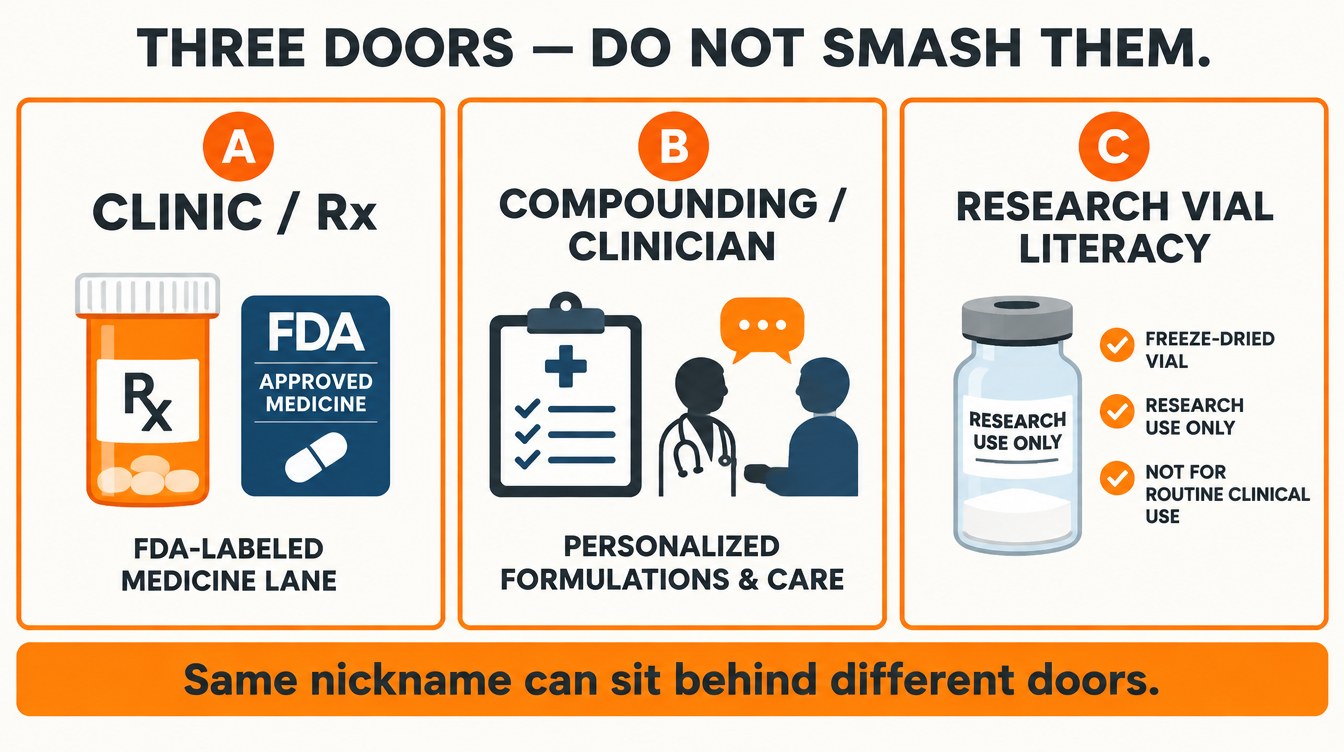
Before any molecule name, learn the doors:
- Door A — Clinic / Rx lane — FDA-approved medicines when they exist for a labeled use. Doctor visit. Pharmacy rules. Insurance or cash-pay talk.
- Door B — Compounding / clinician — a licensed clinician may discuss compounded options under medical rules. Still not a TikTok protocol.
- Door C — Research vial literacy — freeze-dried powders sold under research-use framing. Different intent language. Different quality questions. Label is not contents. See counterfeit research peptides.
Basics that still help on Door C literacy: bacteriostatic water, safety framing on are peptides safe, and research framing on research peptides.
So what for you: say the door out loud before you trust a claim.
Door confusion is the number-one way shoppers lose money and confidence. A labeled medicine comes with packaging inserts, pharmacy rules, and a clinician conversation. A research vial comes with research-use framing and quality questions you have to ask yourself. Mixing those stories is how captions invent fake certainty.
List of peptides and what they do (sorting board, not a catalog)
Search also wants a list of peptides and what they do. Fair ask. Here is the honest version: a list without doors is a trap. Below is a short board you can scan. Then jump into the deep lane pages.
- BPC-157 — soft-tissue and gut-derived repair curiosity in lab models — map
- TB-500 / thymosin beta-4 fragment stories — actin and cell-movement repair literacy — map
- CJC-1295 + Ipamorelin — GH signal education — map
- Ipamorelin — selective GH secretagogue literacy — map
- Sermorelin — GHRH-related map — map
- Tesamorelin — labeled deep-belly-fat medicine story in a specific clinical context — map
- AOD-9604 — GH-fragment metabolic research curiosity — map
- GHK-Cu — copper tripeptide skin / remodeling literacy — map
- Snap-8 — topical-adjacent wrinkle-serum literacy — map
- Semax / Selank — cognitive / stress-adjacent research maps — Semax, Selank
- Epitalon / MOTS-c / SS-31 — longevity and mito curiosity — linked in Lane 6
- PT-141 — desire literacy with clinic vs research doors — map
That list answers the query. It does not authorize a stack. Evidence bars differ. Doors differ. Marketing volume is not a ranking of confidence.
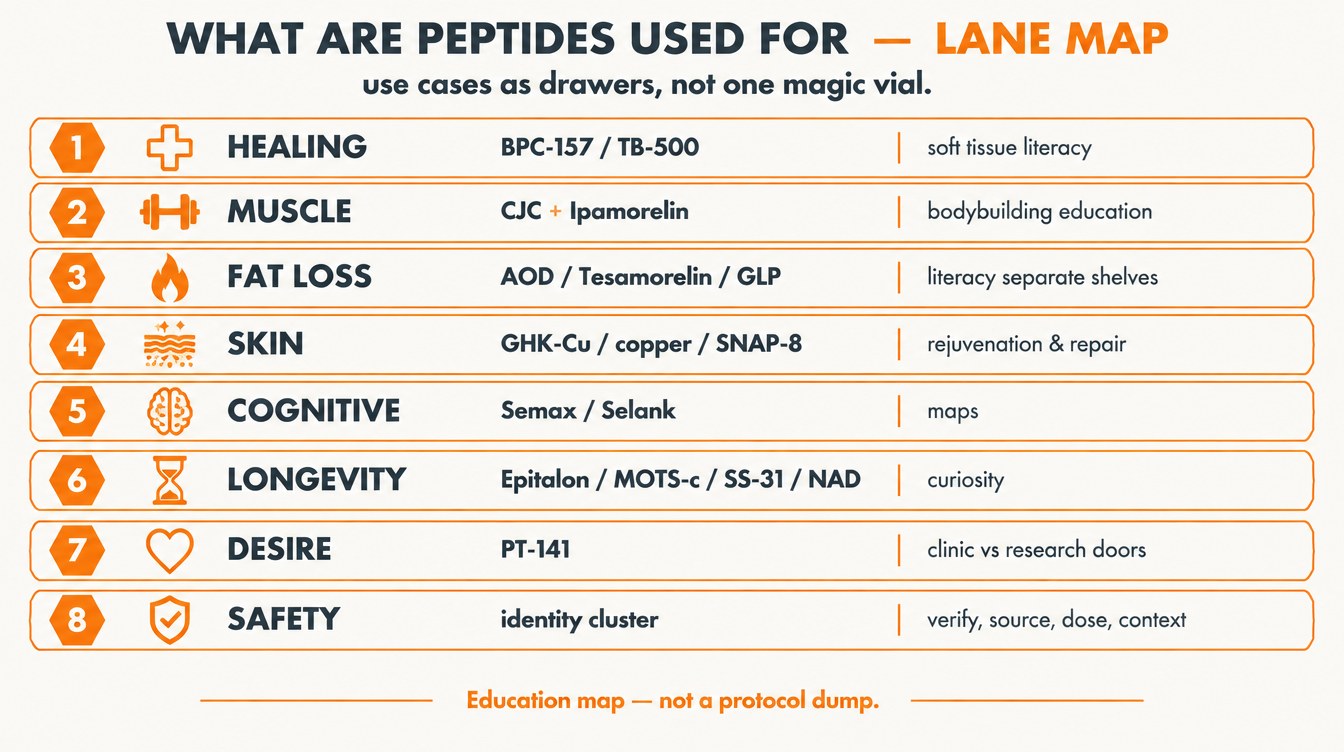
The use-case lane map
Here is the board people actually need when they ask what peptides are used for. Each lane links into live deep pages. Use them. This hub stays a sorting board, not a stack dump.
Lane 1: Healing and soft-tissue curiosity
Many people land here after stubborn training niggles or “Wolverine stack” social posts. The two names that dominate are BPC-157 and TB-500.
BPC-157 is a short gut-derived peptide. Labs have studied it a lot in animal tendon and soft-tissue models. One classic rat tendon outgrowth paper is in Sources. Human trial stacks are still thin next to the marketing volume.
TB-500 is the research nickname people use around thymosin beta-4 fragment stories. Thymosin beta-4 has a long research trail in actin binding and wound healing. Actin is a cell-skeleton protein. The story is about cell movement and repair signals in lab work. That is not the same as a finished FDA treatment claim on a research vial.
Blends get sold as “Wolverine.” Teach the parts first on Wolverine. Then read the hub on peptides for healing and the head-to-head on BPC-157 vs TB-500.
How sure should you be? Preclinical papers can be fascinating. Confidence for personal human outcomes should stay humble unless you are in a real clinical lane with a clinician.
Why this matters: recovery curiosity is real. Miracle soft-tissue ads are not a substitute for diagnosis.
Bodybuilding long-tail searches also land here. Someone types what peptides are used for in bodybuilding and expects a chart. Charts without doors become cookbooks. This magazine keeps free pages as maps. Deep recovery pages already exist. Use them. Then talk with a clinician if your situation is medical, not just curiosity.
Lane 2: Muscle and bodybuilding education
Gym forums mash peptides with steroids. Wrong template. Peptides are not a milder badge for anabolic steroid folklore. Keep the chemistry split on peptides vs steroids and are peptides steroids.
Honest muscle literacy often points at GH signal tools people already search. See CJC-1295 no DAC + Ipamorelin and Ipamorelin alone. Ipamorelin was described as a selective growth hormone secretagogue in late-1990s lab work. Selective means it was built to push growth hormone release with less side noise than some older research tools. CJC-1295 was studied as a long-acting GHRH analog. It can prolong GH and IGF-I signals in human pharmacology work. IGF-I is a growth signal related to GH. That is mechanism literacy. It is not a free-site hypertrophy protocol.
Deep gym pages already live here: peptides for bodybuilding and peptides for muscle growth. Also see Sermorelin as a GHRH-related map, not a crown for every goal.
Foundation still beats vial cosplay. Protein, sleep, progressive lifting, and tools like creatine have thicker evidence shelves for lean mass. See creatine benefits and protein intake.
Keep vs skip: keep education that separates GH signal maps from AAS folklore. Skip captions that mash peptide maps into PED cookbooks.
What do peptides do in a gym context, honestly? Sometimes they are studied as signal tools next to recovery or GH pathways. Sometimes the caption is just steroid folklore wearing a new sticker. Your job is to tell those stories apart. The steroids identity cluster linked above exists for that reason.
Why this matters: confusing a GH secretagogue paper with an anabolic steroid cookbook is how people buy the wrong confidence.
Lane 3: Fat loss and metabolic literacy
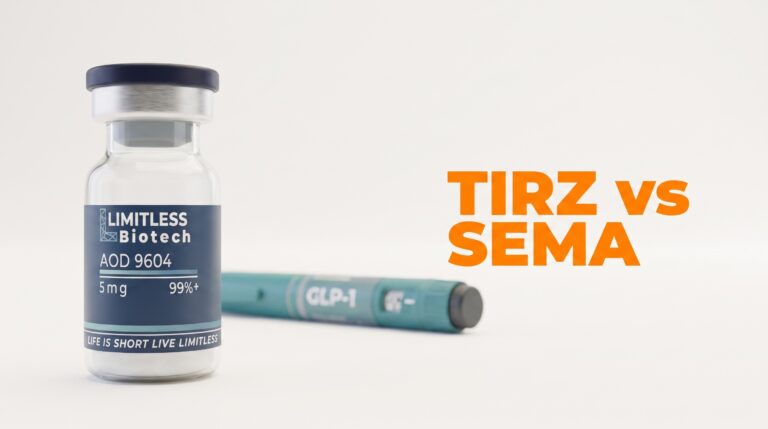
Weight-loss headlines are loud. Semaglutide, tirzepatide, and newer multi-agonist research sit in major journals. Those are mostly prescription or trial lanes. Our magazine maps live on peptides for fat loss and peptides for weight loss. Careful twin read: tirzepatide vs semaglutide.
Separate drawer: research fragments like AOD-9604. AOD-9604 is a lab-made fragment. It was inspired by a piece of human growth hormone that relates to fat breakdown. Early metabolic papers exist. It is not “injectable Ozempic with a new sticker.” Do not glue fragment marketing onto GLP-1 Phase 3 confidence.
Tesamorelin has an FDA-approved medicine story about reducing deep belly fat in specific HIV-related fat disorders. That labeled clinical story is precise. It is not a free invite to treat every midsection photo as a Tesamorelin ad.
So what for you: name whether you are looking at a labeled incretin medicine story, a Tesamorelin labeled story, or a research-fragment curiosity. Different shelves.
GLP-1 and dual-agonist medicines changed the culture of fat-loss talk. That is real. It still does not turn every research fragment into the same evidence class. Teach the difference. Stay Google-clean. Stay clinician-honest. No treat-disease pitch on a free magazine page.
Why this matters: metabolic literacy protects you from caption mash-ups that sound scientific and sell certainty they did not earn.
Lane 4: Skin, copper peptides, and Snap-8
Skin search intent is huge. Copper tripeptide GHK-Cu has a long lab trail around collagen signaling and tissue remodeling. Classic fibroblast culture work and later reviews sit in Sources. Deep maps: GHK-Cu, copper peptides, and peptides for skin.
Snap-8 is a topical-adjacent research nickname people meet in wrinkle-serum aisles. Blend curiosity shows up as GLOW and KLOW. Teach the parts. Do not treat a serum caption like a clinical trial.
Why this matters: skin peptides can be interesting. Ads still oversell certainty.
Copper peptide literacy sits next to topical culture. That culture loves before-and-after certainty. Lab collagen-signaling work is interesting. It is still not a substitute for dermatology when you have a real skin problem. Keep Door A conversations with a clinician when the issue is medical.
Lane 5: Cognitive and nootropic maps
Some readers ask about focus and stress-adjacent peptide names. Two that show up often are Semax and Selank. Lab work has looked at neurotrophin expression and related brain-signal stories. Neurotrophins are proteins that help neurons grow and stay healthy. That is mechanism literacy. It is not a free-site brain-stack protocol.
How sure should you be? Much of this lane is preclinical or specialized literature. Keep confidence humble. Keep Door A / B / C separate.
Cognitive peptide names travel fast on social feeds because focus sells. Mechanism papers about BDNF and related pathways can be real. BDNF is a brain growth-support protein. A paper about BDNF expression in rats is not a personal focus guarantee. Hold that line.
Why this matters: brain claims deserve extra humility. YMYL topics reward careful language.
Lane 6: Longevity and mito curiosity
Longevity feeds love short names. Epitalon shows up next to telomere curiosity. Telomeres are the protective caps on chromosomes. Cell-line work around telomerase and telomere length exists. That is not the same as a proven human anti-aging voucher.
MOTS-c is a mitochondrial-derived peptide studied for metabolic homeostasis in animal and mechanism work. Mitochondria are the cell’s energy factories. SS-31 (elamipretide in medicine-research language) sits in mitochondria-targeted research. NAD literacy is adjacent — a cofactor story, not a peptide vial by default.
So what for you: longevity curiosity is fine. Miracle aging claims are not a map.
Longevity language often borrows from real cell biology. Telomeres, mitochondria, NAD pathways — those words are not fake. The leap from a cell-line paper to a personal aging voucher is where magazines should slow down. Curiosity yes. Magic no.
Why this matters: aging anxiety is a sales funnel. Literacy is the brake pedal.
Lane 7: Desire and sexual-health literacy
Soft YMYL lane. PT-141 / bremelanotide has human trial history, including approved-medicine stories for specific desire disorders in clinic settings. Research-vial nicknames do not automatically inherit labeled-medicine rules. Say the door. Talk with a clinician for personal health decisions.
Gender hubs if that is your sorting need: peptides for men and peptides for women.
Lane 8: Safety, legal, and identity cluster
Before you buy confidence from a caption, read the identity cluster:
- Are peptides safe?
- Are peptides legal?
- Are peptides natural?
- Are peptides steroids?
- Peptides vs steroids
- Counterfeit research peptides
Why this matters: wrong identity framing is how people buy the wrong story.
Myths that keep muddying the map
- Myth: collagen powder equals signaling peptides. Truth: food collagen is long structural protein. Signaling peptides are short messages. Different jobs.
- Myth: peptides are just “milder steroids.” Truth: chemistry classes differ. Read the steroids cluster above. Never crown PEDs as still “natty.”
- Myth: one vial covers healing, fat loss, skin, and desire. Truth: different drawers. Different evidence bars. Different doors.
- Myth: a research label guarantees purity. Truth: label is not contents. Quality literacy matters.
Keep vs skip: keep plain maps. Skip natty-crown hustle and disease-treat pitches.
One more myth worth killing. “Natural” is not a purity halo and not a free pass. Some peptides are made in labs as research tools. Some medicines are peptides with labels. Some food proteins are long amino-acid chains. The word natural gets abused in every aisle. Read are peptides natural for the longer identity talk.
How to think about next steps
If you came in from a “what do peptides do” reel, slow down. Name the lane. Name the door. Open the matching deep page. Keep free-site reading as a map. Save protocols for a clinician or for Pro classroom depth.
Foundation habits still matter more than vial cosplay for most training goals: progressive lifting, enough protein, sleep, and zone-2 cardio literacy on zone-2 training. Creatine and protein maps are linked above.
If your question is really “what should I do first,” start boring. Training consistency. Protein. Sleep. Then open the peptide map for the lane you actually care about. Then decide whether Door A, B, or C is even relevant. Most people skip those steps and buy a caption. That is expensive education.
Want a men-focused or women-focused sort after this hub? Use the gender twins. Want steroids identity clarity first? Use that cluster. Want healing first? Start with BPC / TB. The map only helps if you pick a door and a drawer.
New here? Visit Start Here. Want mastery library access? /community/.
Why this matters: the next smart step is literacy. Not a panic buy. Not a miracle claim.
So what for you: write one sentence before you trust any “what are peptides used for” pitch: “Which lane is this — and which door am I actually looking at?”
Use-map research cards — InStock partners
 BioLongevity
BPC-157
LEE15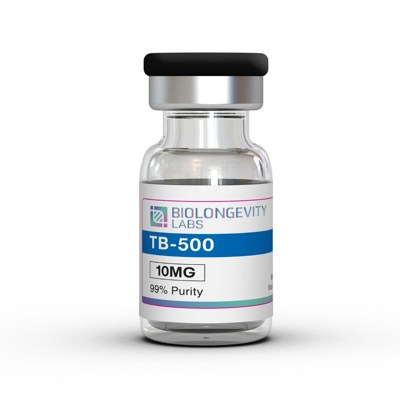 BioLongevity
TB-500
LEE15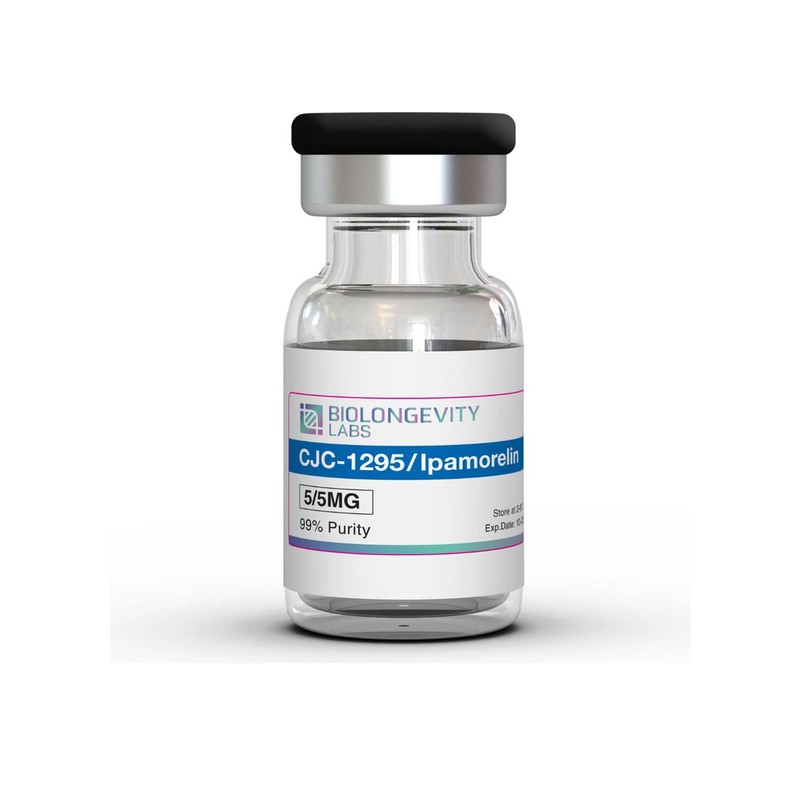 BioLongevity
Wolverine Blend
LEE15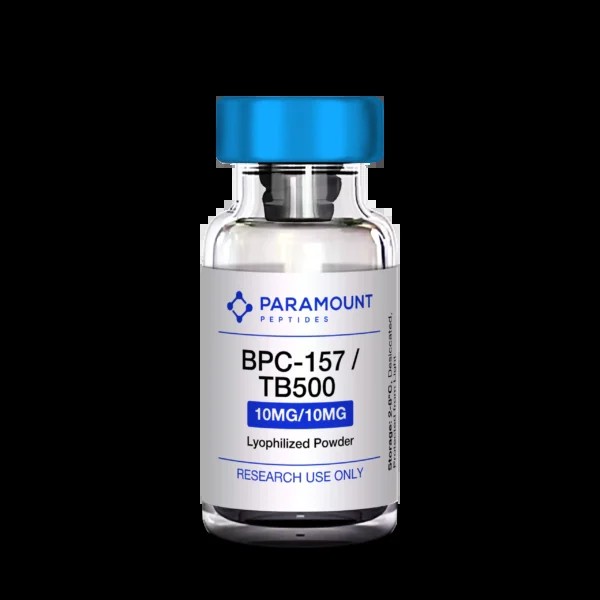 Paramount
Wolverine Blend
LEE10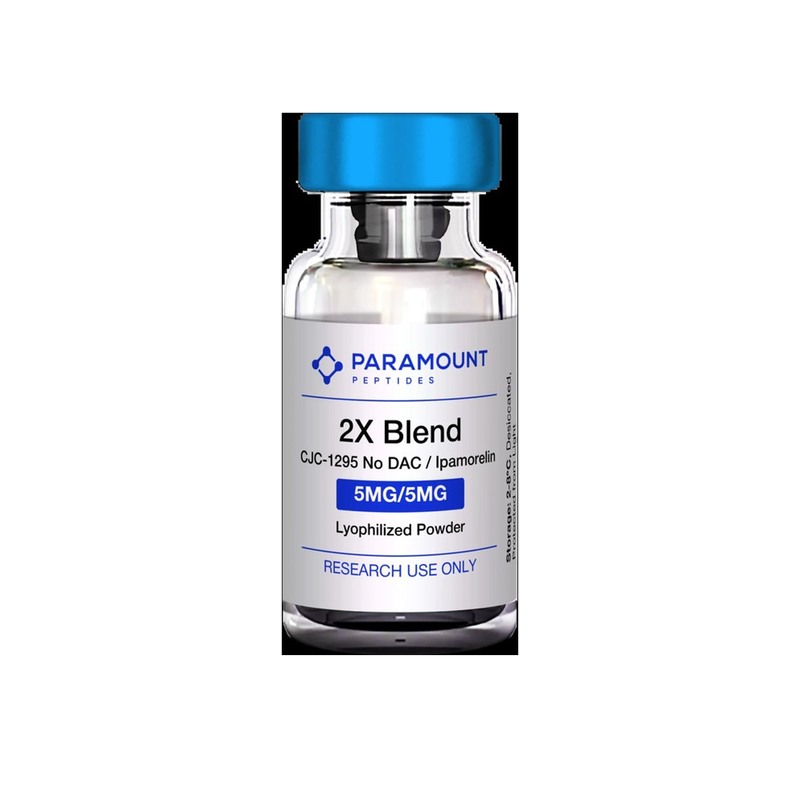 Paramount
CJC / Ipamorelin
LEE10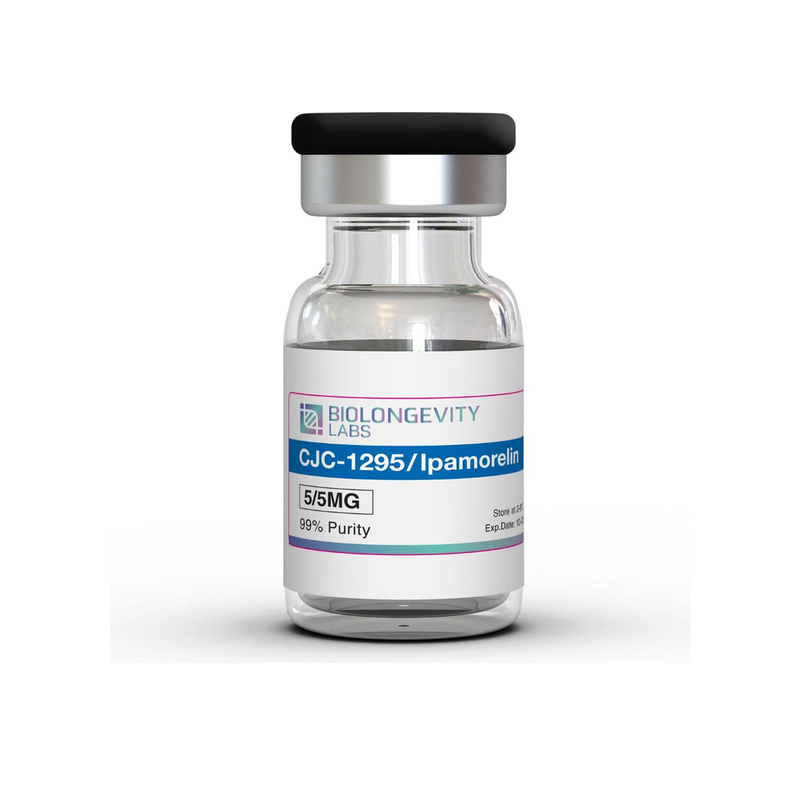 BioLongevity
CJC / Ipamorelin
LEE15 BioLongevity
Ipamorelin
LEE15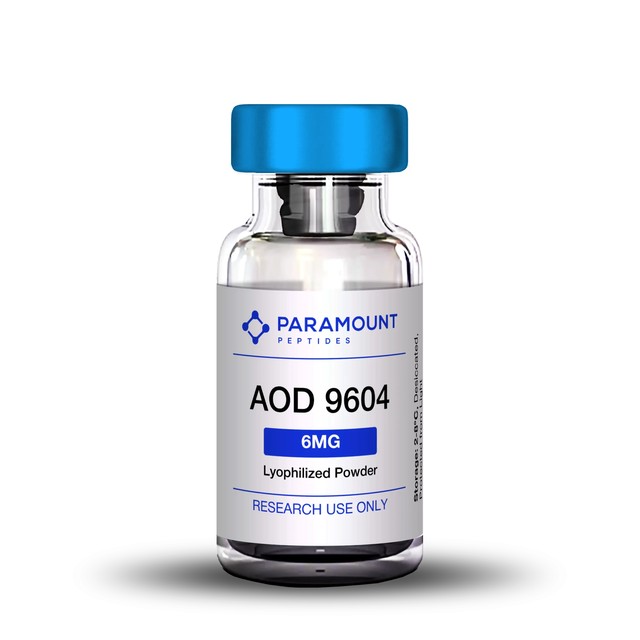 Paramount
AOD-9604
LEE10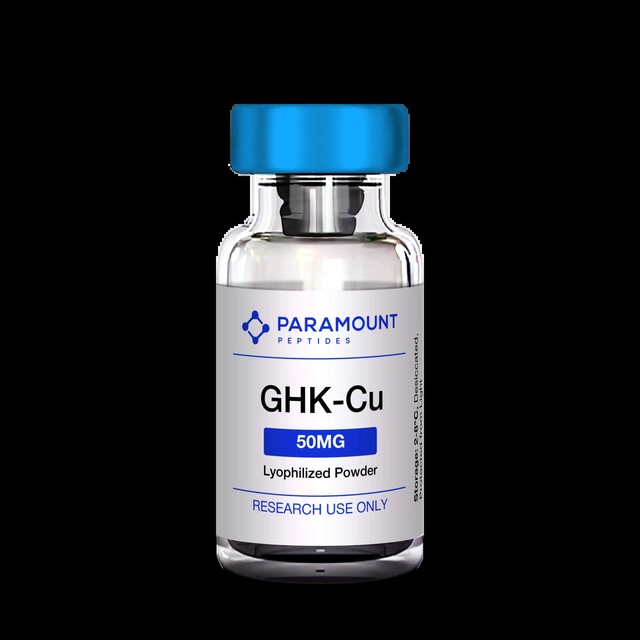 Paramount
GHK-Cu
LEE10 Paramount
Recon Solution
LEE10Partner homes
Limitless home · LEE20 S1 shop · LEE10 Peptira home · LEE Paramount home · LEE10 BioLongevity home · LEE15
Adjacent research maps only. Codes live in the links. Education framing — not a treat-disease pitch.
Key takeaways (echo)
- “What are peptides used for” is a multi-lane map: healing, muscle education, fat-loss literacy, skin, cognitive curiosity, longevity maps, desire literacy, and safety identity.
- Do not mash collagen powder with signaling peptides. Do not smash Rx, compounding, and research vials into one story. Do not crown PEDs as natty.
- Education only. Not medical advice. Not an FDA-approved treatment claim.
Get the Peptide Playbook
Free email map for how to think about peptides without the guru noise. No naked PDF dump — just the Playbook form.
Related reads: What are peptides? · Best peptides · Peptides for men · Peptides for women · Are peptides natural?
Sources & Further Reading
- Chang CH, et al. The promoting effect of pentadecapeptide BPC 157 on tendon healing involves tendon outgrowth, cell survival, and ERK activation. J Appl Physiol. 2011. PMID 21030672
- Gwyer D, et al. Gastric pentadecapeptide body protection compound BPC 157 and its role in accelerating musculoskeletal soft tissue healing. Cell Tissue Res. 2019. PMID 30915550
- Seiwerth S, et al. BPC 157 and standard angiogenic growth factors. Gastrointestinal tract healing, lessons from tendon, ligament, muscle and bone healing. Curr Pharm Des. 2018. PMID 29998800
- Józwiak M, et al. Multifunctionality and possible medical application of the BPC 157 peptide — literature and patent review. Pharmaceuticals. 2025. PMID 40005999
- Malinda KM, et al. Thymosin beta4 accelerates wound healing. J Invest Dermatol. 1999. PMID 10469335
- Goldstein AL, et al. Thymosin beta4: actin-sequestering protein moonlights to repair injured tissues. Trends Mol Med. 2005. PMID 16099219
- Guarnera G, et al. The effect of thymosin treatment of venous ulcers. Ann N Y Acad Sci. 2010. PMID 20536470
- Kleinman HK, et al. Thymosin β4 promotes dermal healing. Vitam Horm. 2016. PMID 27450738
- Raun K, et al. Ipamorelin, the first selective growth hormone secretagogue. Eur J Endocrinol. 1998. PMID 9849822
- Teichman SL, et al. Prolonged stimulation of growth hormone (GH) and insulin-like growth factor I secretion by CJC-1295, a long-acting analog of GH-releasing hormone, in healthy adults. J Clin Endocrinol Metab. 2006. PMID 16352683
- Walker RF. Sermorelin: a better approach to management of adult-onset growth hormone insufficiency? Clin Interv Aging. 2006. PMID 18046908
- Vittone J, et al. Effects of single nightly injections of growth hormone-releasing hormone (GHRH 1-29) in healthy elderly men. Metabolism. 1997. PMID 9005976
- Falutz J, et al. Metabolic effects of a growth hormone-releasing factor in patients with HIV. N Engl J Med. 2007. PMID 18057338
- Falutz J, et al. Long-term safety and effects of tesamorelin, a growth hormone-releasing factor analogue, in HIV patients with abdominal fat accumulation. AIDS. 2008. PMID 18690162
- Stanley TL, et al. Effect of tesamorelin on visceral fat and liver fat in HIV-infected patients with abdominal fat accumulation: a randomized clinical trial. JAMA. 2014. PMID 25038357
- Ng FM, et al. Metabolic studies of a synthetic lipolytic domain (AOD9604) of human growth hormone. Horm Res. 2000. PMID 11146367
- Heffernan M, et al. The effects of human GH and its lipolytic fragment (AOD9604) on lipid metabolism following chronic treatment in obese mice and beta(3)-AR knock-out mice. Endocrinology. 2001. PMID 11713213
- Wilding JPH, et al. Once-weekly semaglutide in adults with overweight or obesity. N Engl J Med. 2021. PMID 33567185
- Jastreboff AM, et al. Tirzepatide once weekly for the treatment of obesity. N Engl J Med. 2022. PMID 35658024
- Jastreboff AM, et al. Triple-hormone-receptor agonist retatrutide for obesity — a Phase 2 trial. N Engl J Med. 2023. PMID 37366315
- Diamond LE, et al. Double-blind, placebo-controlled evaluation of intranasal PT-141 in healthy males and men with mild to moderate erectile dysfunction. Int J Impot Res. 2004. PMID 14963471
- Diamond LE, et al. Co-administration of low doses of intranasal PT-141, a melanocortin receptor agonist, and sildenafil to men with erectile dysfunction. Urology. 2005. PMID 15833522
- Kingsberg SA, et al. Bremelanotide for the treatment of hypoactive sexual desire disorder: two randomized phase 3 trials. Obstet Gynecol. 2019. PMID 31599840
- Maquart FX, et al. Stimulation of collagen synthesis in fibroblast cultures by the tripeptide-copper complex glycyl-L-histidyl-L-lysine-Cu2+. FEBS Lett. 1988. PMID 3169264
- Pickart L. The human tri-peptide GHK and tissue remodeling. J Biomater Sci Polym Ed. 2008. PMID 18644225
- Pickart L, et al. GHK peptide as a natural modulator of multiple cellular pathways in skin regeneration. Biomed Res Int. 2015. PMID 26236730
- Dou Y, et al. Are we ready to measure skin permeation of modern antiaging GHK-Cu tripeptide encapsulated in liposomes? Molecules. 2025. PMID 39795193
- Asanin J, et al. Liposomes as carriers of GHK-Cu tripeptide for cosmetic application. Pharmaceutics. 2023. PMID 37896245
- Dolotov OV, et al. Comparison of the temporary dynamics of NGF and BDNF gene expression in rat hippocampus, frontal cortex, and retina under Semax action. J Mol Neurosci. 2010. PMID 19662538
- Koroleva SV, et al. Antidepressant-like and antistress effects of the ACTH(4-10) synthetic analogs Semax and Melanotan II. Eur J Pharmacol. 2024. PMID 39442746
- Inozemtseva LS, et al. Selank, peptide analogue of tuftsin, protects against ethanol-induced memory impairment by regulating BDNF content. Bull Exp Biol Med. 2019. PMID 31625062
- Sudakov KV, et al. Functional connectomic approach to studying Selank and Semax effects. Dokl Biol Sci. 2020. PMID 32342318
- Lee C, et al. The mitochondrial-derived peptide MOTS-c promotes metabolic homeostasis and reduces obesity and insulin resistance. Cell Metab. 2015. PMID 25738459
- Aydin S, et al. Targeting mitochondria in MASLD: comparative evaluation of MitoQ and SS-31 (elamipretide) in aged female mice under nutritional stress. Physiol Res. 2026. PMID 42708867
- Anisimov VN, et al. Epitalon increases telomere length in human cell lines through telomerase upregulation or ALT activity. Biogerontology. 2025. PMID 40908429
- Forbes SC, et al. Meta-analysis examining the importance of creatine ingestion strategies on lean tissue mass and strength in older adults. Nutrients. 2021. PMID 34199420
- Burke R, et al. The effects of creatine supplementation combined with resistance training on regional measures of muscle hypertrophy. Nutrients. 2023. PMID 37432300
Education only. Not medical advice. Not an FDA-approved treatment claim. Research framing for mechanism and quality literacy. Talk with a qualified clinician about personal health decisions. Partner links may earn a commission; codes live in the links.