 PEPTIDES & PUMP
Menu
PE-22-28 Peptide: The TREK-1 Research, Explained Without the Hype
PE-22-28 is a short spadin analog that blocks the TREK-1 channel in rodent and cell work. What the research shows, why it is not an antidepressant, and how it compares to Semax and Selank.

Peptide Insider Free email + the Peptide Playbook PDF.Get it free
Education only. Not medical advice. Unsubscribe anytime.
Research education, not medical advice. Talk with a licensed clinician before you act on anything here.
Mood peptides pull in a lot of BS. PE-22-28 is a big one.
It’s a short lab peptide that blocks a brain channel called TREK-1. In rodents and cells. That’s it.
It is not an antidepressant, and it’s not a swap for real care. Here’s what the research actually covers.
Key takeaways
- Verdict:PE-22-28 is a short spadin analog built to block the TREK-1 potassium channel in rodent and cell work. A research map, not an FDA antidepressant and not a free-site mood protocol.
- How it works in one line:Think of TREK-1 as a leaky pressure-relief valve on neurons. PE-22-28 is the shorter custom plug that seats tighter than longer spadin.
- Your next step:learn the three doors (research SKU vs doctor mood care vs basics).
What people ask us about PE-22-28
Paraphrased from the kinds of questions people bring to our community. These are anecdotes, not data.
- “Is PE-22-28 a natural antidepressant?”
- “Is it better than Semax or Selank?”
- “Is there any human data?”
Straight answers below. No bro-science, no hype. Every study is linked at the bottom so you can check me.
Verdict up front:PE-22-28 is worth knowing if you keep seeing “spadin analog,” TREK-1, or “faster than SSRIs in mice” next to a research vial. It is not worth treating a heptapeptide like a clinic antidepressant. It is not a free page that hands you a mood protocol.
Real patch-clamp numbers. Real mouse behavior assays. Real partner SKUs that use the PE-22-28 name. Zero honest path from “I bought a 10 mg vial” to “I just ran a psychiatry protocol from a crimp cap.”.
Keep reading if you searched PE-22-28, PE 22-28, spadin analog, TREK-1 blocker, sortilin propeptide, or “is this just Discord depression lore”. You want the map, not the hype. Skip if you want a dosing table. Skip if you want a black-market “cycle. Skip if you want ” a claim that a research vial treats major depression. Skip if you want anxiety. Skip if you want PTSD. Skip if you want “brain fog. Skip if you want ”. Skip if you want a reason to skip sleep. Skip if you want therapy. Skip if you want and a doctor. Those asks belong in Pro or a real doctor. Not a free page.
Day-one basics still live on Start Here and what are peptides. Adjacent maps when you are done here: Semax, Selank, Dihexa, DSIP, ARA-290, Pinealon, Cortagen, NAD, how to reconstitute peptides, how to sleep better, and HRV.
Teaching only. Not medical advice. A research-shelf PE-22-28 vial is not an FDA-approved drug for depression, anxiety, bipolar disorder, PTSD, insomnia, cognitive decline, or “mood optimization,” and it is not permission to ignore a doctor when people oversell “just the TREK-1 peptide.”.
What is PE-22-28?
Start with the plain name. PE-22-28 is a seven–amino-acid research peptide. It is a shortened analog of spadin, which itself comes from a sortilin propeptide fragment that can block the TREK-1 potassium channel.
It is not Semax. It is not Selank. It is not Dihexa. Shared Instagram aisle with other “brain peptides.” Different target. Different proof file.
People mash “antidepressant peptide” with clinic SSRIs and ketamine sales talk hard. Your brain does not care about the nickname. It cares whether you can separate a TREK-1 research story from a catalog SKU and from real mood care.
Why this matters: forums treat PE-22-28 like one depression drug with one protocol. It is a short research sequence with a TREK-1 papers lane.
So what for you: if a sales page never says TREK-1 or spadin out loud, it is selling vibes.
The leaky-valve analogy (one mechanism picture)
Here is the only picture I want stuck in your head.
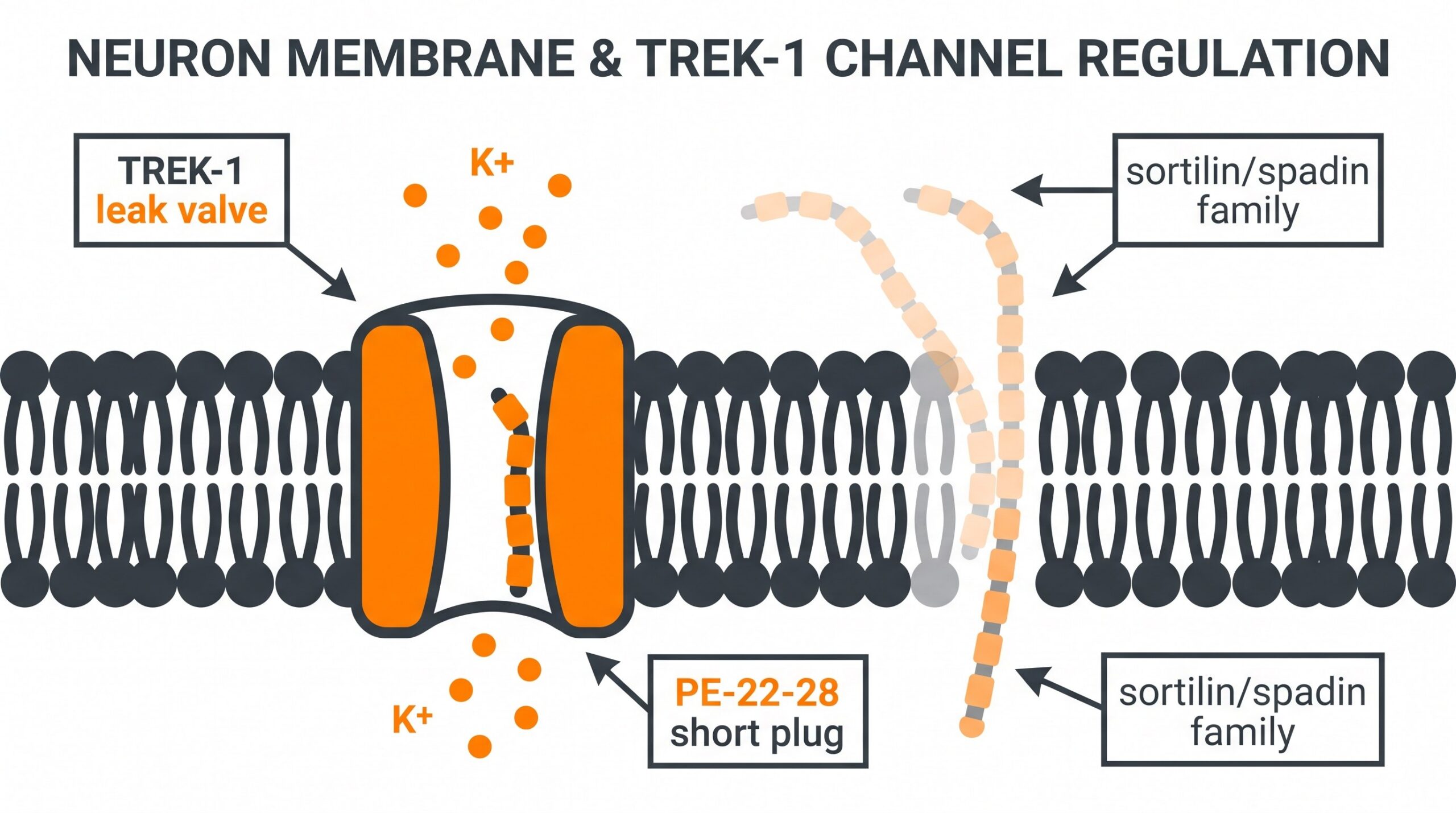
Think of a neuron membrane like a pressurized room. TREK-1 is one of the background potassium channels. A leaky pressure-relief valve that lets potassium ions slip out and keeps the cell from firing as easily.
When that valve stays open, excitability can stay quieter. When you block the valve, the room keeps more charge and the cell can become more responsive. In the TREK-1 story, that shift is the lever researchers have chased for antidepressant-like effects in animals.
Spadin was the first natural-feeling peptide plug for that valve. PE-22-28 is the shorter custom plug cut from the same family. Designed to seat harder and last longer in the lab models that measured it.
How sure should you be? Fairly sure TREK-1 is a real two-pore potassium channel with a published depression-related phenotype in knockout mice. Fairly sure PE-22-28 is a real studied heptapeptide with patch-clamp and rodent behavior papers. Much less sure that every Instagram “mood stack” recreates those assay conditions. Zero sure that a research vial replaces therapy, sleep, or a psychiatry visit when someone is in crisis.
Why this matters: if you cannot explain “leaky TREK-1 valve vs short PE-22-28 plug vs catalog nickname” in one sentence, you are not ready to open a cart.
So what for you: ask for the channel story before you ask for a price.
The number people misread (and what it really means)
The cleanest “this pathway is not a cartoon” line on the PE-22-28 side is not a Discord screenshot. It is a 2017 Frontiers in Pharmacology paper from Djillani and colleagues.
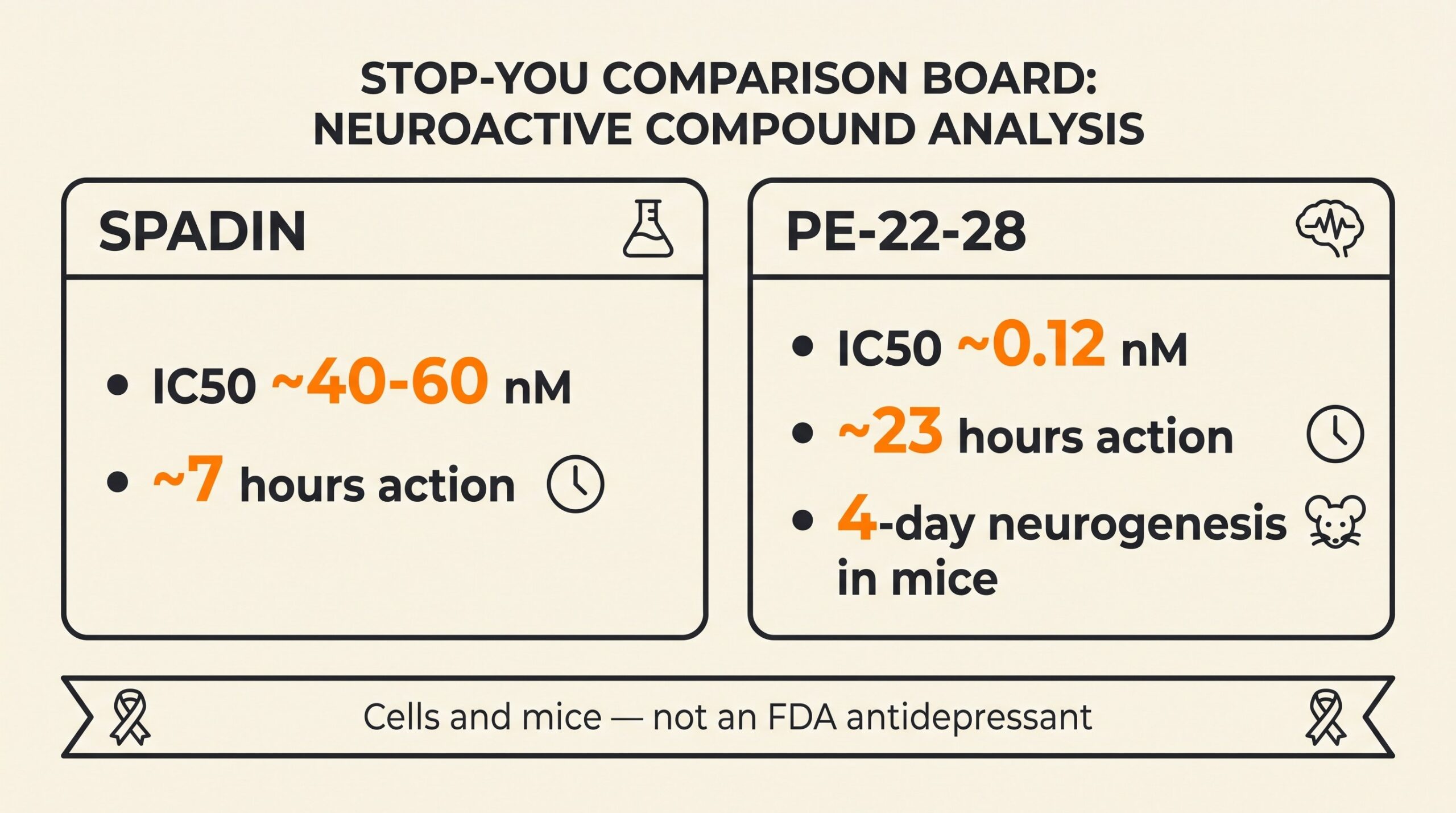
On human TREK-1 expressed in HEK cells, PE-22-28 inhibited the channel with an IC50 near 0.12 nM. Spadin in the same assay neighborhood sat around 40–60 nM. That is not a small nudge. That is a much tighter plug in the dish.
Same paper: functional action stretched toward about 23 hours versus roughly 7 hours for spadin in their comparison. After a 4-day sub-chronic treatment in mice, PE-22-28 showed antidepressant-like behavior readouts and markers of neurogenesis. A timeline people love to contrast with the weeks often quoted for classical SSRIs in clinic storytelling.
Bottom line: real published TREK-1 potency and rodent timing work on PE-22-28, cell and mouse models, not a human antidepressant drug printed on a research label.
Honesty check on the broader file: TREK-1 knockout mice look depression-resistant across classic assays. Spadin was the sortilin-derived peptide that first made the TREK-1 blocker story practical. Reviews keep the family alive. Still not FDA approval. Still not your vial as a psychiatry plan.
Why this matters: the stop-you detail is that roughly 0.12 nM IC50 and a longer action window in the PE-22-28 paper. And the how-sure level for “my PE-22-28 vial is just DIY Zoloft” is still zero.
So what for you: be impressed by the channel map. Do not confuse a nanomolar assay with a shopping list.
Evidence limits: what the research can’t tell you
Every antidepressant-like, neurogenic, and synaptogenic finding for PE-22-28 and its close analogs comes from cells, rodents, or reviews of that lane. There is no completed, published human clinical trial that turns a research PE-22-28 vial into an approved mood drug.
That does not make the science fake. It makes the confidence tier clear. Animal forced-swim and novelty-suppressed feeding tests are useful screens. They are not your diagnosis, your therapy plan, or your crisis plan.
Why this matters: YMYL topics punish pages that blur “interesting channel drug science” into “treat yourself.”.
So what for you: if someone is in acute psychiatric distress, this page is not the tool. Get human help.
Research SKU vs clinician care vs foundations
Three doors. Same mood interest online. Different jobs.
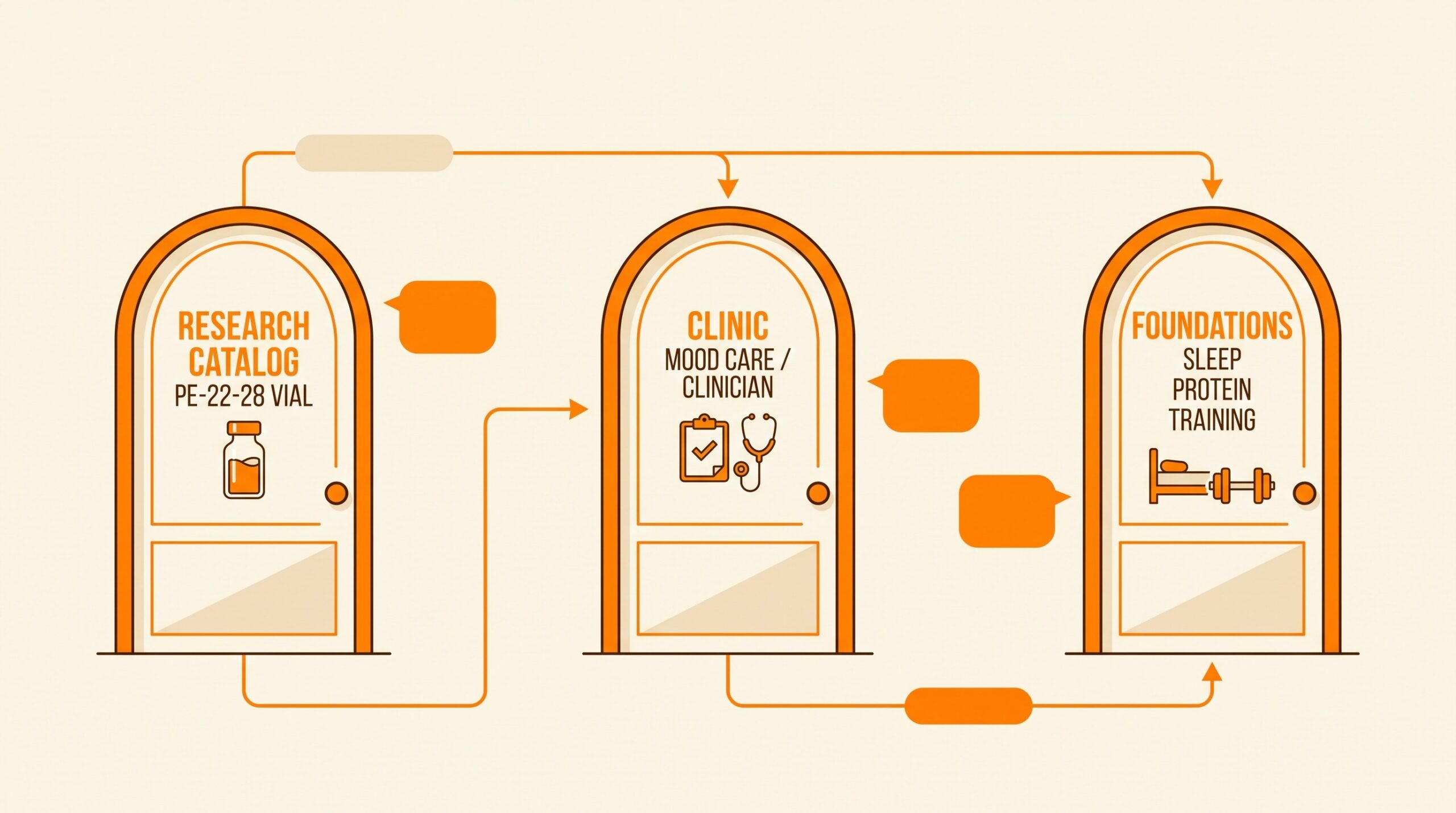
Door 1 — Research catalog PE-22-28. Partner shelves can list PE-22-28 as a research SKU. That is a convenience and a certificate story. It is not FDA-approved psychiatry medicine and not a compounded Rx by default.
Door 2 — Doctor mood care. Real depression, anxiety. Related conditions belong with a doctor who can screen risk, discuss approved options. Watch side effects. A TREK-1 research map does not replace that door.
Door 3 — Basics. Sleep that recovers, daylight, protein that covers basic substrates, training that does not wreck HRV. Relationships that are not optional. See how to sleep better, HRV, protein intake, and Zone 2.
Why this matters: most money gets wasted when people buy Door 1. Wanting Door 2 outcomes.
So what for you: pick the door that matches your actual question before you open a cart.
PE-22-28 vs Semax / Selank / Dihexa / DSIP
Quick lane honesty without turning this into a textbook.
- PE-22-28 = short TREK-1 / spadin-family channel blocker story. Cell and rodent mood-lane research, not Marvel brain juice.
- Semax = ACTH-fragment nootropic / cognitive map — see Semax.
- Selank = tuftsin-family anxiety / GABA-adjacent interest — see Selank.
- Dihexa = angiotensin IV analog / synaptic growth interest — see Dihexa.
- DSIP = sleep-peptide research lane — see DSIP.
Shared Instagram aisle. Different jobs. If a stack post treats all five like one depression smoothie, your how-sure level should drop.
Why this matters: Instagram flattens five different objects into “fix my mood.”.
So what for you: if a page never separates TREK-1 vs Semax vs Selank vs basics, treat the how-sure level as low.
Should you keep reading? Straight answer
Keep reading if you are trying to separate TREK-1 sales talk from published PE-22-28 potency work, or if you saw a PE-22-28 vial and wanted literacy before interest spending.
You can skim or skip if you already have a doctor managing diagnosed depression or anxiety with a real plan. This page will not outrank your chart.
Why this matters: I’d rather tell you straight when this page is useful for you and when it’s just noise for your situation.
So what for you: if your real question is “am I in crisis,” close the tab and get help. If your real question is “what is PE-22-28 and why is everyone yelling,” stay.
Myths that burn your money
- “PE-22-28 = clinic antidepressant.” Nickname sales talk is not an FDA label. Your brain does not care about the logo.
- “0.12 nM = I need a bottle today.” That concentration describes a patch-clamp IC50 on transfected cells. It is not a shopping list.
- “4 days in mice = 4 days for me.” Rodent screens are useful. They are not your titration schedule.
- Missing shelf ≠ missing biology.
- “Stack PE-22-28 with Semax, Selank, Dihexa. DSIP because all say brain.” Shared interest neighborhood. Different mechanisms. Stacking Discord screenshots is not a plan.
- “TREK-1 reviews = FDA approval.” Reviews and animal work are a confidence tier. They are not a US drug label.
Why this matters: the expensive mistake is buying a story you cannot falsify.
So what for you: falsify the door first. Then decide whether a research SKU even belongs in the talk.
Research options from partner labs
If you are mapping research SKUs after you understand the doors, this is the public InStock PE-22-28 partner on this publish pass, plus adjacent brain / mood / recovery research maps. Codes live in the links. Click them so the discount fires.
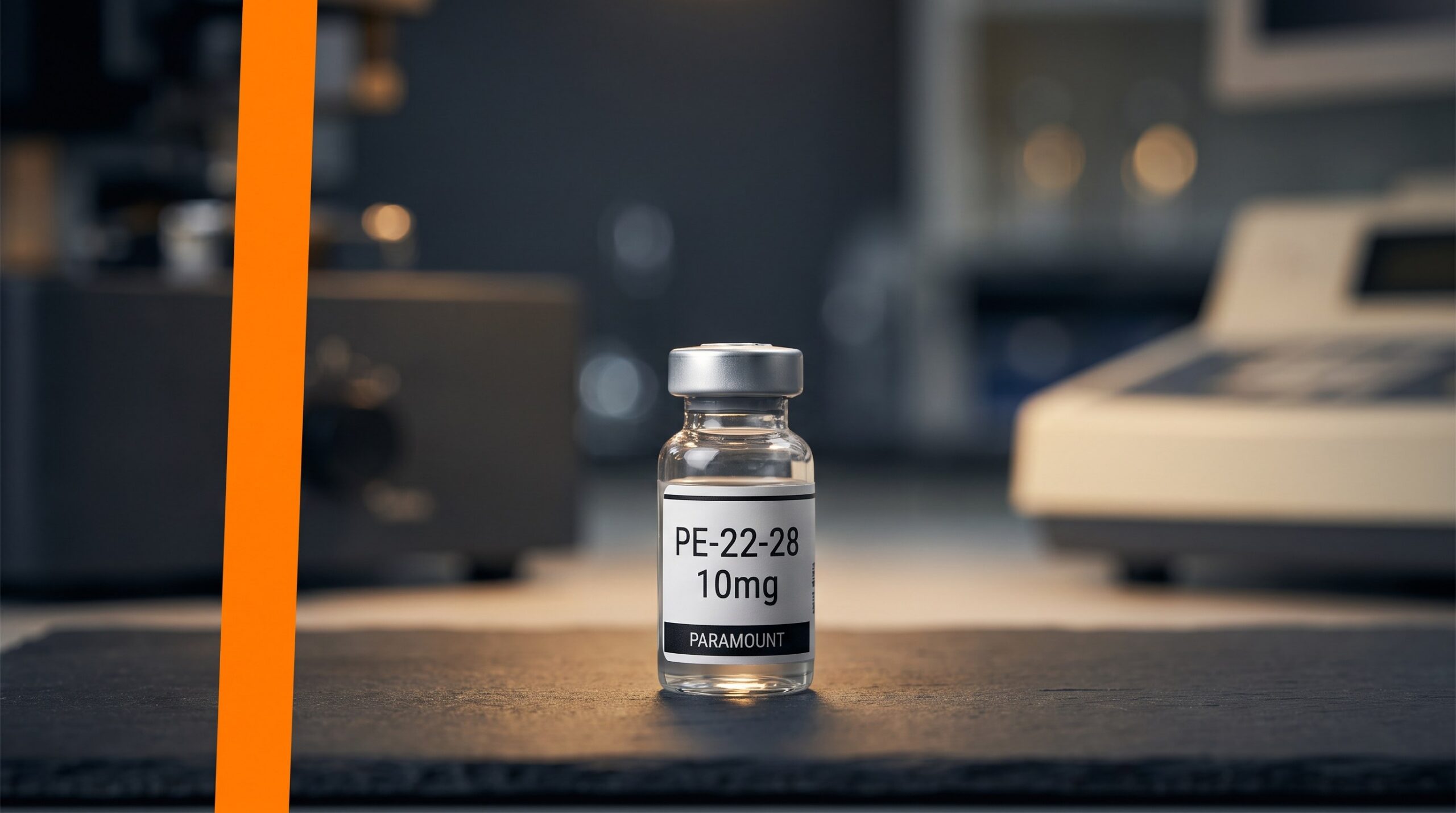
PE-22-28 hero
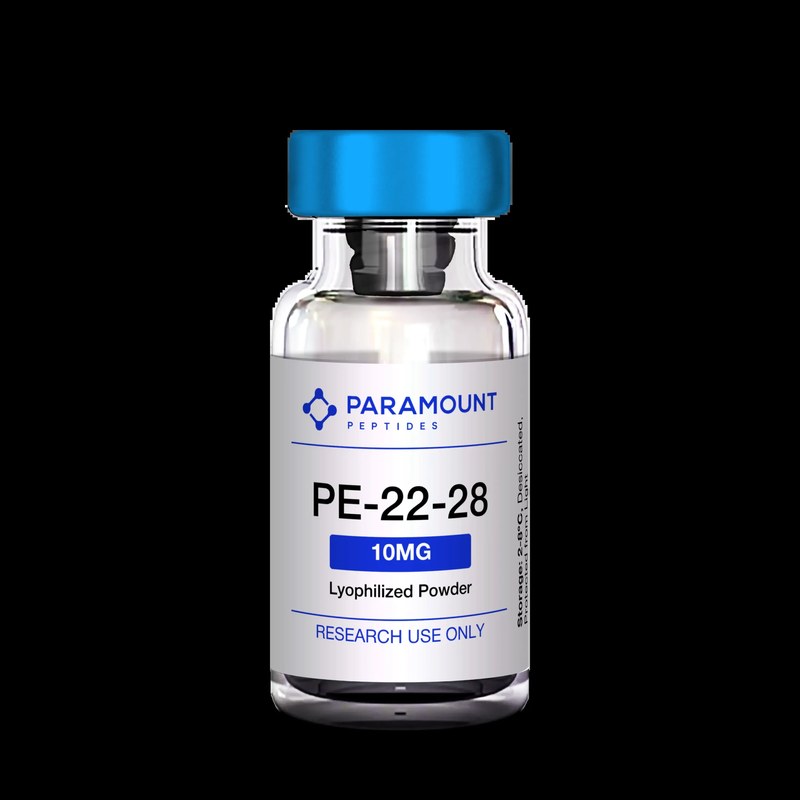 Paramount
PE-22-28 10 mg
My linkAdjacent research maps (convert)
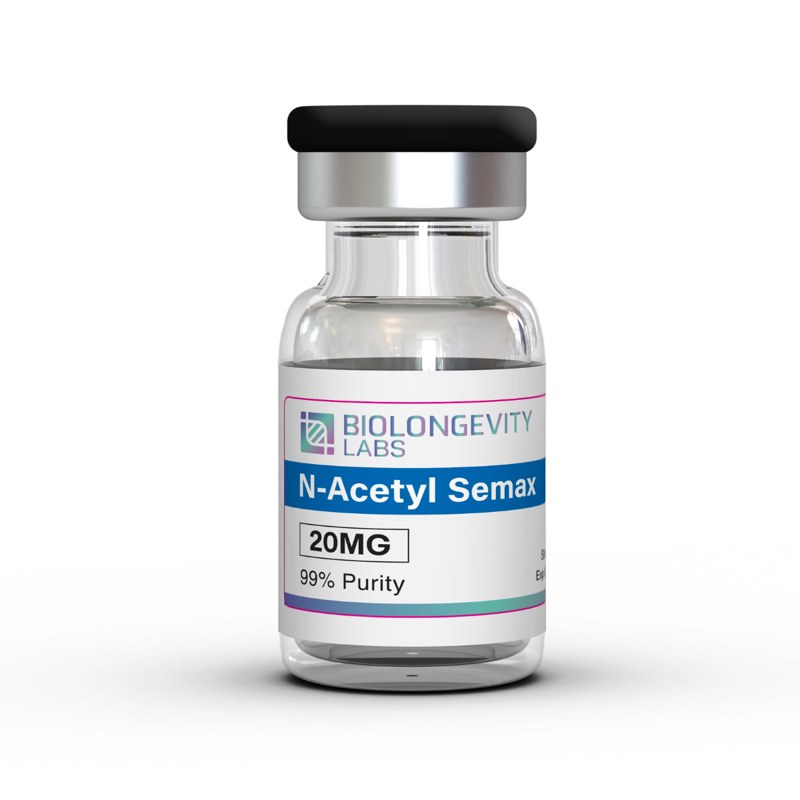 BioLongevity
N-Acetyl Semax Amidate
LEE15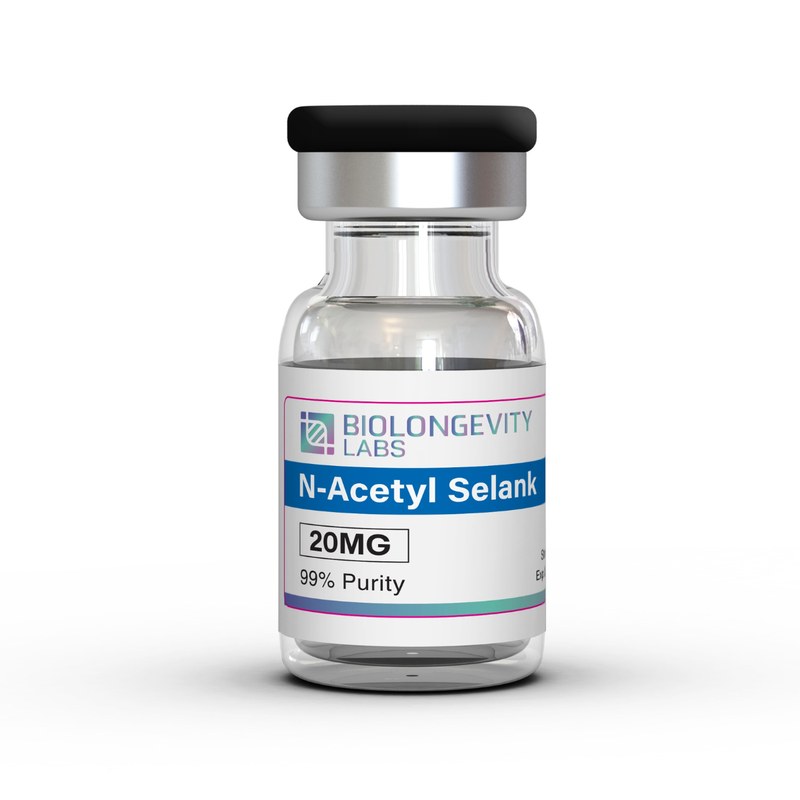 BioLongevity
N-Acetyl Selank Amidate
LEE15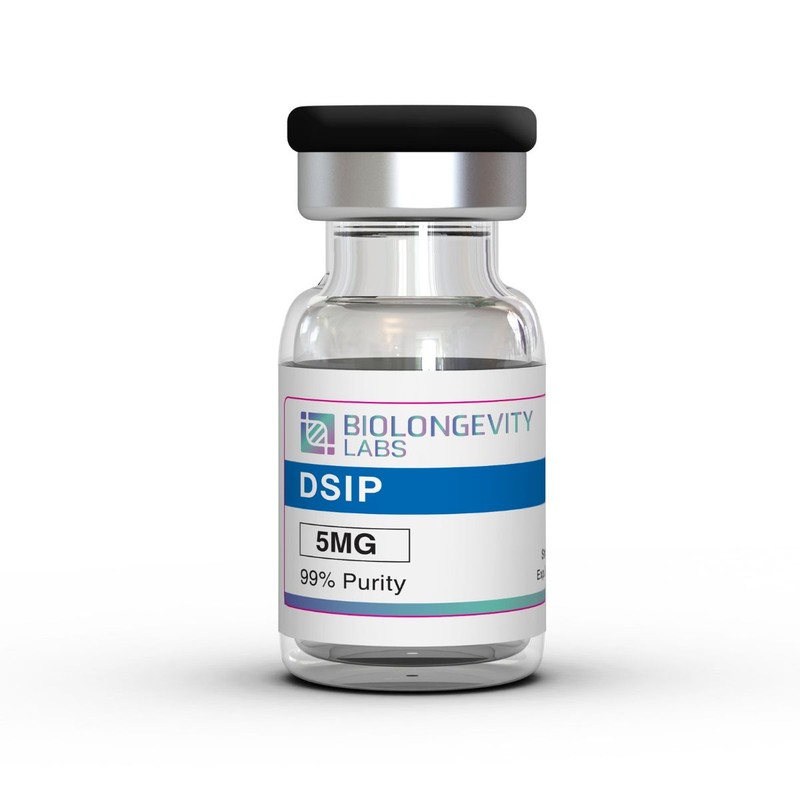 BioLongevity
DSIP 5 mg
LEE15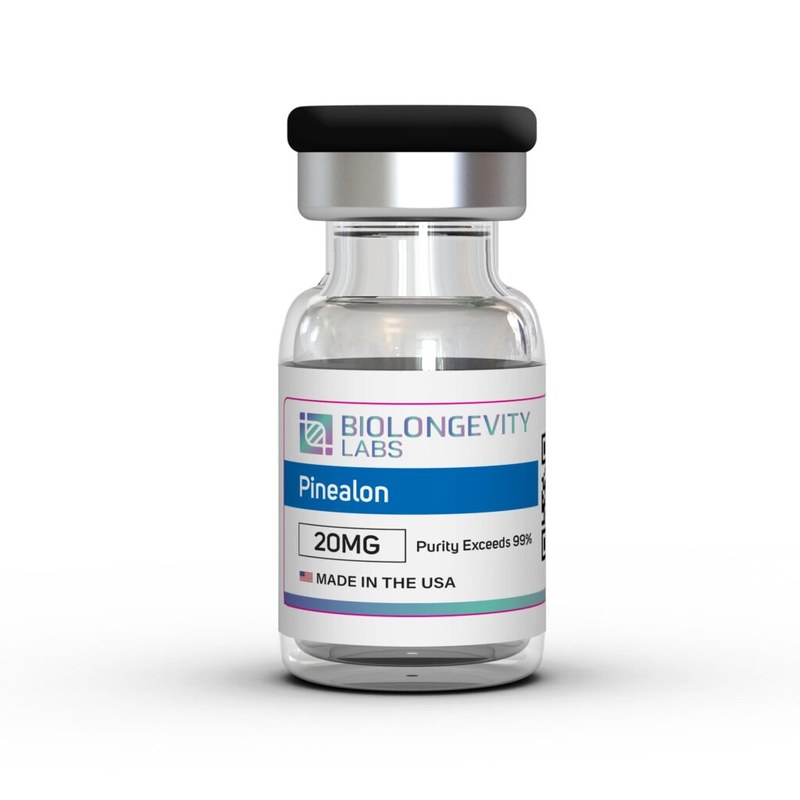 BioLongevity
Pinealon 20 mg
LEE15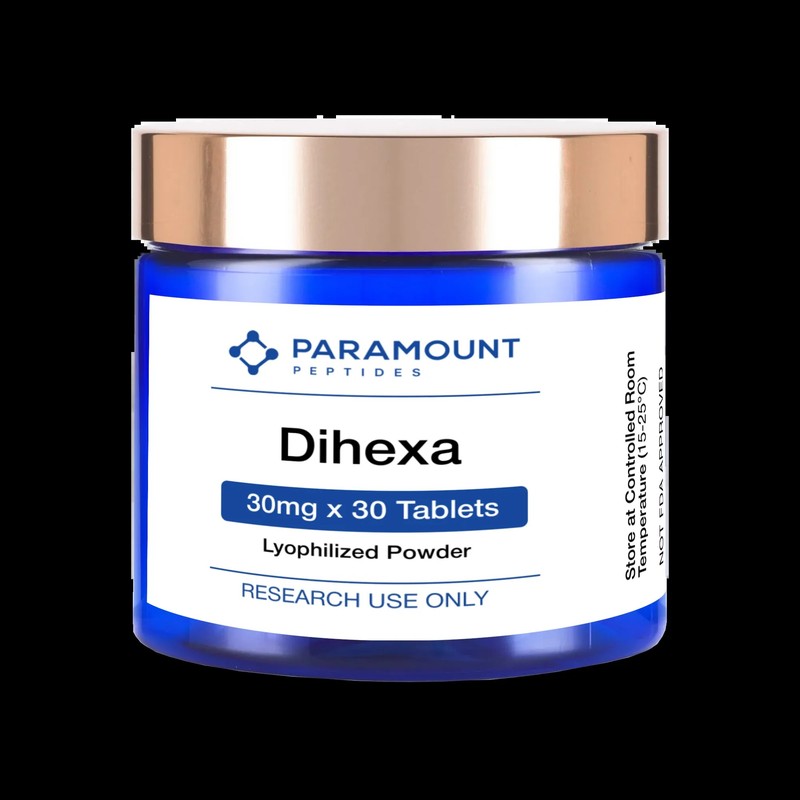 Paramount
Dihexa 30 mg tabs
My link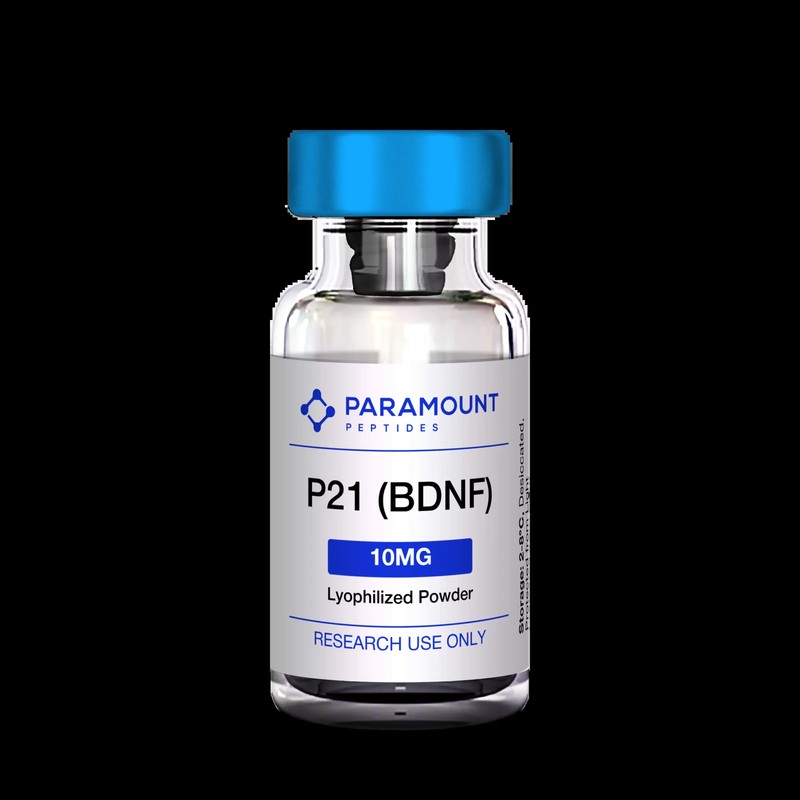 Paramount
P21 / BDNF 10 mg
My link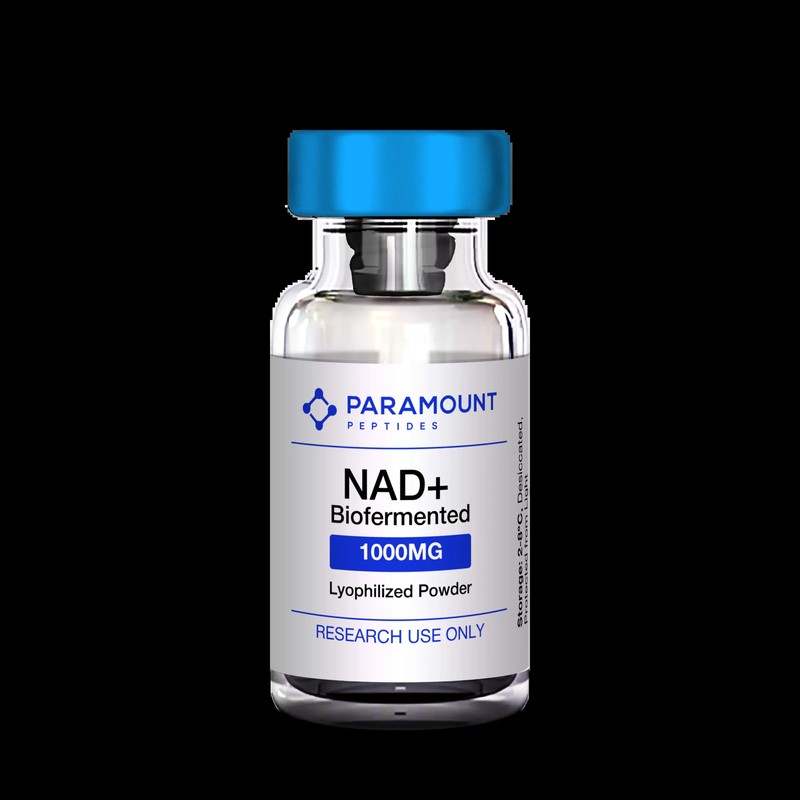 Paramount
NAD+ 1000 mg
My linkTheir catalog needs a quick research-access sign-up before prices show. Use code LEE20 at checkout.
Related research guides
- Semax — ACTH-fragment cognitive lane next door.
- Selank — anxiety / GABA-adjacent cousin map.
- Dihexa — synaptic growth interest, not TREK-1.
- DSIP — sleep peptide research map.
- ARA-290 — innate repair peptide spoke.
- Pinealon / Cortagen — bioregulator brain neighbors.
- NAD — cellular energy foundation interest.
- How to sleep better / HRV — Door 3 before Door 1.
- Start Here / What are peptides / How to reconstitute.
Primary sources
We link the original study or document, not a summary.
- PubMedDjillani A, et al. Shortened spadin analogs display better TREK-1 inhibition, in vivo stability and antidepressant activity (PE 22-28. IC50 ~0.12 nM; ~23 h action; 4-day neurogenesis). Front Pharmacol. 2017. PubMed 28955242.
- PubMedHeurteaux C, et al. Deletion of the background potassium channel TREK-1 results in a depression-resistant phenotype. Nat Neurosci. 2006. PubMed 16906152.
- PubMedMazella J, et al. Spadin, a sortilin-derived peptide, targeting rodent TREK-1 channels: a new concept in the antidepressant drug design. PLoS Biol. 2010. PubMed 20405001.
- PubMedMoha ou Maati H, et al. Spadin as a new antidepressant: absence of TREK-1-related side effects. Neuropharmacology. 2012. PubMed 21807005.
- PubMedDjillani A, et al. Fighting against depression with TREK-1 blockers: past and future. A focus on spadin. Pharmacol Ther. 2019. PubMed 30291907.
- PubMedVivier D, et al. Role of TREK-1 in health and disease, focus on the central nervous system. Front Pharmacol. 2019. PubMed 31031627.
- PubMedKennard LE, et al. Inhibition of the human two-pore domain potassium channel, TREK-1, by fluoxetine and its metabolite norfluoxetine. Br J Pharmacol. 2005. PubMed 15685212.
The bottom line
PE-22-28 is one of the stickier names in the TREK-1 / spadin aisle. Short heptapeptide. Tight nanomolar plug in the dish. Real mouse timing stories. A public partner SKU exists.
It is still not clinic antidepressant medicine in a crimp cap and not a DIY psychiatry drug. Read the three-door warning. Talk to a doctor about real mood problems. Build sleep and training habits that do not require a meme.
Want the deeper protocol library after that? Pro is the paid door. Want the free research PDF? Grab the Playbook below.
I built Peptides & Pump so you can get this without a guru tax. Free Knowledge Base first if you are not ready to pay. Pro if you want the protocol library.
Disclaimer. This page is for education and research only. It is not medical advice. It does not diagnose, treat, cure or prevent any disease. PE-22-28, spadin, TREK-1 blockers, Semax, Selank, Dihexa, DSIP, Pinealon, Cortagen, ARA-290, NAD+. Other related research compounds are not FDA-approved treatments. Do not use them on yourself for depression, anxiety, PTSD, bipolar disorder, insomnia, cognitive decline, “brain fog,” or anything else. Research compounds discussed here are research sequences. A research-shelf vial is not a compounded Rx and is not a DIY injection protocol. Evidence discussed here includes cell culture and animal papers on TREK-1, spadin, and PE-22-28. None of that is a substitute for a doctor. If you are in crisis, seek emergency help. Results vary. Talk to a qualified healthcare provider before you start any peptide, drug, supplement or protocol. That goes double if you have a medical condition or take Rx medication. Peptides & Pump does not sell peptides.
Affiliate disclosure. Some links on this page are affiliate links. If you buy through them, I may earn a commission at no extra cost to you. The codes I use are LEE15 (BioLongevity), LEE20 (Limitless) and LEE (Peptira). Paramount works through my link, no code needed. That commission is how I keep publishing free education. I only link suppliers I am willing to put my name on.
Partner labs · research use
Where I’d buy PE-22-28
Research vials from the labs I check first. Tap through my link, then use the code at checkout. Codes don’t stack.
Paramount Peptides
PE-22-28 10 mg
No code: my link
Click my link first. If Paramount shows its own sale code, use that one.
Shop Paramount →Or browse a whole lab:
Limitless hides prices until you sign up for research access. Get Limitless research access →
Affiliate links: I may earn a commission at no extra cost to you. Research-use products only. I don’t give dosing. Education, not medical advice.
Peptide Insider · free email
Get the research before the hype.
Lee’s Peptide Insider: new studies, FDA moves, and protocols explained in plain English. Join free and get the Peptide Playbook PDF.
Education only. Not medical advice. Unsubscribe anytime.
Keep reading
 Intermittent Fasting: What the Trials Really Show (and How Not to Lose Muscle)
 Thymalin: The Russian Thymus Peptide and What the Research Really Shows
 Semax vs Selank: What 25 Years of Russian Research Actually Shows
Free PDF
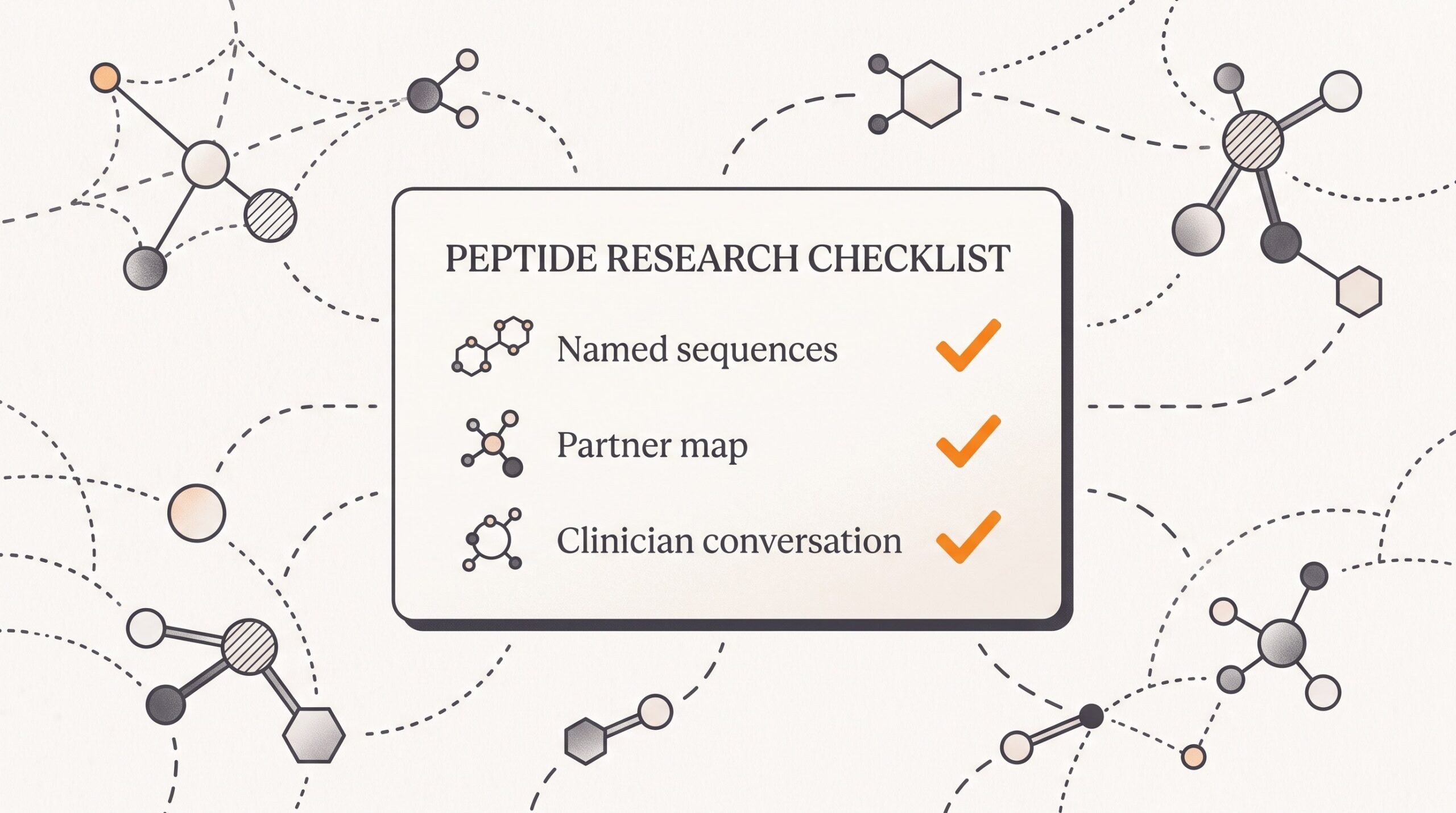
The Peptide Playbook
The research checklist Lee uses: named sequences, how to read a COA, and the questions to bring to your doctor. Free when you join Peptide Insider.

2 Comments
Comments are closed.