IGF-1 LR3 Peptide (Long R3 IGF-I): Research Map (Not a Muscle Protocol)
Key takeaways
- Verdict: IGF-1 LR3 is a lab-made Long R3 IGF-1 copy that dodges IGF bodyguards. Animal potency looks loud. There are still no published human trials for LR3 itself.
- How it works in one line: A front-end add-on plus an arginine swap at position 3 keep more peptide free. More free peptide can knock on the IGF-1 dock. Less of it rides locked in the IGF-bodyguard van.
- Your next step: Learn the three doors. Research vial vs labeled rhIGF-1 medicine vs training basics. Treat partner SKUs as research options with codes that fire. Never treat them as a DIY muscle plan.
Verdict up front: IGF-1 LR3 is worth knowing if you keep seeing “Long R3” sold like a secret GH upgrade. It is not worth treating a research vial like Increlex-class med. It is not a free ranking page that hands you a muscle stack.
Real chemistry. Real animal growth files. Real drug-test detection papers. Zero published human human trials for the LR3 copy itself.
Keep reading if you typed IGF-1 LR3, Long R3 IGF-I, LR3IGF-I, “IGF peptide. For muscle,” or “is this the same as Increlex” and want the map without forum tax.Skip if you want a dosing table. A black-market “cycle,” a claim that a research vial treats poor growth. Age muscle loss, diabetes, injury. Or “hardgainer genes,” or a reason to skip sleep and protein. Those asks belong in Pro or a real clinic — not a free ranking page.
Day-one basics still live on Start Here and what are peptides. Nearby maps when you are done here: Tesamorelin, Ipamorelin, CJC-1295 / Ipamorelin, MOTS-c, MK-677, peptides for muscle growth, and how to reconstitute peptides.
Teaching only. Not medical advice. A research-shelf IGF-1 LR3 vial is not an FDA-cleared growth drug. It is not Increlex. It is not a treatment for short stature or IGF deficiency. It is not a green light to skip cancer-risk talks around IGF-1 dock signals.
What is IGF-1 LR3?
IGF-1 LR3 is a lab-made copy of human IGF-1.
Native mature IGF-I is a 70-amino-acid signal peptide your liver and tissues already know. Long R3 IGF-I lengthens that story: chemists add a 13-amino-acid extension at the N-terminus and swap arginine in. For glutamate at position 3. That is where the “R3” name comes from.
The design goal was never a gym caption. It was a research tool that still hits the type-1 IGF receptor hard. While binding the IGF bodyguards much more weakly. In plain English: more free peptide can reach the receptor door instead of getting locked into the usual transport complex.
You will also see Des(1-3)-IGF-I and R3-IGF-I in the same family of IGFBP-evasive analogs. Related cousins. Not identical carts. Anti-doping labs watch the whole set. Because black-market vials showed up long before any LR3 human approval ever did.
Why this matters: forums mash IGF-1 LR3, native IGF-I, Increlex-class med, GH secretagogues. “PEG-MGF” into one muscle-peptide bucket. Shared lane. Different jobs.
So what for you: if a sales page never separates LR3 from Increlex or never admits the evidence is mostly cells and animals. It is selling vibes.
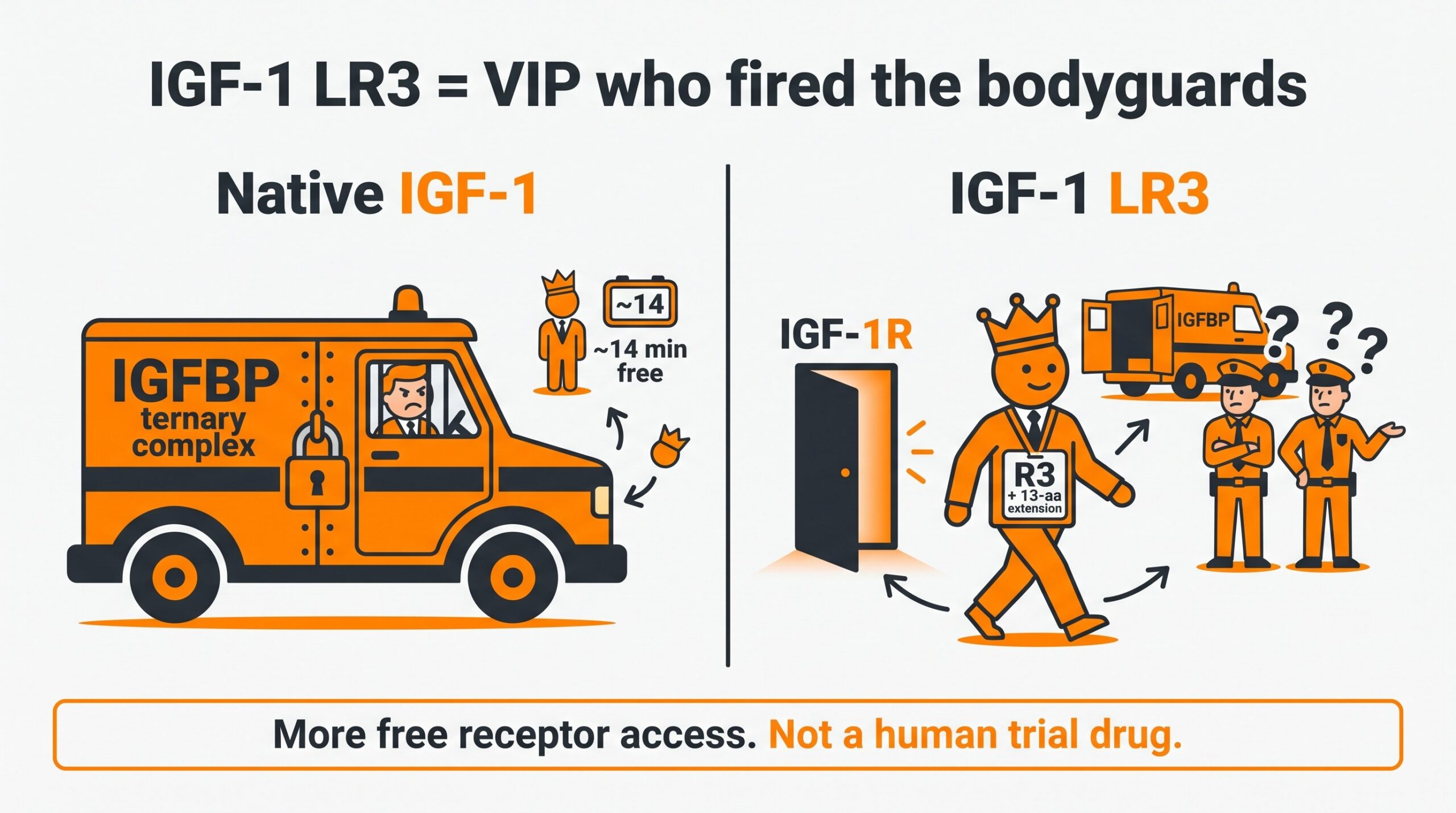
The VIP who fired the bodyguards (one analogy)
Here is the only picture I want stuck in your head.
Think of native IGF-1 as a VIP who usually travels with bodyguards. Those bodyguards are IGF bodyguard proteins. Most circulating IGF-1 rides in a big armored van. That three-part van uses IGFBP-3 and the ALS partner. The escort protects the peptide. It also limits how much free signal hits dock sites at once.
Free IGF-I does not linger forever. In a small healthy-volunteer IV study. Free IGF-I disappearance followed first-order kinetics. With an apparent half-life of about 14.4 minutes. Bound total IGF-I after under-skin lab-made human IGF-I looks much longer — on the order of about 20 hours in classic human PK work —. Because the bodyguards change the clearance story.
IGF-1 LR3 is the VIP who fired most of those bodyguards. The Long + R3 edits were built so IGFBP affinity drops. While IGF-1R agonism stays. More free knocks on the door. That is useful in a culture dish or a rat cage. It is also why “stronger IGF” is a terrible shopping filter if you never ask stronger at what endpoint. In what species. With what cancer-biology humility.
How sure are we? Pretty sure the chemistry is an IGF-bodyguard-evasive IGF-1 copy. It shows louder free-ligand behavior in lab and animal models. Less sure that a research-shelf vial recreates any specific human schedule. Not sure at all that LR3 is a safer. Smarter Increlex knockoff you can DIY.
Why this matters: if you cannot explain “VIP who fired the IGFBP bodyguards” in one sentence. You are not ready to open a cart.
So what for you: ask for the binding-protein story before you ask for a price.
The stop-you number (and what it is not)
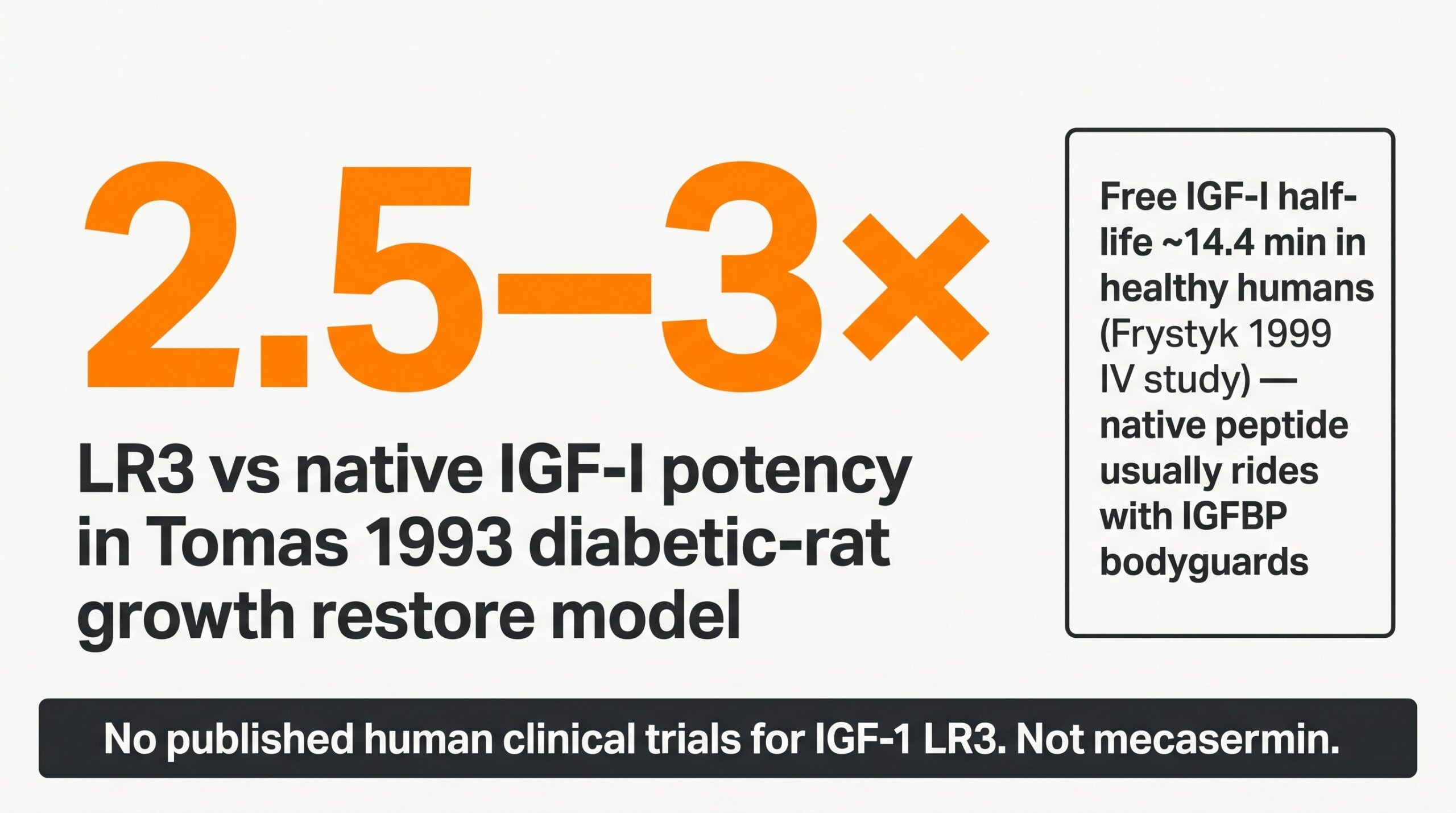
The cleanest “this chemistry is not a cartoon” preclinical number. For LR3 is not a gym mirror. It is Tomas and colleagues in 1993. Restoring growth in streptozotocin diabetic rats. With IGF-I and more potent variants.
In that model, the two IGFBP-poor variants — truncated des(1-3)IGF-I and LR3-IGF-I — were about 2.5 to 3 times more potent than native IGF-I at restoring growth. Insulin still drove more total weight in that study. But the extra insulin gain was fat rather than the protein-lean story the IGF peptides emphasized. That is Motley Fool confidence framing in one line: real Biochemistry Journal endpoints. Animal model only. A reminder that “more potent” is not the same sentence as “safe human muscle drug.”
Ballard and colleagues later infused Long R3 IGF-I in guinea pigs and saw organ-growth signals without a simple body-weight miracle story. Useful for how-it-works honesty. Still not a free-site size gain protocol.
On the human side. Keep the free-IGF clock in your pocket: about 14.4 minutes for free IGF-I after high-dose IV rhIGF-I in healthy men. That number explains why bodyguards matter for native IGF-I. It does not prove a research LR3 vial recreates a 20–30 hour “how long it lasts flex” from marketing copy. Some drug-test and PK commentary even flags that reduced IGFBP binding can change clearance in ways forums simplify badly.
Why this matters: the stop-you ratio is that roughly 2.5–3× animal growth potency. For LR3 versus native IGF-I in Tomas 1993 — and the confidence level. For “my IGF-1 LR3 research vial is just a smarter Increlex” is still zero.
So what for you: be impressed by the free-ligand design. Do not confuse a diabetic-rat growth restore paper with a human lean-mass protocol.
Research shelf vs clinic history vs basics
Three doors. Same IGF lane online. Different jobs.
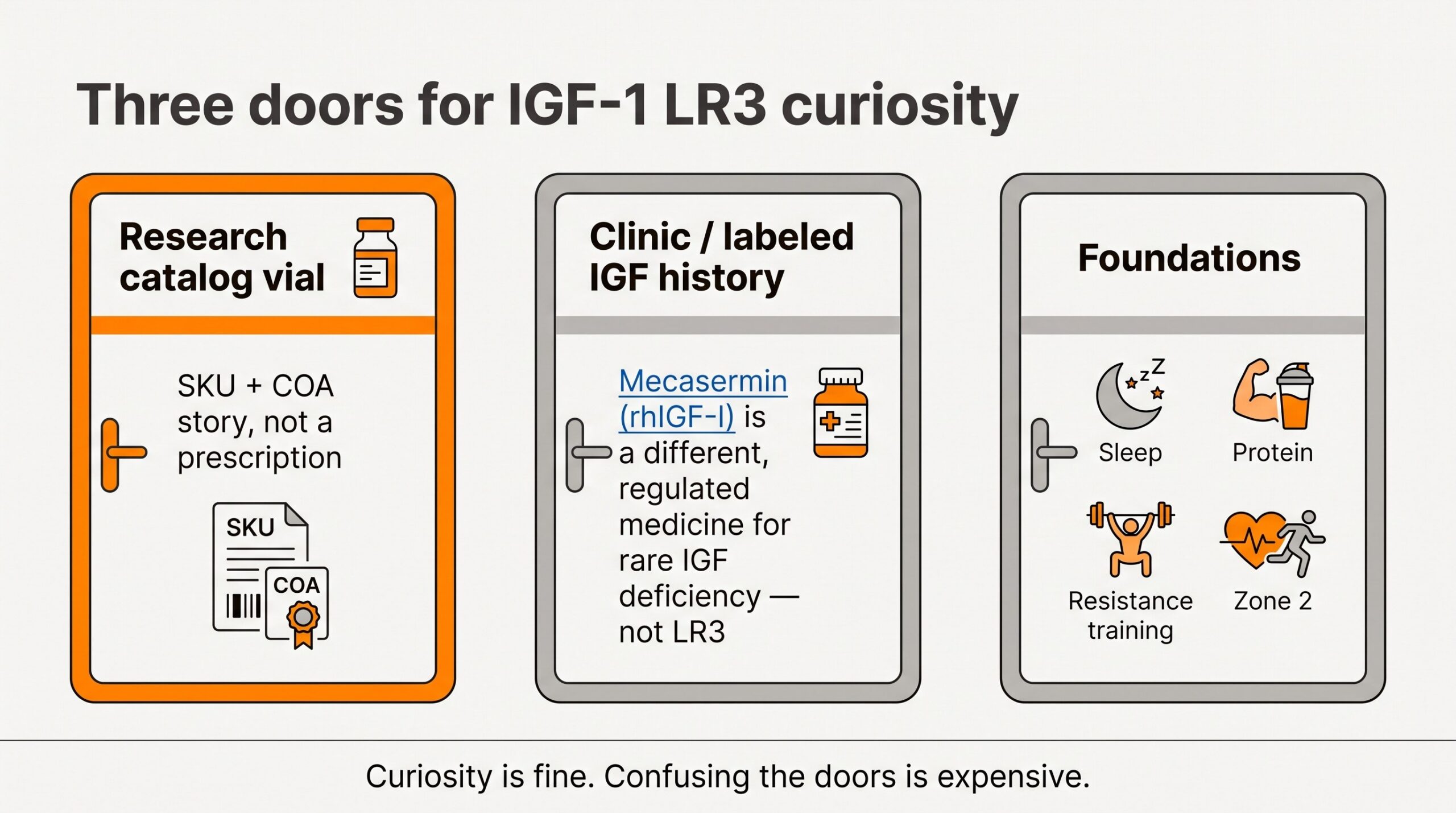
Door 1 — Research shelf. Partner shelves can list IGF-1 LR3 as a research sequence. That is a SKU and a certificate story. It is not FDA-approved lifestyle muscle medicine. It is not a pharmacy-mixed Rx by default.
Door 2 — Clinic / labeled IGF history. Recombinant human IGF-I medicines such as Increlex-class med exist. For rare, doctor-managed IGF-I deficiency contexts. That is a regulated rhIGF-I door. It is not Long R3. Mongongu and colleagues put the rules reality in plain drug-test English: LongR3-IGF-I and related copies were never approved. For human use and still show up as black-market products. Kohler and colleagues even found a His-tagged Long-R3-IGF-I in a confiscated vial — research-tag chemistry sold like a finished drug.
Door 3 — Basics. Progressive resistance training, enough protein. Sleep that actually recovers. Zone 2 and VO2 work that raise the ceiling. A doctor if you have real growth. Metabolic, or oncology questions. If your “problem” is inconsistent training plus 90 grams of protein pretending to be 180. A crimp cap will not fix the root cause.
Why this matters: people lose money and risk. When they buy Door 1. While pretending it is Door 2.
So what for you: basics and a doctor first for disease or deficiency questions. Research curiosity second. Pro if you want protocol depth later.
IGF-1 LR3 vs native IGF-I vs GH secretagogues
Quick orientation, not a stack recipe.
IGF-1 LR3: Long + R3 analog. IGFBP-evasive free-ligand design. Strong preclinical growth signals. No published human human trial package for the LR3 molecule itself.
Native / rhIGF-I (Increlex-class med lane): the regulated human IGF-I medicine story for rare deficiency contexts. Different molecule story. Different legal door. See doctor channels — not a research-cart swap.
Upstream GH secretagogues: Ipamorelin, CJC / Ipamorelin, Tesamorelin, and MK-677 sit earlier in the GH–IGF axis talk. They are not LR3 with a different label.
Local / repair cousins people confuse: PEG-MGF and other IGF splice-lane research tools show up next to LR3 on forums. Adjacent shelf. Different job. Follistatin maps a muscle-brake-inhibition lane, not an IGF-1R agonist lane.
Why this matters: “IGF peptide” is a marketing bucket. Binding-protein evasion and rules door are the real filters.
So what for you: pick the map that matches the question you actually have. Do not buy the loudest vial by default.
Risk honesty that forums soft-pedal
IGF-1 receptor signals sits in a busy biology lane that includes growth and also oncology talks doctors take seriously. A free ranking page that pretends otherwise is doing you dirty.
Black-market detection papers exist. Because people bought vials labeled Long-R3 that were never a licensed human product. Oxidized and tagged forms showed up in seized material. That is not “scare content.” That is why this page refuses DIY dosing tables.
Hypoglycemia risk is part of the broader IGF / insulin-receptor crossover talk. With native IGF-I medicines. LR3 does not get a free pass just. Because a forum said “research only” in the footer.
Why this matters: the expensive mistake is treating forum screenshots like a safety package insert.
So what for you: if you have a personal or family cancer history. Unexplained hypoglycemia symptoms. Or real growth-disorder questions. That is doctor territory — not a coupon code.
Who this page is (and is not) for
This page is for curious readers who want the IGF-1 LR3 cascade explained cleanly and want partner SKUs labeled as research options.
This page is not. For anyone trying to treat short stature, IGF deficiency. Diabetes, age muscle loss, tendon tears. Or “hardgainer genes” with a crimp-cap vial from a research shelf.
IGF topics are high YMYL. Education is fine. Disease hustle is how domains die.
Related foundation reads on this site: protein intake, creatine, sleep, Zone 2, VO2 max, HRV, and sauna as recovery context — never as “peptides that treat low IGF.”
Why this matters: the expensive mistake is buying a story you cannot falsify.
So what for you: keep a doctor in the loop for deficiency workups or oncology-adjacent questions. Do not argue with captions.
Where I look for an IGF-1 LR3 research compound
Partner reality on today’s check: Peptira, Paramount. S1 list IGF-1 LR3 on public product pages via Drive-tracked URLs with InStock signals. BioLongevity did not show a clean IGF-1 LR3 product row on this pass. So BLL stays on adjacent convert cards (Follistatin, PEG-MGF. Other research maps) plus a home chip. Limitless had no IGF-1 LR3 Drive product row here either.
Research-catalog SKUs now live on partner check (not a treatment recommendation).
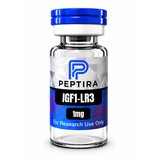
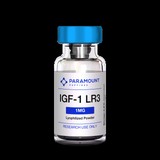
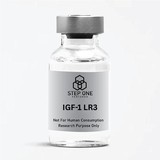
Peptira IGF-1 LR3 · LEEParamount IGF-1 LR3 · LEE10S1 IGF-1 LR3 · LEE10Limitless home · LEE20BioLongevity home · LEE15Paramount home · LEE10Peptira home · LEES1 shop · LEE10
If you ever reconstitute a lyophilized research peptide. Learn the math first on how to reconstitute peptides. That page is public education. It is not an IGF-1 LR3 protocol.
Why this matters: three InStock hero cards beat five mystery tabs. When you are only browsing research options.
So what for you: match the SKU photo to the link. Codes only work when the tracking fires.
Related research maps (convert after basics)
Foundation first. Then research curiosity. Never “peptides that treat low IGF / hardgainer genes / muscle wasting” as a claim.
If you are mapping adjacent research shelves after the IGF-1 LR3 story. These partner SKUs were InStock on today’s check:
 BioLongevity
Follistatin
LEE15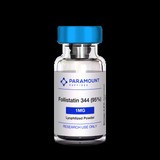 Paramount
Follistatin 344
LEE10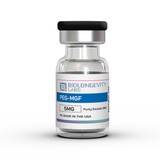 BioLongevity
PEG-MGF 5 mg
LEE15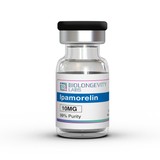 BioLongevity
Ipamorelin 10 mg
LEE15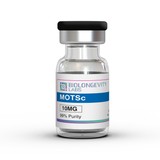 BioLongevity
MOTS-c 10 mg
LEE15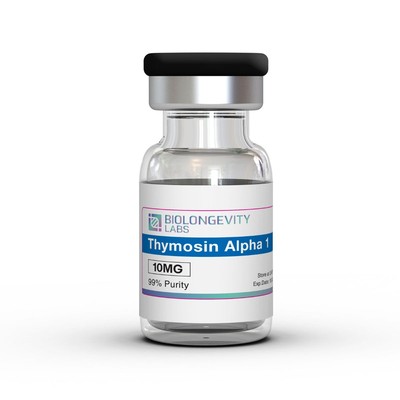 BioLongevity
Thymosin Alpha-1 10 mg
LEE15Deep-dive pages for the ones that already have ranking maps: Ipamorelin, Tesamorelin, MOTS-c, SS-31, MK-677, Hexarelin, FOXO4-DRI, TA1.
Evidence limits
Strongest clean preclinical punch. For a ranking reader is Tomas 1993 on LR3 / des(1-3) potency versus native IGF-I in diabetic rats. Plus Ballard 1995 on Long R3 infusion biology. With Frystyk 1999 and Grahnén 1993. For human free versus total IGF-I pharmacokinetics on the native molecule.
Partner catalogs are not selling a Rx IGF deficiency medicine. IGF-1 LR3 on a research shelf is not Increlex-class med. It is not a DIY size gain drug.
If you have a growth-disorder workup. Unexplained low blood sugar symptoms. Or oncology-adjacent questions about IGF signals. This is a doctor talk. Not a research-cart talk.
Why this matters: confidence framing protects your wallet and your risk file.
So what for you: use this page to get smarter. Use a doctor to get safer. Use Pro if you want protocol depth without random forum screenshots.
Sources & Further Reading
- Tomas FM, et al. Insulin-like growth factor-I and more potent variants restore growth of diabetic rats without inducing all characteristic insulin effects. Biochem J. 1993. PubMed 7683875
- Ballard FJ, et al. Long R3 insulin-like growth factor-I (IGF-I) infusion stimulates organ growth but reduces plasma IGF-I, IGF-II and IGF binding protein concentrations in the guinea pig. J Endocrinol. 1995. PubMed 7561636
- Grahnén A, et al. Pharmacokinetics of recombinant human insulin-like growth factor I given subcutaneously to healthy volunteers and to patients with growth hormone receptor deficiency. Acta Paediatr Suppl. 1993. PubMed 8219484
- Frystyk J, et al. The pharmacokinetics of free insulin-like growth factor-I in healthy subjects. Growth Horm IGF Res. 1999. PubMed 10373348
- Gillespie CM, et al. Effects of chronic renal failure on plasma clearance of insulin-like growth factor I, des-(1-3)IGF-I, and LR3IGF-I. Am J Physiol. 1996. PubMed 8897852
- Mongongu C, et al. Detection of LongR3-IGF-I, Des(1-3)-IGF-I, and R3-IGF-I using immunopurification and high resolution mass spectrometry for antidoping purposes. Drug Test Anal. 2021. PubMed 33587816
- Kohler M, et al. Detection of His-tagged Long-R3-IGF-I in a black market product. Growth Horm IGF Res. 2010. PubMed 20675162
- Dubaquié Y, et al. Binding protein-3-selective insulin-like growth factor I variants: engineering, biodistributions, and clearance. Endocrinology. 2001. PubMed 11145579
The bottom line
IGF-1 LR3 is one of the loudest free-ligand stories in the research-peptide aisle. VIP who fired the bodyguards. Hard animal potency numbers in Tomas 1993. Partner SKUs exist.
It is still not mecasermin and not a DIY muscle drug. Read the three-door warning. Talk to a clinician about real deficiency or oncology-adjacent questions. Build training and protein habits that do not require a crimp cap.
Want the deeper protocol library after that? Pro is the paid door. Want the free research PDF? Grab the Playbook below.
Free guide
Get The Peptide PlaybookEnter your email and we’ll send the research PDF. Education only — not medical advice.
I built Peptides & Pump so you can get this without a guru tax. Free Knowledge Base first if you are not ready to pay. Pro if you want the protocol library.
 Keep going on Peptides & Pump
Free is the peptide community. Pro is where you master it. Codes are the links. Click them so the discount fires.
Free
Knowledge Base
The peptide community · 2,500+
- 2,500+ member peptide community
- Sourcing questions before you buy anything random
- The basics, from people actually using peptides
Pro
Peptides & Pump Pro
$10/mo · 7-day trial
- Science-backed protocol library
- 1-on-1 support from Lee and Matt
- Step-by-step video, plus a monthly $500 drawing
LEE20 Limitless LEE15 BioLongevity LEE10 Paramount LEE Peptira LEE10 S1
Supplier footnote: Research suppliers I mention when people ask about IGF-1 LR3: Peptira IGF-1 LR3 (code LEE), Paramount IGF-1 LR3 (code LEE10), S1 IGF-1 LR3 (code LEE10). Adjacent research maps: BioLongevity Follistatin, Paramount Follistatin 344, PEG-MGF 5 mg, Ipamorelin 10 mg, MOTS-c, Thymosin Alpha-1. Partner home/shop chips: Limitless (code LEE20), Paramount (code LEE10), Peptira (code LEE), S1 shop (code LEE10), plus BioLongevity home (code LEE15). Match the product to the job. Do not collect bottles.
Disclaimer. This article is for educational and research purposes only. It is not medical advice. It is not intended to diagnose, treat, cure, or prevent any disease. IGF-1 LR3, Long R3 IGF-I, native IGF-I, mecasermin, Des(1-3)-IGF-I, R3-IGF-I, PEG-MGF, follistatin, and other related research compounds are not presented here as FDA-approved treatments you should self-administer for muscle growth, fat loss, injury repair, short stature, IGF deficiency, diabetes, sarcopenia, or any other indication. Research peptides discussed here are research sequences; a research-catalog vial is not a compounded prescription and is not a labeled IGF medicine. Evidence discussed here includes animal pharmacology, human pharmacokinetics of native/free IGF-I, and anti-doping detection reports; none of that is a substitute for a clinician. Individual results vary. Always consult a qualified healthcare provider before starting any peptide, drug, supplement, or protocol, especially if you have a medical condition, cancer history, or take prescription medication. Peptides & Pump does not sell peptides.
Affiliate disclosure. Some links on this page are affiliate links. If you buy through them, I may earn a commission at no extra cost to you. Codes LEE15, LEE20, LEE, and LEE10 are the ones I actually use where a coupon fires. That commission is how I keep publishing free education. I only link suppliers I am willing to put my name on.
One Comment
Comments are closed.