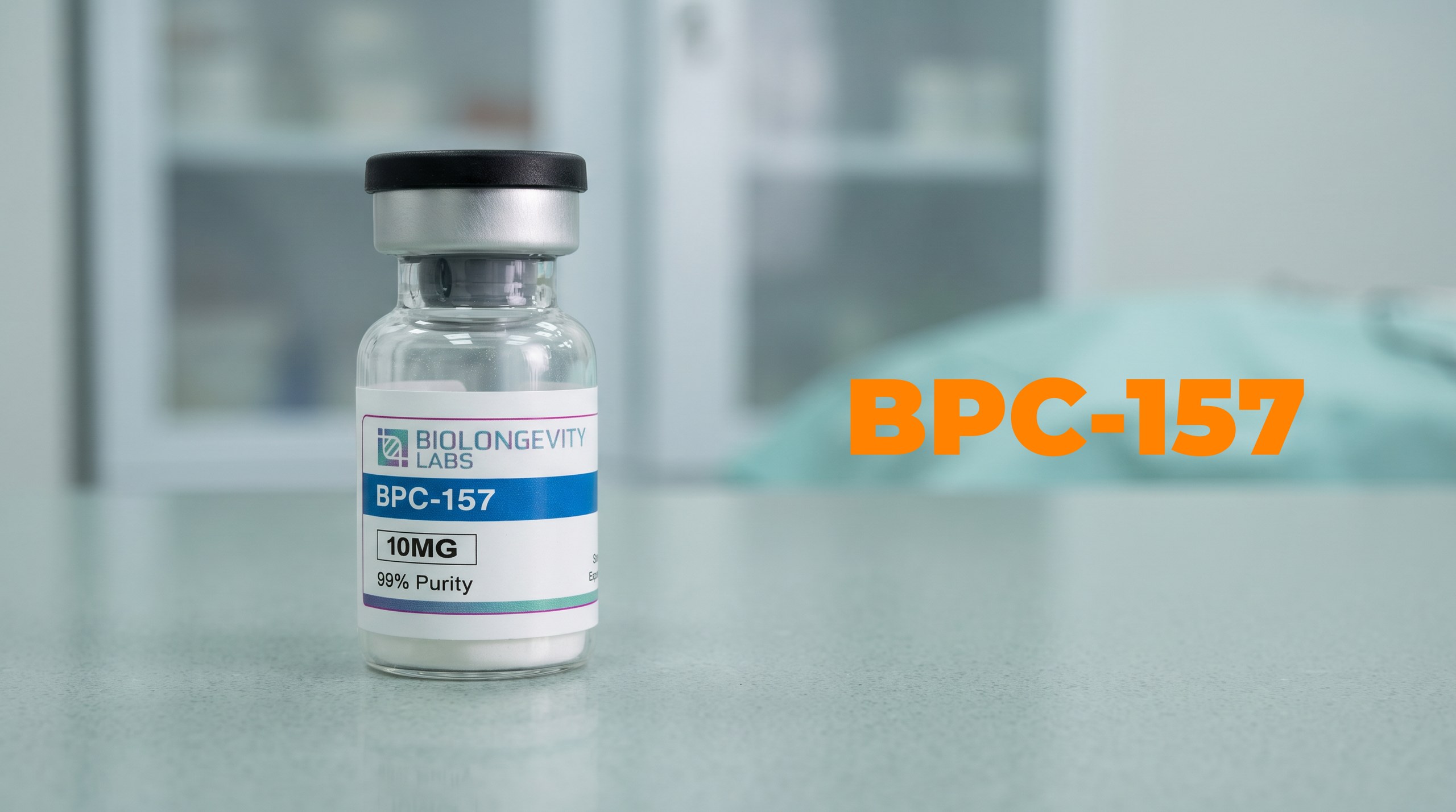
BPC-157: What the Healing Peptide Actually Is
Key takeaways
- BPC-157 (people search bpc157) is a 15-amino-acid fragment of Body Protection Compound, isolated from human gastric juice. It is not TB-500, not a GLP-1, and not an FDA-approved healing drug.
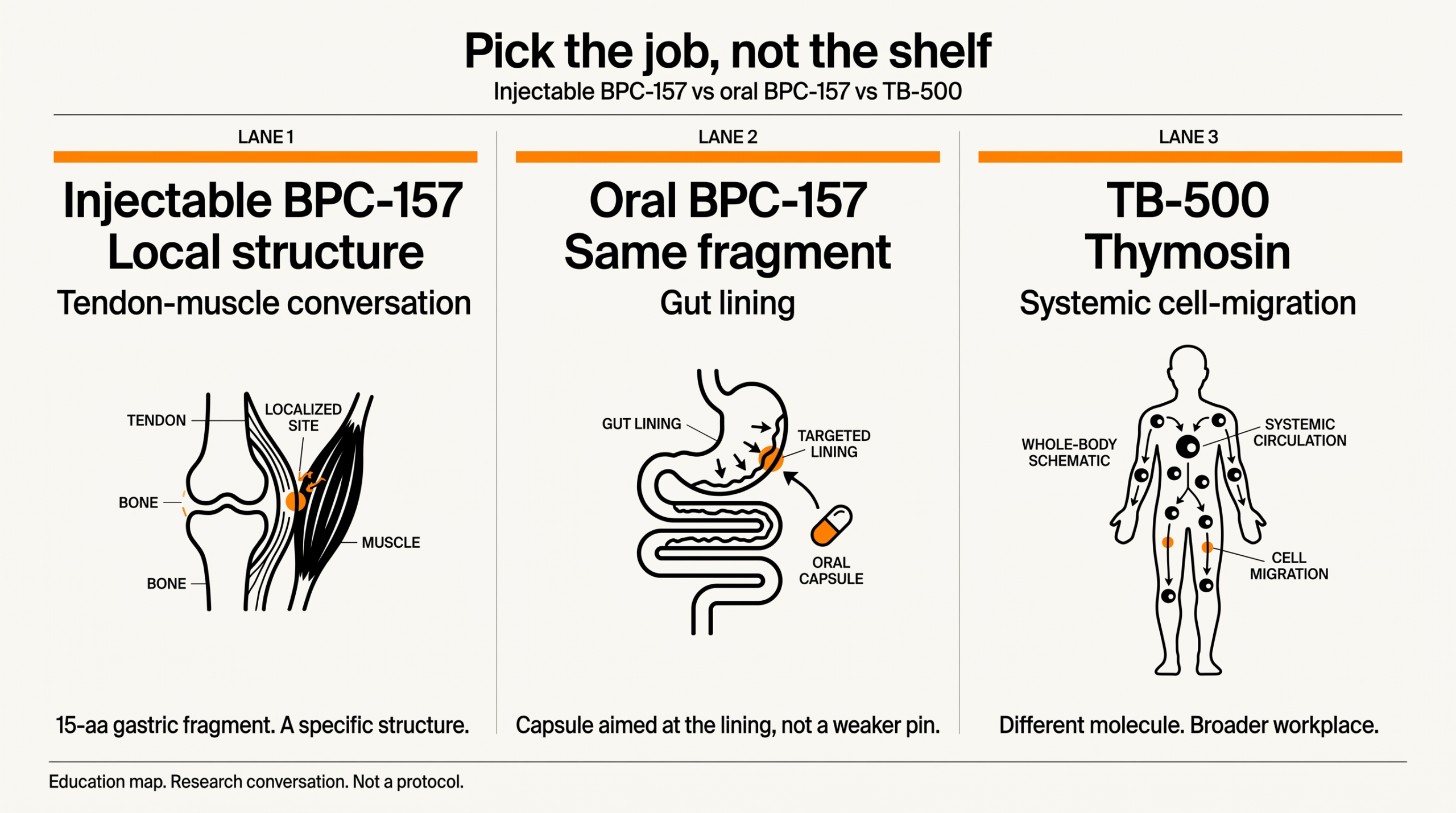
- Injectable BPC-157 is the local-repair conversation in rodent tendon and muscle papers. Oral BPC-157 is the same fragment aimed at the gut. Two routes. Two jobs. Two URLs.
- TB-500 is a thymosin β4 / actin / cell-migration story. Different molecule. Different workplace. Do not collapse them because a catalog put both on one shelf.
- Research catalogs, compounding pharmacies, and FDA-approved drugs are three lanes. A lyophilized cake does not inherit a label. A GLP-1 label does not transfer to a gastric fragment.
- Most of the published work is preclinical. This page is education and research, not a protocol, a treatment, or a cure. Full protocols stay in Peptides & Pump Pro ($10/mo, 7-day trial).
BPC-157 — the same object written as bpc157 — is a 15-amino-acid fragment of Body Protection Compound, isolated from human gastric juice in the early 1990s. A pentadecapeptide. A cytoprotection file. A large preclinical pile on rodent tendon, ligament, and muscle. That is not a universal healing switch.
The mix-up is treating one sequence as three jobs. Injectable BPC-157 is the local-repair conversation. Oral BPC-157 is the same fragment aimed at the gut lining. TB-500 is thymosin β4 territory — systemic, actin, cell migration — not a second SKU of BPC.
This URL is the hub for injectable BPC-157: what the BPC-157 peptide actually is, how people use it versus TB-500, oral versus injectable, how a vial gets reconstituted, and why a research catalog is not a compounding pharmacy and not a GLP-1. If you still need the map of what peptides even are, start on Start Here. If a melanocortin fragment or a four-name blend is what you typed, you are in the wrong room.
This is education. It is not medical advice. A research-catalog vial is not a treatment for a tendon, a gut, or anything a forum named after a weekend of abstracts.
What BPC-157 actually is
A peptide is a short chain of amino acids. Naming the format does not name the parent. Insulin is a peptide. KPV is a peptide. BPC-157 is a peptide. Only one of those is a 15-residue gastric fragment.
The parent idea is Body Protection Compound, a protein isolated from human gastric juice. BPC-157 is a stable pentadecapeptide cut from that story. Sequence conversations in the papers treat it as GEPPPGKPADDAGLV. You do not need to memorize the letters. You need to know you are not holding thymosin β4, and you are not holding semaglutide.
The musculoskeletal file people actually mean is rodent work. Chang and colleagues, 2011, in the Journal of Applied Physiology, looked at tendon fibroblasts. BPC-157 accelerated outgrowth from explants and increased migration, tied to the FAK-paxillin pathway. The paper is here. Gwyer, Wragg, and Wilson reviewed the musculoskeletal animal work in 2019 in Cell and Tissue Research (here). Useful. Not a human RCT for your Achilles.
The gut-route file is why oral even exists. A 2025 Pharmaceuticals review by Jóźwiak and colleagues walks the odd sequence and the gastric-stability claim (open it). Older cytoprotection work from the Sikiric group describes BPC-157 as essentially stable in human gastric juice, with activity across the GI tract in preclinical models. Mouse GI work is not your protocol. It is why a capsule is not automatically a joke.
So what is BPC-157, in the way a beginner should hold it? A 15-amino-acid gastric fragment with a cytoprotection literature and a rodent tendon/muscle literature. The healing peptide people search when they type bpc157. Not a thymosin. Not a GLP-1. Not an FDA-approved anything for the uses forums assign to it.
BPC-157 vs TB-500 vs oral: pick the job
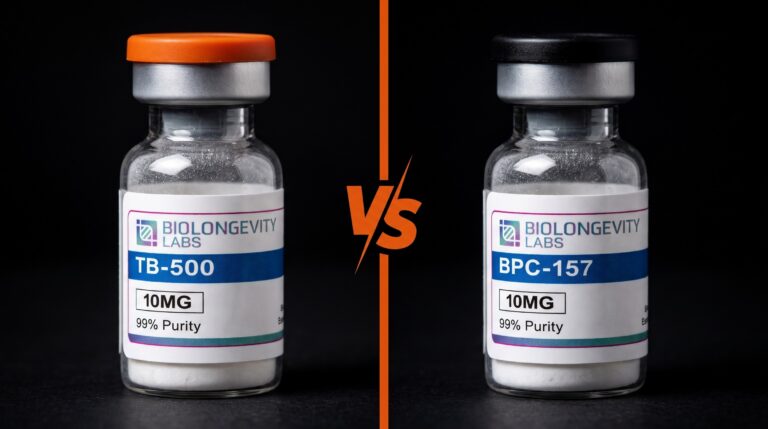
The internet collapsed BPC-157 and TB-500 into one peptide with two SKUs. Healing peptide. Pin both. Hope.
That is not how tissue works. And it is a lazy way to spend money.
TB-500, as careful vendors sell it, is synthetic thymosin β4: 43 amino acids, an actin-sequestering / cell-migration story. Some catalogs stamp the same name on a short actin-binding fragment. That comparison already has a home: TB-500 vs BPC-157. I am not reprinting the actin lecture so this URL can steal a keyword it does not own. If the question is thymosin versus gastric fragment, that page owns it.
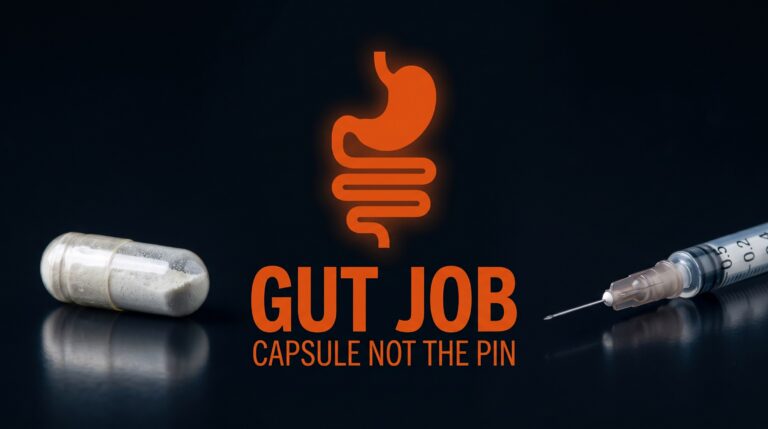
Oral BPC-157 is the same 15 amino acids aimed at the lining. That argument already lives on Is Oral BPC-157 Worth It? If the tissue is the gut, a capsule is not a weaker injection. It is the matching route. Stay here if the job is a local structure and a lyophilized vial.
| Factor | Injectable BPC-157 | Oral BPC-157 | TB-500 |
|---|---|---|---|
| What it is | 15-aa gastric fragment. Local-repair conversation in rodent tendon and muscle papers. | Same 15 amino acids, capsule aimed at the gut lining. | Thymosin β4 stand-in. Actin / cell-migration. Confirm the sequence on the COA. |
| Job site | A specific structure: tendon, muscle belly, a local repair goal. | Gut lining. Mucosal integrity. GI tract as the workplace. | Broader tissue work. Systemic recovery talk. Not one named joint. |
| This site’s URL | This page. The head-term hub. | /oral-bpc-157/ | /tb-500/ |
| When it does not fit | Using a pin to reach a lining you could have reached with a capsule. “It heals everything.” | A cranky shoulder you are trying to fix without a needle because capsules feel easier. | Gut-first goals. Mystery fragment with no sequence. Treating it as BPC with a different label. |
I am not anti-stack. I am anti-running two compounds because a podcast guest wrote both on a whiteboard. Two mechanisms can sit in the same month. They still need two reasons. If you cannot name the tissue, you are not ready to name the peptide. Go back to Start Here and pick one goal.
Athletes: BPC-157 sits on the WADA prohibited list under non-approved substances. If you test, this is not a gray-area hobby. Read the list before you read a forum.
This is the kind of filter we talk through in the free Peptides & Pump Knowledge Base on Skool. No paywall on the basics. Bring the label. Bring the COA. Do not buy random vials off a banner ad and then ask the group to reverse-engineer your stack. The community page is the door.
Oral BPC-157 is a different URL
Same 15 amino acids. Two delivery jobs.
Most peptides die in the stomach in minutes. BPC-157 is the exception that actually shows up in the papers: research has described it remaining intact in human gastric juice for more than 24 hours. That is the scientific case for a capsule when the tissue of interest is the digestive tract. I already wrote that argument. I will not re-litigate gastric survival, PepT1, or KPV stacking here so this hub can cannibalize the oral BPC-157 article.
Steal the filter. If the target is a specific joint or tendon, injectable is the matching route in the way people actually use this molecule. If the target is the lining, swallow the capsule and stop pretending a pin is more serious. Convenience is not a mechanism. Route is.
Research catalog vs compounding vs GLP-1 drugs
Three lanes. Keep them. This is the part a sales page will not give you.
FDA-approved drugs have an application, a label, an indication, manufacturing the agency actually inspects for that product. Semaglutide is that lane. Tirzepatide is that lane. Those are GLP-1 (and dual-agonist) medicines with labels for type 2 diabetes and, in some presentations, chronic weight management. BPC-157 is not a GLP-1. It does not inherit their labels, their trial programs, or their pharmacy channel because a forum put “peptides” on both. I am naming the lane so you do not mash a gastric fragment into a metabolic-drug article. This page is not a GLP-1 explainer.
Compounding is a pharmacy lane. A 503A pharmacy compounds for a patient with a prescription. That is a regulated activity with its own fights, shortages, and FDA compounding lists. A compounded BPC-157 prescription, if it exists in a clinic, is still not an approved drug. It is a different object from a lyophilized research cake with a coupon code. Do not launder one into the other.
Research catalogs sell named sequences for research use. COA if you are lucky. “Not for human consumption” on the page. Forums treat that disclaimer as a wink. I do not. A research-use BPC-157 vial is a catalog SKU. It is not a compounding script. It is not a labeled drug. Pretending otherwise is how people get hurt and how this page would get stupid.
I am not going to tell you to buy a research chemical for human use. I am not going to tell you to skip a doctor. I am going to tell you to name the lane before you name the SKU.
If the job is a vial, you reconstitute it
Lyophilized powder is freeze-dried so it ships. You add bacteriostatic water. You swirl. You do not shake. You label the date. You refrigerate. Practical filter: if you cannot do that without guessing, you do not get a BPC-157 vial conversation yet.
The public skill page is How to reconstitute peptides (without wasting 10% of the vial). BAC water. Units on a U-100. Venting. Dead space. Cloudy vial means you stop. That article is the skill. This article is the object. I am not dumping classroom schedules on a public page so a stranger can screenshot a dose and call it “Lee’s protocol.” Protocol depth lives in Peptides & Pump Pro.
How long this conversation actually takes
Tissue clocks are not caption clocks. Gut lining is not tendon. Tendon is not a pump in the mirror. The duration conversation already has a URL: Peptides for Healing: How Long Repair Actually Takes. I will not dump a BPC-157 calendar next to that clock so this hub can rank for a second head term it does not own.
If nothing changes, do not double the milligrams. Revisit sleep, load, NSAIDs, and whether you even named the right tissue. Peptides sit on top of habits. They do not replace them.
Where to get BPC-157
Education first. You already got the map. This block is the labs I will put my name on, with the codes that fire. Research-use catalog pages and one oral door. Not a treatment claim. Not a “buy this to treat your injury.”
Limitless is the primary partner here. The injectable vial leads the row. Capsules are a different product and a different job. If the job is gut, read the oral article — you can still use the capsule card as the oral door.
Labs with BPC-157
 Limitless
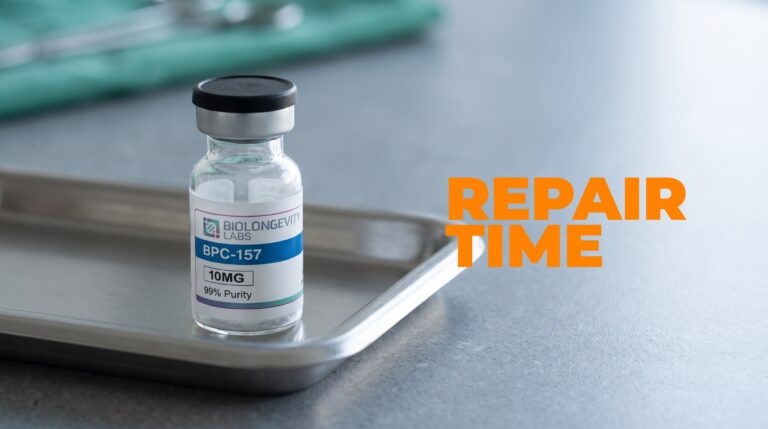
BPC-157 vial 10 mg
LEE20 BioLongevity
BPC-157 vial 10 mg
LEE15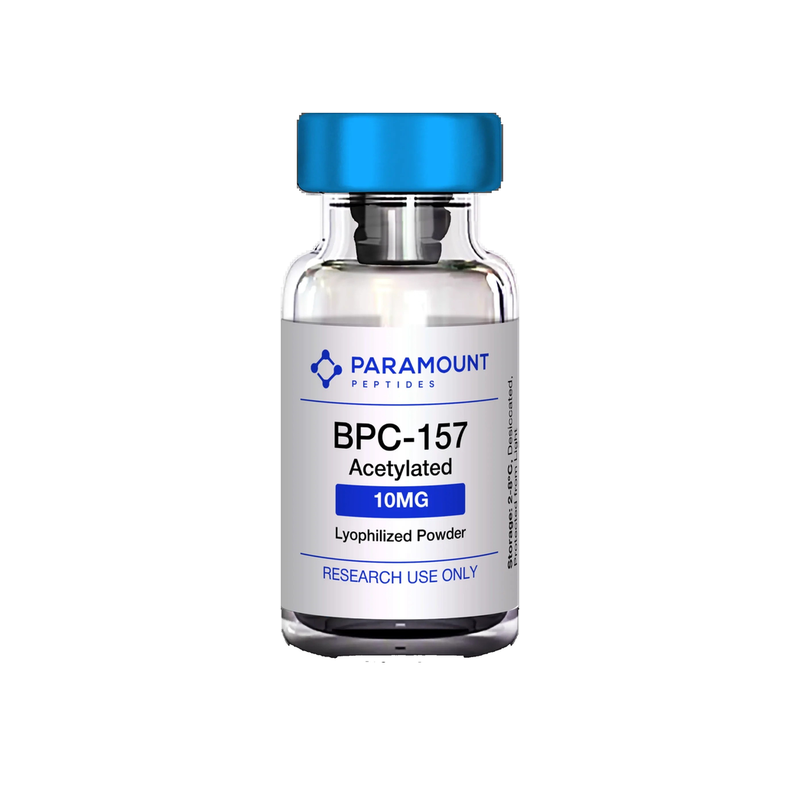 Paramount
BPC-157 10 mg acetylated
LEE10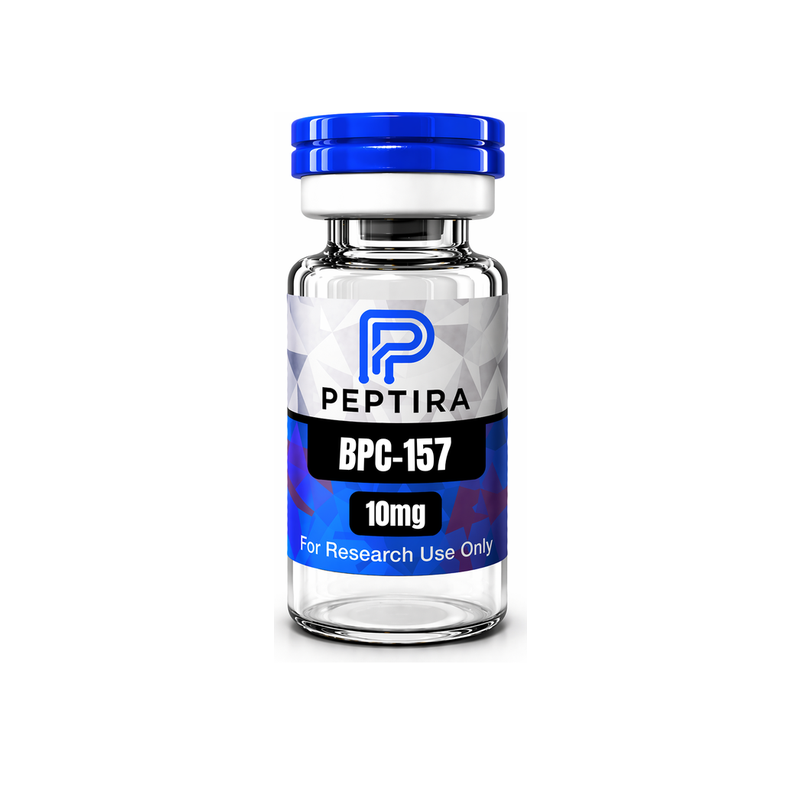 Peptira
BPC-157
LEELimitless BPC-157 vial · LEE20BioLongevity BPC-157 10 mg · LEE15Paramount BPC-157 10 mg · LEE10Peptira BPC-157 · LEE
Oral door — same fragment, gut route. Full argument on the oral article.
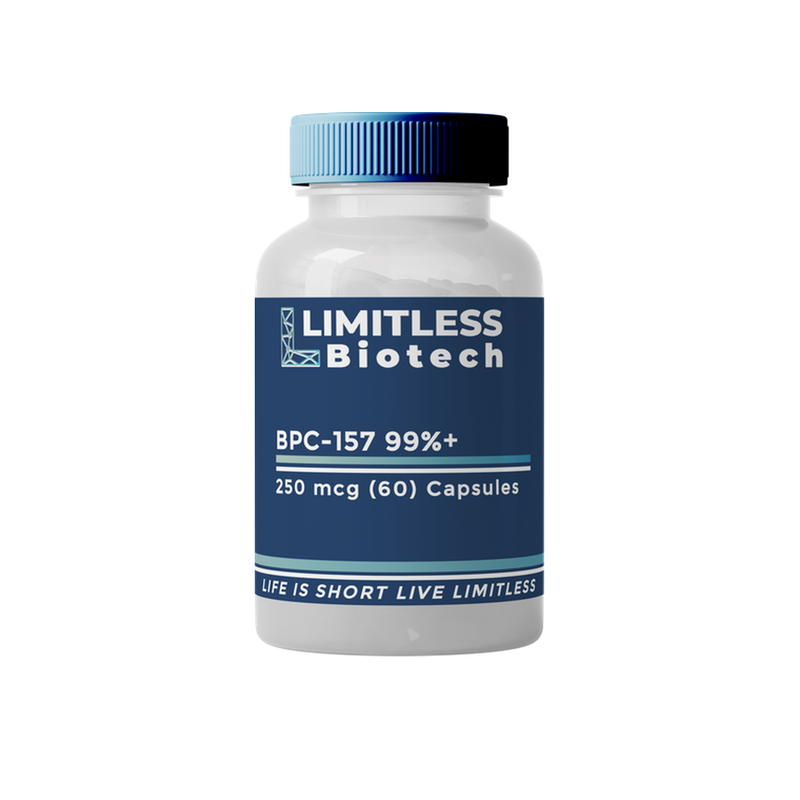
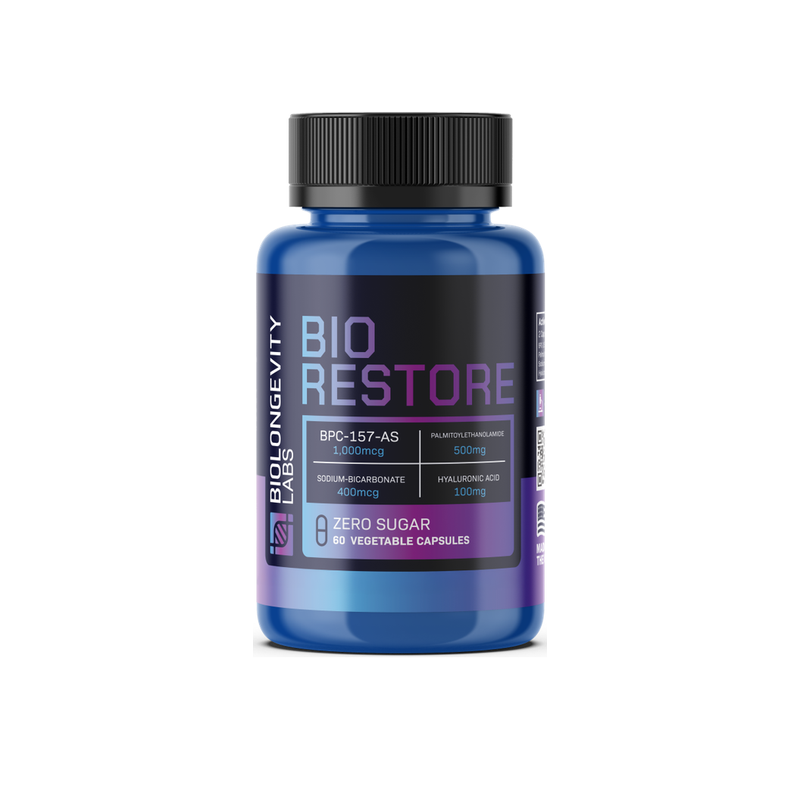
If you wanted injectable BPC-157, do not buy a capsule stack by accident. If you wanted gut, do not pin a vial to avoid reading. Match the product to the job. Do not collect bottles. Do not use a research catalog as a back door to an injury.
Frequently asked questions about BPC-157
What is BPC-157? Why do people search bpc157?
BPC-157 is a 15-amino-acid fragment of Body Protection Compound from human gastric juice. People type bpc157 and BPC-157 peptide because the internet sold it as the healing peptide. The object is a pentadecapeptide with a preclinical cytoprotection and musculoskeletal file. The search is not a protocol.
Is BPC-157 FDA-approved?
No. BPC-157 is not an FDA-approved drug to treat tendon injuries, muscle tears, gut disease, inflammation, or anything else discussed here. Rodent papers are not a label. A research-catalog vial inherits neither an indication nor a manufacturing license for human use.
Is BPC-157 the same as TB-500?
No. BPC-157 is a gastric fragment. TB-500 is a thymosin β4 story. Local versus systemic is the job-site question, and that comparison already lives on TB-500 vs BPC-157. Pairing them in a forum stack does not merge the papers.
Is oral BPC-157 the same as injectable BPC-157?
Same 15 amino acids. Different workplace. Oral is the gut-route conversation. Injectable is the local-structure conversation. Compare the tissue, not the ego. The oral map is already written.
Is BPC-157 a GLP-1?
No. GLP-1 medicines such as semaglutide are a different drug class with FDA labels. BPC-157 is a gastric pentadecapeptide. Sharing the word “peptide” does not share a mechanism, a trial, or a pharmacy channel. This page will not turn into a GLP-1 article.
Can I just run a BPC-157 protocol from a forum?
You can do a lot of unwise things. I would not. Name the fragment. Name injectable versus oral. Name whether TB-500 is in the cart by accident. Name whether you are holding a research catalog, a compounded script, or a fantasy. Protocol depth lives in Pro on purpose. This public page is the map, not the marching orders.
The bottom line
BPC-157 is a 15-amino-acid gastric fragment. The healing peptide people search when they type bpc157. A real sequence, a real preclinical file, and no FDA-approved drug in the rear-view.
Injectable is the local-repair job. Oral is the gut job, and that URL already exists. TB-500 is a different molecule, and that URL already exists. Research catalogs, compounding pharmacies, and labeled drugs (including GLP-1s) are three lanes. Keep them.
Read the papers. Name the tissue. Do not buy a vial because a caption told you your tendon was one checkout away.
Read next: oral BPC-157 for the gut route, TB-500 when the molecule is different, and how long healing peptides take for the tissue clocks.
I built Peptides & Pump so you can get this without a guru tax. If you want the protocol library, member discussions, and a place to think out loud before you spend money, that is Pro. If you are not ready to pay, use the free Knowledge Base first. Then come back and argue with me when you have read more than a caption.
Free guide
Get The Peptide PlaybookEnter your email and we’ll send the research PDF. Education only — not medical advice.
 Keep going on Peptides & Pump
Free is the peptide community. Pro is where you master it. Codes are the links. Click them so the discount fires.
Free
Knowledge Base
The peptide community · 2,500+
- 2,500+ member peptide community
- Sourcing questions before you buy anything random
- The basics, from people actually using peptides
Pro
Peptides & Pump Pro
$10/mo · 7-day trial
- Science-backed protocol library
- 1-on-1 support from Lee and Matt
- Step-by-step video, plus a monthly $500 drawing
LEE20 Limitless LEE15 BioLongevity Paramount LEE Peptira LEE10 S1
Next reads
Supplier footnote: Research suppliers I mention when people ask about BPC-157: Limitless BPC-157 vial and BPC-157 capsules 250 mcg 60 ct (code LEE20), Paramount BPC-157 10 mg acetylated, Peptira BPC-157 (code LEE), and S1 BPC-157 (code LEE10). Oral door: BioRestore (code LEE15); the gut-route essay is oral BPC-157. Match the product to the job. Do not collect bottles.
Disclaimer. This article is for educational and research purposes only. It is not medical advice. It is not intended to diagnose, treat, cure, or prevent any disease. BPC-157 is not an FDA-approved drug for tendon injury, muscle repair, gut disease, inflammation, or any other indication. A research-catalog vial is not a compounded prescription and is not a labeled drug. Most of the published evidence discussed here is preclinical, cell-culture, or animal work; rodent tendon papers are not a substitute for a clinician. Individual results vary. Always consult a qualified healthcare provider before starting any peptide, drug, supplement, or protocol, especially if you have a medical condition, take prescription medication, or compete in tested sport. Peptides & Pump does not sell peptides.
Affiliate disclosure. Some links on this page are affiliate links. If you buy through them, I may earn a commission at no extra cost to you. Codes LEE15, LEE20, LEE10, and LEE are the ones I actually use. S1 LEE10 is a cheaper catalog I mention last. That commission is how I keep publishing free education. I only link suppliers I am willing to put my name on.
6 Comments