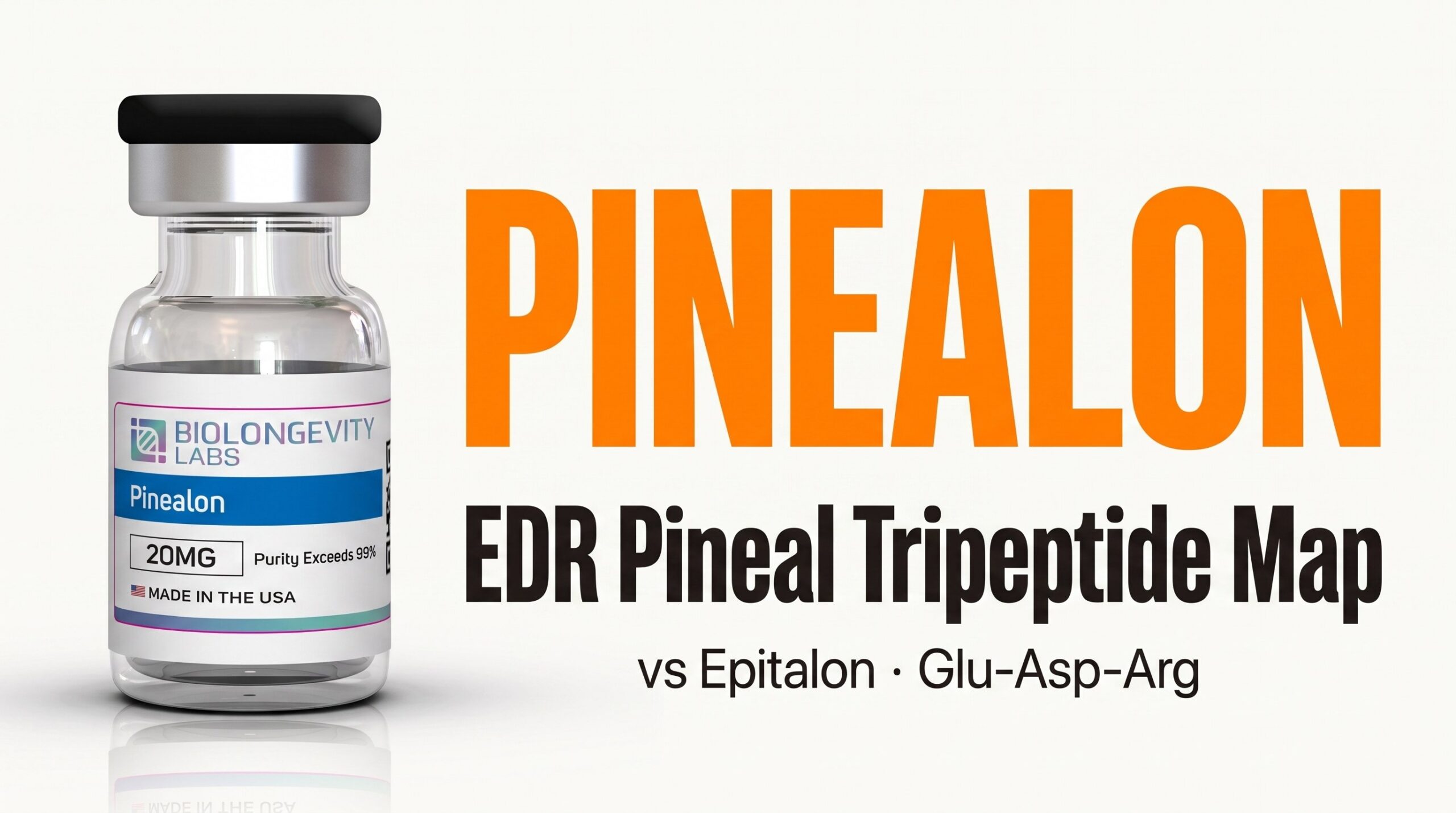
Pinealon: EDR Pineal Tripeptide Research Map (vs Epitalon)
Key takeaways
- Pinealon is a synthetic tripeptide: Glu-Asp-Arg, written EDR. Three amino acids. Not Epitalon. Not melatonin. Not a GH secretagogue. Not an FDA-approved brain or aging drug.
- The research map sits in the Khavinson pineal / cortex bioregulator line. Most of the file is cell work, rodent models, and program literature from that originating group. That is a real literature shape. It is not a Western randomized trial package.
- People mash Pinealon with Epitalon because both say pineal. Epitalon is four residues: Ala-Glu-Asp-Gly. Different molecule. Different job in the papers.
- Research catalogs, compounding, and labeled drugs are three lanes. A lyophilized EDR cake does not inherit a neurology indication.
- Education, not a treatment. Full protocols stay in Peptides & Pump Pro ($10/mo, 7-day trial).
People type Pinealon like they found a pineal brain pill with a Russian passport.
They found three amino acids.
Pinealon is Glu-Asp-Arg. EDR. A synthetic tripeptide from the pineal / cortex bioregulator research line. Different job from Epitalon. Different job from melatonin. Different job from an FDA-approved drug for memory, stroke, Alzheimer’s, or “brain aging.”
Why this matters right now: the word pineal is doing too much work on forums. Two short peptides share that neighborhood and get stacked into one caption. Stay here if you typed Pinealon, EDR peptide, or “the other pineal one besides Epitalon” and want to know what you are holding. Start with Start Here if peptides are not day one, or what are peptides if you still need the format map. The sibling pineal page is already live: Epitalon.
This is education. It is not medical advice. A research-catalog vial is not a treatment for Alzheimer’s, memory loss, hypoxia, traumatic brain injury, or “pineal calcified.”
What is Pinealon?
A peptide is a short chain of amino acids. Insulin is a peptide. Semaglutide is a peptide. Pinealon is a peptide. Naming the format does not name the mechanism.
Pinealon is three residues: glutamic acid, aspartic acid, arginine. That is the whole classic molecule. Catalogs write Pinealon or EDR. Same idea. The older extract conversation in that research neighborhood includes Cortexin, a polypeptide complex from cortex tissue, and pineal bioregulators such as Endoluten. Those are related lineage names. They are not automatically the same SKU as a pure EDR cake. Read the label.
So what is Pinealon, in the way a beginner should hold it? A synthetic three-residue bioregulator peptide with a neuroprotection-oriented research file. Not melatonin. Not Epitalon. Not an FDA-approved neurology medicine.
How sure are we of even that much? The sequence is not in dispute. Glu-Asp-Arg is a real tripeptide. The research intent is not in dispute either. The jump from “named sequence with papers” to “this vial will fix your brain” is where the caption goes to work. This page refuses that jump.
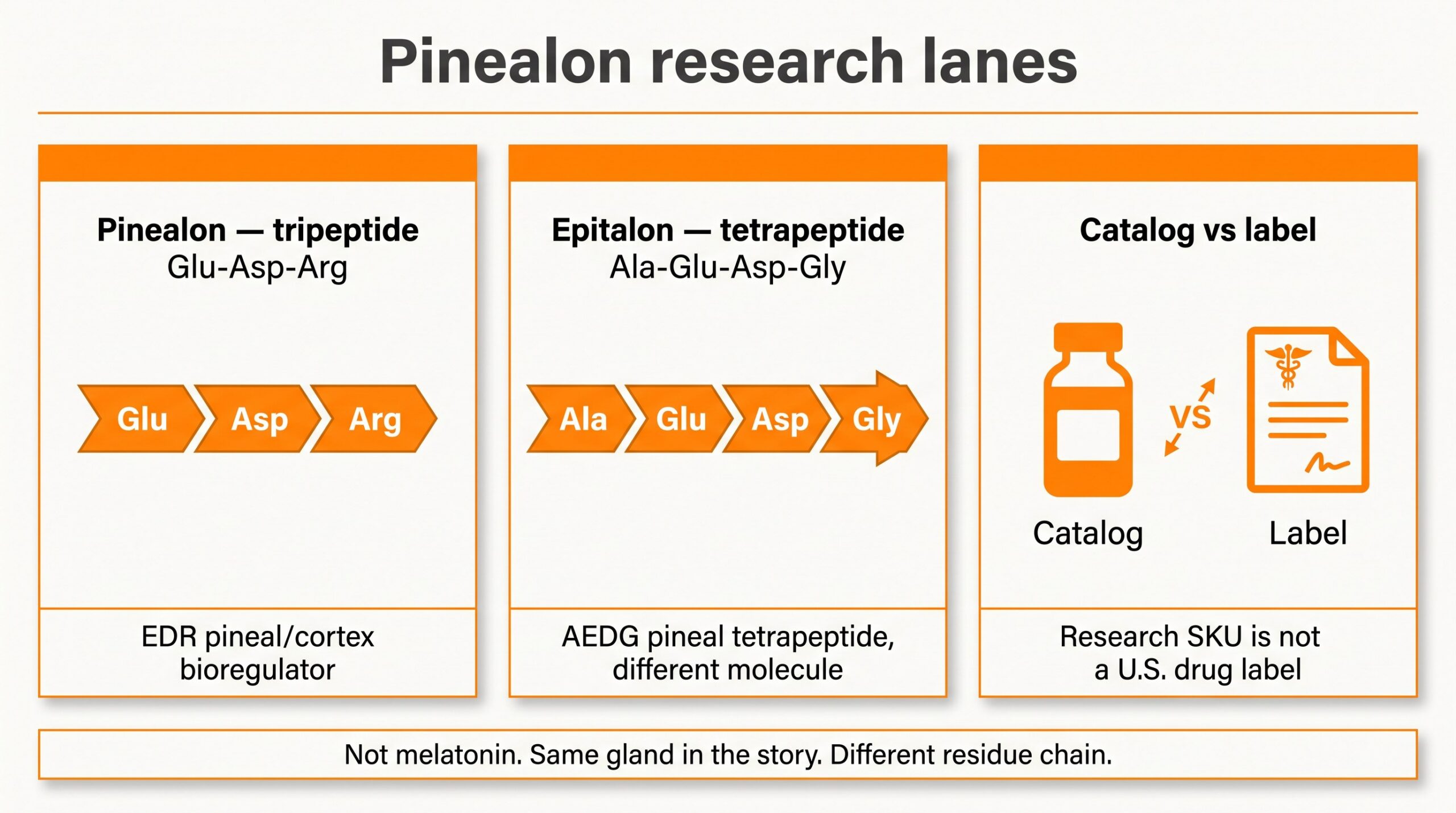
Pinealon vs Epitalon vs melatonin vs “pineal stack”
You do not need a gerontology degree. You need four names and four jobs. Why should you care? Because the mash-up is how people spend money on the wrong bottle and then blame the molecule.
| Lane | What it actually is | What the evidence conversation is | What it is not |
|---|---|---|---|
| Pinealon (EDR) | Synthetic tripeptide Glu-Asp-Arg. Three residues. Catalog spelling: Pinealon / EDR peptide. | Oxidative-stress, hypoxia, neuronal-viability, and Alzheimer-model work — largely preclinical plus originating-group program literature. Not a U.S. NDA package. | Not Epitalon. Not melatonin. Not an FDA-approved Alzheimer’s, stroke, or “brain aging” drug. |
| Epitalon (AEDG) | Synthetic tetrapeptide Ala-Glu-Asp-Gly. Four residues. Full map on /epitalon/. | Telomerase / telomere and pineal-aging programs in the same research neighborhood. Different residues. Different endpoints in the papers. | Not Pinealon. Same podcast gland. Different chain. |
| Endoluten / pineal extract bioregulators | Pineal polypeptide extract conversation. Related lineage. Not a pure EDR cake unless the bottle says EDR. | Its own extract literature. Often cited next to Pinealon. Still not a U.S. approved drug. | Not a free upgrade sticker. BioPineal / Endoluten is a different catalog object from Pinealon 20 mg. |
| Melatonin / sleep aids | Pineal hormone and OTC sleep conversation. | A different molecule. Different evidence file. Sleep map lives on how to sleep better if that is the actual job. | Not Pinealon. Same gland in the story. Different residue chain. |
| GH secretagogues | GHRH analogs and GHS-R agonists that ask the pituitary for a GH pulse. | Maps on ipamorelin, sermorelin, tesamorelin. | Not Pinealon. Do not stack captions because both say “longevity” on a forum. |
You can be interested in all of them. You cannot mash Pinealon, Epitalon, Endoluten, melatonin, and a GH blend into one Reddit protocol and call a three-residue cake a clinical neurology result.
Mechanism map (high level)
Search volume is not a protocol. Neither is a caption that says “pineal bioregulator for the brain.”
Here is the beginner translation of what the literature actually is. I will tell you the so-what before I dump the detail. Then I will tell you how sure we should be.
The doorbell vs the filing cabinet. Most peptides people search — GH secretagogues, GLP-1s — knock on a receptor on the cell surface. That is a doorbell model. You can picture a lock and a key. The Khavinson-line claim for EDR is weirder. Short peptides in that program are described as slipping into cells and sitting down near DNA and histone proteins, then changing which genes get read. Cell papers have used fluorescence-labeled short peptides in HeLa cultures to argue nuclear entry is even possible (PubMed 22117547). Think of a three-letter password trying to walk past the front desk and sit in the file room. That is a mechanism analogy for a research hypothesis. It is not proof that a catalog vial will rewrite your genome, treat Alzheimer’s, or “turn on pineal youth.”
How sure are we? Nuclear-entry and promoter-binding talk is modeling plus cell work from the originating group and collaborators. It is a proposed map, not a U.S. drug mechanism of action on a label. Treat it as a way to hold the idea. Do not treat it as marching orders.
Oxidative stress and cell viability. A 2011 Rejuvenation Research paper reported that Pinealon restricted reactive oxygen species buildup and increased cell viability in cerebellar granule cells, neutrophils, and PC12 cells under oxidative stress (PubMed 21978084). So what: that is a dish-and-cell story about free radicals and whether cells stay alive in a model. A dish is not a clinic. Dose-dependent restriction of ROS in a culture is not a guarantee that a research vial will protect your neurons after a hard week of sleep debt.
The stop-you comparison. In a 2008 hypobaric-hypoxia model, researchers lined up four short peptides: vilon, epitalon, vesugen, and pinealon. All four showed antihypoxic properties in that model. Pinealon had the most pronounced effect of the four (PubMed 18546825). That is a real head-to-head in one program paper. It is not a human oxygen-drug trophy. It is not proof EDR beats AEDG for “anti-aging” in a person. It is the kind of stat that should make you pause and then ask the next question: which model, which endpoint, which species.
Rodent prenatal and hypoxia work. A 2012 paper reported that Pinealon protected rat offspring in a prenatal hyperhomocysteinemia model, with improved cognitive-function endpoints in the offspring (PubMed 22567179). Separate gerontology-program work placed Pinealon next to Cortexin in old-rat hypoxia models looking at cytokines and caspase-3 in brain tissue (PubMed 25051764). So what: animal developmental and hypoxia pharmacology. Signal that the originating group kept running the molecule through stress models. Not a human pregnancy or stroke indication.
Alzheimer-model spines and a 2020 review. A 2017 experimental paper reported that tripeptides, including EDR, restored mushroom-shaped dendritic spines in an in-vitro Alzheimer-model hippocampal culture (PubMed 28853087). A 2020 Molecules review from Khavinson, Linkova, and colleagues then mapped possible EDR effects onto Alzheimer-related pathways — MAPK/ERK timing, antioxidant enzymes, caspase-3 / p53 talk, PPAR genes, serotonin synthesis in cortex-cell work (PubMed 33396470; serotonin-expression cell work also at PubMed 24909721). So what: this is the originating group arguing a neuroprotective hypothesis in print. The review cites small human program observations from that ecosystem. Those observations are not Western randomized, placebo-controlled trials suitable for an FDA Alzheimer indication. Mixed or limited Western replication means mixed. It does not mean “secretly approved if you reconstitute it right.”
The aging-bioregulator umbrella. A 2010 Biogerontology review from Anisimov and Khavinson framed the whole short-peptide bioregulator program — tissue-specific peptides, rodent lifespan talk, gene-expression hypotheses (PubMed 19830585). Pinealon sits inside that umbrella. The umbrella is not a U.S. drug class.
If someone tells you Pinealon is the pineal peptide that reverses brain aging, they are selling. Alzheimer biology is also a cancer-adjacent, apoptosis-adjacent, oxidative-stress conversation. That does not mean EDR causes cancer. It means the pathways are not toys. I am not dunking the molecule. The sequence is real. The research intent is real. Some cell and animal files are real. This page refuses to crown a caption — and refuses to invent a U.S. drug label.
Evidence limits, stated plainly: most indexed Pinealon papers are rodent, cell, or non-FDA clinical-program literature from a concentrated author group. That concentration is not a conspiracy. It is a confidence haircut. Western randomized controlled trials for a labeled human indication are not what this page is claiming.
WADA and sport: if you compete, check the current prohibited list yourself. Peptide research chemicals are not a free pass because a catalog said “research use only.”
Research catalog vs compounding vs FDA drugs
Three lanes. Keep them. Why this matters: the coupon code does not change the lane.
FDA-approved drugs have an application, a label, an indication, manufacturing the agency inspects for that product. There is no Pinealon memory tablet in that U.S. drawer. Donepezil, memantine, lecanemab, and approved stroke drugs are different regulatory objects. None of them is your lyophilized EDR cake. Melatonin as an OTC dietary supplement is a different object again.
Compounding is a pharmacy lane. A 503A pharmacy compounds for a patient with a prescription. That lane has its own FDA bulk-substance fights and state-board rules. A compounded Pinealon prescription, if a clinic offers one, is still not an approved Alzheimer drug. It is a different object from a research catalog with a coupon code.
Research catalogs sell named sequences for research use. COA if you are lucky. “Not for human consumption” on the page. Forums treat that disclaimer as a wink. I do not. A research-use Pinealon vial is a catalog SKU. It is not a compounding script. It is not a labeled drug. Pretending otherwise is how people get hurt and how this page would get stupid.
I am not going to tell you to buy a research chemical for human use. I am not going to tell you to skip a doctor. I am going to tell you to name the lane before you name the SKU.
Reconstitution notes (high level only)
If a lyophilized cake is even on the table, learn the math before you invent a protocol.
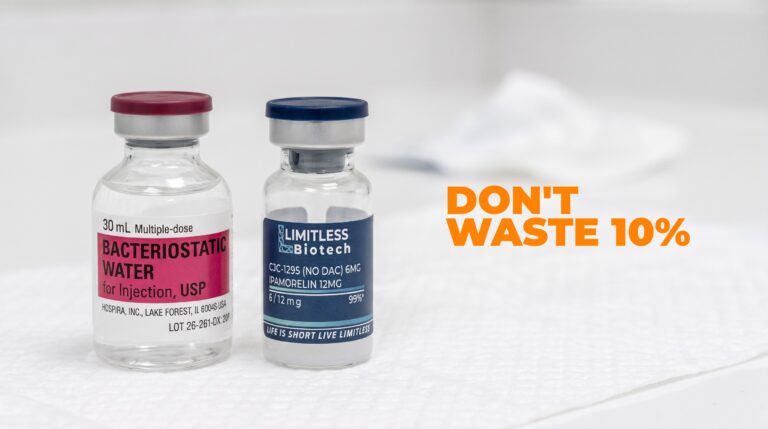
How to reconstitute peptides is the public page for bacteriostatic water, U-100 insulin-syringe ticks, and not wasting 10% of the vial on foam and dead volume. Some bioregulator catalogs also sell capsules or oral forms — that is a different object from a cake you reconstitute yourself. Read the label. Do not assume capsule math equals injectable math.
I will not dump a Pinealon units-and-days schedule on a public page. That is Pro on purpose.
Who this page is for (and who it is not)
Start with the question, not the vial.
This page is for you if you typed Pinealon, EDR, or “pineal tripeptide” and want the research map before you spend money. Or if a podcast stacked Pinealon next to Epitalon and you need the residue count separated.
This page is not for you if you want a diagnosis for Alzheimer’s, MCI, stroke recovery, TBI, or “brain fog” from a blog. Those are clinician conversations. A research vial does not replace that visit.
Here is the order I give beginners.
1. Read first. Name the lane before you name the SKU. Pinealon vs Epitalon vs extract vs melatonin. Drug, compound, or research catalog.
2. Name the peptide. Pinealon is Glu-Asp-Arg. If the bottle also says “blend,” “pineal bioregulator,” “Endoluten,” or a second sequence, read every name on the label.
3. Do not crown the nickname. “Brain peptide” won the caption. It did not win a U.S. label.
4. If a lyophilized cake is even on the table, learn the reconstitution math on the public page linked above — then stop. Protocol depth lives in Peptides & Pump Pro. Ten dollars a month. Seven-day trial.
Where I actually look when the job is a Pinealon research compound
Education first. You already got the map. This block is the labs I will put my name on, with the codes that fire. Research-use catalog pages. Not a treatment claim. Not a “buy this to fix Alzheimer’s.”
Partner reality on today’s audit: BioLongevity lists Pinealon 20 mg in stock. Peptira lists a Pinealon 10 mg product page, but it was out of stock on the last check — I am not featuring an out-of-stock hero card. Limitless, Paramount, and S1 did not have a public Pinealon product URL I could verify, so they get home or shop chips only. BioLongevity also catalogs a pineal extract SKU under a different name. That is not this vial. Do not mash them.
Research-catalog SKU currently live on partner audit (not a treatment recommendation).
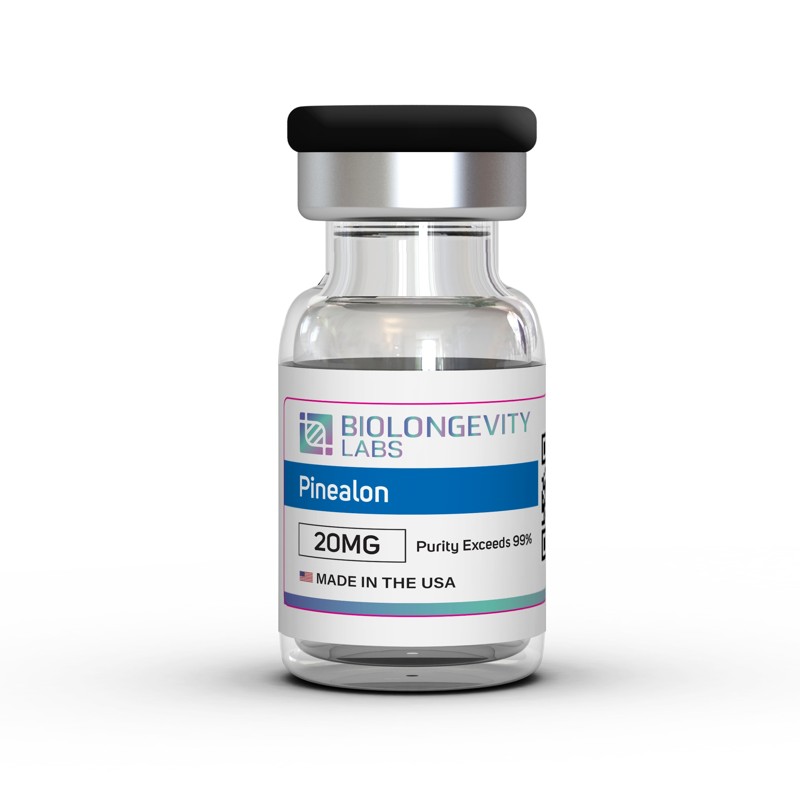 BioLongevity
Pinealon 20 mg
LEE15BioLongevity Pinealon 20 mg · LEE15Peptira Pinealon 10 mg · LEELimitless home · LEE20Paramount home · LEE10S1 shop · LEE10
Peptira’s Pinealon 10 mg page exists, but it was out of stock on audit, so it gets a product chip instead of a hero card. Limitless did not publish a public Pinealon product URL I could open without a login wall — home chip only until that changes. Match the product to the job. Do not collect bottles. Do not use a research catalog as a back door to a neurology diagnosis.
Frequently asked questions about Pinealon
Is Pinealon the same as Epitalon?
No. Pinealon is Glu-Asp-Arg. Three residues. Epitalon is Ala-Glu-Asp-Gly. Four residues. Same research neighborhood. Different chain. Read the Epitalon research map if that is the molecule you actually typed.
Is Pinealon the same as melatonin?
No. Melatonin is a pineal hormone people buy for sleep. Pinealon is a three-amino-acid peptide from a pineal / cortex research line. Same gland in the story. Different molecule.
Is Pinealon FDA-approved for Alzheimer’s or brain aging?
No. Pinealon is not an FDA-approved drug to treat Alzheimer’s, MCI, stroke, TBI, hypoxia, memory loss, or “pineal calcification.” Research-catalog vials inherit neither an indication nor a manufacturing license for human use.
Does Pinealon enter the cell nucleus?
Short-peptide nuclear-entry is a hypothesis with cell-model support in the bioregulator literature, including fluorescence-labeled peptide work in HeLa cultures (PubMed 22117547). That is a mechanism conversation in a dish. It is not proof a catalog vial will rewrite your genes or treat a disease. Talk to a clinician if this is a medical question.
Pinealon or Epitalon for longevity?
Wrong first question. Name the job, then name the peptide. Epitalon is the telomere / AEDG map. Pinealon is the EDR neuroprotection-oriented map. If the caption says “stack both, they are pineal,” that is a forum caption, not a label.
Can I just run a Pinealon protocol from a forum?
You can do a lot of unwise things. I would not. Name the sequence. Name whether you are holding a research catalog, a compounded script, or a fantasy. Protocol depth lives in Pro on purpose. This public page is the map, not the marching orders.
Selected references (research framing)
These are starting points for the published file — not a protocol, not a drug label, not an endorsement to self-treat. I am not inventing citations. Every ID below was verified against Europe PMC / PubMed before publish.
- Pinealon restricts ROS and increases cell viability in oxidative-stress models — PubMed 21978084.
- Four-peptide hypoxia comparison: Pinealon had the most pronounced antihypoxic effect among vilon, epitalon, vesugen, and pinealon — PubMed 18546825.
- Prenatal hyperhomocysteinemia rat-offspring work — PubMed 22567179.
- Tripeptides restore mushroom-shaped spines in an in-vitro Alzheimer model — PubMed 28853087.
- EDR peptide review: possible gene-expression map in Alzheimer-related pathways — PubMed 33396470.
- Short fluorescence-labeled peptides and nuclear entry in HeLa cells — PubMed 22117547.
- Short peptides stimulate serotonin expression in cortex-cell work — PubMed 24909721.
- Old-rat hypoxia model: Cortexin and Pinealon next to cytokines and caspase-3 — PubMed 25051764.
- Peptide bioregulation of aging, program review — PubMed 19830585.
Read primary sources. Do not treat a PubMed ID as a shopping list.
The bottom line
Pinealon is Glu-Asp-Arg — a synthetic tripeptide with a pineal / cortex bioregulator research map. Real sequence. Real research intent. Not an FDA-approved brain or aging drug.
It is not Epitalon. It is not melatonin. It is not a GH secretagogue. Keep the lanes. Read the papers. Do not buy a three-residue cake because a caption told you it was a labeled neurology drug without side effects.
If you need the beginner on-ramp, use Start Here and what are peptides. Reconstitution math, when a lyophilized cake is even on the table, is on how to reconstitute peptides. Want the free field guide before you spend another dollar on a vial? Grab the Peptide Playbook — the short form on that page is how it ships. Adjacent reading already live: Epitalon, Semax, Selank, SS-31, and MOTS-c.
Free guide
Get The Peptide PlaybookEnter your email and we’ll send the research PDF. Education only — not medical advice.
I built Peptides & Pump so you can get this without a guru tax. If you want the protocol library, member discussions, and a place to think out loud before you spend money, that is Pro. If you are not ready to pay, use the free Knowledge Base first. Then come back and argue with me when you have read more than a caption.
 Keep going on Peptides & Pump
Free is the peptide community. Pro is where you master it. Codes are the links. Click them so the discount fires.
Free
Knowledge Base
The peptide community · 2,500+
- 2,500+ member peptide community
- Sourcing questions before you buy anything random
- The basics, from people actually using peptides
Pro
Peptides & Pump Pro
$10/mo · 7-day trial
- Science-backed protocol library
- 1-on-1 support from Lee and Matt
- Step-by-step video, plus a monthly $500 drawing
LEE20 Limitless LEE15 BioLongevity LEE10 Paramount LEE Peptira LEE10 S1
Supplier footnote: Research suppliers I mention when people ask about Pinealon: BioLongevity Pinealon 20 mg (code LEE15). Peptira lists Pinealon 10 mg (code LEE) but it was out of stock on audit. Limitless, Paramount, and S1 had no verified public Pinealon product URL — use Limitless home (code LEE20), Paramount home (code LEE10), and S1 shop (code LEE10). Match the product to the job. Do not collect bottles.
Disclaimer. This article is for educational and research purposes only. It is not medical advice. It is not intended to diagnose, treat, cure, or prevent any disease. Pinealon (EDR, Glu-Asp-Arg) is not an FDA-approved drug for Alzheimer’s, memory loss, stroke, traumatic brain injury, hypoxia, aging, pineal function, or any other indication. Research peptides discussed here are research sequences; a research-catalog vial is not a compounded prescription and is not a labeled drug. Most of the published evidence discussed here includes preclinical work and non-FDA clinical-program literature; neither is a substitute for a clinician. Individual results vary. Always consult a qualified healthcare provider before starting any peptide, drug, supplement, or protocol, especially if you have a medical condition or take prescription medication. Peptides & Pump does not sell peptides.
Affiliate disclosure. Some links on this page are affiliate links. If you buy through them, I may earn a commission at no extra cost to you. Codes LEE15, LEE20, LEE, and LEE10 are the ones I actually use where a coupon fires. That commission is how I keep publishing free education. I only link suppliers I am willing to put my name on.
2 Comments
Comments are closed.