Peptides vs Steroids: Side-by-Side Comparison Map
Key takeaways
- Verdict: Peptides and anabolic steroids are not the same chemistry class. Not the same first signal door. Not the same risk shelf.
- Anabolic-androgenic steroids (AAS) are steroid-ring hormone cousins. They often act through androgen receptors inside cells. Many research peptides are short amino-acid chains. They often start at surface receptors.
- “Natural” in bodybuilding forums is slang, not a chemistry badge. Sport bans and civilian safety are different drawers.
- Evidence honesty cuts both ways. AAS have decades of clinical and misuse literature. Peptide topics range from labeled medicines to thin early-lab vials.
- Education only. Not medical advice. Not steroid coaching. Not an FDA-approved treatment claim.
Verdict up front: If you searched peptides vs steroids, you want a side-by-side map. Not a cheer for one lane. Peptides are not a softer PED twin. Steroids are not “just stronger peptides.” Different buildings. Different locks. Different proof shelves.
Our sister page are peptides steroids answers the class question: are they the same thing? Short answer there: no. This page is the comparison people actually type into Google — goals, mechanisms, risk shape, legality lanes, and what “natural” means in gym talk.
This page is education and research framing only. It is not medical advice. It is not a PED protocol. It is not a DIY-without-a-clinician pitch. Laws and sport rules change. Talk with a licensed clinician about your own health.
Why this matters: one viral caption that swaps the words like synonyms turns into bad shopping talk and worse health talk.
Keep reading if you want a clean scoreboard, a mechanism analogy that sticks, evidence honesty on both lanes, high-level WADA literacy, and the research vs compounding vs FDA map without disease hustle. Dense links to are peptides steroids, are peptides legal, are peptides safe, peptides for bodybuilding, and best peptides.
Keep vs skip: keep this map if you want literacy. Skip if you want a stack, a cycle, or a black-market cookbook. Full protocol mastery stays in Pro.
What “peptides vs steroids” usually means
Search lumps four different fights into one phrase.
- Chemistry fight: amino-acid chains vs steroid-ring hormones.
- Goal fight: repair, skin, metabolic, or GH-axis curiosity vs classic anabolic folklore.
- Risk fight: “which is safer?” asked like a sports score.
- Status fight: natural bodybuilding rules, WADA lists, and US legality slang all mashed together.
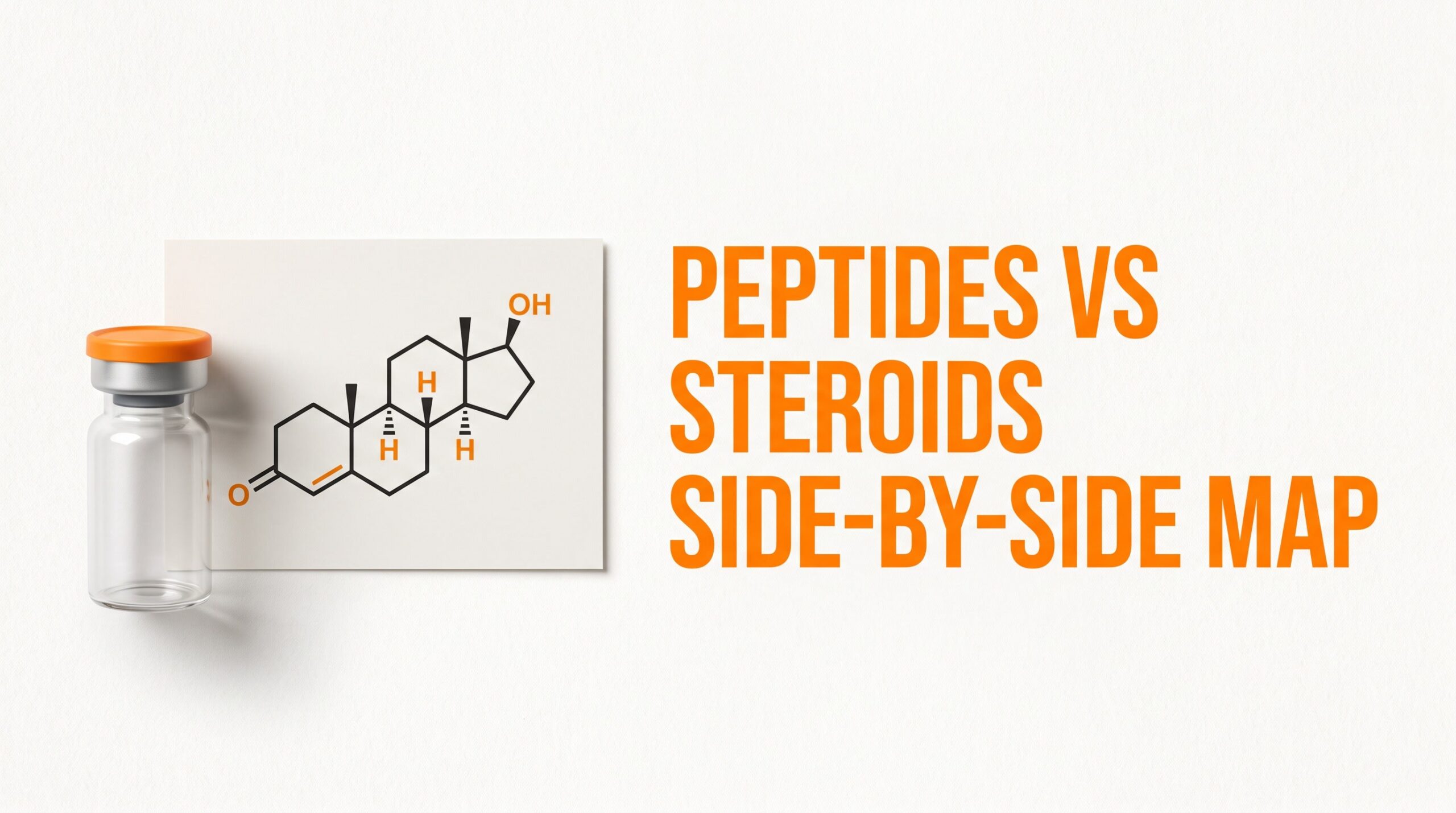
Write it out. Anabolic-androgenic steroids are hormone cousins with a steroid ring. Androgens are hormones that plug into androgen receptors. Those receptors help drive male-pattern traits and muscle-building programs. Peptides are short chains of amino acids. Amino acids are the building blocks of proteins. Same grocery aisle in gym chat. Different departments in a real lab.
So what for you: when someone says peptides vs steroids, ask which fight they mean before you trust the caption.
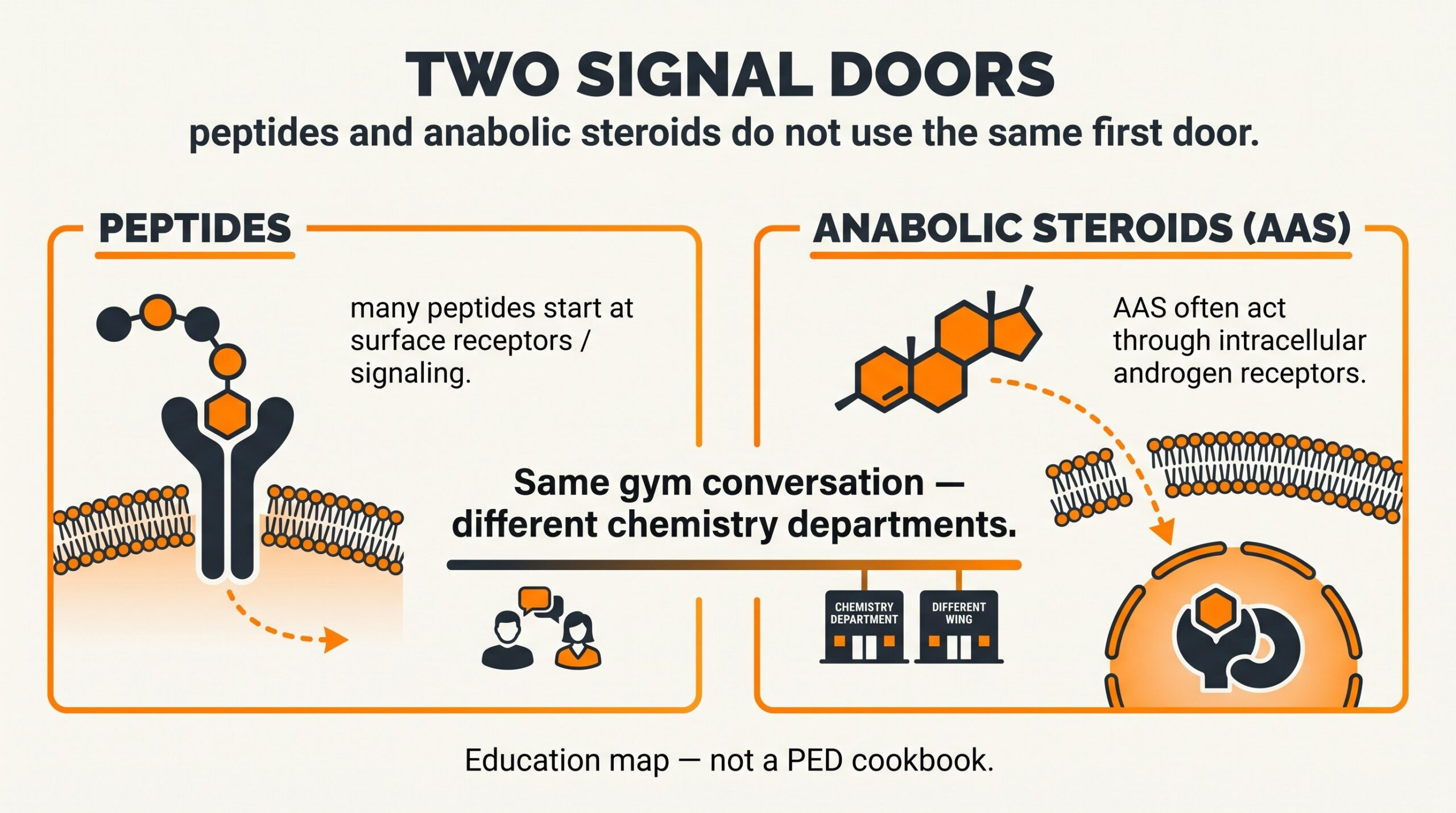
Mechanism comparison: signaling vs androgen receptors
Here is the mechanism split in plain English.
Many AAS act like master keys for androgen receptors inside cells. Once that key turns, gene programs can shift. Muscle. Sex traits. Blood fats. Liver stress. Reviews of how AAS work and what can go wrong walk that door in detail. That is a hormone-system story.
Many research peptides do not use that door first. They often start at surface receptors. Think of a doorbell on the outside of the cell. The peptide rings it. A signal cascade starts. The job depends on which doorbell. Some hit growth-hormone paths. Some hit melanocortin paths. Some show repair curiosity in animals. Some show up in skin science. Different doorbells.
Mechanism analogy: steroids are like flipping the building’s master breaker through the androgen panel. Many peptides are like pressing one labeled doorbell on one apartment. Same street. Different wiring.
Why this matters: shared gym slang does not rewrite receptor biology.
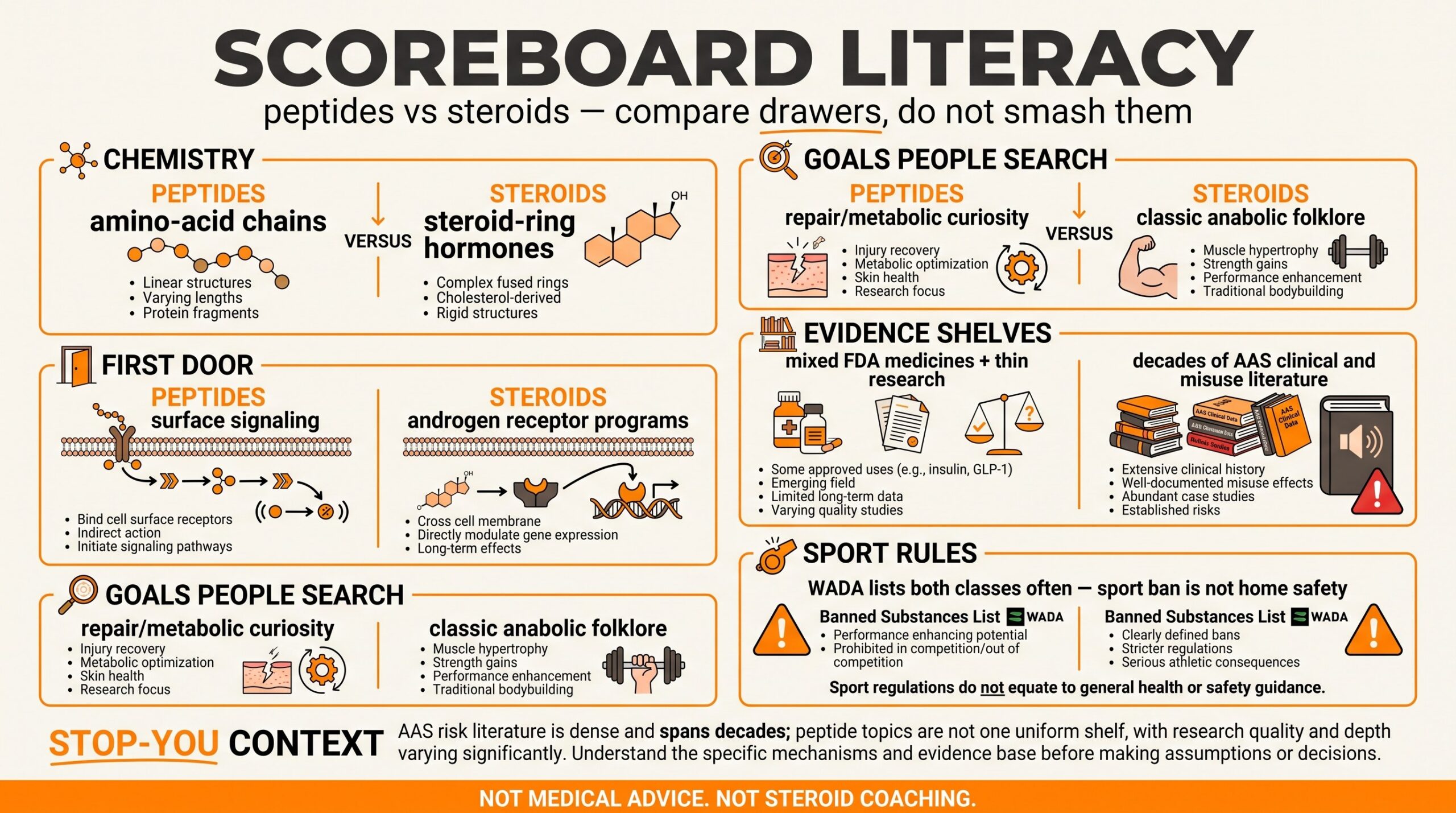
Side-by-side scoreboard (literacy, not a cookbook)
Use this board for thinking. Not for dosing.
- Chemistry: AAS = steroid-ring hormone cousins. Peptides = short amino-acid chains. See also what are peptides.
- Typical first door: AAS often through androgen receptors inside cells. Many peptides through surface receptors and signal cascades.
- Goals people search: AAS culture is famous for anabolic mass stories. Peptide searches span repair curiosity, skin science, GH-axis signals, metabolic medicines, and research vials. Do not glue those goals into one product promise.
- Evidence shelves: AAS have decades of clinical, sports, and misuse literature. Peptide topics range from FDA-approved medicines to thin animal or cell papers. Different shelves. Different confidence.
- Risk shape: AAS risk literature covers cardiovascular, liver, hormonal, and reproductive harms in misuse settings. Peptide risk talk depends on the specific molecule, purity, dose claims, and access door. “Safer” is not a class-wide trophy.
- Sport rules: many AAS and many peptide-related agents appear on anti-doping lists. A sport ban is not a home-safety grade.
Keep vs skip: keep the scoreboard as literacy. Skip any influencer who crowns peptides as softer PEDs.
Are peptides “natural”? Bodybuilding myth literacy
Forum talk loves the word natural. In tested natural bodybuilding, natural often means “not on the banned list for this federation.” That is a rulebook word. It is not a chemistry word.
Your body already makes many peptides as messengers. Insulin is a peptide medicine story. Collagen fragments and signal peptides show up in biology books. That does not make every freeze-dried research vial a “natural supplement.”
AAS are not “food steroids.” They are hormone-class compounds with a long sports and medicine history. Calling peptides natural and steroids unnatural is marketing theater. Both can be made in a lab. Both can be banned in sport. Both can carry real risks when misused.
Why this matters: natural slang is how people launder a PED conversation into a health-store conversation.
So what for you: ask which rulebook, which molecule, and which claim — not which vibe word.
Evidence honesty: both lanes, no cheerleading
Honesty means you do not crown a winner with missing data.
Anabolic steroid lane. Reviews summarize how AAS work. They also track risks with non-medical use. Heart and vessel stress. Liver injury patterns. Hormone shutdown stories. Reproductive effects in systematic reviews. Athlete papers also track performance claims and side effects. Confidence is fairly high that AAS are strong anabolic tools with a serious misuse risk profile. That is not a moral speech. It is a literature map.
Peptide lane. This shelf is mixed on purpose.
- Some peptide medicines are FDA-approved with labeled trials. A major New England Journal of Medicine trial tested once-weekly semaglutide in adults with overweight or obesity. That is Door A medicine literacy. Tesamorelin trials tracked deep belly fat in specific HIV-related fat disorders. That is labeled medicine. It is not a free gym coupon.
- Growth-hormone secretagogue research is a receptor story. Selective work on ipamorelin is one example. Clinical pharmacology papers exist. Still not a free stack chart.
- Repair-curious names like BPC-157 and thymosin β4 show up a lot in animal and tissue papers. Soft-tissue healing interest is real in early lab work. Human certainty is not the same as a rat tendon paper.
- GHK-Cu appears in skin remodeling and pathway reviews. Skin science interest is not a disease cure claim.
- PT-141 (bremelanotide-class melanocortin agonist story) has human pharmacology and sexual-medicine trial history. That is a specific receptor lane, not proof that every peptide vial is the same.
Stop-you stat (verified context): AAS risk reviews are not thin blog posts. Systematic papers cover male sexual and reproductive effects. Case reports cover sudden cardiac death in some AAS users. Liver-injury updates keep coming. Peptide drug-discovery reviews praise a growing medicine class. They still do not approve every bottle on the internet. Different density. Different confidence. Same rule: do not invent certainty.
How sure should you be? High that AAS and peptides are different chemistry classes. High that AAS misuse risks are well documented. Fairly high on labeled peptide medicines for their labeled uses. Lower on any social-media claim that research vials equal those medicines. Lower still on any caption that treats peptides like a softer PED twin.
Why this matters: hype dies when you sort the shelves.
Risk shape: not a trophy fight
People ask are peptides safer than steroids as if Google can crown a winner. Safer for what? Safer than what dose? Safer in which person? Safer under which purity and access door?
AAS non-medical use carries a clear risk literature. Blood fats can shift. Blood pressure can climb. Some oral agents stress the liver. The hormone axis can shut down. Reproductive effects show up in reviews. That does not mean every prescribed androgen in a clinic is the same story as unsupervised gym cycles. Clinic care and black-market folklore are different doors.
Peptide risk talk must name the molecule. A labeled GLP-1 medicine has labeled side-effect language. A research powder with unknown purity has a quality and fake-vial problem first. Read peptide side effects, are peptides safe, and research peptides before you trust a pretty vial photo.
Neither lane gets a free “harmless” badge. Neither lane gets a free “always deadly” meme. Details beat slogans.
So what for you: trade the trophy question for a clinician conversation about your labs, goals, and legal access doors.
WADA and sport status (high-level education)
Anti-doping lists are sport rules. They are not a civilian safety grade. They are not a full US criminal-law chart.
Many AAS sit on prohibited lists. Many growth-hormone releasing factors and secretagogues also show up in anti-doping education. Lab tests for GHRH analogs keep getting better. A review of WADA banned substances notes limited proof of performance effects for some listed agents. Listing is not free proof that something “works.”
If you compete in tested sport, your federation handbook beats Instagram. If you do not compete, sport bans still do not answer “is this smart for my health.”
Keep vs skip: keep WADA as sport literacy. Skip any caption that says “banned means it works” or “not banned means safe.”
Legality lanes: FDA, compounding, research (map only)
US legality is not one sticker. It is door talk.
- Door A: FDA-approved peptide medicines through a clinician and pharmacy path.
- Door B: compounding under federal and state pharmacy rules when lawful for a patient.
- Door C: research-use catalog framing. That language is paperwork and marketing literacy. It is not a magic shield for disease claims.
Anabolic steroids also sit in controlled-substance and medical-use frameworks. This free page will not turn that into a DIY legal memo. For the peptide door map, read are peptides legal. For identity chemistry, stay on are peptides steroids.
Why this matters: legality slang, sport bans, and safety are three drawers. Smash them and you get myths.
Bodybuilding angles without PED coaching
Gym culture mixes peptides and steroids because both show up in “get bigger / recover faster” talk. Mixing the chat is not the same as matching the biology.
If your curiosity is training literacy, start with foundations. Sleep. Protein. Progressive overload. Clinician labs when you need them. Honest maps help too: peptides for bodybuilding and best peptides. Pro classroom keeps full stacks and dosing tables off the free site on purpose.
This page will not give cycles. It will not sell peptides as a PED twin. It will not teach you how to “stay natural” while using banned agents. That is the Google-clean line and the truth line.
So what for you: if the goal is a fair comparison, use the scoreboard above. If the goal is a protocol, that is a different product — and not this article.
How to think / talk to a clinician / foundations
Application is a thinking board. It is not a shopping dare.
- Name the molecule and the door. Medicine label, compounding path, or research catalog? Different rules.
- Name the goal in plain words. Fat loss curiosity, soft-tissue curiosity, skin science, GH-axis interest, or classic anabolic folklore. Vague goals breed vague risks.
- Ask for labs and history, not hype. A licensed clinician can sort red flags, drug interactions, and legal access. A caption cannot.
- Sort evidence tiers. Labeled trial, systematic review, small human study, animal paper, forum lore. Say the tier out loud.
- Protect quality literacy. Label is not contents. Fake-vial risk is real in gray markets.
Foundations still win most of the week. Protein. Progressive training. Sleep. Zone 2 work when it fits. Honest recovery. Peptides and steroids talk should not outrank those.
Why this matters: the next smart step is usually clarity with a clinician, not a cart checkout under a fake synonym.
FAQs
Are peptides steroids? No as a chemistry class. Full answer: are peptides steroids.
Are peptides safer than steroids? Not as a class-wide trophy. AAS misuse risks are well documented. Peptide risk depends on the specific agent, purity, and access door. See are peptides safe.
Are peptides legal? Depends on door, molecule, and claims. Map: are peptides legal.
Can peptides replace steroids for bodybuilding? This free site will not coach PED swaps. Different mechanisms. Different evidence. Different rules.
What should I read next? what are peptides, research peptides, peptide side effects, and peptides for bodybuilding.
Key takeaways (echo)
- Peptides vs steroids is a comparison of different chemistry and different signal doors.
- Natural forum slang is not a lab definition.
- Evidence honesty cuts both ways — dense AAS risk literature, mixed peptide shelves.
- Sport bans ≠ civilian safety ≠ FDA approval.
- Education only. Clinician for personal decisions. Pro for mastery protocols.
Adjacent research maps (not steroid products)
Foundation first. Research curiosity second. These InStock partner cards are education-adjacent research maps — not PED substitutes, not steroid products, not disease treatments.
Adjacent research maps — InStock partner cards
These are education-adjacent research cards, not steroid products. No PED coaching. Codes live in the links.
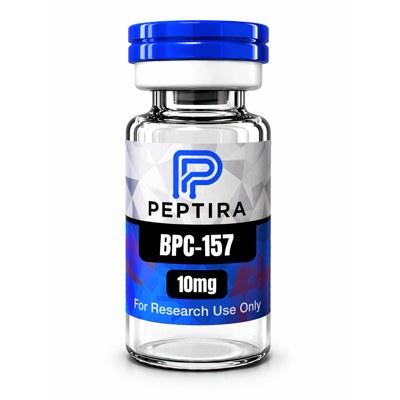 Peptira
BPC-157
LEE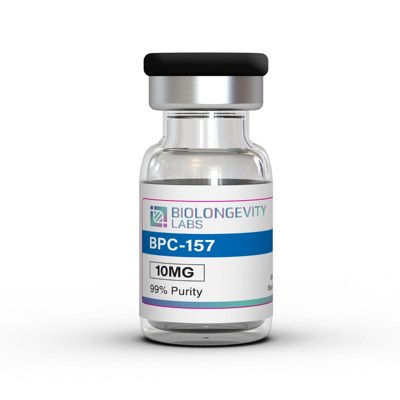 BioLongevity
BPC-157
LEE15 BioLongevity
TB-500
LEE15 Paramount
Wolverine Blend
LEE10 Peptira
GHK-Cu
LEE BioLongevity
GHK-Cu
LEE15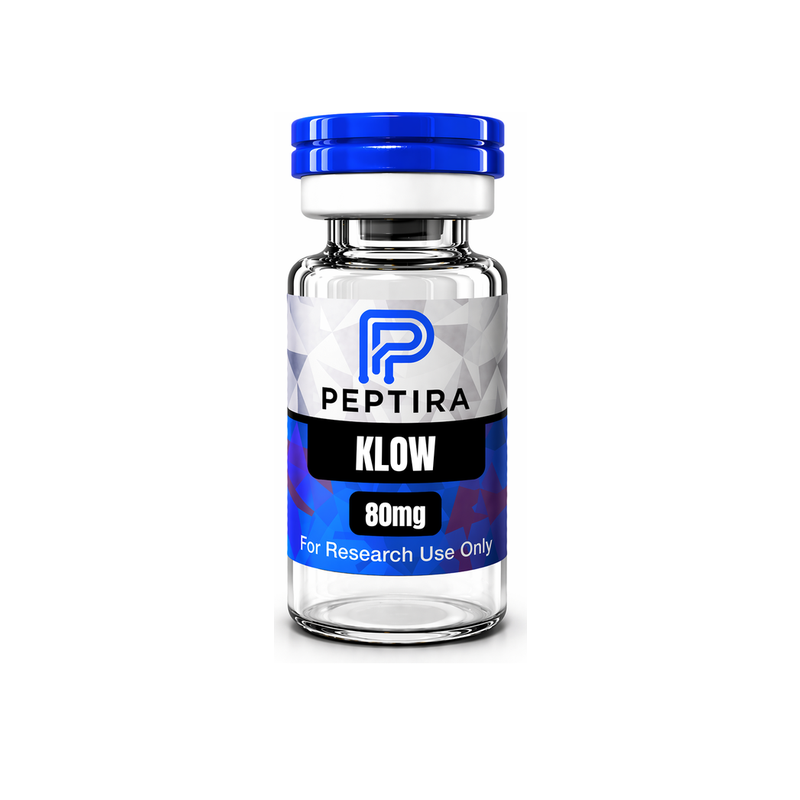 Peptira
KLOW
LEE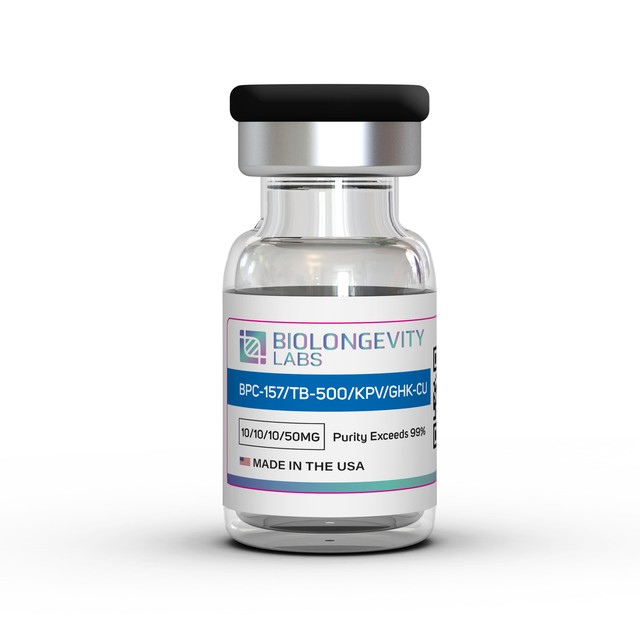 BioLongevity
KLOW
LEE15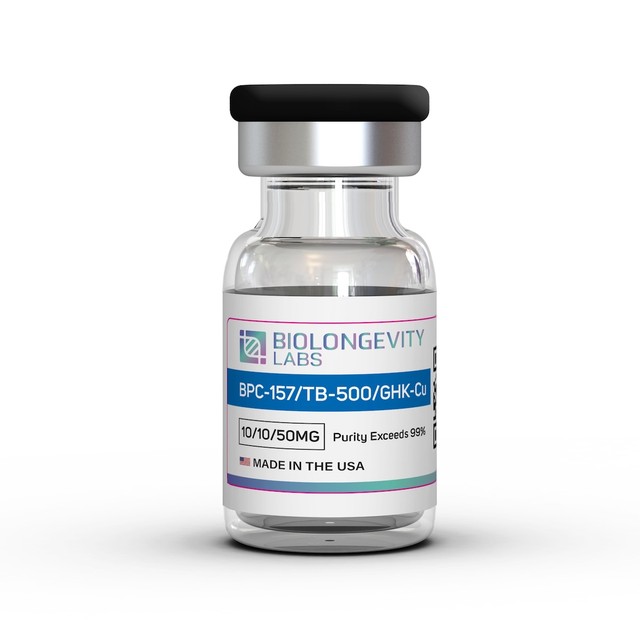 BioLongevity
GLOW
LEE15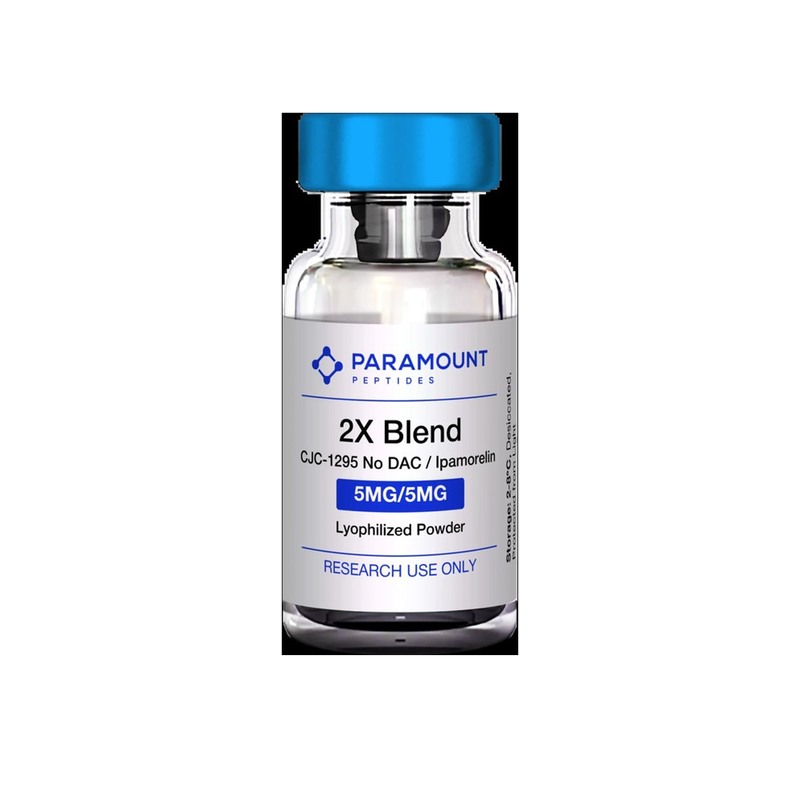 Paramount
CJC / Ipamorelin
LEE10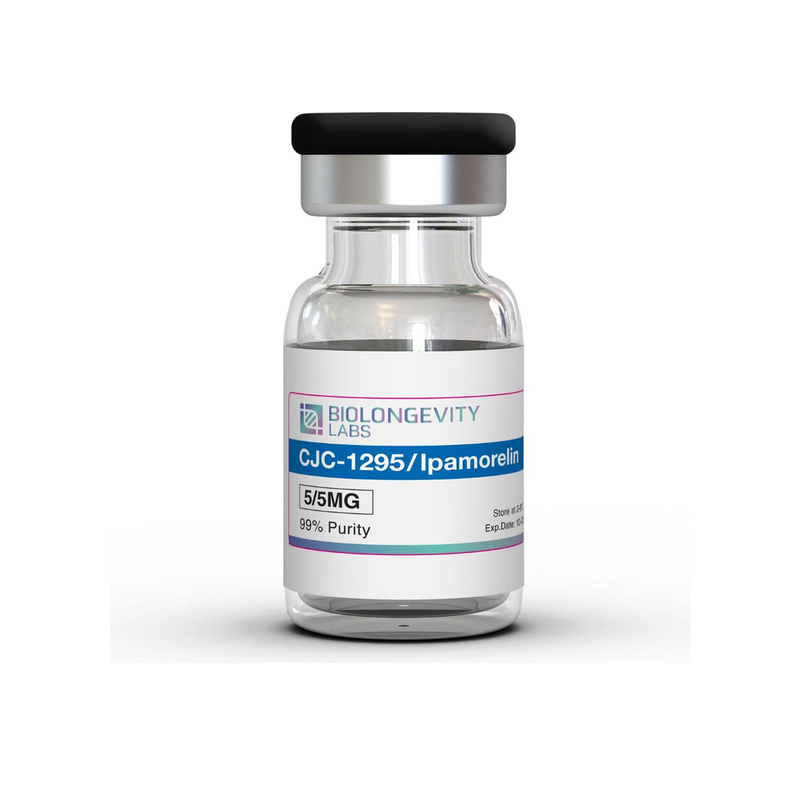 BioLongevity
CJC / Ipamorelin
LEE15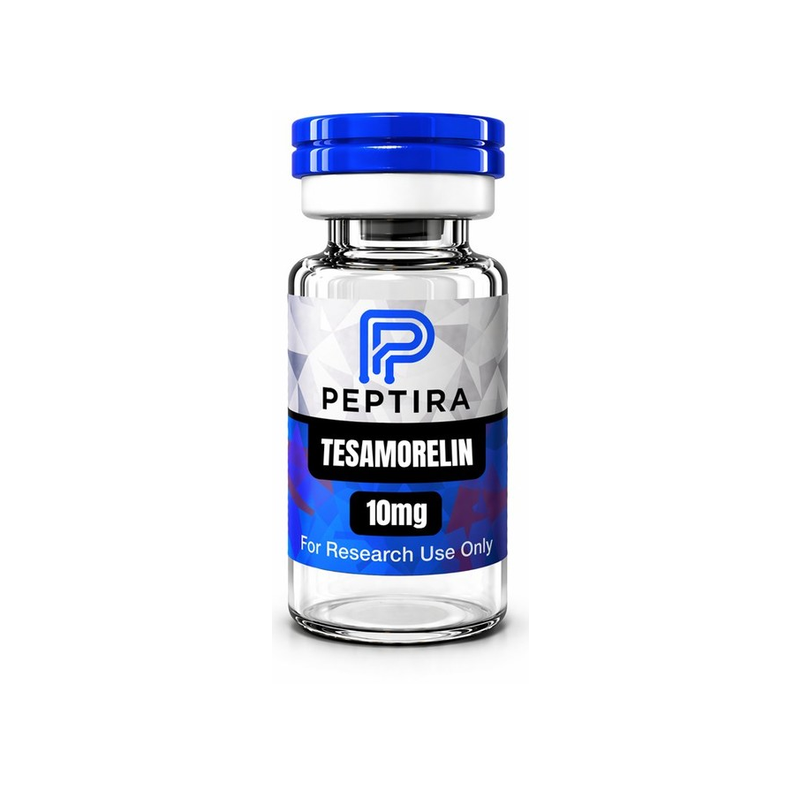 Peptira
Tesamorelin
LEE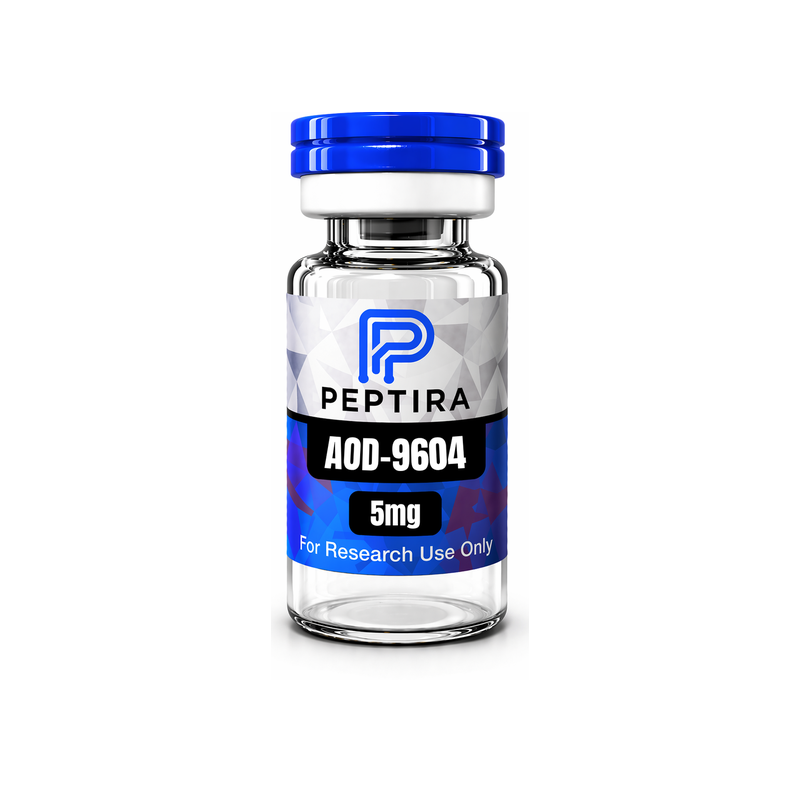 Peptira
AOD-9604
LEE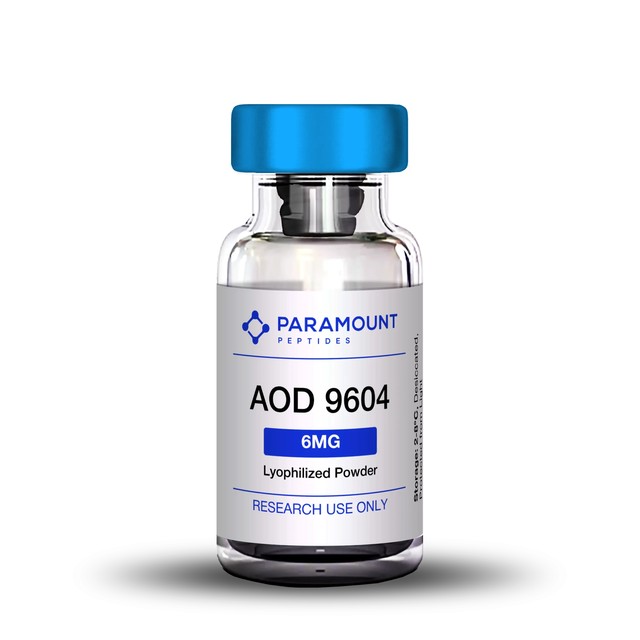 Paramount
AOD-9604
LEE10 Peptira
PT-141
LEE Peptira
BAC Water
LEE Paramount
Recon Solution
LEE10 Peptira
Acetic Acid
LEEPartner homes
Limitless home · LEE20 S1 home · LEE10
Tracked homes: Limitless LEE20, Paramount LEE10, Peptira LEE, S1 LEE10, and BioLongevity LEE15.
Pro mastery: full classroom protocols stay in Peptides & Pump Pro. Free map first: community.
Get the Peptide Playbook
Free email map for how to think about peptides without the guru noise. No naked PDF dump — just the Playbook form.
Sources & Further Reading
Tier-1 and primary literacy only. Verified PubMed records. Education framing. Not a complete medical review.
- Bond P, Smit DL, de Ronde W. Anabolic-androgenic steroids: How do they work and what are the risks? Front Endocrinol (Lausanne). 2022. PMID 36644692.
- Kicman AT. Pharmacology of anabolic steroids. Br J Pharmacol. 2008. PMID 18500378.
- Albano GD, et al. Adverse Effects of Anabolic-Androgenic Steroids: A Literature Review. 2021. PMID 33477800.
- Hartgens F, Kuipers H. Effects of androgenic-anabolic steroids in athletes. Sports Med. 2004. PMID 15248788.
- Esposito M, et al. Impact of anabolic androgenic steroids on male sexual and reproductive function: a systematic review. 2022. PMID 35146992.
- Aleem S, et al. Sudden Cardiac Death in Anabolic-Androgenic Steroid Users: A Literature Review. 2020. PMID 33158202.
- Petrovic A, et al. Anabolic androgenic steroid-induced liver injury: An update. 2022. PMID 36051334.
- Schiffer L, et al. Basics of androgen synthesis and action. 2022. PMID 35595638.
- Kawaguchi-Suzuki M, et al. Review of WADA Prohibited Substances: Limited Evidence for Performance-Enhancing Effects. 2019. PMID 30411235.
- Holt RIG, Ho KKY. Performance Enhancing Hormone Doping in Sport. 2019. PMID 26247087.
- Thevis M, et al. Advances in the detection of growth hormone releasing hormone synthetic analogs. 2021. PMID 34665524.
- Wang L, et al. Peptide-based drug discovery: Current status and recent advances. 2022. PMID 36481586.
- Wilding JPH, et al. Once-Weekly Semaglutide in Adults with Overweight or Obesity. N Engl J Med. 2021. PMID 33567185.
- Falutz J, et al. Metabolic effects of a growth hormone-releasing factor in patients with HIV. 2007. PMID 18057338.
- Stanley TL, et al. Effect of tesamorelin on visceral fat and liver fat in HIV-infected patients with abdominal fat accumulation: a randomized clinical trial. 2014. PMID 25038357.
- Raun K, et al. Ipamorelin, the first selective growth hormone secretagogue. 1998. PMID 9849822.
- Chang CH, et al. The promoting effect of pentadecapeptide BPC 157 on tendon healing… 2011. PMID 21030672.
- Gwyer D, et al. Gastric pentadecapeptide BPC 157 and musculoskeletal soft tissue healing. 2019. PMID 30915550.
- Malinda KM, et al. Thymosin beta4 accelerates wound healing. 1999. PMID 10469335.
- Pickart L. The human tri-peptide GHK and tissue remodeling. 2008. PMID 18644225.
- Pickart L, et al. GHK Peptide as a Natural Modulator of Multiple Cellular Pathways in Skin Regeneration. 2015. PMID 26236730.
- Diamond LE, et al. Double-blind, placebo-controlled evaluation of… PT-141… 2004. PMID 14963471.
Related reads: are peptides steroids · are peptides legal · are peptides safe · peptides for bodybuilding · best peptides · research peptides · what are peptides · peptide side effects · community.