Counterfeit Research Peptides: How Mislabelled Vials Happen (And How to Read the Room)
Key takeaways
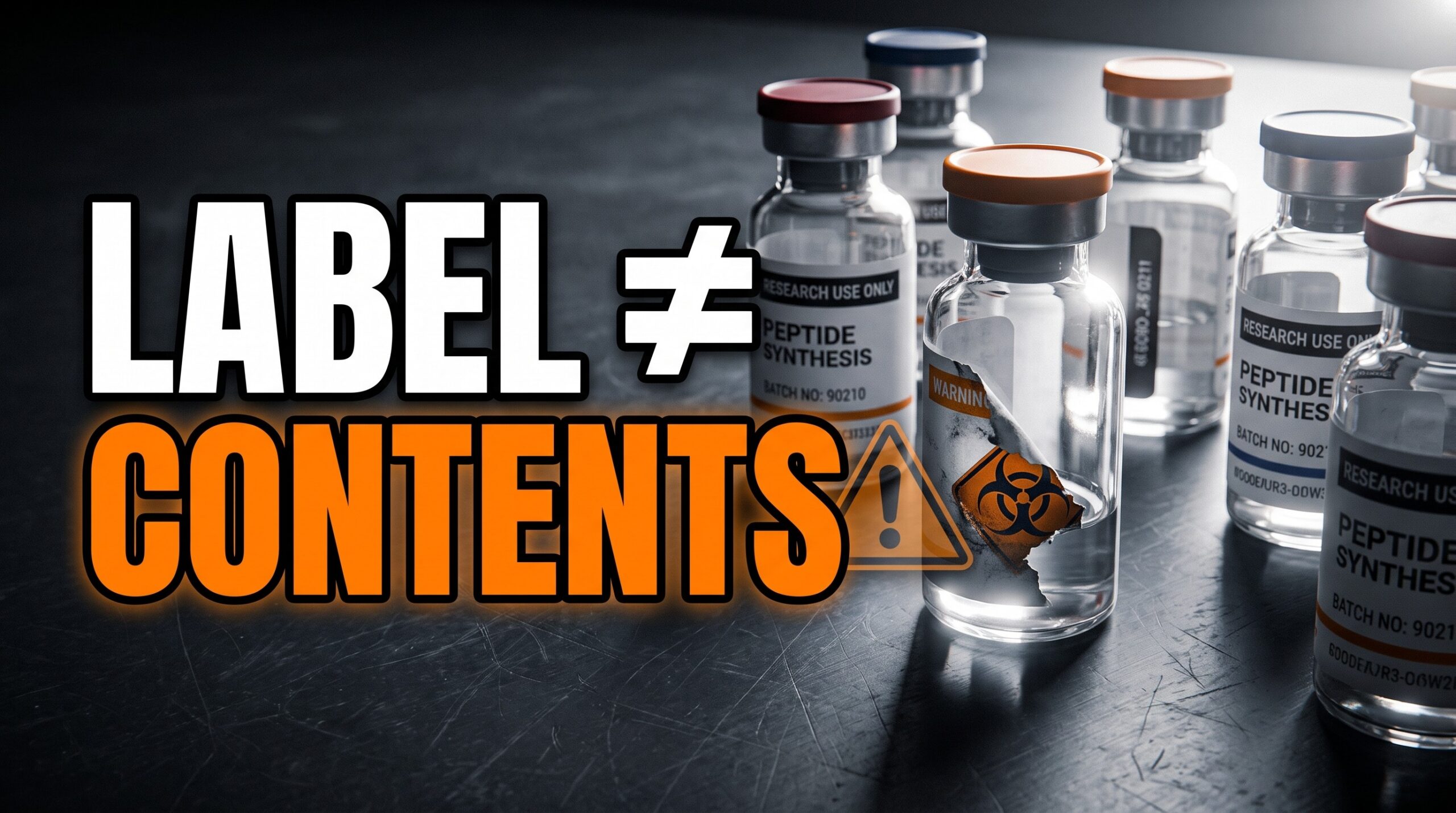
- Verdict: A sticker is not a lab report. Fake and mislabelled research vials are a real quality problem. Regulators have already shown the label is not the contents.
- Australia’s TGA case (via ABC): a product labelled retatrutide held undeclared semaglutide at about eight times usual assessed levels. No retatrutide was found.
- Real quality talk means lot numbers, test sheets that match the vial, and identity tests like HPLC or MS. Not Instagram certainty.
- Education only. Not medical advice. Not an FDA-approved treatment claim. Talk with a doctor for personal health choices.
Update — Sep 25, 2026: Forbes on bootleg peptides
Forbes reported today that gray-market peptides meant to boost growth hormone were tied to severe allergic reactions that sent people to the hospital. Read the Forbes story for the case details: These Fitness Fans Took Bootleg Peptides. It Landed Them In The Hospital. (Iain Martin and Amy Feldman, Forbes, Sep 25, 2026).
Why it matters here: this is the same risk this page explains. Unknown sources. No real testing. Vials that may be mislabelled or contaminated. You cannot see what is inside. Before you trust any vial claim, read “How legitimate research sourcing thinks about quality” (lot numbers and a COA that matches) and the “Keep vs skip” checklist below. Education only. Not medical advice.
Verdict up front: If you search counterfeit research peptides, you are asking a smart question. The label on a vial is a claim. It is not proof of what is inside. Fake and mislabelled vials show up in weight-loss peptide markets for a simple reason. Demand is hot. Supply is murky. Most buyers cannot run a lab at home.
This page is not an FDA-approved treatment claim. It is not a skip-the-doctor pitch. Education and research framing only.
Why this matters: when the active drug (or the dose) is wrong, side-effect risk is not theoretical. Australia’s medicines regulator just made that concrete.
Keep reading if you want the ABC/TGA case in plain English. You will get the label-vs-contents map. You will see how quality labs think about test sheets and HPLC/MS. You will get a keep-vs-skip checklist. No panic spam. No free-site protocol.
What the ABC / TGA retatrutide case actually reported
In September 2026, ABC News shared a fresh warning from Australia’s medicines regulator (the TGA). A patient used an unapproved weight-loss peptide labelled as retatrutide. They could not stop vomiting. They tore their oesophagus. That tube carries food to the stomach. A tear is a medical emergency. They needed hospital care.
TGA lab testing found no retatrutide. It found undeclared semaglutide instead. Semaglutide is the peptide drug in approved products like Ozempic and Wegovy. The amount was about eight times higher than levels in semaglutide products the TGA had assessed.
Retatrutide is still in human trials. The TGA has not approved it. ABC reported the same for other big regulators. Outside a trial, a “reta” vial is not an approved medicine.
ABC also noted earlier tests with the University of Queensland. Those black-market retatrutide vials had doses much higher than labels claimed. Melbourne gut doctor Darcy Holt told ABC a ruptured oesophagus can kill without fast care. High doses can cause hard vomiting. That vomiting can tear the tube.
TGA adviser Robyn Langham made the key point ABC quoted. With unapproved peptide products, you may not know what is in the vial. You may not know how much. You may not know if it is sterile. You may not know if other junk is mixed in. Shots raise the stakes more.
Evidence limit: this is one regulator case plus lab tests on a sample. News reported it. It is not a giant trial of every research peptide. It is still a hard teaching example. Label is not contents.
Main story: ABC News — TGA peptide warning / retatrutide / torn oesophagus (14 Sep 2026).
Want the real trial lane for retatrutide? See the Phase 2 obesity study in NEJM. Then read our education map on retatrutide. That is trial science. Not a black-market vial.
So what for you: the lesson is not “panic about every peptide word.” The lesson is that a trendy label can hide a different drug — and a wild dose.
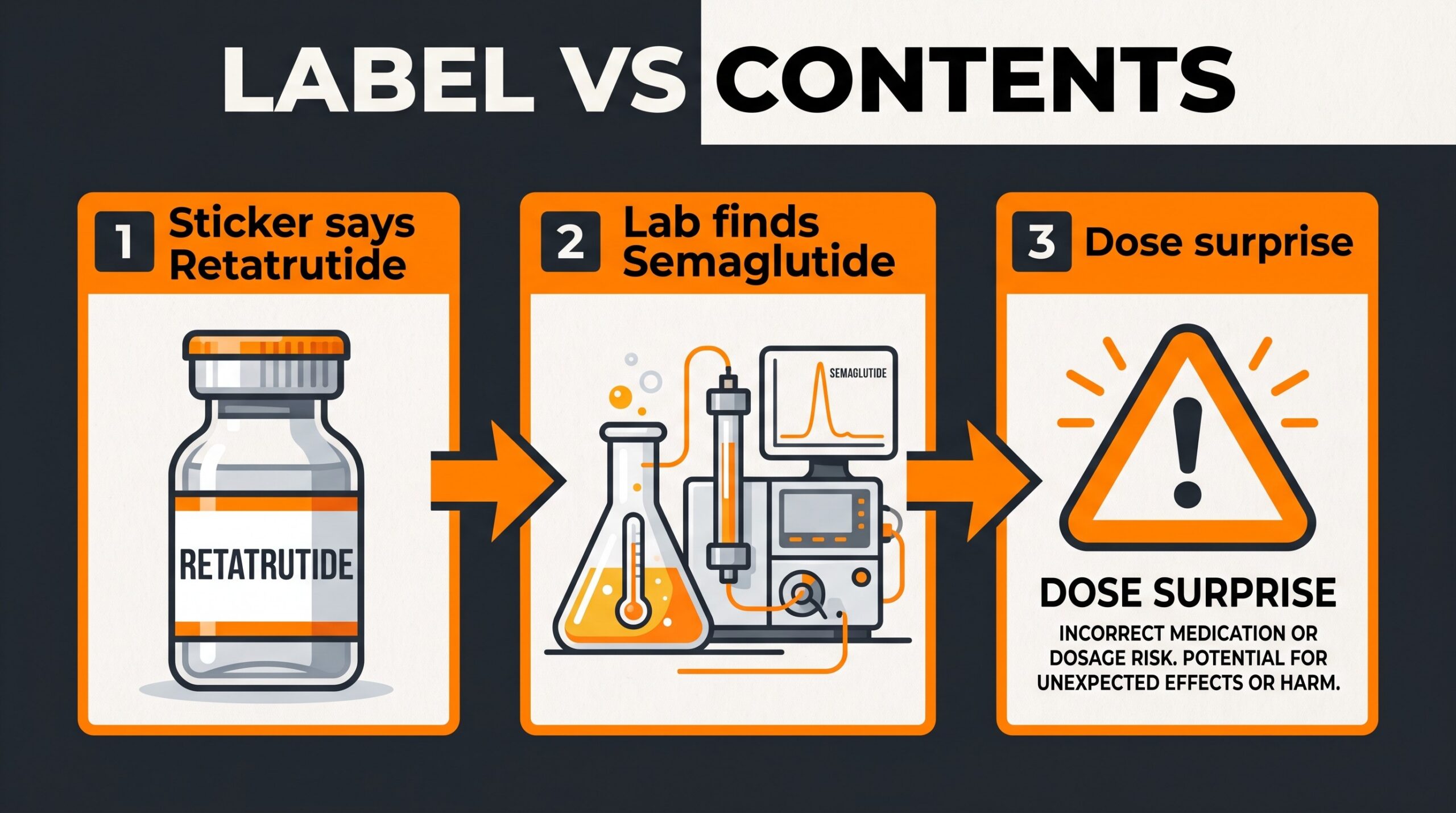
Label vs contents: the mechanism map
Think of a vial label like a menu taped on a door. The menu can say anything. The kitchen may cook something else.
Here is the simple three-step map from the TGA sample story:
- Sticker says retatrutide — the claim buyers heard.
- Lab finds semaglutide — a different GLP-1-class peptide drug, undeclared.
- Dose surprise — roughly 8× vs TGA-assessed semaglutide product levels in that sample.
Why do weight-loss labels get faked or swapped? Hot demand. Tight legal access outside approved products and trials. Social media heat. And a hard truth: most buyers cannot prove identity without a real lab.
Stop-you number from that sample: about 8 times the semaglutide level the TGA compared against. That is not a small rounding error. It changes nausea risk. It changes vomiting risk. It breaks any plan that assumed the label dose.
Why this matters: people dose what they think they bought. If the drug or the milligrams are wrong, side effects can jump.
Want the wider safety pages? Start with are peptides safe, peptide side effects, and the hub on research peptides. Basics still sit at what are peptides.
This is not a new problem — peptides just joined the room
Fake and weak medicines are an old global story. Reviews on counterfeit drugs exist for a reason. See the Sources list at the end. The pattern repeats. Look-alike packs. Wrong drug. Wrong dose. Or junk fillers.
Weight-loss peptides sit in a perfect storm right now. Approved semaglutide is famous from real trials. Retatrutide has Phase 2 buzz. It is still not finished as an approved drug. Famous names. Unfinished access. That gap is where fake and mislabelled supply loves to grow.
Researchers have checked online semaglutide sellers who skip prescriptions. Other papers show how making and mixing choices change GLP-1 quality. Those studies do not prove every vial online is fake. They prove one thing. A famous name on glass is not automatic quality.
How sure should you be? Regulator lab tests are strong for that sample. One news case is not a count of every research shelf. Both can be true at once.
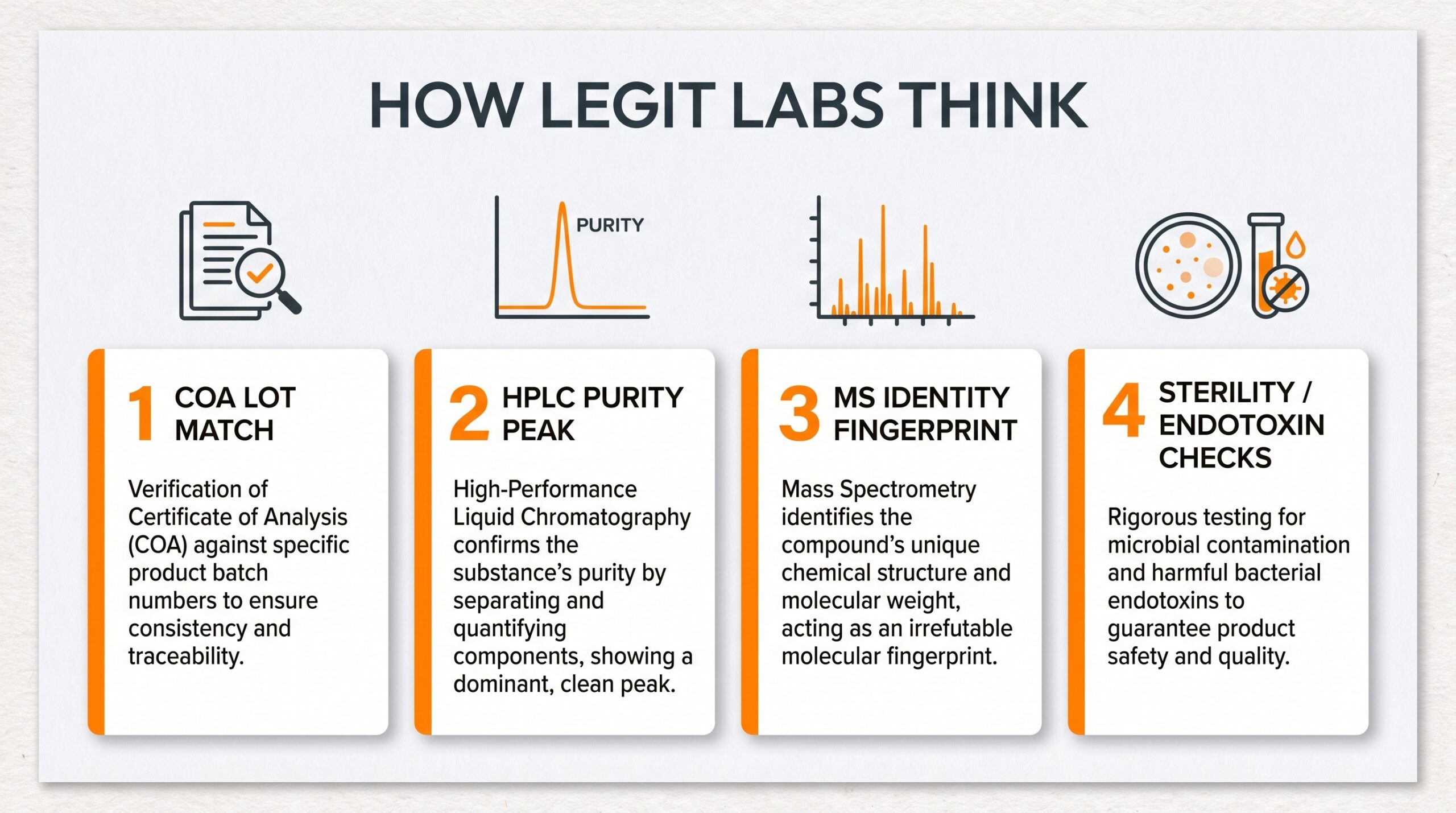
How legitimate research sourcing thinks about quality
Teach the map. This is not a free “how to buy black market safely” guide. That hustle does not belong here.
Serious labs keep asking the same four questions:
- Lot tracking — a real lot number that ties the vial to paperwork.
- COA that matches — a test sheet for that lot. Not a random PDF from another year.
- Identity and purity tests — often HPLC (separates peaks) plus a molecule-weighing lab test (MS) to fingerprint what molecule is present.
- Sterile / clean awareness — big deal for shots. Dirty making is its own hazard lane.
HPLC is a lab tool that separates chemicals into peaks. Think of a race for molecules. MS weighs pieces of a molecule. That helps answer, “Is this the peptide we think it is?” Labs that hunt illegal drugs use tools like these for a reason.
Peptide quality papers exist for a reason. Tiny changes can change what you actually have. A pretty label does not replace a real test.
Why this matters: “Research use” on a vial is not a purity promise. It is a category claim. Quality is a separate question.
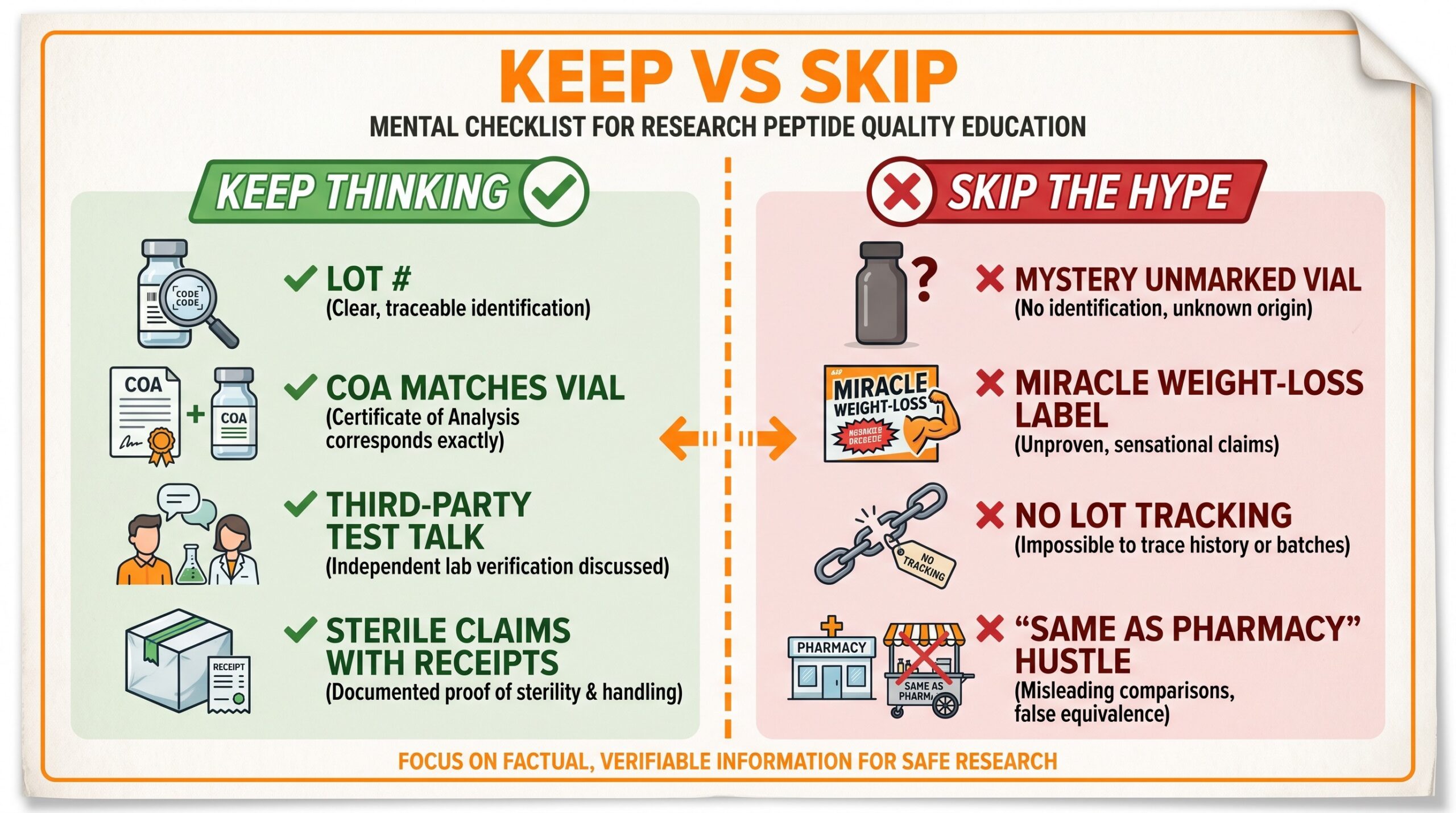
Keep vs skip: a mental checklist (education)
Keep thinking when you see:
- Lot numbers that match a test sheet.
- Test talk that names HPLC or MS. Not vibes.
- A clear line between research education and pharmacy-approved drugs.
- Someone willing to say “we do not know” when proof is thin.
Skip the hype when you see:
- Mystery vials with miracle weight-loss promises.
- “Same as the pharmacy pen” claims for drugs that are not approved yet.
- No lot number. No matching paperwork. No test talk.
- Pressure to skip doctors, skip slow dose education, or treat a headline as your personal plan.
This page will not coach illegal sourcing. It will not tell you to buy a research chemical as a human weight-loss drug. If your question is medical treatment, talk with a clinician in a lawful lane.
So what for you: the checklist is for reading the room. It is not DIY pharmacy cosplay.
Three doors people mix up
Three doors get smashed together in social feeds:
- Pharmacy-approved drugs — like labeled semaglutide products with a regulatory file (see STEP-style trials in Sources for the legitimate evidence lane).
- Trial drugs still being studied — retatrutide Phase 2 is this door. Not a corner-shop vial.
- Research education — chemistry and mechanism talk. Not a treatment claim on this site.
Compounded GLP-1 products are another lane. They have their own quality papers and safety reports. Different rules. Different risks. Do not blur them into “whatever the sticker says.”
Why this matters: mixing up access lanes is how people invent unsafe shortcuts. We will not coach that.
FAQ: counterfeit research peptides
Are all research peptides counterfeit?
No. Fake and mislabelled supply is one problem inside a bigger category. Blind panic is as lazy as blind trust.
Why did a “retatrutide” vial test as semaglutide?
In the TGA sample ABC reported: wrong drug plus a huge dose. Motive can be money, shortage, or fraud. The lab result is what matters for risk.
Is retatrutide FDA/TGA approved for weight loss?
Per the TGA warning ABC reported: not approved. Still in human trials. Read our retatrutide education page for the trial map. Not a buy-to-treat pitch.
What should I do if I already used something and feel terrible?
That is urgent care, not a blog. Get emergency or doctor help. This page is education only.
Related maps on Peptides & Pump
- Are peptides safe?
- Research peptides
- Retatrutide
- Peptide side effects
- What are peptides?
- Peptide dosage (education map — not a free protocol dump)
- Best peptides catalog map and Start Here
- Community for free vs Pro classroom lanes
Partner research options (codes in the links)
Education first. You already have the label-vs-contents map. Below are public basics and nearby research maps from tracked partners. Recon tools and common research vials. Codes fire in the links. Research-use and education framing only. Not a treatment claim. These SKUs do not fix fake-vial risk by themselves. Quality literacy still comes first.
Public basics + research maps
 Peptira
BAC Water
LEE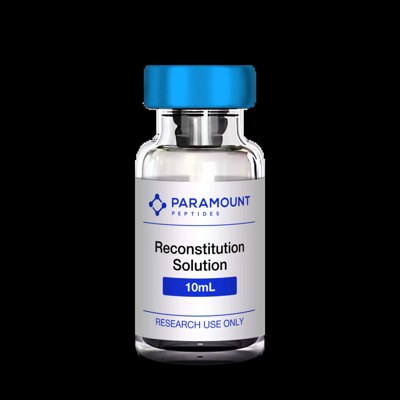 Paramount
Recon Solution
LEE10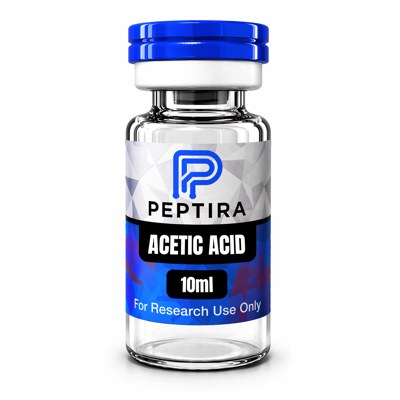 Peptira
Acetic Acid
LEE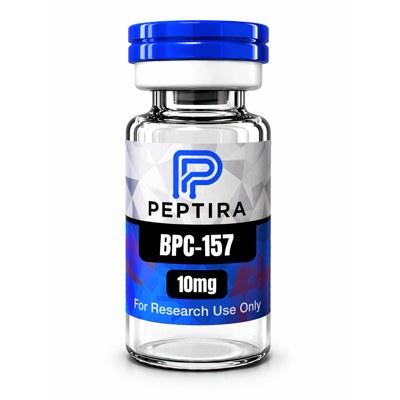 Peptira
BPC-157
LEE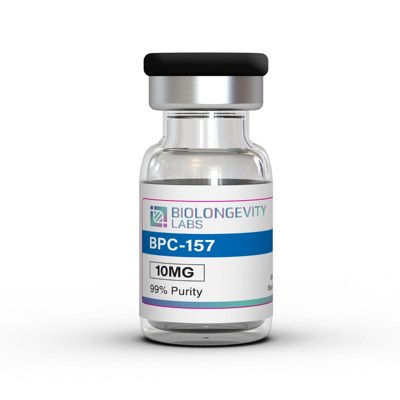 BioLongevity
BPC-157
LEE15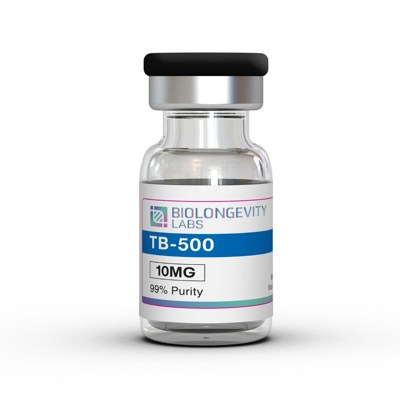 BioLongevity
TB-500
LEE15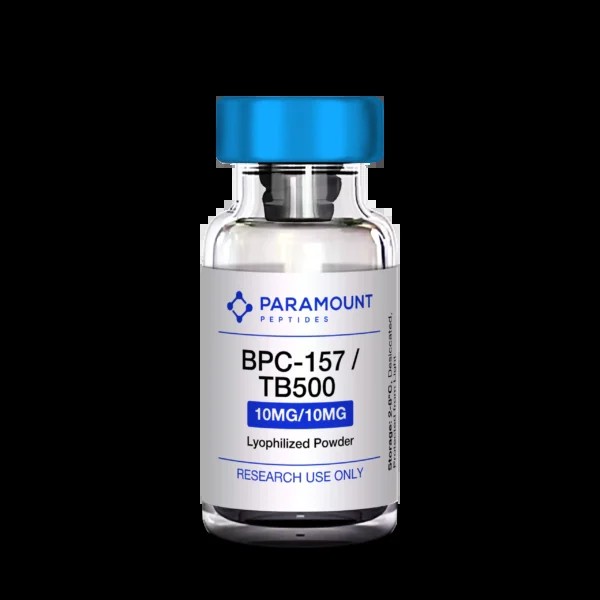 Paramount
Wolverine Blend
LEE10Peptira BAC · LEE Paramount Recon · LEE10 Peptira Acetic · LEE Peptira BPC-157 · LEE BLL BPC-157 · LEE15 BLL TB-500 · LEE15 Paramount Wolverine · LEE10 Limitless home · LEE20
No retatrutide SKU is featured here. This is a quality-education page. Keep tracked homes handy: Limitless LEE20, Paramount LEE10, Peptira LEE, S1 LEE10, and BioLongevity LEE15.
How to think about next steps
If a headline scared you, that can be useful. Fear without a map is just noise. Start with label is not contents. Learn the access lanes. Prefer quality talk that names real test methods. Pro goes deeper in the classroom. This free page still teaches the map.
Why this matters: next steps that match reality beat next steps that match a sticker alone.
So what for you: write one sentence before you trust a label: “What proof would I need that this vial is what it claims?”
Key takeaways (echo)
- Fake and mislabelled vials are a real label-vs-contents problem. TGA testing showed no retatrutide. It showed undeclared high-dose semaglutide in one reported case.
- Quality literacy means lot match, test-sheet match, HPLC/MS identity talk, and clean-making awareness. Not vibes.
- Education only. Not medical advice. Approved drugs, trials, and research education are different doors. Keep them apart.
Get the Peptide Playbook
Free email map for how to think about peptides without the guru noise. No naked PDF dump — just the Playbook form.
Sources & Further Reading
- Carbonell R. Patient suffers torn oesophagus after using unapproved peptide, prompting fresh warnings. ABC News. 14 Sep 2026. ABC News primary report (TGA case: no retatrutide; undeclared semaglutide ~8×; hospital care).
- Jastreboff AM, et al. Triple-Hormone-Receptor Agonist Retatrutide for Obesity — A Phase 2 Trial. N Engl J Med. 2023. PMID 37366315
- Wilding JPH, et al. Once-Weekly Semaglutide in Adults with Overweight or Obesity. N Engl J Med. 2021. PMID 33567185
- Ashraf AR, et al. Multifactor Quality and Safety Analysis of Semaglutide Products Sold by Online Sellers Without a Prescription. J Med Internet Res. 2024. PMID 39509151
- Hach M, et al. Impact of Manufacturing Process and Compounding on Properties and Quality of Follow-On GLP-1 Polypeptide Drugs. Pharm Res. 2024. PMID 39379664
- McCall KL, et al. Safety analysis of compounded GLP-1 receptor agonists: a safety-report study using the FDA adverse event reporting system. Expert Opin Drug Saf. 2026. PMID 40285721
- Nayyar GML, et al. Falsified and Substandard Drugs: Stopping the Pandemic. Am J Trop Med Hyg. 2019. PMID 30860016
- Newton PN, et al. Counterfeit anti-infective drugs. Lancet Infect Dis. 2006. PMID 16931411
- Johansson M, et al. A general analytical platform and strategy in search for illegal drugs. J Pharm Biomed Anal. 2014. PMID 25171485
- Reis NFA, et al. UHPLC for quality evaluation of genuine and illegal medicines containing sildenafil citrate and tadalafil. J Chromatogr Sci. 2021. PMID 33107906
- Custers D, et al. Chromatographic impurity fingerprinting of genuine and counterfeit Cialis as a means to compare PDA and MS detection. Talanta. 2016. PMID 26695302
- Stalmans S, et al. Quality control of cationic cell-penetrating peptides. J Pharm Biomed Anal. 2016. PMID 26397208
- Rogers RS, et al. A View on the Importance of “Multi-Attribute Method” for Measuring Purity of Biopharmaceuticals. AAPS J. 2017. PMID 29192343
Education only. Not medical advice. Not an FDA-approved treatment claim. Research framing for quality and mechanism literacy. Talk with a qualified clinician about personal health decisions. Partner links may earn a commission; codes live in the links.