
Peptides for Skin: Copper, GLOW, Topical vs Vial Map
Key takeaways
- Verdict: “Peptides for skin” is not one bottle. It is a map of short protein scraps used in creams, serums, and research vials. Cosmetics and research shelves are different doors.
- How it works in one line: Some skin peptides act like tiny work orders for repair cells. Copper peptides are the clearest example. Collagen powder is not the same tool.
- Your next step: learn topical vs research-vial honesty. Keep SPF, sleep, and protein first. Use public tracked partners for nearby skin maps. Skip SNAP-8 carts on this free page.
Verdict up front: peptides for skin are worth learning if you keep seeing GHK-Cu, GLOW, KLOW, “copper peptide,” Argireline, or SNAP-8 in the same cart. They are not worth treating a research vial like a drugstore face cream with a Marvel label.
There is a real human topical file for copper peptides. There is also a lot of forum mash-up. This free page will not hand you a public injectable skin protocol.
Keep reading if you typed peptides for skin, copper peptide, GHK-Cu, GLOW blend, or anti-wrinkle peptide and want the map without guru noise. Skip if you want a public dose chart. Skip if you want a claim that a research product treats wounds, scars, or aging like a drug. Skip if you want a reason to skip sunscreen and sleep. Those asks belong in Pro or a real clinician visit.
Day-one basics live on Start Here and what are peptides. Nearby maps: GHK-Cu, GLOW peptide, KLOW peptide, KPV, BPC-157, oral BPC-157, TB-500, Wolverine stack, glutathione, how to sleep better, protein intake, peptides for muscle growth, and peptides for weight loss.
This page is teaching only, not medical advice. A research-shelf skin peptide is not an FDA-approved drug claim here. Cosmetic serums follow cosmetic rules. This map will not tell you to skip a doctor or a dermatologist.
What people mean by peptides for skin
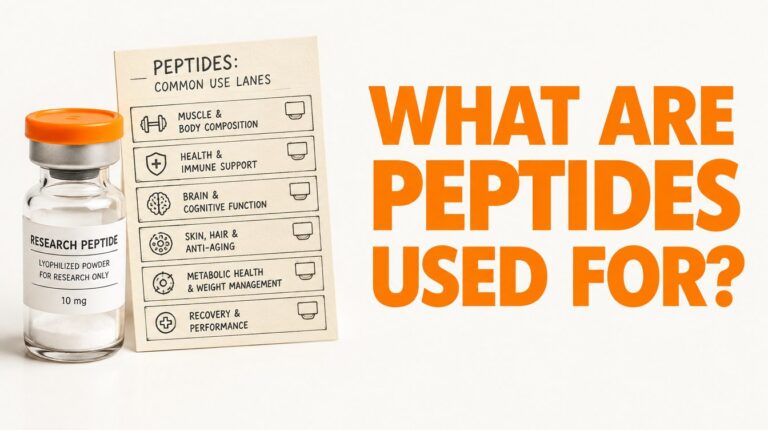
Start with the plain search. Peptides for skin usually means short chains of amino acids sold for looks, repair talk, or research curiosity. A peptide is a short protein scrap. Skin cells can read some of those scraps like tiny messages.
People mash five different aisles into one keyword. Cosmetic copper-peptide cream. Argireline-style “Botox in a jar” talk. Matrixyl collagen-signal creams. Research vials labeled GHK-Cu. Blend bottles like GLOW or KLOW. Same search box. Different jobs.
It is not collagen powder in your coffee. Collagen peptides are food protein scraps. Useful for diet talk. Different door than a copper-peptide serum. Different door than a lyophilized research vial.
Why this matters: if you buy the wrong aisle, you will judge the wrong tool and then blame “peptides” as a whole.
So what for you: name the aisle before you name the brand.
The work-order analogy (one mechanism picture)
Here is the only picture I want stuck in your head.
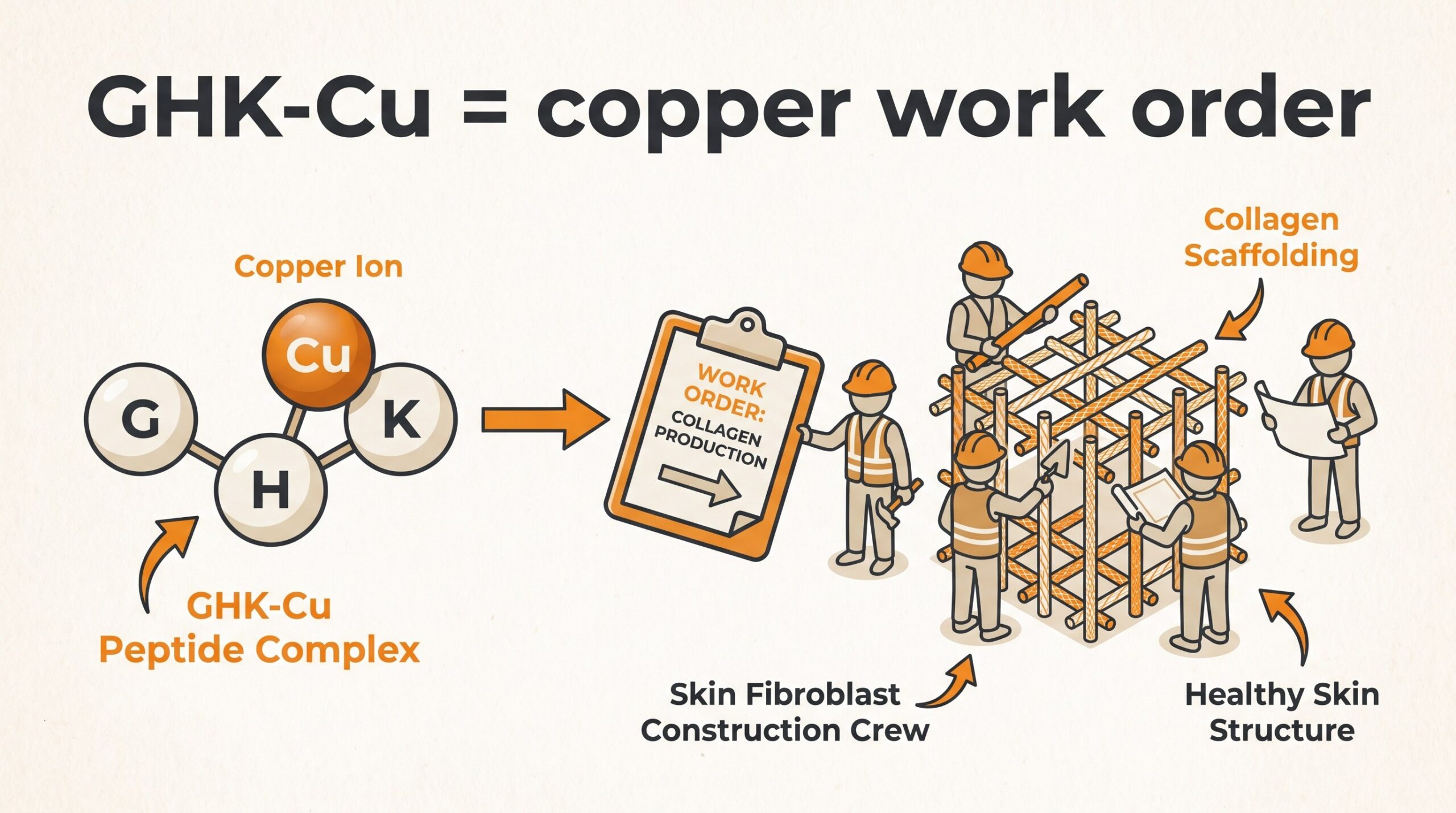
Think of your skin like a house that needs repairs. Collagen and elastin are the lumber and springs. Fibroblasts are the construction crew.
Some skin peptides act like a work order. A short note that tells the crew what job to run. GHK-Cu is the clearest example. GHK is three amino acids. Cu means copper rides along. The copper-peptide story is a delivery ticket plus a metal helper for repair talk.
How sure are we? Pretty sure GHK exists in human plasma and falls with age in published reviews. Pretty sure topical copper-peptide gels have human trial history for wound-area closure. Less sure that every Instagram “skin peptide stack” matches those papers. Not sure at all that a research vial equals a hospital wound protocol.
Why this matters: if you cannot explain work-order vs lumber-powder vs research vial in one line, do not open a cart yet.
So what for you: ask what form you are buying before you ask for a discount code.
The stop-you number (and what it is not)
The cleanest stop-you line is not a before-and-after selfie. It is a published average with a confidence label.
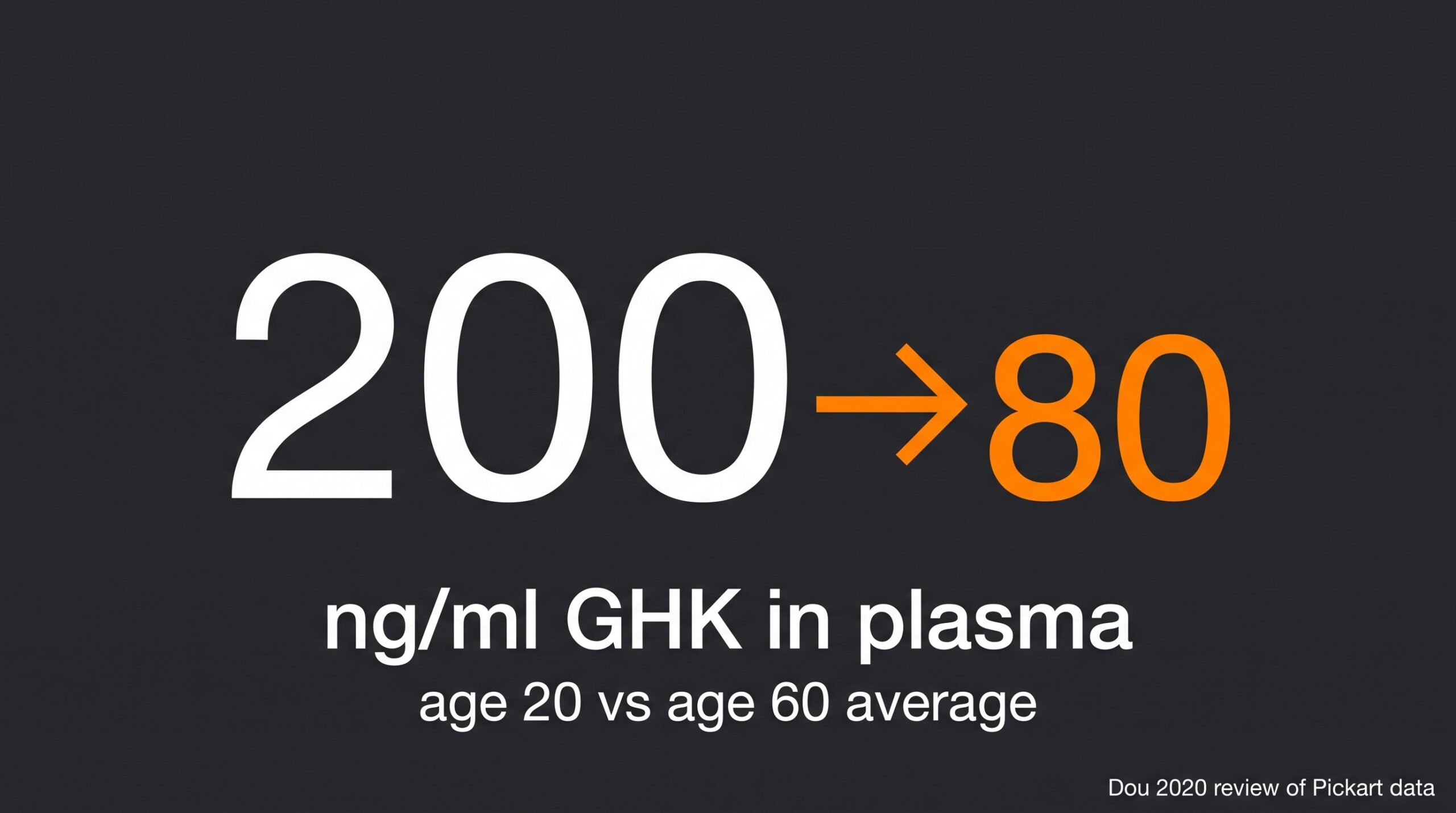
In a 2020 review, average GHK in human plasma was about 200 ng/ml at age 20 and about 80 ng/ml by age 60. Say that in plain words: the body’s own copper-peptide signal looks lower later in life in that dataset.
That decline is why people get curious. It is not a green light to inject a catalog vial into your face. It is a map clue.
There is also a serious topical trial file. In a 1994 multicenter randomized study of diabetic foot ulcers, a topical GHK-copper gel beat vehicle on wound-area closure. Median plantar ulcer closure was about 98.5% with the gel versus about 60.8% with vehicle. Infection rates were lower in the gel arm too. That is a stop-you trial. It is still a clinician-era wound study, not a free-site DIY face protocol.
Why this matters: the stop-you detail is that copper peptides have a real human topical stack. The confidence for “my research listing is homemade dermatology” is still zero.
So what for you: be impressed by the map. Do not confuse a chemical tool with a prescription pad.
Evidence limits (say this out loud)
Most honest teaching for skin peptides rests on topical copper-peptide work, cosmetic signal-peptide papers, and mechanism reviews. Injectable research-shelf stories for looks are thinner. Many blend bottles have almost no public human file under the blend name.
Argireline-style hexapeptides and SNAP-8 cousins live mostly in cosmetic science talk. Interesting. Not the same evidence floor as the Mulder copper-peptide ulcer trial. SNAP-8 is skipped as a shoppable hero on this free page unless Drive plus InStock says otherwise.
Also hold the shelf-vs-paper gap. Social media sells “same as the wound gel in a vial.” PubMed studies supervised topical arms. Same family of curiosity. Different sales story.
Why this matters: health pages get punished when they blur “interesting research chemical” into “treat your skin disease from Instagram.”
So what for you: if someone has an open wound, infection, melanoma worry, or odd skin change, this page is not the tool. Get human help.
Three doors: serum vs research vial vs basics
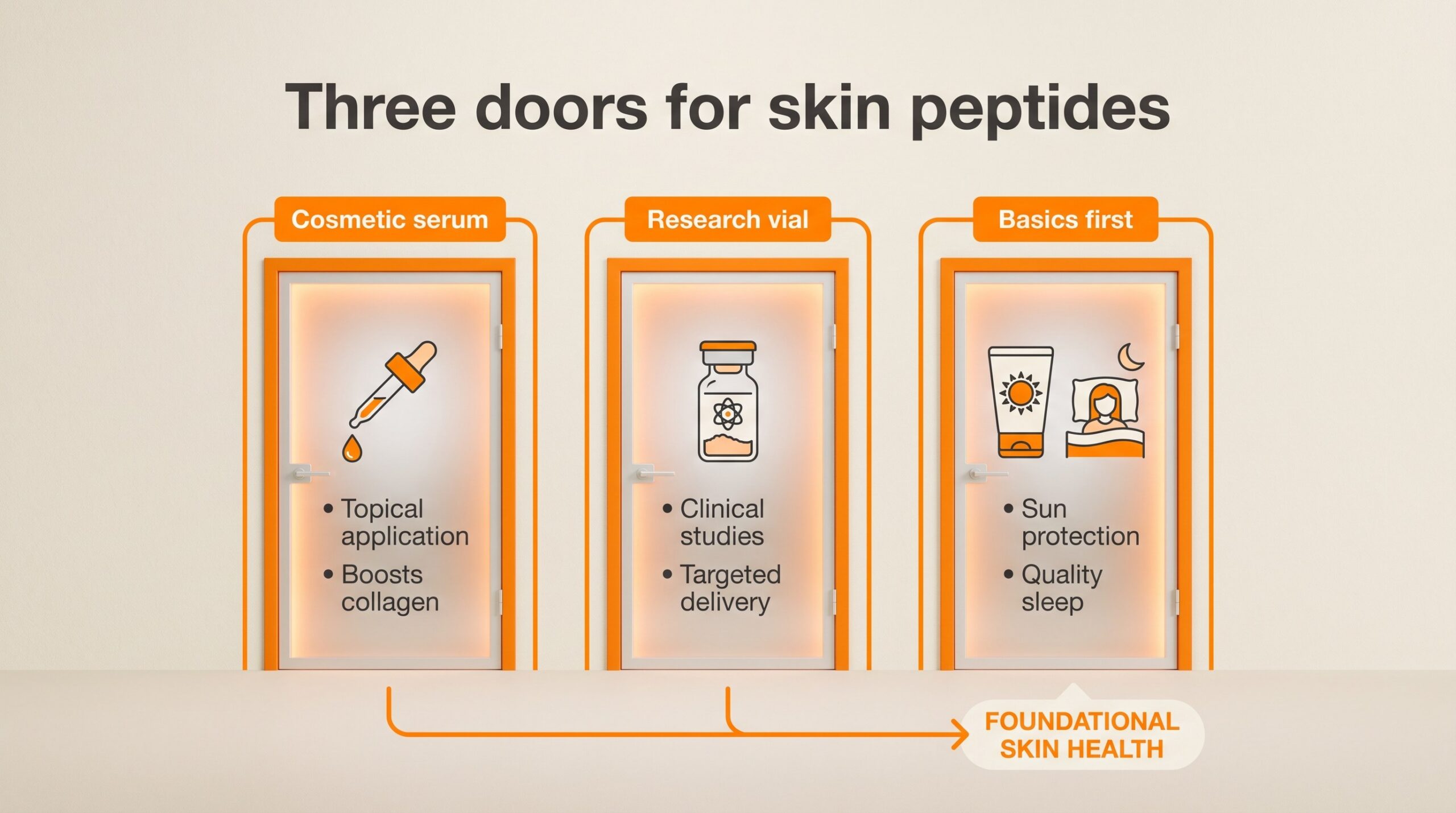
There are three doors for the same curiosity online, and each door does a different job.
Door 1 is cosmetic serum. Copper-peptide creams, Cu GLOW-style topicals, Argireline-type signal creams. Rules look like cosmetics. Job is looks and barrier talk. Still not a disease claim.
Door 2 is research vial. Lyophilized GHK-Cu, KPV, blend maps like GLOW or KLOW on research shelves. Education and research framing only on this free site. Not a facial protocol chart.
Door 3 is basics first. SPF. Sleep. Protein. Zone 2. Less junk food. A retinoid plan with a clinician when that fits. Boring wins more skin battles than a mystery vial.
Why this matters: people lose money when they buy Door 2 while their real problem was Door 3.
So what for you: write your real goal in one sentence, then pick a door.
Map the common names without the mash-up
GHK-Cu is the copper tripeptide map. Deepest teaching page on this site for copper peptides. Start there if copper is your question.
GLOW is a blend map people search for skin and repair curiosity. Read the label. A blend is not one pure GHK story.
KLOW is another blend aisle. Same rule. Name every ingredient before you trust a vibes bottle.
KPV is a shorter inflammation-lane peptide map people park next to skin talk. Nearby. Not a copper twin.
BPC-157 / TB-500 / Wolverine are healing-lane maps. Forums drag them into “skin peptides.” Different primary stories. Keep the links. Do not mash the mechanisms.
Why this matters: one keyword should not erase five different molecules.
So what for you: open the single-compound page when you are ready for depth.
Myths that waste money
- “Collagen peptides = copper peptides.” No. Food collagen scraps are not GHK-Cu work orders.
- “Research vial = wound-gel drug.” No. Trial gels and catalog listings are not the same door.
- “Any blend labeled Glow fixes aging.” No. Read the COA story and the ingredient list.
- “Skip SPF if you buy peptides.” No. That is how you donate money to sun damage.
- “SNAP-8 is free-site Botox.” No. Cosmetic signal talk is not a clinic toxin map, and this page will not hero a SNAP-8 cart.
Why this matters: myth stacks are how health pages get people hurt and domains get punished.
So what for you: keep the curiosity. Kill the Marvel script.
Partner research options (codes in the links)
Education first. You already got the map. Limitless VIP-login and out-of-stock skin SKUs are not the hero this pass. Below are InStock public options with codes that fire. Skin-adjacent research and topical maps. Research-use and education framing only. Not a treatment claim.
Public InStock skin-adjacent maps
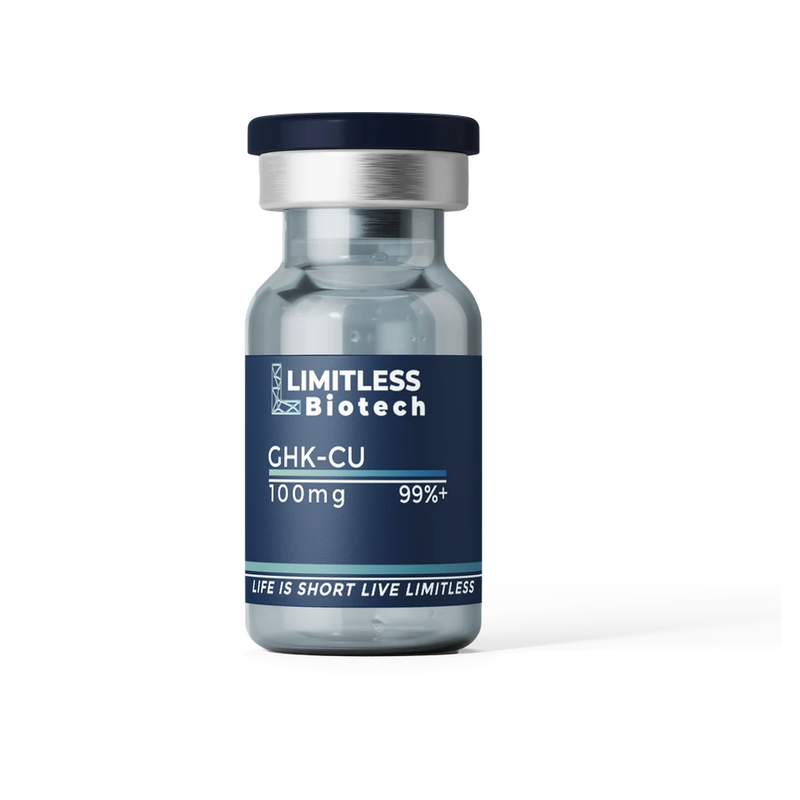 BioLongevity
GHK-Cu Copper Peptide
LEE15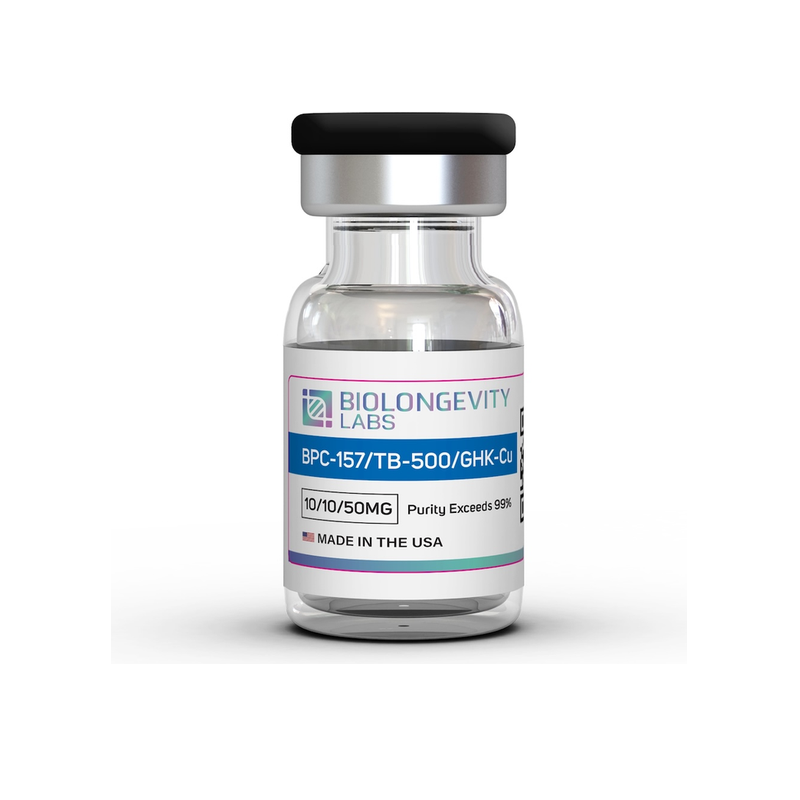 BioLongevity
GLOW
LEE15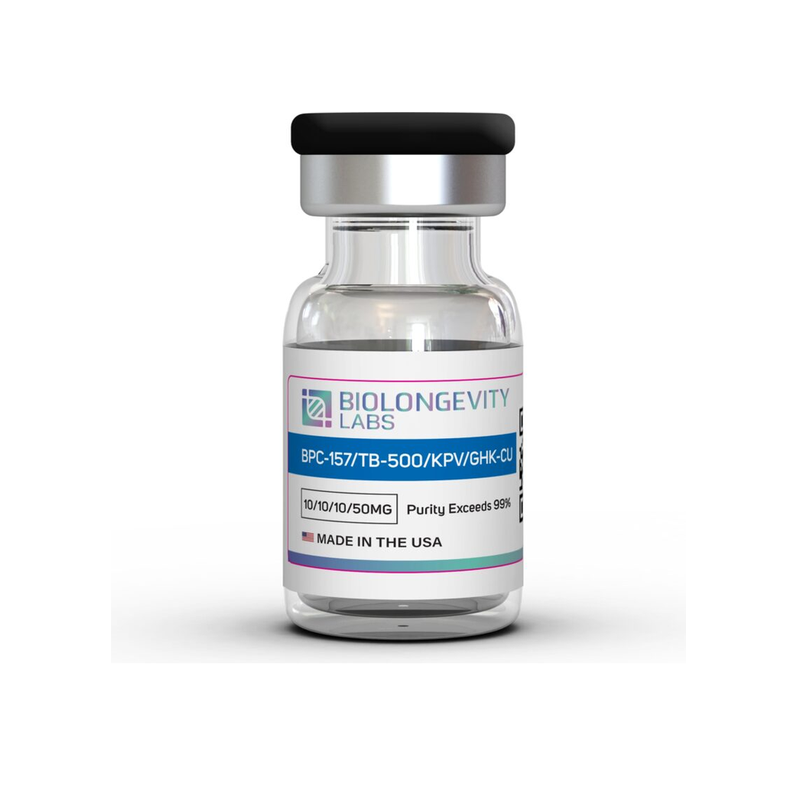 BioLongevity
KLOW
LEE15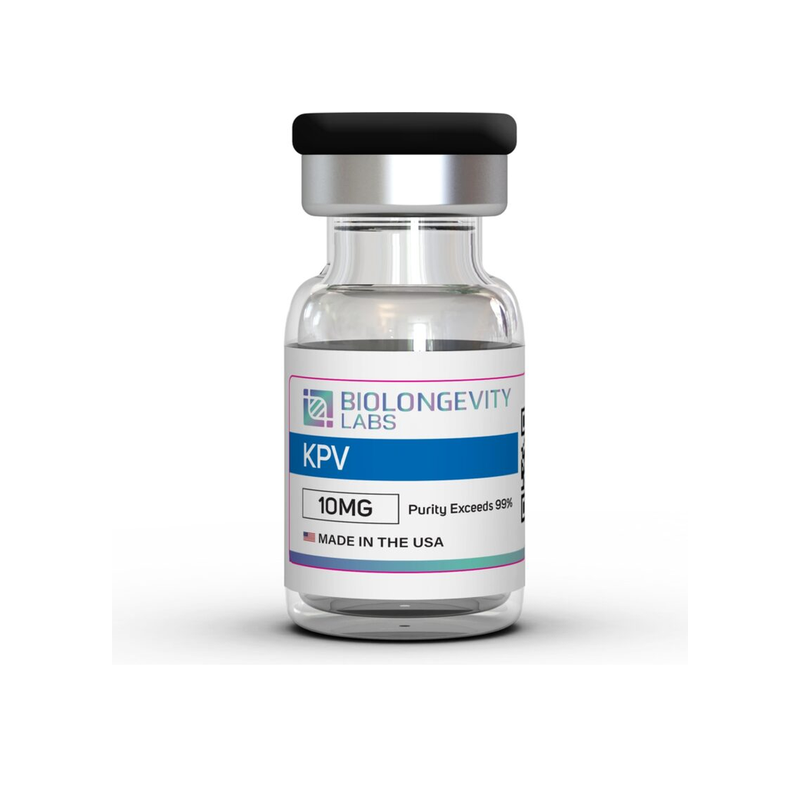 BioLongevity
KPV
LEE15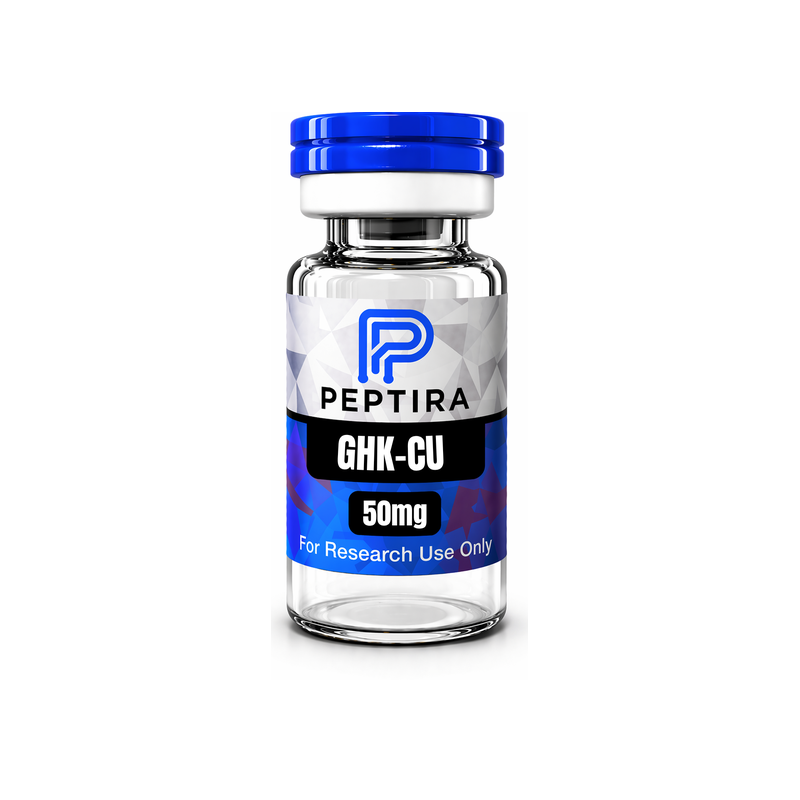 Peptira
GHK-Cu
LEE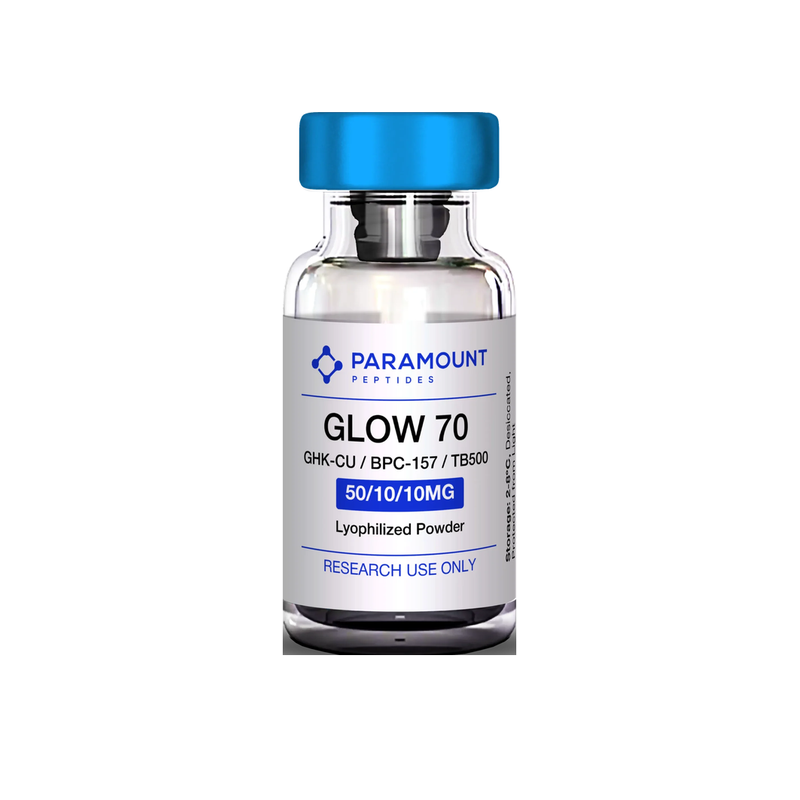 Paramount
Cu GLOW Serum
LEE10GHK-Cu · LEE15 GLOW · LEE15 KLOW · LEE15 KPV · LEE15 Peptira GHK-Cu · LEE Cu GLOW Serum · LEE10
No Limitless VIP skin SKU is heroed here while those listings stay login or out of stock. Keep tracked homes handy: Limitless LEE20, Paramount LEE10, Peptira LEE, S1 LEE10, and BioLongevity LEE15.
How to think about next steps
If your real goal is healthier-looking skin habits, start with Door 3. SPF and sleep beat a bottle you cannot explain. If your real goal is a cosmetic copper-peptide serum, Door 1 literacy is fine. If your real goal is the research-map of GHK-Cu or blends, Door 2 literacy comes after the work-order story makes sense.
Pro goes deeper on stacks, timing frameworks, and how to read a COA without getting conned by a sales page. The free page’s job is still the map.
Why this matters: next steps that match the door save money and cut health-page risk.
So what for you: write down your actual question in one sentence before you click a code.
Key takeaways (echo)
- Peptides for skin are a map, not one miracle bottle.
- The best one-line picture is a work order for repair cells, with GHK-Cu as the clearest copper example.
- Evidence for topical copper peptides is a real human stack, with honest limits. Basics still beat hype vials for most readers.
Get the Peptide Playbook
Free email map for how to think about research peptides without the guru noise. No naked PDF dump — just the Playbook form.
Sources & Further Reading
- Mulder GD, et al. Enhanced healing of ulcers in patients with diabetes by topical treatment with glycyl-l-histidyl-l-lysine copper. Wound Repair Regen. 1994. PMID 17147644
- Pickart L, et al. GHK peptide as a natural modulator of multiple cellular pathways in skin regeneration. Biomed Res Int. 2015. PMID 26236730
- Pickart L, Margolina A. Regenerative and protective actions of the GHK-Cu peptide in the light of the new gene data. Int J Mol Sci. 2018. PMID 29986520
- Dou Y, et al. The potential of GHK as an anti-aging peptide. Aging Pathobiol Ther. 2020. PMID 35083444
- Mortazavi SM, et al. Topically applied GHK as an anti-wrinkle peptide: advantages, problems and prospective. Bioimpacts. 2025. PMID 39963574
- Blanes-Mira C, et al. A synthetic hexapeptide (Argireline) with antiwrinkle activity. Int J Cosmet Sci. 2002. PMID 18498523
Educational research map only. Not medical advice. Not FDA-approved treatment claims. Partner links may earn a commission. Codes live in the links.
One Comment
Comments are closed.